Jobs You Can Get with an MSN
It’s a common feeling among many registered nurses: you’ve worked hard, gained invaluable experience, and you love what you do, but you can’t help but feel a pull towards something more, something that expands your impact and leadership potential. Maybe you're eyeing greater autonomy, a different clinical focus, or even a move away from direct patient care entirely. This guide will explore the diverse and rewarding career paths an MSN degree can unlock, going far beyond the traditional bedside nursing role.
The Transformative Power of an MSN Degree
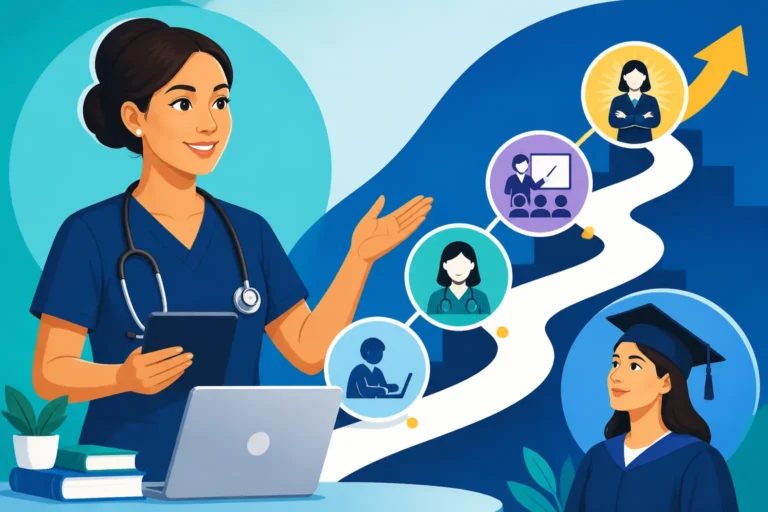
Earning a Master of Science in Nursing (MSN) isn't just about adding a few more letters after your name; it's about fundamentally shifting your professional trajectory. It equips you with advanced knowledge, critical thinking skills, and a deeper understanding of healthcare systems, preparing you for leadership, specialized clinical roles, and expanded autonomy. Many nurses choose to pursue their MSN after gaining a few years of experience as a registered nurse, finding that the real-world perspective enhances their learning experience in a master's program.
Expanding Your Scope of Practice
One of the most significant changes an MSN brings is the expansion of your scope of practice. While an ADN or BSN prepares you for direct patient care, an MSN propels you into roles where you diagnose, treat, prescribe, and lead. This advanced education focuses on a specific patient population or area of expertise, allowing you to become a specialist rather than a generalist. It’s about being able to tackle complex health issues with a holistic and evidence-based approach, often taking on responsibilities traditionally held by physicians.
The Shift to Leadership and Specialization
Beyond direct patient care, an MSN opens doors to a variety of leadership positions. Hospitals, clinics, and healthcare organizations are constantly seeking nurses who can manage teams, develop policies, and implement quality improvement initiatives. An MSN curriculum often includes courses in healthcare policy, ethics, finance, and leadership theory, which are crucial for navigating the complexities of modern healthcare. This isn't just about managing people; it's about influencing the quality of care on a broader scale, from a specific unit to an entire healthcare system. If you're wondering about the commitment, our guide on how long to become a nurse practitioner can offer some clarity.
Advanced Practice Registered Nurse (APRN) Roles
This is often the first thing people think of when they consider an MSN, and for good reason! Advanced Practice Registered Nurses (APRNs) are the backbone of many healthcare settings, providing comprehensive care to diverse patient populations. These roles require rigorous education, extensive clinical hours, and national certification exams. Preparing for these exams is crucial, and resources like Uworld are often utilized by aspiring APRNs to sharpen their knowledge and test-taking skills.
Nurse Practitioner (NP)
Nurse Practitioners are primary care providers, specializing in various areas. They diagnose and treat acute and chronic illnesses, prescribe medication, order and interpret diagnostic tests, and provide patient education and counseling. The specific scope of practice can vary by state, but the general function is to provide holistic, patient-centered care.
- Family Nurse Practitioner (FNP): FNPs provide comprehensive primary healthcare to individuals and families across the lifespan, from infants to seniors. They work in family clinics, urgent care centers, and even community health settings. They are often the first point of contact for patients, handling everything from routine check-ups and immunizations to managing chronic conditions like diabetes or hypertension. If you're interested in this path, our detailed post on How to Become a Family Nurse Practitioner can guide you further.
- Adult-Gerontology Nurse Practitioner (AGNP): This specialization often splits into primary care (AGPCNP) and acute care (AGACNP). AGPCNPs focus on preventative care and managing chronic conditions for adults, while AGACNPs provide care for critically ill adults in hospital settings, often in ICUs or emergency departments. Both require a deep understanding of adult physiology and common health issues across the adult and geriatric spectrum.
- Pediatric Nurse Practitioner (PNP): PNPs specialize in the health and wellness of infants, children, and adolescents. They conduct well-child exams, diagnose and treat common pediatric illnesses, and provide guidance to parents on growth, development, and disease prevention. They might work in pediatric clinics, schools, or children's hospitals.
- Psychiatric Mental Health Nurse Practitioner (PMHNP): PMHNPs provide mental healthcare services to individuals, families, and groups. They assess, diagnose, and treat mental health disorders, conduct psychotherapy, and prescribe psychotropic medications. They are incredibly in demand, working in private practices, community mental health centers, and hospitals. Learn more about the specific path in our guide on How to Become a Psychiatric Mental Health NP.
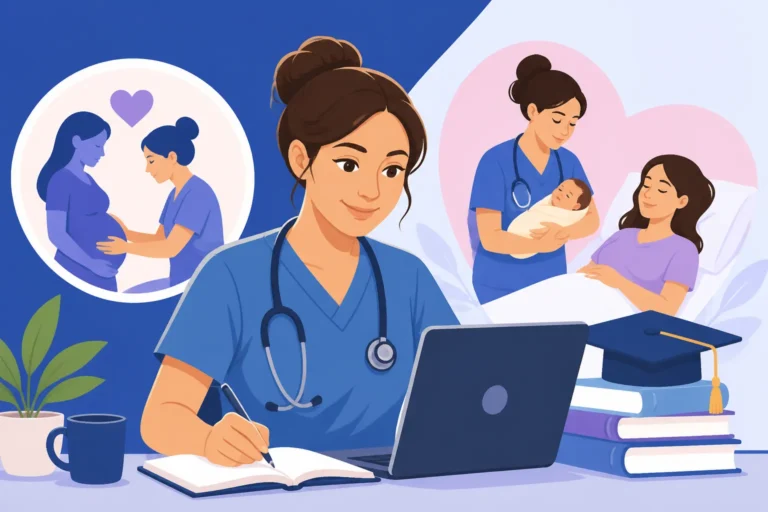
- Women's Health Nurse Practitioner (WHNP): WHNPs focus on the unique healthcare needs of women throughout their lives, from adolescence through menopause. They provide reproductive healthcare, prenatal and postpartum care, and address gender-specific health concerns. They often work in women’s health clinics, OB/GYN offices, and family planning centers.
Certified Registered Nurse Anesthetist (CRNA)
CRNAs are highly specialized and one of the highest-paying nursing roles. They administer anesthesia and provide anesthesia-related care before, during, and after surgical, obstetrical, and other medical procedures. This role demands immense responsibility, precision, and an in-depth understanding of pharmacology and physiology. They practice in hospitals, surgical centers, and private offices, often working collaboratively with surgeons and other medical professionals. The journey to becoming a CRNA is rigorous; our article on CRNA Program Requirements Explained details the extensive prerequisites and training involved.
Certified Nurse-Midwife (CNM)
CNMs provide primary healthcare to women, focusing on gynecological and reproductive health, family planning, and especially prenatal, labor and delivery, and postpartum care. They emphasize a natural, holistic approach to childbirth and woman's health, often working in birthing centers, hospitals, and private practices. They are trained to manage low-risk pregnancies and deliveries, and to recognize when consultation with or referral to a physician is necessary.
Non-Clinical and Leadership Roles with an MSN
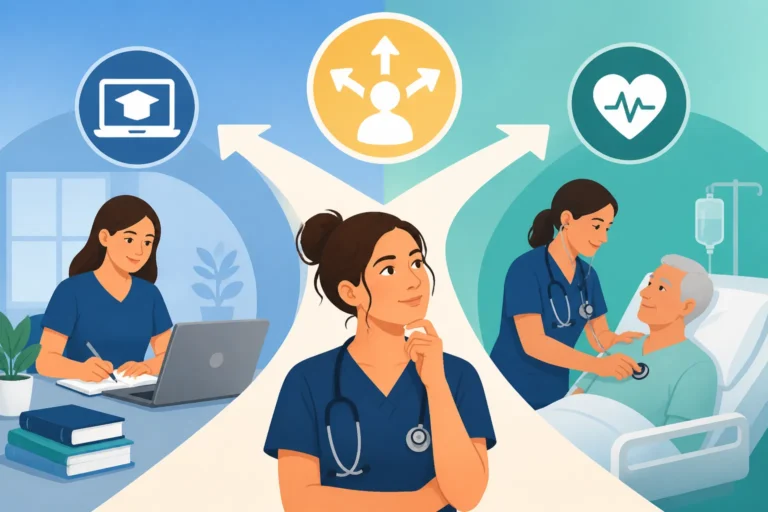
Not every MSN-prepared nurse wants to be at the patient's bedside or in a direct treatment role. The skills gained from an MSN, particularly in critical thinking, leadership, and system analysis, are highly valued in administrative, educational, and informatics positions. These roles allow nurses to influence healthcare delivery on a systemic level, impacting countless patients indirectly.
Nurse Administrator or Executive
Nurse administrators and executives are the strategic leaders in healthcare organizations. They manage nursing departments, oversee budgets, develop policies, ensure regulatory compliance, and work to improve patient outcomes and staff satisfaction. These roles demand strong leadership, financial acumen, and an understanding of organizational dynamics. They might hold titles like Chief Nursing Officer (CNO), Nurse Manager, or Director of Nursing. This career path is all about ensuring the smooth, efficient, and high-quality operation of nursing services across various settings.
Nurse Informaticist
Informatics nurses combine their clinical knowledge with information technology expertise to improve healthcare delivery. They design, implement, and optimize electronic health records (EHRs), train staff on new systems, and analyze data to improve patient care, safety, and efficiency. This is a rapidly growing field, especially with the increasing reliance on technology in healthcare. A nurse informaticist can work for hospitals, software companies, or consulting firms, bridging the gap between clinical practice and IT. Explore the specific responsibilities in our guide on the MSN Nursing Informatics Track.
Public Health Nurse
While some public health nurses have a BSN, an MSN can open doors to leadership and specialized roles within public health. These nurses focus on community-level health promotion, disease prevention, and health education. They might work for government agencies, non-profits, or community clinics, addressing health disparities, managing vaccination programs, and responding to public health crises. An MSN allows them to lead initiatives, conduct research, and advocate for policy changes that impact entire populations.
Case Manager
MSN-prepared case managers work to coordinate care for patients with complex medical needs, ensuring they receive appropriate and timely services across different healthcare settings. They advocate for patients, navigate insurance complexities, and help plan for discharge and ongoing care. While an RN can be a case manager, an MSN often leads to more complex roles, particularly with chronic disease management or in specialized populations. They play a vital role in improving patient experience and reducing healthcare costs by optimizing resource utilization.
Here's a quick overview of some of these roles and their general functions:
| MSN Role | Primary Focus | Typical Work Environment | Expanded Responsibilities |
|---|---|---|---|
| Family Nurse Practitioner (FNP) | Primary care for all ages | Clinics, urgent care, community health | Diagnosing, prescribing, treating acute/chronic conditions |
| Psychiatric Mental Health NP (PMHNP) | Mental healthcare and psychotropic medication management | Clinics, hospitals, private practice, telehealth | Diagnosing mental disorders, psychotherapy, medication management |
| Certified Registered Nurse Anesthetist (CRNA) | Administering anesthesia for surgical & medical procedures | Hospitals, surgical centers, pain clinics | Pre-anesthetic assessment, anesthesia delivery, post-anesthetic care |
| Certified Nurse-Midwife (CNM) | Women's health, pregnancy, childbirth, postpartum care | Birthing centers, hospitals, clinics | Prenatal care, delivering babies, gynecological services, family planning |
| Nurse Administrator/Executive | Overseeing nursing operations, staff, and policies | Hospitals, clinics, long-term care facilities | Budget management, policy development, quality improvement, staff leadership |
| Nurse Informaticist | Bridging healthcare and information technology | Hospitals, software companies, consulting | EHR optimization, data analysis, system implementation, staff training |
| Nurse Educator | Teaching and mentoring future nurses | Colleges, universities, healthcare organizations | Curriculum development, classroom instruction, clinical supervision |
| Clinical Nurse Specialist (CNS) | Advanced clinical expertise and system improvement | Hospitals, specialized clinics | Direct patient care for complex cases, staff education, evidence-based practice implementation |
Educational and Research Opportunities
An MSN also provides a strong foundation for those who are passionate about shaping the next generation of nurses or contributing to the body of nursing knowledge through research. These roles are critical for the advancement of the nursing profession and the continuous improvement of patient care.
Nurse Educator
If you love teaching, mentoring, and guiding others, becoming a nurse educator might be your calling. MSN-prepared nurse educators work in academic settings (colleges and universities) teaching future nurses, or in clinical settings providing ongoing education and training for staff. They develop curriculum, teach theory, supervise clinical rotations, and evaluate student performance. The demand for qualified nurse educators is high, as they are essential for addressing the ongoing nursing shortage. Our guide on the MSN Nurse Educator Track has more information on this fulfilling career path.
Clinical Nurse Specialist (CNS)
A Clinical Nurse Specialist (CNS) is an expert in a specific area of nursing practice (e.g., pediatrics, oncology, critical care, geriatrics). Unlike NPs who often focus on primary care, CNSs focus on improving patient outcomes within their specialty area through direct patient care, consultation with other healthcare providers, staff education, and research utilization. They often work in hospitals, influencing practice changes and acting as a resource for complex patient cases. They are vital for implementing evidence-based practices and driving quality improvement initiatives on a unit or system-wide level.
Nurse Researcher
While a Doctor of Nursing Practice (DNP) or Ph.D. is often required for leading large-scale research projects, an MSN can open doors to roles as a research assistant or co-investigator, particularly in clinical settings. Nurse researchers are involved in designing studies, collecting and analyzing data, and disseminating findings to improve nursing practice and patient care. This role is crucial for advancing the scientific basis of nursing and ensuring that healthcare practices are evidence-based. If you're interested in pursuing higher education beyond the MSN, understanding the MSN vs DNP: Which to Choose can help you plan your academic journey.
Crafting Your Path: Choosing an MSN Specialization
Deciding which MSN specialization is right for you can feel like a daunting task, especially with so many rewarding options available. It’s not just about what sounds interesting; it’s about aligning your personal passions, professional goals, and even your ideal work-life balance with the demands and rewards of each role. Think about your clinical experiences as an RN – what patient populations did you connect with most? What types of health challenges truly captured your interest?
For example, if you thrived in a fast-paced emergency department and loved the challenge of acute care, an Adult-Gerontology Acute Care Nurse Practitioner (AGACNP) role might be a natural fit, allowing you to continue working with critically ill patients but with greater diagnostic and treatment authority. On the other hand, if you find profound satisfaction in long-term relationships with patients and helping them manage their chronic conditions in a community setting, becoming a Family Nurse Practitioner (FNP) could be incredibly rewarding.
Consider also the educational journey itself. While all MSN programs are rigorous, the specific MSN Clinical Hours Requirements will vary significantly between, say, a Nurse Practitioner program and an Informatics program. Some programs might be more flexible for working nurses, offering part-time or online formats, which can be crucial for balancing work and studies. For online options, many institutions like the University of Texas Arlington, Chamberlain, and Walden offer robust online MSN programs designed to accommodate busy schedules.
Finally, don't overlook the practical aspects like job outlook and salary potential, though these should ideally complement your passion rather than dictate it entirely. Understanding the projected demand for different specialties and how an MSN Salary Explained can inform your decision, helping you invest in a future that is both fulfilling and financially stable. Resources like Uworld can also be instrumental not only for passing your certification exams but for offering study materials that deepen your understanding of the clinical aspects of your chosen specialization, further preparing you for the realities of the role.
Ultimately, an MSN is an investment in yourself and your future, opening up a world of possibilities within the dynamic field of nursing. It allows you to step into roles of greater impact, autonomy, and leadership, whether you choose to remain in direct patient care as an APRN, transition to an administrative or educational role, or explore the growing field of nursing informatics. The journey may be challenging, but the destinations are incredibly diverse and rewarding.
Disclaimer
Please remember that the information provided in this article is for general informational purposes only and does not constitute professional career or educational advice. Specific program requirements, career opportunities, and salary expectations can vary widely based on location, institution, experience, and other factors. Always consult with academic advisors, career counselors, and official program websites for the most accurate and up-to-date information relevant to your individual circumstances.