Is the Adult-Gerontology Acute Care NP Path Right for You
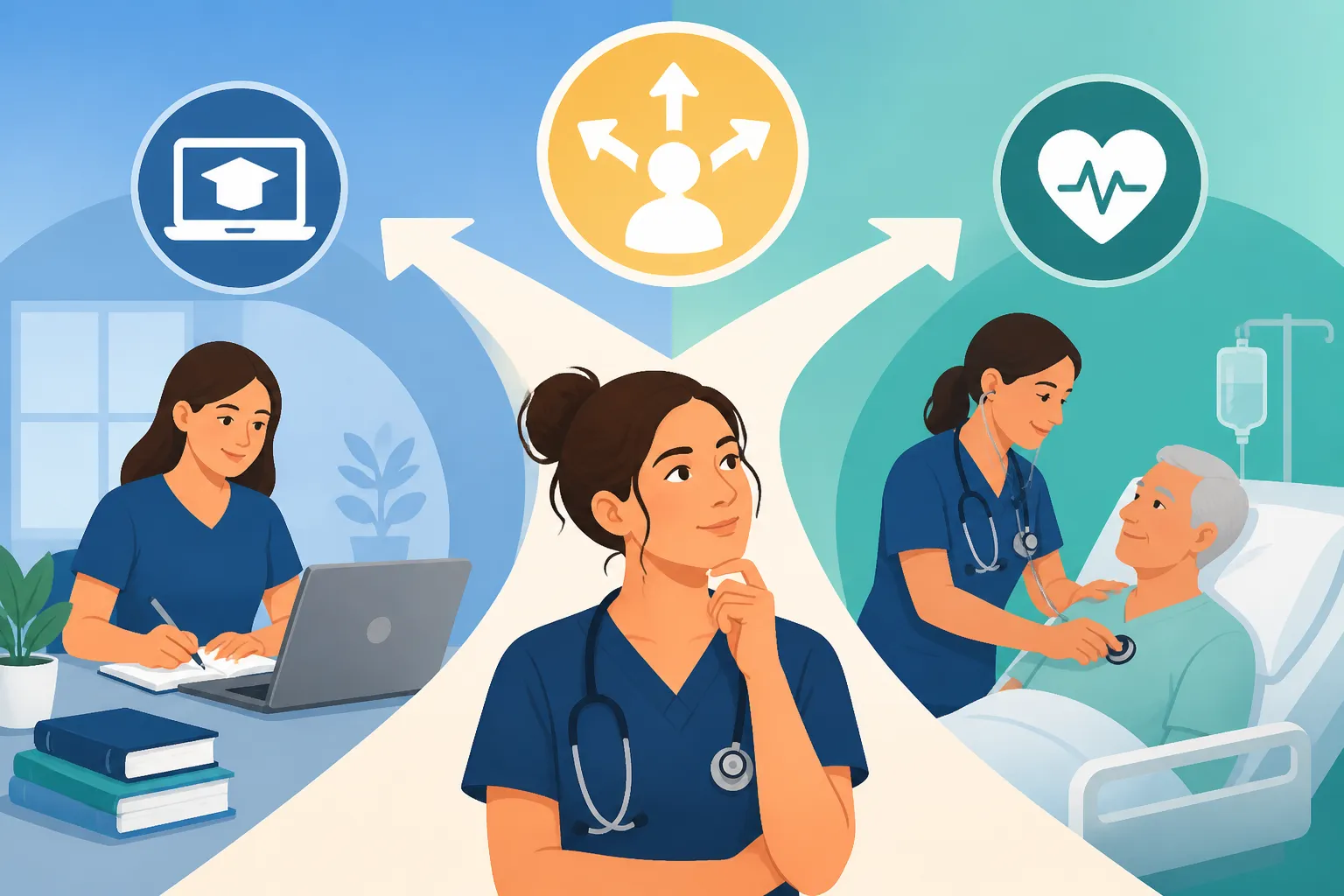
Deciding on your nursing path is a huge deal, and if you’re an RN considering an advanced practice role, you know the stakes are high. It’s not just about getting another degree; it’s about finding a specialty that truly resonates with your skills, your personality, and your long-term career aspirations. This guide is here to help you dig deep into the Adult-Gerontology Acute Care Nurse Practitioner (AGACNP) role, shedding light on what it truly entails so you can confidently determine if it’s the right next step for you.
Understanding the Adult-Gerontology Acute Care NP Role
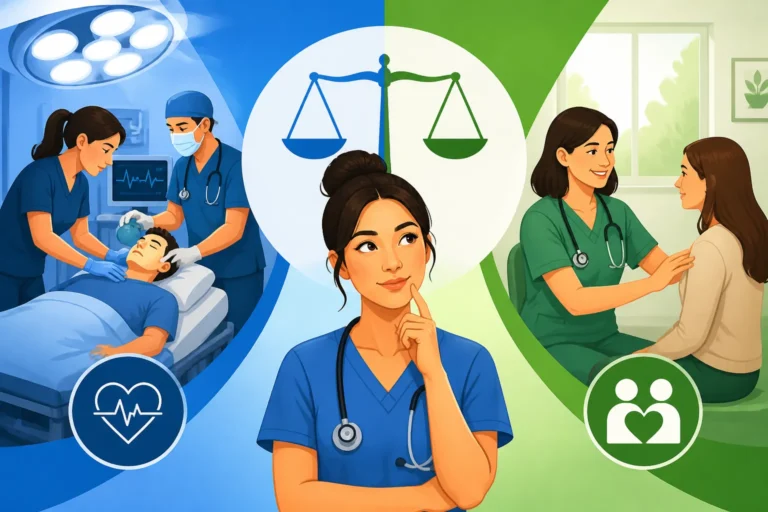
When you hear "acute care," think fast-paced, high-stakes, and critical decisions. This isn't your average clinic visit; this is about patients whose conditions are complex, unstable, or require immediate, intensive intervention. The AGACNP role is truly for those who thrive in dynamic environments and feel a deep drive to care for patients during their most vulnerable moments.
What an AGACNP Actually Does
An Adult-Gerontology Acute Care Nurse Practitioner is essentially a highly specialized provider who manages the care of adolescents, adults, and older adults (hence "adult-gerontology") who are suffering from acute, critical, or chronic illnesses with acute exacerbations. Forget the idea of a primary care provider seeing patients for routine check-ups; an AGACNP’s daily life is a world apart.
Picture this: You might be working in a busy Emergency Department (ED), assessing a patient who just came in with a severe asthma attack, quickly ordering diagnostics, initiating respiratory treatments, and deciding if they need admission to the Intensive Care Unit (ICU). Or perhaps you’re rounding in the ICU, managing ventilator settings for a patient with acute respiratory distress syndrome, adjusting vasoactive medications, and collaborating with a multidisciplinary team. AGACNPs perform comprehensive assessments, order and interpret advanced diagnostic tests (like CT scans, MRIs, and complex lab work), develop and implement treatment plans, manage complex pharmacotherapy, and perform various procedures such as central line insertion, intubation, or thoracentesis, depending on their scope and institutional policies. They are truly at the bedside, making critical decisions that directly impact patient outcomes. Their work is focused on stabilizing patients, preventing complications, and facilitating recovery from critical illness or injury.
Key Differences from Primary Care NPs
It’s easy to get confused with all the different NP specialties out there, but understanding the stark contrast between an AGACNP and, say, a Family Nurse Practitioner (FNP) or an Adult-Gerontology Primary Care Nurse Practitioner (AGPCNP), is crucial. The core difference lies in the type of patient care, the setting of care, and the focus of their practice.
FNPs and AGPCNPs are primarily concerned with primary care, which involves health promotion, disease prevention, routine screenings, and the management of stable chronic conditions over a patient's lifespan in an outpatient setting. They build long-term relationships with patients, focusing on continuity of care.
An AGACNP, however, operates in acute care settings like hospitals (ICUs, cardiac units, medical-surgical floors with higher acuity, EDs, specialty procedural areas) and some specialty clinics that manage acute exacerbations of chronic conditions. Their focus is on the episodic management of critically ill or acutely unwell patients. This means rapid assessment, quick decision-making, and often dealing with life-threatening conditions. Their skill set is geared towards invasive procedures, advanced diagnostic interpretation for emergent conditions, and complex medication management for unstable patients.
To give you a clearer picture, here’s a quick comparison:
| Feature | Adult-Gerontology Acute Care NP (AGACNP) | Family Nurse Practitioner (FNP) / Adult-Gerontology Primary Care NP (AGPCNP) |
|---|---|---|
| Patient Population | Adolescents, adults, older adults (acute/critically ill) | Infants, children, adolescents, adults, older adults (FNP); Adults, older adults (AGPCNP) |
| Practice Setting | Hospitals (ICU, ED, specialty units), trauma centers, critical care units | Outpatient clinics, primary care offices, urgent care (for less critical issues) |
| Focus of Care | Acute and chronic complex illness management, stabilization, procedures | Health promotion, disease prevention, routine care, stable chronic disease management |
| Typical Conditions | Sepsis, ARDS, heart failure exacerbation, trauma, stroke, DKA | Hypertension, diabetes, colds, flu, routine physicals, well-child checks |
| Skill Set Emphasized | Rapid assessment, critical thinking, procedural skills, advanced diagnostics | Health education, preventative counseling, chronic disease management, referral coordination |
The Educational Journey and Requirements for AGACNP
Embarking on the AGACNP path is a significant commitment, both academically and personally. It’s a rigorous journey designed to transform experienced RNs into highly competent advanced practice providers capable of managing complex, critically ill patients.
Typical Program Curriculum and Clinicals
Most AGACNP programs are master’s-level (MSN) or doctoral-level (DNP) and build upon the foundational knowledge you gained as an RN. The curriculum typically includes core MSN coursework that all NP students undertake, such as advanced pathophysiology, advanced pharmacology, and advanced health assessment. These courses aren’t just a review; they delve much deeper, equipping you with the theoretical understanding needed for complex patient management.
Beyond these core subjects, AGACNP programs feature highly specialized courses. These often include acute and critical care management, advanced diagnostics and procedures in acute care, critical care concepts, leadership in acute care, and specific population-focused courses related to adult and gerontology acute care. You'll learn to interpret complex diagnostic studies like EKGs, chest X-rays, and lab results for critically ill patients, and to master skills like ventilator management, arterial blood gas interpretation, and advanced hemodynamic monitoring.
Clinical hours are a cornerstone of the AGACNP curriculum, typically requiring hundreds of hours in diverse acute care settings. You can expect to complete rotations in intensive care units (medical ICU, surgical ICU, cardiac ICU), emergency departments, trauma units, critical care step-down units, and various hospital-based specialty services (like cardiology, pulmonology, or nephrology consult services). The goal is to ensure you gain hands-on experience in managing a wide range of acute and critical conditions under the direct supervision of experienced preceptors. Finding these clinical placements and preceptors can be challenging, so choosing a program with robust support in this area is paramount. Many students also find that How to Find NP Preceptors can be a real hurdle. If you're looking for flexibility, many institutions now offer Accelerated MSN Programs that condense this demanding curriculum into a shorter timeframe.
Prerequisites and Admission Considerations
Before you can even apply to an AGACNP program, there are usually several non-negotiable prerequisites. First and foremost, you'll need an active, unencumbered Registered Nurse (RN) license. Most programs also require a Bachelor of Science in Nursing (BSN) from an accredited institution. If you're an ADN-prepared nurse, you might need to pursue an RN to MSN Programs Explained bridge program.
Academically, programs typically look for a strong undergraduate GPA, often a minimum of 3.0 or higher. Some highly competitive programs might even require a 3.5 or above, especially for core science courses. While the GRE (Graduate Record Examinations) used to be a common requirement, many programs are now waiving it, especially for applicants with strong academic records and significant clinical experience. You'll also likely need to submit a personal statement outlining your career goals and reasons for pursuing the AGACNP role, as well as letters of recommendation from supervisors or professors who can speak to your clinical aptitude and work ethic. This deep dive into MSN Admission Requirements can give you a clearer picture.
Perhaps the most critical prerequisite for an AGACNP program, beyond the academic ones, is relevant clinical experience. Unlike some other NP specialties, most AGACNP programs strongly recommend or even require at least one to two years of recent experience working as an RN in a high-acuity setting. This typically means experience in an Intensive Care Unit (ICU), Emergency Department (ED), or a critical care step-down unit. This hands-on experience is invaluable because it demonstrates your ability to manage complex patients, utilize critical thinking skills under pressure, and understand the dynamics of acute care environments. Without this foundation, the intensity of an AGACNP program can be overwhelming. Before diving into an online MSN, it's worth considering MSN Program Prerequisites in detail.
Is the AGACNP Path a Good Fit for Your Personality and Career Goals?
This is where you really need to be honest with yourself. An AGACNP career is incredibly rewarding, but it’s not for everyone. It demands a specific set of personality traits and a clear understanding of the work-life balance (or lack thereof, at times) that comes with it.
Personality Traits That Thrive in Acute Care
Think about your daily work as an RN. Are you energized by chaos, or does it drain you? Do you enjoy the puzzle of complex medical cases, or do you prefer more predictable patient interactions? AGACNPs operate in environments where situations can change in an instant. Here are some personality traits that typically thrive:
- Calm Under Pressure: Acute care is unpredictable. You need to be able to maintain your composure, think clearly, and act decisively when a patient is crashing or an emergency unfolds around you. Panic is not an option.
- Exceptional Critical Thinking and Problem-Solving: Patients in acute care often present with a myriad of symptoms and comorbidities. You'll need to rapidly assess, synthesize information, identify priorities, and formulate quick, effective plans. It's like being a medical detective, but with immediate consequences.
- Strong Communication Skills: You’ll be communicating with patients and their often-distraught families during highly stressful times, as well as collaborating with physicians, residents, other nurses, and specialists. Clear, concise, and empathetic communication is essential.
- Resilience and Emotional Fortitude: You will witness triumphs and tragedies. You'll deal with difficult diagnoses, end-of-life care, and the emotional toll that comes with acute illness. Building resilience and having healthy coping mechanisms are non-negotiable.
- Detail-Oriented and Meticulous: In acute care, small details can have significant impacts. From medication dosages to subtle changes in vital signs, an AGACNP needs to be incredibly observant and precise.
- Comfort with Technology and Procedures: Acute care settings are often filled with advanced medical equipment, monitoring systems, and opportunities for procedural skills. A willingness to learn and master these aspects is key.
- Proactive and Autonomous: While you work within a team, AGACNPs are expected to take initiative, anticipate patient needs, and often function with a high degree of autonomy in their practice.
If reading that list makes your heart race with excitement rather than dread, you might be on the right track!
Career Outlook and Work-Life Balance Considerations
The job outlook for Nurse Practitioners, including AGACNPs, is exceptionally strong. The Bureau of Labor Statistics projects significant growth for NPs in the coming years, much faster than the average for all occupations. This demand is fueled by an aging population, an increasing prevalence of chronic diseases, and a push for more cost-effective healthcare delivery. AGACNPs are particularly in demand in hospital settings, where they fill critical roles in ICUs, EDs, and various inpatient units. They contribute significantly to patient flow, quality of care, and physician support. You can read more about the earning potential and market trends in our guide on Adult-Gerontology Acute Care NP Salary and Job Outlook.
However, it's crucial to be realistic about the work-life balance. Acute care, by its nature, doesn't adhere to a 9-to-5 schedule. You will likely work 12-hour shifts, including nights, weekends, and holidays. The work itself is emotionally and physically demanding. While the satisfaction of helping critically ill patients is immense, the intensity can lead to stress and potential burnout if not managed carefully. Unlike some other nursing roles, the pace is consistently high, and you're always "on." If you're someone who needs predictable schedules and a clear separation between work and home life, the AGACNP path might present challenges. It's a demanding career, and balancing it with personal life, especially if you're working full-time while pursuing your degree, can be tough. Consider how you'll manage your time, perhaps with tips from our How to Balance Work and RN to BSN (though for the MSN level, the intensity is even higher).
Advanced Skills and Continuous Learning
One of the most exciting aspects of being an AGACNP is the constant opportunity for growth and the application of highly advanced skills. You’ll be at the forefront of medical advancements, continually learning new treatment modalities, diagnostic techniques, and procedural skills. This means staying current with evidence-based practice, attending conferences, and engaging in ongoing professional development. The ANCC (American Nurses Credentialing Center) and AACN (American Association of Critical-Care Nurses) offer board certification for AGACNPs, which requires passing a rigorous exam. Tools like Uworld are incredibly helpful for preparing for these comprehensive board exams, providing thousands of practice questions and detailed rationales to solidify your knowledge. Many AGACNPs also pursue additional certifications in specific critical care areas, further enhancing their expertise. This commitment to lifelong learning is not just encouraged; it's essential for success in this dynamic field.
Making Your Decision: Weighing the Pros and Cons
Like any major career move, becoming an AGACNP comes with its unique set of advantages and disadvantages. It’s important to lay them out clearly to see if the scale tips in favor of your aspirations.
The Benefits of Becoming an AGACNP
For many nurses, the AGACNP role is a natural and fulfilling progression, offering numerous benefits:
- Profound Impact on Patient Lives: As an AGACNP, you'll be directly involved in saving lives and significantly improving outcomes for critically ill patients. This level of impact is incredibly rewarding and can provide immense professional satisfaction.
- Intellectual Stimulation: The complexity of acute care medicine means you are constantly challenged to think critically, learn, and apply advanced knowledge. If you enjoy solving intricate medical puzzles, this role offers endless opportunities.
- High Demand and Job Security: Hospitals and acute care facilities consistently seek skilled AGACNPs. This means excellent job prospects and strong job security across the country, especially in areas with high patient acuity.
- Competitive Salary: Due to the specialized nature and demanding environment of the role, AGACNPs typically earn competitive salaries, often higher than those in primary care roles. Our article on How Much More NPs Make Than RNs can provide a deeper look at the financial upside.
- Specialized Expertise: You develop a deep and specialized understanding of acute and critical illness, making you an invaluable asset in the healthcare system. This expertise can open doors to leadership roles, education, or even research.
- Autonomy and Collaboration: You'll work closely with physicians and other specialists, but with a significant degree of autonomy in managing your patients, making diagnostic and treatment decisions.
Potential Challenges and Drawbacks
No career is without its downsides, and the AGACNP path is particularly demanding:
- High Stress and Pressure: The constant exposure to life-or-death situations, critically ill patients, and fast-paced environments can be incredibly stressful. This isn't a job where you can easily leave work at the door.
- Risk of Burnout: The emotional and physical demands, coupled with potentially long or irregular hours, increase the risk of burnout. It's crucial to have strong self-care strategies and a supportive work environment.
- Demanding Schedules: Expect 12-hour shifts, nights, weekends, and holidays. This can make it challenging to maintain a consistent personal life, especially if you have family obligations.
- Emotional Toll: Witnessing suffering, death, and managing difficult family conversations is a regular part of the job. This can take a significant emotional toll over time.
- Continuous Intense Learning: The field of acute care medicine evolves rapidly. You must be committed to continuous learning and staying current with the latest evidence-based practices, which requires ongoing effort.
- Rigorous Educational Path: The AGACNP program itself is extremely challenging and fast-paced. If you thought your ADN or BSN was tough, prepare for an even more intense academic experience. You might relate to how challenging it is to complete an advanced degree by looking at How Difficult Is an Online RN to BSN.
Next Steps for Aspiring AGACNPs
If, after weighing the pros and cons, you feel a strong pull towards the AGACNP role, that's fantastic! But don't just jump in; strategic planning now can pave the way for a successful future.
Gaining Relevant Experience
This is perhaps the single most important piece of advice for anyone considering an AGACNP path. If you don't already have it, start working in a critical care setting. Seek out positions in an ICU, Emergency Department, or a specialized telemetry/step-down unit. This experience isn’t just a bullet point on your application; it’s foundational. It will:
- Confirm Your Passion: Real-world experience will show you if you truly thrive in the acute care environment. There’s a big difference between thinking you’d like it and actually living it.
- Build Your Knowledge Base: You’ll gain invaluable practical knowledge about complex diseases, advanced monitoring, emergency protocols, and multidisciplinary team dynamics that no textbook alone can teach.
- Strengthen Your Application: Programs prioritize applicants with relevant experience because it demonstrates a clear understanding of the role and a higher likelihood of success in the rigorous curriculum.
- Prepare You for Clinicals: The transition into AGACNP clinicals will be smoother if you're already comfortable with the pace, the terminology, and the patient population.
Aim for at least one to two years of full-time experience in an acute care setting before applying.
Researching Programs and Accreditation
Not all AGACNP programs are created equal. It's vital to do your homework to find a program that fits your needs and sets you up for success.
- Accreditation Matters: Ensure any program you consider is accredited by either the Commission on Collegiate Nursing Education (CCNE) or the Accreditation Commission for Education in Nursing (ACEN). Accreditation is non-negotiable; it ensures the quality of the program and is required for you to sit for your certification exam and get licensed. Understanding the difference between CCNE vs ACEN Accreditation Explained can be helpful.
- Clinical Placement Support: This is a huge one, especially for online programs. Many students struggle to secure their own preceptors. Look for programs that actively assist with clinical placements. Ask about their network, their process, and their success rates in matching students with appropriate sites. Knowing How to Choose an Online MSN Program involves looking at these practicalities.
- Program Structure and Flexibility: Do you need an online, hybrid, or in-person program? What is the course load like? How long does it take to complete? Consider your current work and family commitments when evaluating the program's flexibility.
- Faculty Expertise: Look into the backgrounds of the faculty. Do they have extensive experience as AGACNPs in various acute care settings? Their real-world knowledge is invaluable.
Preparing for Success
Once you’re accepted into a program, the real work begins. To make the most of your AGACNP journey:
- Sharpen Your Study Skills: These programs are intense. Develop effective study habits, time management strategies, and utilize resources provided by your program.
- Build a Support Network: Connect with fellow students. Having peers who understand the demands of the program can be incredibly beneficial for emotional support and collaborative learning.
- Utilize Review Resources: As you approach graduation, preparing for your AGACNP board certification exam is critical. Resources like Uworld offer comprehensive question banks and detailed rationales that simulate the actual exam experience, helping you identify areas for improvement and solidify your knowledge. Passing the ANCC or AACN certification is the final hurdle to becoming a licensed AGACNP, and thorough preparation is key. This aligns with general advice in NP Certification Exams Explained.
The AGACNP path is a challenging but deeply rewarding journey for those with a passion for critical care and a desire to practice at an advanced level. If you're ready for the intellectual stimulation, the fast pace, and the profound impact you can have on patients' lives, then this specialized role might just be your calling.
Disclaimer
Please remember that the information provided in this guide is intended for general informational purposes only and does not constitute professional career, medical, or educational advice. Program requirements, job outlooks, and salary expectations can vary by institution, location, and individual qualifications. Always consult with academic advisors, career counselors, and official program websites for the most accurate and up-to-date information regarding your specific situation.