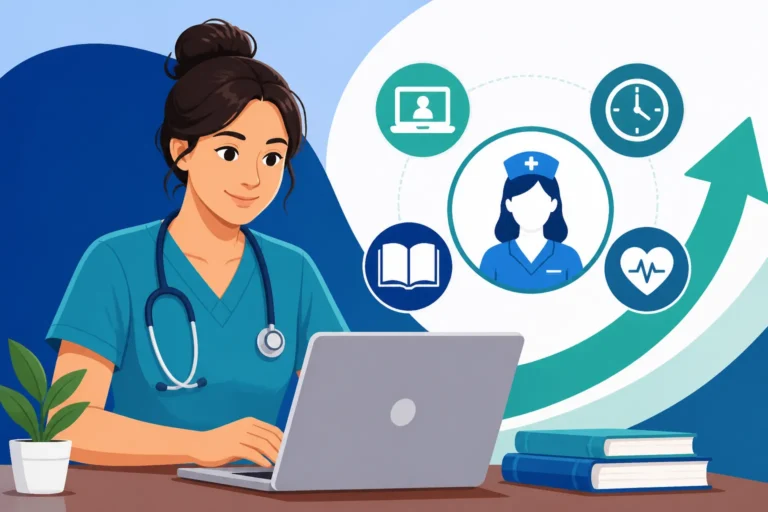
Accelerated BSN for Career Changers
Feeling stuck in a career that no longer sparks joy, or maybe never quite fit in the first place, is a surprisingly common experience. Many of you might be looking around, thinking, "There has to be more to it than this," or "I want a career that truly makes a difference." If nursing has been whispering to you, but the thought of starting all over again from scratch feels daunting, an Accelerated BSN (ABSN) program might just be the perfect answer. This guide is here to walk you through everything you need to know about making that pivot, leveraging your existing education, and successfully transitioning into the incredibly rewarding world of nursing.
Understanding the Accelerated BSN for a New Path
It’s completely normal to feel a mix of excitement and apprehension when contemplating such a significant life change. You've already put in the time and effort to earn a bachelor's degree in another field, and the idea of going back to school for another four years can be a major deterrent. That’s precisely where the Accelerated BSN comes in, offering a bridge for those who are ready to dive into nursing but don't want to re-do years of general education.
What Exactly is an Accelerated BSN?
At its heart, an Accelerated BSN program is specifically designed for individuals who already hold a bachelor's degree in a non-nursing discipline. Instead of starting from square one and spending four years on a traditional Bachelor of Science in Nursing (BSN), these programs condense the core nursing curriculum into a much shorter timeframe, often ranging from 11 to 24 months. The curriculum focuses intensely on nursing-specific courses, clinical skills, and professional development, building upon the foundational general education you've already completed.
Think of it this way: a traditional BSN program usually spreads its coursework, including prerequisites and general education, over eight semesters. An ABSN program assumes you've got those general education credits covered. So, it streamlines your path directly into the intense, science-heavy nursing content and hands-on clinical training. This accelerated pace means a demanding schedule, often year-round, with little to no breaks between semesters. It's a full immersion experience, but one that gets you to the finish line, ready to take the NCLEX-RN exam, much faster than a conventional route. You can explore more about these programs in our comprehensive guide, Accelerated BSN Programs Explained.
Why Career Changers Choose the ABSN Route
The motivations for career changers gravitating towards an ABSN are diverse and deeply personal. Perhaps you've spent years in a corporate role, feeling unfulfilled and longing for a profession with direct human impact. Maybe you worked in a field like biology or psychology and realized your true calling lies in direct patient care, applying that scientific knowledge in a tangible way. Many are drawn to nursing's incredible job security and diverse opportunities, offering a sense of stability that might be lacking in other sectors. The desire to earn a higher salary or simply find a career with more meaning and purpose are also powerful drivers.
For many, the ABSN pathway represents a pragmatic approach to a career pivot. You don't want to waste your previous degree, but you also don't want to spend another four years in college. The ABSN acknowledges your prior academic achievement and provides a direct, efficient route to a new professional identity. It allows you to leverage your existing intellectual capital and life experience, turning a "mid-career crisis" into a purposeful, exciting new chapter. This journey isn't just about changing jobs; it's about transforming your professional identity and finding a career that truly resonates with your values and aspirations.
Essential Prerequisites and Admission Requirements
So, you're convinced an ABSN is the way to go. Fantastic! But before you can jump into the intensive nursing coursework, there are some crucial hoops to navigate. Understanding the prerequisites and admission requirements is paramount, as these can often be the most challenging part for career changers, especially if your initial degree didn't include a heavy science component.
The Non-Nursing Bachelor's Degree Requirement
This is the non-negotiable cornerstone for an Accelerated BSN program. You absolutely must hold a bachelor's degree from an accredited institution in any field other than nursing. Whether your first degree was in English Literature, Business Administration, Political Science, or even something highly technical like Engineering, it qualifies you for the ABSN path, provided it's accredited. This requirement ensures that you already possess a strong foundation in critical thinking, college-level writing, research, and general academic rigor, which are all essential for the demanding pace of an ABSN.
Many career changers come from diverse academic backgrounds, and that diversity actually enriches the learning environment in ABSN programs. Your previous degree might not directly relate to healthcare, but the skills you gained—problem-solving, communication, organization, time management—are all highly transferable and incredibly valuable in nursing. Admissions committees recognize this and often appreciate the unique perspectives that career changers bring to the cohort, fostering a richer, more varied learning experience for everyone.
Navigating Science and General Education Prerequisites
While your existing bachelor's degree covers many general education requirements, most ABSN programs have a specific set of science and, occasionally, additional general education prerequisites that must be completed. These are non-negotiable and are designed to ensure you have the foundational knowledge necessary for the complex topics covered in nursing school. The most common science prerequisites include Anatomy & Physiology I & II (often with labs), Microbiology (with lab), Chemistry (sometimes with lab), and Statistics. Some programs might also require courses in Developmental Psychology, Nutrition, or Ethics.
For many career changers, these science courses might be the missing piece. You might have to enroll in community college courses or specific online programs to fulfill these requirements before you can even apply to an ABSN. It's crucial to check each program's specific list, as they can vary. Some schools, like Ohio State University, might have a slightly different set of requirements than, say, the University of Pennsylvania. Make sure these courses are taken at an accredited institution and meet the program's recency requirements (often completed within the last 5-7 years). If you're feeling overwhelmed by this, remember that thousands of nurses have walked this path before you, carefully piecing together their prerequisites. You can find more detailed guidance on specific courses in our article, Accelerated BSN Prerequisites Explained.
GPA and Application Competitiveness
Admission to Accelerated BSN programs can be highly competitive, and your academic performance in both your previous bachelor's degree and your prerequisite courses plays a significant role. Most programs look for a minimum GPA, often a 3.0 on a 4.0 scale, for both your cumulative undergraduate GPA and, crucially, your science prerequisites. Some highly sought-after programs in metropolitan areas like Los Angeles or New York City might even see successful applicants with GPAs closer to 3.5 or higher.
If your undergraduate GPA isn't as high as you'd like, don't despair! A strong performance in your science prerequisites can often demonstrate your current academic capability and dedication to the field. Furthermore, many programs consider your application holistically. This means factors beyond GPA, such as compelling personal essays, strong letters of recommendation, volunteer experience in healthcare settings, and any previous work experience demonstrating responsibility and commitment, can significantly bolster your application. Showing a genuine understanding of the nursing profession and a clear passion for helping others can often make a difference. Understanding the full scope of what's expected can be found in our detailed breakdown of Accelerated BSN Admission Requirements.
The Rigors and Rewards of an Accelerated BSN Program
Let's be real: an Accelerated BSN program is not for the faint of heart. It's intense, it's demanding, and it will push you to your limits. But for career changers, it's also an incredibly rewarding experience that validates your decision to pursue a new path and quickly equips you with the skills to make a real difference.
The Intensive Curriculum and Schedule
When they say "accelerated," they really mean it. You'll be taking a full load of challenging courses, often year-round, with very little downtime. Imagine condensing two years of complex nursing theory, pharmacology, pathophysiology, and patient care concepts into 12 to 18 months. This means you'll spend significant hours in lectures, labs, and simulation centers, followed by rigorous clinical rotations in various healthcare settings. The schedule is typically packed, mirroring a full-time job (or more!), making it challenging to maintain outside employment or personal commitments.
Students often describe it as drinking from a firehose. You'll move rapidly from one subject to the next, constantly integrating new knowledge with hands-on skills. Time management becomes an art form, and effective study habits are crucial for survival. Many students find themselves dedicating 40-60 hours a week to coursework and clinicals. While this sounds daunting, the upside is that you're surrounded by highly motivated peers, many of whom are also career changers, creating a supportive and collaborative learning environment. For a deeper look into the intensity, check out our article on How Hard Is an Accelerated BSN.
Clinical Experiences for Career Changers
One of the most exciting and foundational components of an ABSN program is the clinical experience. This is where you translate classroom theory into real-world patient care, working under the supervision of experienced nursing faculty and preceptors. For career changers, clinicals often feel like the moment everything "clicks" – you get to directly apply your burgeoning knowledge and see the immediate impact of your work. These hands-on rotations will take you to diverse settings, including hospitals (med-surg, ICU, pediatrics, labor and delivery), community health centers, long-term care facilities, and specialty clinics.
Your previous life and professional experience can be a surprising asset in clinical settings. You might bring a level of maturity, communication skills, or critical thinking abilities developed in your prior career that can give you a unique edge. For instance, a former project manager might excel at organizing patient care, while someone from a customer service background might naturally connect with patients and their families. These experiences provide a rich backdrop for understanding the complexities of healthcare and interacting with diverse patient populations. Moreover, navigating these experiences is a core part of the Accelerated BSN Clinical Requirements you'll encounter.
Leveraging Prior Skills and Experience
One of the most significant advantages career changers bring to an ABSN program (and eventually, to the nursing profession) is the wealth of skills and experience acquired in their previous careers. While you might not have clinical experience, you likely possess highly valuable transferable skills that are crucial in nursing. Think about it:
- Critical Thinking and Problem Solving: Essential for diagnosing issues and devising care plans, skills honed in almost any professional field.
- Communication Skills: Whether from marketing, education, or business, effective communication with patients, families, and healthcare teams is paramount.
- Time Management and Organization: A must-have for juggling multiple patients, tasks, and documentation, often perfected in fast-paced corporate environments.
- Teamwork and Collaboration: Nursing is a team sport; previous experience in collaborative projects is invaluable.
- Resilience and Adaptability: Changing careers itself demonstrates these qualities, which are vital for navigating the dynamic healthcare landscape.
Embrace these strengths! Don't view your past career as a detour, but rather as a foundation that makes you a more well-rounded, mature, and empathetic nursing candidate. Faculty often appreciate the life experience and diverse perspectives that career changers contribute, enriching classroom discussions and group projects. You're not just learning nursing; you're integrating it with who you already are, making you a unique and powerful advocate for your future patients.
Funding Your New Career Path and Post-Graduation
Making a career change, especially one that involves returning to school full-time, inevitably brings financial considerations to the forefront. It's a significant investment, but one with a substantial return, given the strong demand and competitive salaries for BSN-prepared nurses. Planning how you'll fund your ABSN and what comes after graduation is just as important as selecting the right program.
Financial Aid and Funding Options
Navigating financial aid for a second bachelor's degree can sometimes feel a bit different than your first time around, but many options are still available. The first step is always to complete the Free Application for Federal Student Aid (FAFSA). While you might not be eligible for federal grants if you already hold a bachelor's, you will likely qualify for federal student loans. These often come with more favorable terms than private loans. Beyond federal aid, many career changers explore:
- Private Student Loans: Offered by banks and other financial institutions. Compare rates and terms carefully.
- Scholarships: Don't overlook scholarships! Many organizations offer scholarships specifically for second-degree nursing students or those making a career change into healthcare. Research nursing associations, hospitals, and community organizations.
- Employer Tuition Assistance: If you're currently working in a healthcare-related role, your employer might offer tuition reimbursement programs that could help offset costs.
- Personal Savings: Many career changers meticulously save up for their ABSN, knowing the intense schedule will limit their ability to work.
- Payment Plans: Some universities offer installment plans directly, allowing you to pay tuition in smaller, manageable chunks throughout the semester.
It's crucial to thoroughly research each program's specific costs, including tuition, fees, books, and living expenses. Remember, the investment in an ABSN is an investment in your future earning potential and career satisfaction. For more comprehensive details on managing costs, delve into our guide on Accelerated BSN Financial Aid.
Here’s a quick overview of common funding sources:
| Funding Source | Description | Key Considerations |
|---|---|---|
| Federal Student Loans | Government-backed loans (Stafford, PLUS). | Generally lower interest rates, flexible repayment options, may be subsidized. |
| Private Student Loans | Loans from banks/lenders (e.g., Sallie Mae, Discover). | Rates vary widely, often require a co-signer, fewer borrower protections. |
| Scholarships & Grants | Free money based on merit, need, or specific criteria. | Highly competitive, require application essays, don't need to be repaid. |
| Employer Reimbursement | Your current employer pays for part/all of your tuition in exchange for commitment. | Check eligibility, may require working for them for a set period after graduation. |
| Personal Savings | Funds you've saved up. | No debt incurred, provides financial freedom during the program. |
Preparing for the NCLEX
After successfully completing your demanding ABSN coursework and clinical hours, the final hurdle before becoming a licensed Registered Nurse (RN) is passing the NCLEX-RN exam. This comprehensive, adaptive exam tests your ability to apply nursing knowledge and critical thinking skills to patient care scenarios. It’s a make-or-break moment for every nursing student, and career changers are no exception.
The good news is that your ABSN program will thoroughly prepare you for the NCLEX. The rigorous curriculum is designed to ensure you master the content areas covered on the exam. However, most students also engage in dedicated NCLEX review outside of their program. Resources like Uworld, Kaplan, and Hurst Review are incredibly popular, offering thousands of practice questions, detailed rationales, and simulated exams. Uworld, for example, is renowned for its challenging questions and excellent explanations, which mirror the critical thinking required on the actual NCLEX. Many students swear by daily practice questions and comprehensive content review to solidify their knowledge. Passing the NCLEX is the culmination of your hard work, and dedicated preparation is key. You can learn more about pass rates and preparation strategies in our article, Accelerated BSN NCLEX Pass Rates.
Career Prospects After Graduation
The job market for BSN-prepared registered nurses is exceptionally strong, and that's fantastic news for career changers. The Bureau of Labor Statistics projects significant growth in nursing employment over the next decade, far exceeding the average for all occupations. Hospitals, which are major employers of new graduate nurses, increasingly prefer and often require a BSN for entry-level positions. This is partly due to research linking BSN-prepared nurses to improved patient outcomes and higher quality of care.
As a new graduate with a BSN, you'll have a wide array of options, from medical-surgical floors to specialty areas like critical care, pediatrics, or emergency nursing. Many hospitals also offer residency programs specifically designed to support new nurses in their transition from student to professional. Your prior life experience and maturity as a career changer can actually be a huge asset in job interviews, demonstrating your commitment, work ethic, and ability to handle responsibility. Furthermore, a BSN opens doors to advanced education, such as pursuing an MSN or DNP, allowing for further specialization and career growth in roles like nurse practitioner, nurse educator, or nurse leader. The world of nursing is vast, and your BSN is your passport to exploring its many enriching pathways. For an idea of the many roles you can step into, check out Jobs You Can Get with a BSN.
Is an Accelerated BSN the Right Choice for You?
Embarking on an Accelerated BSN journey as a career changer is a profound decision. It requires immense commitment, personal sacrifice, and a deep understanding of what you're getting into. Before taking the leap, it's essential to perform an honest self-assessment and consider how this path aligns with your long-term goals.
Self-Assessment for Success
Succeeding in an ABSN program as a career changer hinges on several key personal attributes. This isn't just about academic intelligence; it's about resilience, motivation, and adaptability. Ask yourself:
- Am I truly passionate about nursing? The intense workload is only sustainable if you genuinely believe in the profession and its purpose.
- Do I have strong time management and organizational skills? You'll be juggling a massive amount of information, labs, and clinicals.
- Can I handle a fast-paced, high-pressure learning environment? The curriculum moves quickly, and there's little room for falling behind.
- Am I prepared for significant personal sacrifice? You might need to put social life, hobbies, and even family commitments on hold for the duration of the program.
- Am I a self-directed learner? A lot of the learning in an accelerated program is self-driven.
- Do I have a strong support system? Family, friends, or a partner who understands your commitment will be invaluable.
Many career changers find their life experience, maturity, and unwavering commitment to making a real change in their career are powerful motivators that propel them through the challenges. The intrinsic reward of knowing you are pursuing a truly meaningful profession often outweighs the temporary sacrifices. Ultimately, understanding if this intense commitment is worth the investment for you can be explored in depth with our article, Is an Accelerated BSN Worth It.
Comparing ABSN with Other Nursing Paths
While the ABSN is an excellent option for many career changers, it's not the only pathway into nursing. It's wise to consider your alternatives to ensure you're making the best decision for your unique circumstances and goals.
- Traditional BSN Program: If you have absolutely no prior bachelor's degree or prefer a slower, less intense pace, a traditional four-year BSN program might be more suitable. However, for most career changers with an existing degree, this route often feels redundant and overly long, making the ABSN a more efficient choice. Our article Accelerated BSN vs Traditional BSN provides a good comparison.
- Associate Degree in Nursing (ADN): An ADN program is typically shorter (around two years) and less expensive than a BSN, leading to licensure as an RN. However, it often requires further education (like an RN to BSN program) to meet the increasing demand for BSN-prepared nurses, especially in hospital settings. While faster initially, it might mean more schooling later.
- Direct-Entry MSN Program: For career changers with a non-nursing bachelor's who are certain they want to pursue advanced practice roles (like Nurse Practitioner) and are willing to commit to a longer, even more rigorous program, a Direct-Entry MSN could be an option. These programs typically take 3-4 years and combine initial RN licensure with graduate-level studies. This is a very demanding path but leads directly to a Master of Science in Nursing. For those considering this advanced route, our article Accelerated BSN vs Direct-Entry MSN can help clarify the differences.
Choosing the right path means weighing your academic background, financial situation, desired timeline (e.g., How Long Is an Accelerated BSN), and ultimate career aspirations. No single path is "best" for everyone, but the ABSN provides a robust and efficient route for many dedicated career changers to quickly enter a rewarding profession. Taking the time to research programs, such as those discussed in Best Accelerated BSN Programs, is a crucial step in this decision-making process.
Disclaimer
The information provided in this guide is intended for general informational purposes only and does not constitute professional advice. Nursing program requirements, costs, and career outcomes can vary significantly by institution and location. Prospective students are strongly advised to consult directly with admissions counselors and financial aid departments at their chosen universities for the most accurate and up-to-date information. Always verify accreditation, licensure requirements, and specific program details before making any enrollment decisions.