Jobs You Can Get with a BSN
Many registered nurses wonder if going back to school for their Bachelor of Science in Nursing (BSN) is truly worth the effort, especially when they're already working hard with an ADN or diploma. It's a valid question, weighing the time, cost, and energy against the potential career benefits. This guide will walk you through the vast array of job opportunities that become accessible or significantly enhanced once you earn your BSN, helping you see the doors it can open.
The Foundation of a BSN: More Than Just a Piece of Paper
Earning your BSN isn't just about adding a few letters after your name; it fundamentally reshapes your nursing practice and opens up a much broader spectrum of professional possibilities. It equips you with a deeper understanding of patient care, public health, leadership, and evidence-based practice, which are increasingly vital in today's complex healthcare landscape.
Broadening Your Clinical Horizons
A BSN curriculum delves into areas like community health, research, health policy, and leadership, which are often not covered in as much depth in ADN or diploma programs. This comprehensive education fosters a more holistic approach to patient care, moving beyond the immediate task to consider social determinants of health, preventative strategies, and system-level improvements. For example, you'll learn how to analyze research findings to implement the most effective, up-to-date treatments, a skill known as evidence-based practice. This isn't just academic; it translates directly into better patient outcomes and more informed decision-making at the bedside and beyond.
Imagine encountering a complex patient case where you need to not only manage acute symptoms but also consider their discharge planning, family support, and access to community resources. A BSN helps you connect these dots, seeing the bigger picture of a patient's health journey. This expanded perspective is what truly distinguishes BSN-prepared nurses, allowing them to take on more challenging roles and contribute to care planning in a more meaningful way.
Why Employers Value the BSN
It's no secret that many healthcare institutions are now actively encouraging, and in some cases requiring, their nursing staff to hold a BSN. This trend isn't arbitrary; it's driven by solid evidence and national recommendations. The Institute of Medicine (now the National Academy of Medicine) famously recommended that 80% of the nursing workforce hold a BSN by 2020. While that target hasn't been fully met, it certainly propelled hospitals and health systems to prioritize BSN-prepared nurses. You can learn more about Why Hospitals Prefer BSN Nurses.
One significant factor is the Magnet Recognition Program, a prestigious designation awarded by the American Nurses Credentialing Center (ANCC). Hospitals seeking or maintaining Magnet status often require a higher percentage of BSN-prepared nurses on staff, as a more educated nursing workforce is directly linked to improved patient safety, satisfaction, and overall outcomes. This means that a BSN can be a non-negotiable requirement for many desirable positions in top-tier hospitals. The impact of this designation is huge, making a BSN a strategic career move for many nurses, especially if you're looking to work in leading medical centers. Understanding Magnet Status and the BSN Requirement can give you a clearer picture of this professional advantage.
Diverse Clinical Roles for BSN Nurses
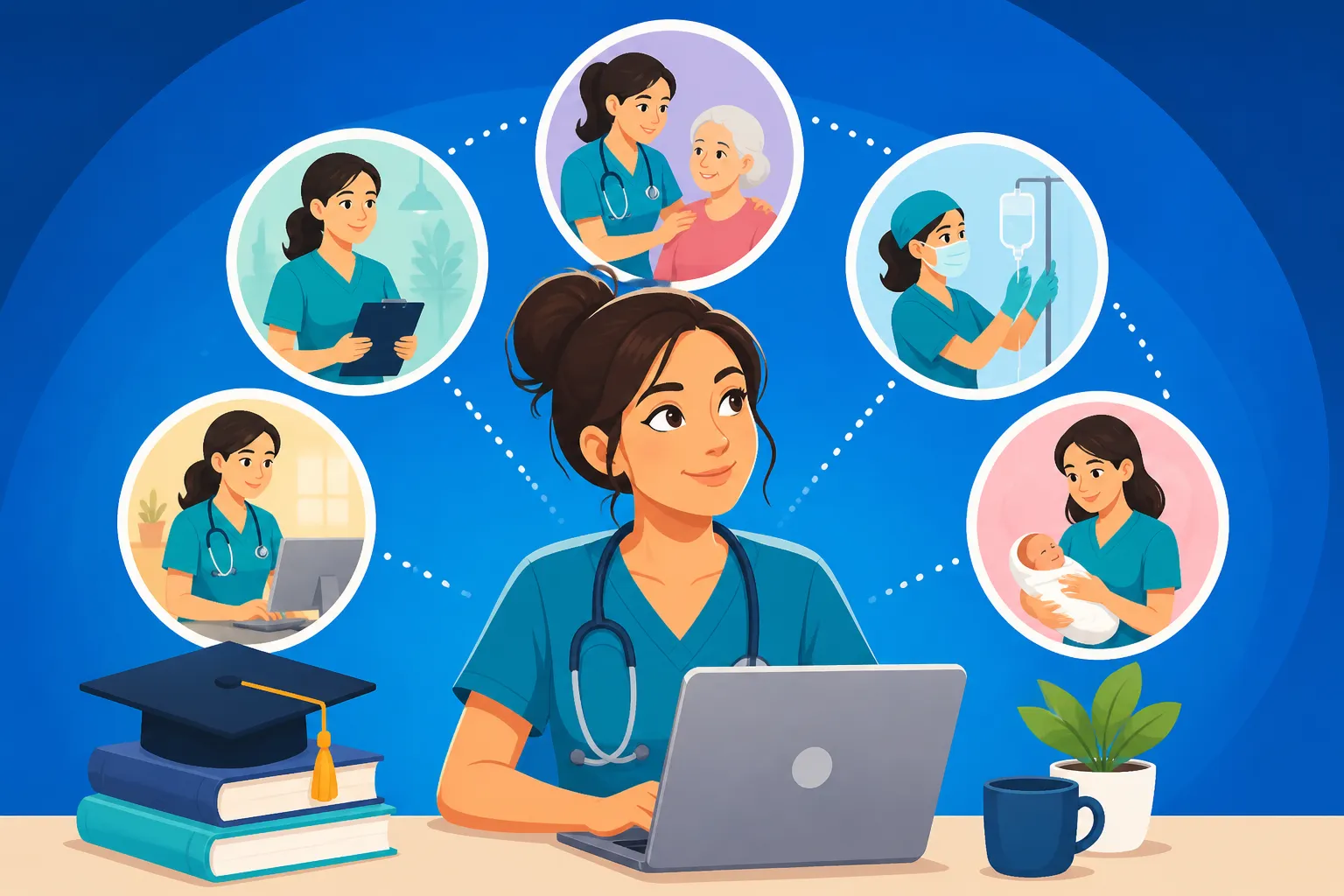
With a BSN under your belt, the world of clinical nursing opens up considerably, allowing you to specialize and take on more complex patient populations and challenging environments. The advanced education prepares you for critical thinking and leadership in ways that are essential in these demanding roles.
Acute Care Settings
Acute care is where many nurses thrive, and a BSN can significantly enhance your opportunities within these fast-paced environments. The skills gained from your BSN coursework, such as advanced assessment, critical thinking, and a deeper understanding of pathophysiology and pharmacology, are highly valued here.
- Intensive Care Unit (ICU): This is often considered the pinnacle of acute care, requiring nurses to manage critically ill patients with complex medical needs. ICU nurses utilize advanced hemodynamic monitoring, ventilator management, and administer life-sustaining medications. Your BSN education, which emphasizes critical reasoning and swift decision-making, becomes indispensable in this high-stakes environment. For more details on this demanding path, check out ICU Nurse: Role, Salary, and How to Start.
- Emergency Room (ER): ER nurses are the first line of defense for patients arriving with a wide range of acute illnesses and injuries, from minor cuts to life-threatening traumas. The ability to rapidly assess, prioritize, and initiate care for diverse patient populations is paramount. A BSN hones these skills, preparing you for the unpredictable and dynamic nature of the ER. If this excites you, delve into ER Nurse: Role, Salary, and How to Start.
- Labor and Delivery (L&D): L&D nurses provide specialized care to expectant mothers, those in labor, and new mothers, as well as their newborns. This role requires expertise in fetal monitoring, pain management, delivery assistance, and immediate postpartum care. The comprehensive nature of a BSN program ensures you have a solid foundation in women's health and neonatal care. Explore the specifics with Labor and Delivery Nurse: Role, Salary, and How to Start.
- Operating Room (OR): Often called perioperative nurses, OR nurses play a critical role before, during, and after surgical procedures. This specialty demands meticulous attention to detail, strong organizational skills, and a deep understanding of surgical asepsis and patient safety protocols. A BSN emphasizes these principles, making you a strong candidate for this specialized field. Discover more about Operating Room Nurse: Role, Salary, and How to Start.
- Telemetry/Cardiac Units: These units focus on patients with cardiac conditions, often requiring continuous heart monitoring and management of complex cardiac medications. BSN programs often include in-depth coursework on cardiovascular health, preparing nurses to expertly manage patients with conditions like heart failure, arrhythmias, and post-MI care. This role demands a high level of critical thinking for interpreting ECGs and responding to cardiac changes. If you're passionate about heart health, consider Cardiac Nurse: Role, Salary, and How to Start.
Specialized and Outpatient Care
Beyond the hustle of acute hospital units, a BSN unlocks doors to a variety of specialized and outpatient settings, offering different paces and patient interactions. These roles often require a high degree of autonomy and patient education skills, both of which are strengthened through BSN education.
- Oncology Nursing: Oncology nurses provide compassionate care to patients undergoing cancer treatment, managing symptoms, administering chemotherapy, and offering vital emotional support. This demanding field benefits greatly from the enhanced communication and critical thinking skills fostered by a BSN. If you feel called to this area, read about Oncology Nurse: Role, Salary, and How to Start.
- Pediatric Nursing: Caring for children, from infants to adolescents, requires a unique blend of clinical expertise, patience, and the ability to communicate effectively with both young patients and their worried parents. Pediatric nurses work in various settings, including hospitals, clinics, and schools. A BSN ensures a strong foundation in developmental stages and family-centered care. Learn more at Pediatric Nurse: Role, Salary, and How to Start.
- Psychiatric-Mental Health Nursing: These nurses provide care for individuals experiencing mental health disorders in diverse settings like inpatient psychiatric units, outpatient clinics, and community mental health centers. The BSN curriculum provides a robust understanding of mental health concepts, therapeutic communication, and crisis intervention. If you're interested in this crucial field, explore Psychiatric Nurse: Role, Salary, and How to Start.
- Home Health and Hospice: These nurses provide care in patients' homes, often working independently to manage chronic conditions, provide wound care, administer medications, and offer palliative or end-of-life support. The autonomy and comprehensive assessment skills cultivated through a BSN are particularly valuable here. For those interested in this comforting and essential work, check out Hospice Nurse: Role, Salary, and How to Start.
- Clinic and Ambulatory Care: These roles typically involve managing a caseload of patients in an outpatient setting, such as a doctor's office, specialty clinic (e.g., dermatology, cardiology), or urgent care center. Responsibilities often include patient education, administering vaccinations, assisting with minor procedures, and coordinating care. While often less intense than acute care, these roles still require strong assessment and critical thinking to manage diverse patient needs and provide comprehensive care in a shorter time frame. A BSN prepares nurses to be effective communicators and educators, crucial for promoting health and preventing readmissions in these settings.
Expanding Beyond the Bedside: Non-Clinical BSN Opportunities
While many nurses love direct patient care, a BSN also opens doors to a wealth of roles that don't involve traditional bedside nursing but are equally vital to the healthcare system. These positions often leverage the leadership, educational, and analytical skills emphasized in BSN programs.
Leadership and Management
For nurses with a BSN, taking on leadership roles often becomes a natural progression. These positions require not only clinical acumen but also strong communication, organizational, and problem-solving abilities.
- Charge Nurse: This role is often the first step into nursing leadership. Charge nurses oversee a specific unit or shift, manage patient assignments, coordinate admissions and discharges, and act as a resource for other nurses. They're critical in ensuring smooth operations and often serve as the immediate point of contact for physicians and other departments. The enhanced leadership training in BSN programs prepares nurses for this level of responsibility, where rapid decision-making under pressure is a daily occurrence.
- Nurse Manager/Supervisor: Stepping up to a nurse manager or supervisor position involves broader administrative responsibilities. These roles typically include staff scheduling, performance reviews, budgeting for their unit, quality improvement initiatives, and ensuring compliance with healthcare regulations. A BSN provides the foundational knowledge in management principles and healthcare systems that are essential for success in these demanding roles, helping to shape the clinical environment and patient care policies.
Education and Training
If you have a passion for teaching and mentoring, a BSN can be your gateway into nursing education, helping to shape the next generation of healthcare professionals.
- Staff Educator: In this role, BSN-prepared nurses are responsible for developing and delivering educational programs for hospital staff. This could involve onboarding new nurses, providing continuing education on new policies or equipment, or validating clinical competencies. They are instrumental in maintaining a highly skilled and knowledgeable nursing workforce within a healthcare facility.
- Clinical Instructor: Many BSN-prepared nurses find immense satisfaction in becoming clinical instructors for nursing schools. They supervise nursing students in hospital or clinic settings, guiding them through patient care experiences, helping them develop practical skills, and translating theoretical knowledge into real-world application. This role requires a strong clinical background combined with excellent teaching and mentorship abilities.
Community and Public Health
A BSN truly shines in community and public health roles, where the focus shifts from individual patient care to promoting health and preventing disease within populations. The public health component of a BSN program is specifically designed for these careers.
- School Nurse: School nurses are vital members of the educational system, providing direct care to students, managing chronic conditions, administering medications, conducting health screenings, and promoting overall wellness within the school community. They often act as a critical link between students, families, and healthcare providers. Find out more about the specific responsibilities of a School Nurse: Role, Salary, and How to Start.
- Public Health Nurse: Working for local health departments or community organizations, public health nurses focus on preventing illness and promoting health for entire communities. This can involve running immunization clinics, educating groups on disease prevention, tracking outbreaks, or working on health policy initiatives. The population-focused care and epidemiological concepts taught in BSN programs are directly applicable here. Delve into the details of a Public Health Nurse: Role, Salary, and How to Start.
- Occupational Health Nurse: These nurses work in various industries, from manufacturing plants to corporate offices, focusing on workplace safety, health promotion, and injury prevention for employees. They conduct health screenings, manage occupational injuries, and ensure compliance with health and safety regulations, creating a healthier and safer work environment.
Informatics and Technology
For nurses who have a knack for technology and data, nursing informatics offers a fascinating pathway. These roles are critical for optimizing healthcare delivery through information systems.
- Nursing Informatics Specialist: This specialty bridges the gap between clinical nursing practice and information technology. Informatics nurses work to design, implement, and optimize electronic health records (EHRs) and other healthcare information systems to improve patient care, workflow efficiency, and data management. Their clinical background is invaluable in ensuring that technology truly serves the needs of nurses and patients.
- Electronic Health Record (EHR) Specialist: These professionals focus specifically on the functionality and user experience of EHR systems. They train staff, troubleshoot issues, customize systems to meet specific clinical needs, and ensure data integrity. A BSN provides the clinical context necessary to understand how changes in the EHR impact patient care and nursing workflow. As you develop your critical thinking skills through your BSN coursework, you'll begin to see how comprehensive practice questions, much like those found on platforms like Uworld, prepare you for understanding complex scenarios, including those related to technology and patient information flow.
Advanced Pathways and Further Education
The BSN is often just the beginning of a nurse's educational journey. It serves as the essential stepping stone for pursuing advanced degrees, which unlock even more specialized and leadership-oriented roles.
Stepping Stones to Advanced Practice
One of the most significant advantages of earning your BSN is that it's a prerequisite for most Master of Science in Nursing (MSN) and Doctor of Nursing Practice (DNP) programs. These advanced degrees lead to highly autonomous and impactful roles. A BSN provides you with the foundational knowledge and critical thinking skills needed to excel in graduate-level studies. Understanding How RN to BSN Prepares You for Grad School can illuminate this pathway.
- Nurse Practitioner (NP): NPs are advanced practice registered nurses who can diagnose illnesses, prescribe medications, and manage patient care, often with a high degree of independence. Specializations include Family Nurse Practitioner (FNP), Psychiatric Mental Health Nurse Practitioner (PMHNP), Adult-Gerontology Nurse Practitioner (AGNP), and Pediatric Nurse Practitioner (PNP), among others. This is a highly in-demand and rewarding career path. If you're considering this, dive into How to Become a Nurse Practitioner. Many BSN graduates opt for an RN to BSN to MSN Bridge Explained program to streamline their journey.
- Clinical Nurse Specialist (CNS): CNSs are expert clinicians in a specific area of practice (e.g., critical care, oncology, pediatrics) who focus on improving patient outcomes, staff education, and system-wide changes. They act as leaders in evidence-based practice and patient advocacy.
- Certified Registered Nurse Anesthetist (CRNA): CRNAs administer anesthesia and related care across a wide range of surgical, obstetrical, and trauma cases. This is one of the highest-paying and most specialized nursing roles, requiring extensive education and clinical experience. Discover the detailed path with How to Become a CRNA Step by Step.
- Certified Nurse-Midwife (CNM): CNMs provide comprehensive women's healthcare, including gynecological services, family planning, prenatal care, labor and delivery, and postpartum care. They emphasize a holistic, patient-centered approach to childbirth.
Other Specialized Roles
Beyond traditional advanced practice, a BSN can lead to unique and exciting specialized careers that leverage your nursing expertise in different ways.
- Travel Nurse: For those with an adventurous spirit and a desire for flexibility, travel nursing offers opportunities to work in various locations across the country, often with higher compensation. While not strictly requiring a BSN, many agencies and desirable assignments prefer or mandate it. Travel nurses need to be highly adaptable and competent, often stepping into new environments with minimal onboarding. Learn more about Travel Nurse: Role, Salary, and How to Start.
- Legal Nurse Consultant: Legal nurse consultants apply their nursing knowledge to legal cases, reviewing medical records, identifying deviations from standards of care, and providing expert opinions for attorneys and legal firms. This role requires a keen analytical mind and a deep understanding of healthcare processes and terminology.
- Forensic Nurse: Forensic nurses provide specialized care to victims of violence, abuse, and trauma, collecting evidence, documenting injuries, and offering support within the legal system. They often work in emergency departments, medical examiners' offices, or dedicated forensic units. Their role is crucial in both healing patients and aiding criminal investigations. For more on this impactful career, consider Forensic Nurse: Role, Salary, and How to Start. As you prepare for advanced roles or certifications, remember that your BSN education builds a robust foundation. Many nurses preparing for specialty certifications, like those for forensic nursing or critical care, often use comprehensive review tools like Uworld to solidify their knowledge and test-taking strategies.
Here's a quick overview of some common BSN-level nursing roles, their typical settings, and key responsibilities:
| Job Title | Typical Setting(s) | Key Responsibilities |
|---|---|---|
| Staff Nurse (Acute Care) | Hospitals (Med-Surg, Telemetry, ICU, ER, L&D, OR) | Direct patient care, medication administration, advanced assessments, care plan implementation, interdisciplinary collaboration, patient/family education. |
| Charge Nurse | Hospital Units | Unit oversight, patient assignments, staff support, problem-solving, liaison between staff and management, managing admissions/discharges. |
| Case Manager / Care Coordinator | Hospitals, Insurance Companies, Home Health Agencies | Assessing patient needs, developing care plans, coordinating services, advocating for patients, ensuring smooth transitions of care, discharge planning. |
| School Nurse | Public & Private Schools | Health screenings, emergency care, medication administration, managing chronic conditions, health education, liaison between home and school. |
| Public Health Nurse | Health Departments, Community Clinics | Community health assessments, disease surveillance, health education programs, immunization clinics, outreach to underserved populations. |
| Home Health Nurse | Patient Homes | Comprehensive in-home assessments, medication management, wound care, patient/family education, coordination of care with physicians and therapists. |
| Nurse Educator | Hospitals, Nursing Schools | Developing and delivering educational programs, competency validation, new hire orientation, clinical instruction for students. |
| Nurse Informaticist | Hospitals, Healthcare IT Companies | Optimizing EHRs, analyzing data, improving workflow with technology, training staff on new systems, ensuring patient data integrity. |
| Occupational Health Nurse | Corporate Settings, Manufacturing Plants | Workplace safety, injury prevention, health screenings, managing work-related injuries/illnesses, ensuring regulatory compliance. |
| Travel Nurse | Various Hospitals (short-term contracts) | Adapting quickly to new environments, providing direct patient care, functioning independently, maintaining high clinical standards across diverse settings. |
Disclaimer
Please remember that while this guide provides extensive information, nursing careers and educational requirements can vary by state, institution, and individual circumstances. Always verify specific requirements with your desired educational programs and licensing boards.