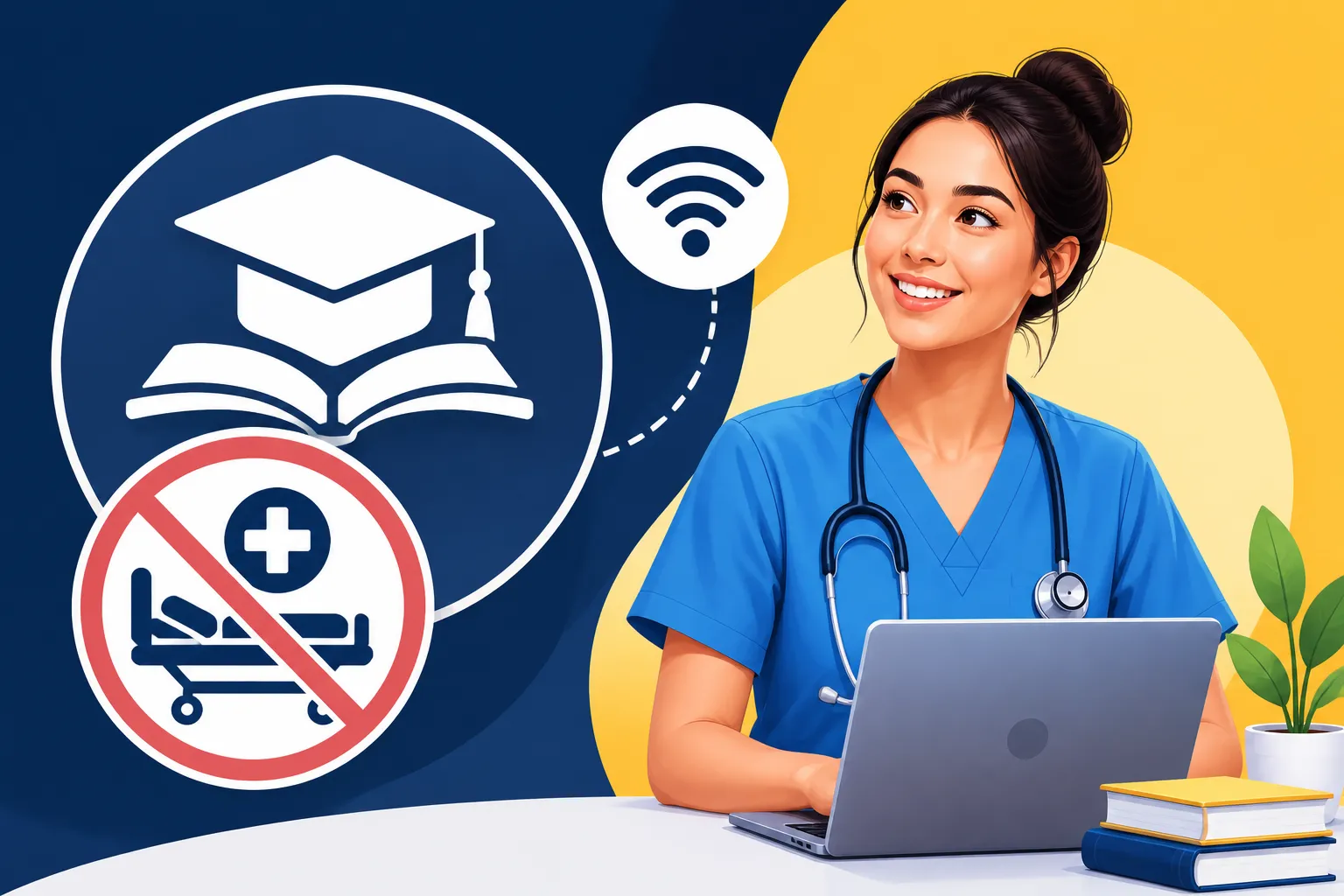
Best RN to BSN with No Clinicals
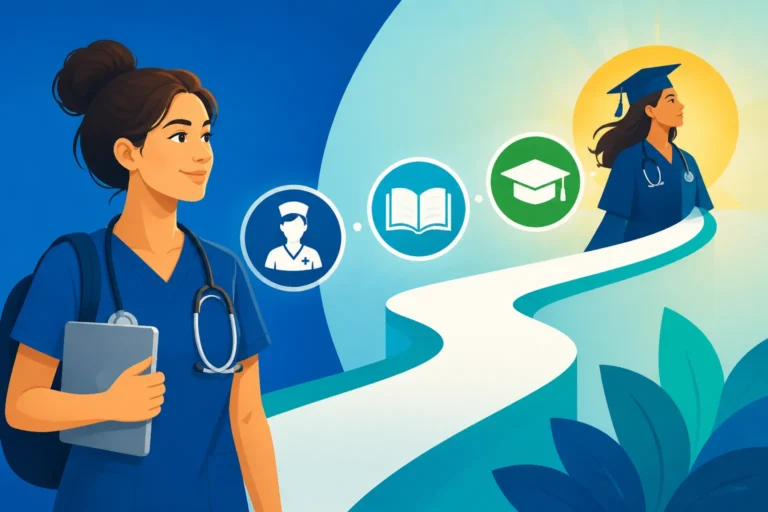
It’s a common frustration for many seasoned Registered Nurses: you’ve been working on the front lines, providing incredible care, sometimes for years, and now you’re told a BSN is the next step for career advancement, Magnet status requirements, or even just to keep your current position. The thought of adding more clinical hours to your already demanding schedule, juggling shifts, and family life, can feel like an impossible hurdle. This guide is here to shed light on how you can achieve your Bachelor of Science in Nursing without the added burden of traditional clinical rotations, making your BSN journey smoother and more achievable.
Understanding "No Clinicals" RN to BSN Programs
Let’s get one thing straight from the start: when we talk about "no clinicals" RN to BSN programs, we're typically referring to programs that do not require additional direct patient care clinical hours in a hospital or acute care setting. This distinction is crucial because a BSN curriculum still requires a practice component. The beauty of these programs for current RNs is that your existing licensure and professional experience often fulfill the vast majority, if not all, of those traditional clinical requirements.
What "No Clinicals" Actually Means for RNs
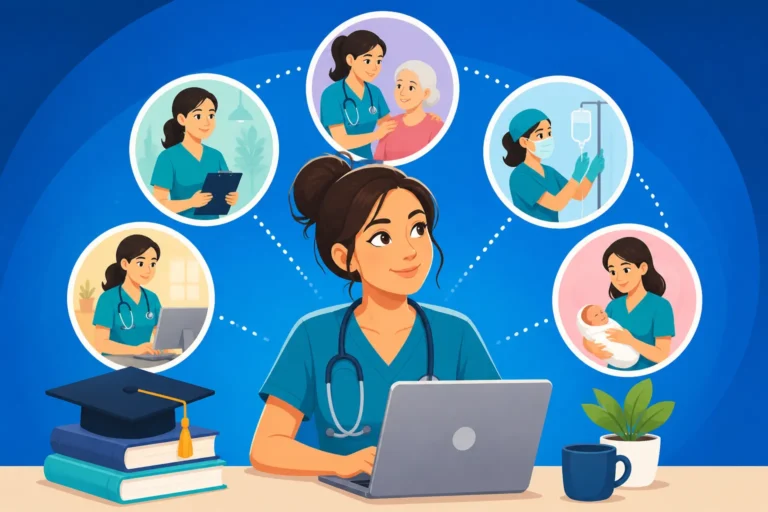
For a working RN, your Associate's Degree in Nursing (ADN) or nursing diploma program already provided you with extensive hands-on clinical experience, which was vital for obtaining your RN license and passing the NCLEX. When you enroll in an RN to BSN program, the curriculum focuses on expanding your theoretical knowledge, critical thinking, leadership skills, research, community health, and evidence-based practice. Most of the practical application is considered to have been met by your prior nursing education and ongoing professional experience.
Instead of traditional clinicals, these programs often incorporate community health projects, leadership practicums, or capstone projects that are less about direct patient care in a hospital and more about applying nursing theory to broader health issues, population health, or specific organizational challenges. You might find yourself working on a public health initiative, developing a patient education program, or analyzing healthcare data within your current workplace, all while gaining valuable experience without the logistical nightmare of finding a preceptor and dedicating specific, additional clinical hours. Many nurses, in fact, are already doing this type of work as part of their regular job responsibilities, making it a natural fit for their BSN studies.
Why Your RN Experience Counts
The entire premise of an RN to BSN program is built upon the foundation of your existing RN license and clinical competence. These programs recognize the immense value of your practical experience. You’re not a brand-new nursing student learning how to give an injection for the first time; you're a seasoned professional who has been caring for patients, making critical decisions, and navigating complex healthcare systems.
Because of this, many universities structure their RN to BSN programs specifically for working nurses. They understand that you’ve already demonstrated clinical proficiency. The focus shifts to advanced nursing concepts, leadership, and public health rather than re-doing what you've already mastered. Your RN license essentially acts as a testament to your foundational clinical skills, allowing the BSN curriculum to build upon that. This is a significant advantage, particularly for nurses who have been in the field for several years and have a wealth of practical knowledge to draw upon. The experience you've gained, whether in an intensive care unit in Chicago or a bustling emergency room in Los Angeles, is invaluable and forms the bedrock of your BSN studies.
Benefits and Considerations for No Clinicals Programs
Choosing an RN to BSN program that doesn't require extra clinical hours can be a game-changer for many nurses. It offers immense flexibility, but it's also important to understand what you're signing up for. This pathway isn't just about avoiding a specific type of coursework; it's about leveraging your professional background to streamline your educational advancement.
The Perks: Flexibility, Speed, and Less Logistical Headache
One of the biggest advantages of an No-Clinical RN to BSN Programs is the sheer flexibility it offers. For nurses already working full-time, the idea of adding more hours to their schedule, especially uncompensated clinicals, can be daunting. These programs eliminate that particular stressor. You don't have to scramble to find a preceptor who will take you on for unpaid hours, nor do you need to coordinate your shifts with a new clinical rotation schedule. This often translates into a faster completion time. Many nurses find they can complete their 1-Year RN to BSN Programs or even 6-Month RN to BSN Programs because they can dedicate more time to coursework rather than scheduling and attending additional clinicals.
Another significant benefit is the reduction in logistical headaches. Traditional clinicals require travel, specific uniforms, meeting various health and safety clearances, and navigating new hospital systems. By eliminating these, you can focus purely on your academic studies. This model is particularly appealing for nurses juggling family responsibilities, those living in rural areas with limited clinical site options, or those working demanding schedules that make additional fixed commitments nearly impossible. It essentially makes pursuing a BSN a much more accessible goal for the vast majority of working RNs.
What to Expect: Projects, Practicums, and Community Engagement
While "no clinicals" means no traditional clinical hours, it doesn't mean "no practical application." BSN programs, by their nature, are designed to broaden your nursing perspective beyond direct bedside care to include leadership, public health, and evidence-based practice. Instead of direct patient care hours, you'll typically engage in projects and practicums that fulfill the BSN curriculum's objectives in a different way.
These often include:
- Community Health Projects: You might work on a project identifying a health need in your local community, developing an intervention, or evaluating existing public health programs. For instance, you could design a diabetes education workshop for a local senior center or research vaccination rates in your county.
- Leadership/Management Practicums: Some programs require a project where you analyze a leadership challenge in your current workplace or propose solutions for improving patient outcomes or staff efficiency. This could involve interviewing nurse managers, reviewing hospital policies, or presenting a quality improvement proposal.
- Capstone Projects: These are comprehensive projects that allow you to synthesize all the knowledge gained throughout your BSN program. A capstone might involve extensive research on a clinical issue, developing an evidence-based practice guideline, or creating an educational module for staff or patients.
These components are designed to be flexible and often integrate with your current professional role, allowing you to apply theoretical knowledge to real-world scenarios you encounter as a practicing RN. This practical experience, though different from traditional clinicals, is invaluable for developing the higher-level thinking and broader impact expected of a BSN-prepared nurse.
Choosing the Right No Clinicals RN to BSN Program
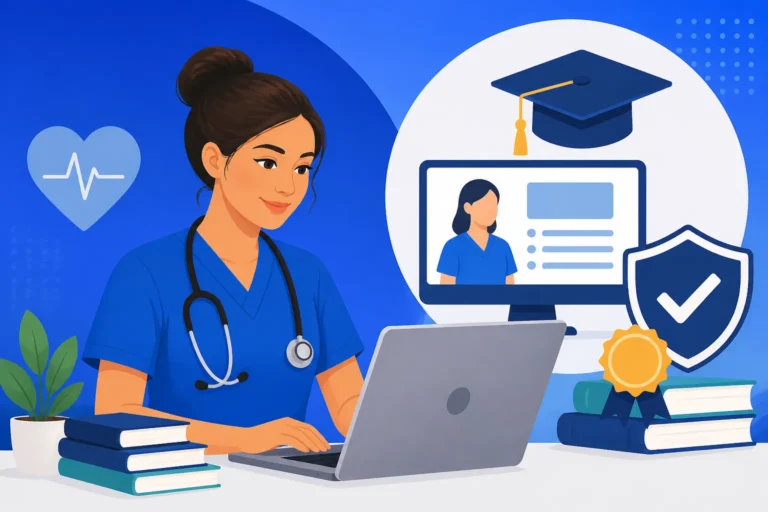
Finding the perfect RN to BSN program without traditional clinicals involves a bit of homework. It's not just about skipping clinical hours; it's about ensuring the program aligns with your career goals, learning style, and life circumstances. Many online programs cater specifically to this need, offering incredible flexibility for busy working nurses.
Accreditation Matters Most
Before you even look at "no clinicals" policies, the absolute non-negotiable factor is accreditation. You must choose an Accredited Online RN to BSN Programs to ensure your degree is recognized by employers, licensing boards, and for future graduate studies. In nursing education, the two primary accrediting bodies are the Accreditation Commission for Education in Nursing (ACEN) and the Commission on Collegiate Nursing Education (CCNE).
Choosing a program from a reputable, accredited institution ensures that the curriculum meets rigorous quality standards. It confirms that the program prepares you for advanced practice, leadership roles, and potentially further education, like an MSN or DNP. Without proper accreditation, your degree might not be recognized, making it difficult to advance your career or pursue higher degrees. This is why understanding Why RN to BSN Accreditation Matters is so critical. Always verify the program's accreditation status directly on the ACEN or CCNE website, not just on the school's promotional materials.
Curriculum and Learning Experience
Even without traditional clinicals, the curriculum of an RN to BSN program should be robust and designed to elevate your nursing practice. Look closely at the course offerings beyond the foundational credits. Do they cover areas like:
- Community and Public Health Nursing: How does the program prepare you to understand population health, health disparities, and community interventions?
- Nursing Leadership and Management: Are there courses that delve into organizational structures, ethical decision-making, and fostering healthy work environments?
- Nursing Research and Evidence-Based Practice: Does the program equip you with the skills to critically evaluate research and integrate the latest evidence into your practice?
- Health Policy and Advocacy: Will you learn about the legislative processes that impact healthcare and how nurses can advocate for change?
Consider the learning format too. Many online programs offer asynchronous learning, allowing you to complete coursework on your own schedule, which is ideal for working nurses. Others might have synchronous components, like live online sessions. Evaluate if the program's RN to BSN Curriculum Overview aligns with how you learn best and what you hope to gain from the degree. Look for programs that integrate real-world scenarios and opportunities to apply your knowledge to current practice challenges. For instance, some programs might use case studies that reflect complex patient situations you might face, encouraging you to develop critical thinking skills relevant to your day-to-day work.
Cost, Flexibility, and Support
Let’s be real, going back to school while working is a significant investment of both time and money. It's essential to carefully evaluate the financial aspect, the program's flexibility, and the support services available.
- Cost: While an RN to BSN is generally less expensive than a traditional four-year BSN, costs can vary significantly. Look for programs with transparent pricing, understanding the RN to BSN Cost Breakdown by Credit and any additional fees. Some universities, like Western Governors University (WGU) or Capella University, offer competency-based models which can be more affordable and faster if you're a self-motivated learner, potentially saving you money by allowing you to accelerate. Don’t forget to explore financial aid options and see if your employer offers Employer Tuition Assistance for BSN.
- Flexibility: Online programs are designed for flexibility, but some are more accommodating than others. Look for RN to BSN for Working Nurses programs that offer multiple start dates throughout the year, asynchronous coursework, and a reasonable course load. The goal is to successfully How to Balance Work and RN to BSN without burning out.
- Student Support: Even highly independent online learners need support. What kind of academic advising is available? Are there technical support teams for online platforms? Do they offer career services or NCLEX preparation resources? While Uworld is a fantastic external tool for NCLEX prep, having access to resources from your institution can be a big plus. Strong student support can make a huge difference in your success, especially when navigating a new academic environment after being out of school for a while.
When you're comparing programs, it’s not just about the upfront price tag. Consider the total value: how quickly can you finish? What kind of career advantages will it give you? Will it genuinely enhance your skills, making the investment worthwhile? These are the questions that define whether an Is an RN to BSN Worth It for you.
Exploring Online RN to BSN Programs with No Clinical Hours
With the increasing demand for BSN-prepared nurses, many institutions have stepped up to offer excellent online RN to BSN programs that understand the needs of working professionals. These programs often structure their curriculum to allow nurses to complete their degree without additional direct patient care clinicals.
Common Program Models for Clinical Equivalency
While specific program structures vary by institution, here are some common ways that online RN to BSN programs address the clinical component without requiring new patient-facing hours:
- Portfolio or Experiential Learning Credit: Some programs allow you to submit a portfolio demonstrating your current nursing skills and experience. Your current RN license, work history, and prior ADN coursework are often enough to satisfy the clinical equivalency. This is a great way to get credit for the expertise you already possess.
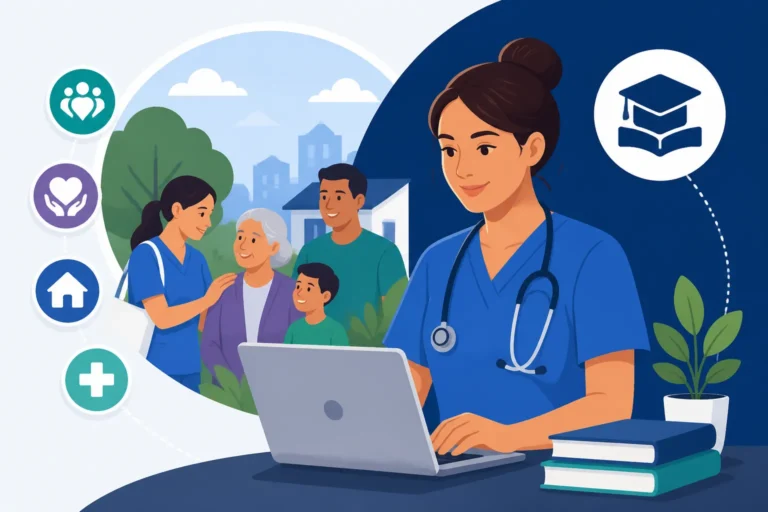
- Community or Public Health Projects: As mentioned earlier, many programs integrate projects that focus on community assessment, health promotion, or disease prevention. These might involve working with local health departments, schools, or community organizations, often completed remotely or within your existing community. You might design a health screening event or develop educational materials, which are incredibly valuable experiences.
- Leadership/Management Capstones: Instead of clinicals, some programs require a capstone project centered on nursing leadership, quality improvement, or evidence-based practice within a healthcare setting. This might involve an in-depth analysis of a problem in your current workplace and proposing a solution, often culminating in a written paper or presentation.
- Virtual Simulations and Case Studies: A few programs might incorporate virtual simulations or extensive case studies to apply theoretical knowledge to complex patient scenarios. While not hands-on in the traditional sense, these tools provide a safe environment to practice decision-making and critical thinking.
The key takeaway is that these "clinical" components are generally designed to be flexible, allowing you to integrate them into your busy life, often without needing to be physically present in a new clinical setting or coordinate with a new preceptor.
Examples of Institutions Known for Flexible Programs
Many reputable universities understand the demands on working nurses and have designed their online RN to BSN programs to be highly flexible, often with no additional traditional clinical hours. While specific program details can change, these are some types of institutions often cited for their accommodating structures:
- Western Governors University (WGU): Known for its competency-based model, WGU’s RN to BSN program allows nurses to progress through courses at their own pace. The program is designed for working nurses and typically does not require traditional clinical hours, focusing instead on community health and leadership projects that can often be integrated into your existing work or community. Many nurses find the self-paced structure incredibly beneficial for juggling work and studies.
- Capella University: Another institution with a strong online presence, Capella offers a FlexPath option for its RN to BSN, which is also competency-based. This allows you to set your own deadlines and move through material as quickly as you master it, without needing to worry about additional direct clinicals. Their focus is on applying advanced nursing concepts to real-world scenarios through projects.
- University of Phoenix: This university has long been a pioneer in online education, and their RN to BSN program is specifically designed for practicing nurses. It's structured to build on your existing RN knowledge and usually doesn't involve new clinical rotations, instead focusing on projects and assignments that reflect real-world nursing challenges.
- Grand Canyon University (GCU): GCU offers an online RN to BSN program that often appeals to working nurses because it recognizes prior experience. The program emphasizes areas like population health, leadership, and nursing theory, with practical components typically met through professional projects rather than new clinical placements.
When considering these or any other programs, always check the most current program requirements directly with the university. Policies can evolve, so a quick call or email to an admissions counselor to confirm their "no clinicals" policy and how they handle the practice component is always a good idea. Remember, the goal is to enhance your nursing knowledge and career prospects, and these flexible programs often provide the perfect pathway. You'll still need to study hard, perhaps using resources like Uworld to reinforce your understanding of complex nursing concepts, but the logistical hurdles of clinicals will be off your plate.
| Program Type Feature | Traditional RN to BSN Clinicals | "No Clinicals" RN to BSN Programs |
|---|---|---|
| Direct Patient Care Hours | Required, usually 60-120 hours in varied settings | Generally NOT required (your RN experience counts) |
| Focus of Practice Hours | Expanding hands-on skills in new specialties/settings | Leadership, community health, evidence-based practice projects |
| Preceptor Requirement | Often required for new clinical placements | Seldom required for new clinical placements; may need project mentor |
| Scheduling Flexibility | Limited; dependent on facility and preceptor availability | High; projects often self-scheduled or integrated with work |
| Common Activities | Clinical rotations in pediatrics, community health, leadership | Population health assessments, policy analysis, quality improvement |
| Typical Time Commitment | Fixed hours, often during work week | Flexible, project-based, can work around existing job schedule |
| Primary Beneficiary | Nurses needing new direct patient care experience | Working RNs leveraging existing clinical competence |
Maximizing Your Online RN to BSN Journey
Once you've decided on an online RN to BSN program with no additional clinicals, your focus shifts to making the most of this educational opportunity. It's a different learning environment than traditional classroom settings, and embracing its unique aspects can lead to greater success. This is your chance to really deepen your understanding of nursing theory and how it applies to the broader healthcare landscape.
Leveraging Online Resources and Self-Discipline
Online learning, while flexible, demands a high degree of self-discipline and effective time management. You won't have a professor physically reminding you of due dates or class attendance. It's all on you! This means creating a dedicated study schedule, setting personal deadlines, and sticking to them. Many successful online students treat their study time like an appointment they can't miss.
Make full use of all the online resources your program offers: virtual libraries, academic support services, discussion boards, and online tutoring. Don’t hesitate to reach out to professors via email or virtual office hours if you have questions. Remember, even though you’re not in a physical classroom, you’re still part of a learning community. Engaging with classmates on discussion forums can provide valuable perspectives and support. Furthermore, consider using supplemental study tools. Many nurses find platforms like Uworld incredibly helpful, not just for NCLEX preparation after graduation, but also as a way to reinforce challenging concepts throughout their BSN coursework. Their detailed rationales can clarify complex physiological or pharmacological principles that you might encounter in your advanced theory classes.
Integrating Learning with Your Professional Practice
One of the most powerful advantages of an RN to BSN program, especially one tailored for working nurses, is the ability to directly apply what you learn to your current professional role. When you're studying advanced pharmacology, consider how those drugs are impacting the patients you care for daily. As you delve into nursing leadership, think about the dynamics on your unit and how different leadership styles affect patient outcomes and staff morale.
Many of the projects or practicums in "no clinicals" programs are designed for you to integrate your workplace experiences. This means your current job can become a living laboratory for your studies. For instance, if you're taking a community health course, you might choose to analyze a public health issue prevalent in the community your hospital serves for a project. This synergistic approach not only makes your learning more relevant and engaging but also allows you to bring valuable insights from your education directly back to your patients and colleagues. This integration is a hallmark of RN to BSN Completion Timeline and What You Learn in an RN to BSN Program.
Disclaimer
The information provided in this article is intended for general informational purposes only and does not constitute professional advice. While we strive to provide accurate and up-to-date content, nursing program requirements, accreditation standards, and financial aid options can change frequently. Always verify specific details with the prospective educational institution directly. Individual results and experiences may vary.