Grand Canyon University Accelerated BSN Program Overview
Embarking on a career change or looking to fast-track your nursing journey can feel like navigating a complex maze, especially when you're already juggling life's demands. Many aspiring nurses with previous college experience often wonder if there's a way to earn their Bachelor of Science in Nursing (BSN) without starting from scratch, and without spending four more years in school. This comprehensive guide will walk you through the Grand Canyon University (GCU) Accelerated BSN program, detailing its structure, what you'll learn, admission specifics, and why it might be the perfect fit for dedicated individuals like you looking to make a swift and impactful transition into professional nursing.
Understanding the Grand Canyon University Accelerated BSN Program
Let's face it, going back to school for a second degree, especially in a demanding field like nursing, can seem daunting. You've already put in the time for a bachelor's in another area, and the thought of starting over for another four years is often a non-starter for busy adults. This is precisely where an Accelerated BSN program, like the one offered by Grand Canyon University, shines. It's specifically designed for individuals who hold a non-nursing bachelor's degree and are ready to pivot their careers into the healthcare sector quickly and efficiently. It's a rigorous, fast-paced pathway that condenses a traditional BSN curriculum into a much shorter timeframe, typically preparing you for the NCLEX-RN exam and entry-level nursing roles in about 16 months.
Program Structure and Timeline
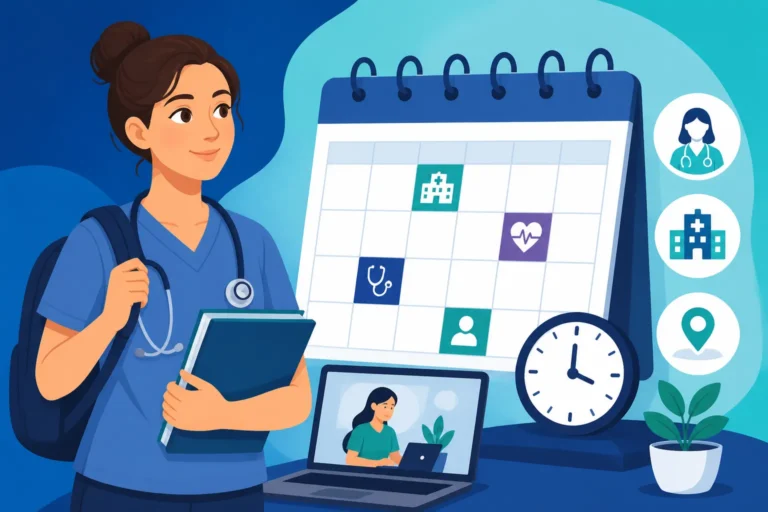
The GCU Accelerated BSN program isn't your average leisurely stroll through academia; it's a sprint! It's structured as a hybrid program, meaning you'll tackle a significant portion of your theoretical coursework online, which offers a certain level of flexibility for your studies. However, make no mistake, the hands-on clinical training, labs, and simulations are very much in-person and an absolute requirement. This blended approach allows you to engage with material at your own pace for online components while ensuring you gain critical, real-world experience.
You’ll typically find these programs running on an accelerated timeline, often completing in as little as 16 months. This speed is achieved by eliminating breaks between semesters and packing coursework densely. Expect a demanding schedule, with multiple courses running concurrently, along with intensive clinical rotations. For working adults, this means a significant commitment, but the reward is a faster path to becoming a registered nurse. Grand Canyon University often offers multiple start dates throughout the year, which can be incredibly helpful for planning your career transition, allowing you to jump in when the time is right for you. It's important to understand just how intense this pace can be; many students find that navigating an can be one of the most challenging, yet rewarding, experiences of their lives.
Key Learning Outcomes
The goal of any BSN program is to transform you into a competent, compassionate, and critical-thinking nurse, and GCU's accelerated track is no different. You won't just learn how to give injections; you'll delve deep into the science, ethics, and art of nursing care. The curriculum is meticulously crafted to ensure you gain a holistic understanding of patient care across various populations and healthcare settings.
You'll develop strong skills in critical thinking, essential for making rapid, informed decisions in fast-paced clinical environments. Leadership and management principles are woven throughout the curriculum, preparing you not just for bedside care, but also for future leadership roles within healthcare. Furthermore, there's a strong emphasis on evidence-based practice, ensuring that the care you provide is rooted in the latest research and best practices. You'll learn how to assess, diagnose, plan, implement, and evaluate patient care, all while adhering to the highest professional standards. This comprehensive approach is designed to produce BSN-prepared nurses who are ready to hit the ground running and make a meaningful difference.
Diving Deep into the Curriculum and Clinical Experience
One of the most common anxieties for prospective students, especially those new to healthcare, is wondering what exactly they'll be learning and how they'll gain the necessary hands-on experience. Rest assured, the Grand Canyon University Accelerated BSN curriculum is designed to be comprehensive, ensuring you're well-prepared for the multifaceted demands of modern nursing. It's a journey that combines rigorous academic study with invaluable practical application, mirroring the intensity and breadth of a traditional four-year program, just on a faster track.
Core Coursework
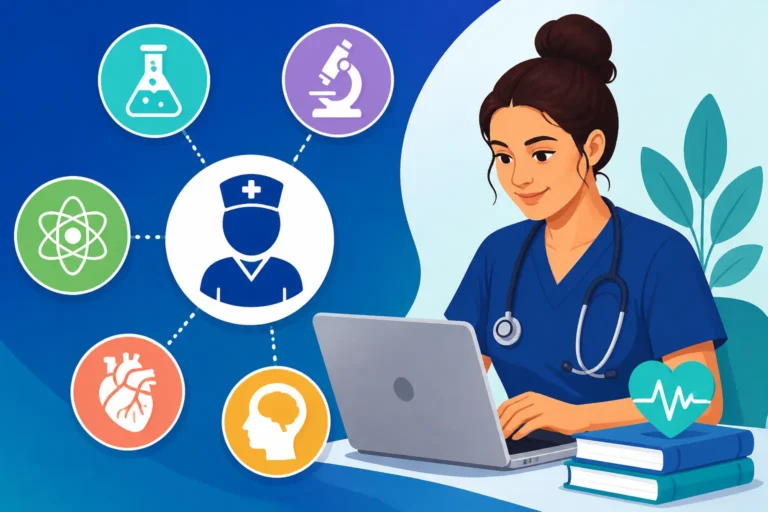
The coursework in an accelerated BSN program is incredibly focused. You won't be taking electives that aren't directly related to nursing; every class serves a specific purpose in building your foundational and advanced nursing knowledge. Expect to dive into subjects that lay the scientific groundwork for understanding human health and disease, as well as courses that develop your clinical reasoning and professional skills.
Typical core courses might include:
- Pathophysiology: This course will teach you about the mechanisms of disease, helping you understand how various illnesses affect the body at a cellular and systemic level. It's crucial for understanding why patients present with certain symptoms and how treatments work.
- Pharmacology: An absolute must for nurses, this course covers the actions, uses, side effects, and administration of various medications. You'll learn about drug classifications, dosages, and patient education, ensuring safe medication practices.
- Health Assessment: This is where you learn the crucial skills of assessing a patient's physical and mental health. From head-to-toe assessments to taking a thorough patient history, these skills form the backbone of good nursing care.
- Fundamentals of Nursing: These courses introduce you to basic nursing skills, patient safety, communication techniques, and the ethical and legal aspects of nursing practice.
- Adult Medical-Surgical Nursing: This extensive area focuses on caring for adult patients with a wide range of medical and surgical conditions, often broken down into multiple courses or modules.
- Maternal-Child Nursing: You'll learn about prenatal, labor and delivery, postpartum, and neonatal care, as well as pediatric nursing from infancy through adolescence.
- Psychiatric and Mental Health Nursing: This covers the assessment, diagnosis, and care of individuals experiencing mental health disorders, emphasizing therapeutic communication and crisis intervention.
- Community Health Nursing: This course focuses on public health principles, health promotion, disease prevention, and caring for populations outside the acute care setting. It's about understanding health trends and interventions at a broader societal level.
- Nursing Leadership and Management: Prepares you for organizational roles, team collaboration, and the complexities of healthcare systems.
These courses are dense, and you’ll need strong study habits. Many students find that supplementing their coursework with dedicated study tools is essential, especially when preparing for the NCLEX. Resources like Uworld, for example, are highly regarded for their comprehensive question banks and detailed rationales, which can be invaluable for understanding complex concepts and testing your knowledge throughout the program.
Hands-On Clinical Rotations
While online coursework provides the theoretical foundation, the heart of any nursing program lies in its clinical rotations. This is where you translate classroom knowledge into real-world patient care under the direct supervision of experienced nursing faculty and preceptors. Grand Canyon University works diligently to secure clinical placements for its students, recognizing that this is a critical component of your education.
You'll gain experience in a variety of healthcare settings, which might include:
- Hospitals: Working on medical-surgical units, critical care units, emergency departments, and specialty units like telemetry or oncology.
- Community Clinics: Participating in primary care, urgent care, or specialty clinics, focusing on health promotion and preventative care.
- Long-Term Care Facilities: Caring for elderly patients with chronic conditions, focusing on rehabilitation and quality of life.
- Specialty Areas: Potentially rotating through pediatrics, labor and delivery, or psychiatric facilities, depending on availability and program structure.
These rotations are not just about observing; you'll be actively involved in patient assessment, medication administration, wound care, patient education, and interdisciplinary team collaboration. This direct patient interaction is indispensable for developing clinical judgment and honing your communication skills. Understanding what to expect during your can help you better prepare for the intensity.
Simulation Labs and Technology
Modern nursing education places a huge emphasis on simulation labs, and GCU is no exception. These labs provide a safe, controlled environment where you can practice critical nursing skills and respond to realistic patient scenarios without any risk to actual patients. You'll use high-fidelity mannequins that can mimic various physiological responses, allowing you to practice everything from starting IVs and performing CPR to managing complex medical emergencies.
These labs are designed to build your confidence and competence before you even step foot into a clinical setting. They also allow for immediate feedback and debriefing, where you and your instructors can analyze your performance and identify areas for improvement. Embracing this technology is a fantastic way to reinforce your learning and develop crucial decision-making skills in a stress-free environment. Think of it as a dress rehearsal for the real thing, where you can make mistakes and learn from them without consequence. This integrated approach of online theory, hands-on labs, and real-world clinicals is central to how GCU prepares its students to become confident, capable nurses.
Admission Requirements and the Application Journey
The idea of going back to school, especially for an accelerated program, often brings up a lot of questions about what it really takes to get in. You're not alone if you're feeling a bit overwhelmed by the prospect of gathering transcripts and fulfilling prerequisites. Grand Canyon University's Accelerated BSN program, like many others, has specific requirements to ensure that admitted students are well-prepared for the fast-paced curriculum and can succeed. Understanding these up front can significantly streamline your application process.
Prerequisite Courses
Since the GCU ABSN program is for those with a non-nursing bachelor's degree, a key part of the admission process involves completing a specific set of prerequisite courses. These courses ensure you have the foundational science and general education knowledge necessary to handle the rigorous nursing curriculum. You might have already completed many of these during your first bachelor's degree, but it's crucial to check GCU's specific list, as requirements can vary.
Common prerequisite courses often include:
- Anatomy & Physiology I & II (with labs): These are non-negotiable. A deep understanding of the human body's structure and function is fundamental to nursing.
- Microbiology (with lab): Essential for understanding infectious diseases, sterilization, and patient safety.
- Chemistry (with lab): Provides a foundation for pharmacology and understanding bodily processes.
- Statistics: Important for understanding research, evidence-based practice, and data analysis in healthcare.
- English Composition: Strong writing and communication skills are vital for patient charting and professional interaction.
- Developmental Psychology or Lifespan Development: Helps you understand human growth and development across different age groups.
Some programs might also require nutrition, ethics, or sociology. Many students complete any missing prerequisites at a community college or through online courses before applying. It's vital to ensure these courses meet the required credit hours and are completed within a specific timeframe (often 5-10 years) before your intended program start. Checking the detailed can give you a clearer picture of what's needed.
GPA and Other Criteria
Beyond just completing the prerequisites, your academic performance in those courses is closely scrutinized. Accelerated BSN programs are competitive due to their rapid pace and high demand. Grand Canyon University will typically look for a strong GPA, often a minimum of 2.75 or 3.0 on a 4.0 scale, for both your cumulative bachelor's degree GPA and your prerequisite science courses. A higher GPA can certainly make your application more competitive.
Other important criteria often include:
- Official Transcripts: From all previously attended colleges and universities.
- Personal Statement or Essay: This is your chance to articulate your motivations for pursuing nursing, your understanding of the profession, and how your past experiences (even non-nursing ones) have prepared you.
- Letters of Recommendation: Some programs may require professional or academic references.
- Background Check and Drug Screening: Standard practice for nursing programs, necessary for clinical placements.
- Current RN License: Not applicable for second-degree ABSN programs, but for RN to BSN programs. For ABSN, an active unencumbered license is typically not required as you're becoming an RN.
- Health Requirements/Immunizations: Proof of various immunizations and health screenings is mandatory for clinical rotations.
The admissions committee wants to see that you possess the academic readiness, maturity, and commitment to handle the intensity of an program.
The Application Process
Applying to GCU's Accelerated BSN program involves several steps, and working closely with an admissions counselor can be incredibly helpful in navigating the process. They can guide you through specific requirements, answer your questions, and help ensure your application is complete.
Generally, the application process will look something like this:
- Initial Inquiry: Contact GCU to express your interest and speak with an admissions representative.
- Prerequisite Evaluation: Your transcripts will be reviewed to determine which, if any, prerequisites you still need to complete.
- Complete Online Application: Fill out the formal application, providing your personal information and academic history.
- Submit Transcripts: Arrange for official transcripts from all institutions you've attended to be sent directly to GCU.
- Submit Supporting Documents: This includes your personal statement, any required letters of recommendation, and potentially a resume outlining your work or volunteer experience.
- Interview (if required): Some competitive programs may conduct interviews to assess your communication skills, commitment, and suitability for the nursing profession.
- Background Check & Health Screenings: Once conditionally accepted, you'll complete these necessary checks for clinical eligibility.
Remember, organization and attention to detail are key throughout this process. Early application can sometimes be advantageous, especially for programs with limited spots and multiple start dates.
Financial Aid and Return on Investment for a GCU ABSN
Let's be real: pursuing an accelerated BSN, or any nursing degree, is an investment, both in time and money. It's completely natural to worry about the cost and to wonder if the return on that investment truly makes sense for your future. The good news is that nursing is a field with strong job security and excellent earning potential, and a BSN often opens doors to more opportunities and higher salaries. Understanding the financial landscape of the Grand Canyon University Accelerated BSN can help you plan effectively.
Understanding Tuition and Fees
The cost of an Accelerated BSN program can vary significantly depending on the institution, location, and program length. While GCU is a private university, they offer various financial aid options to help offset the cost. Tuition rates for accelerated programs are typically calculated per credit hour, and you'll have a substantial number of credits to complete in a short period.
Beyond tuition, you'll also need to factor in other fees such as:
- Technology fees: For access to online learning platforms and resources.
- Lab fees: To cover the costs associated with simulation labs and equipment.
- Clinical fees: Sometimes separate fees related to clinical placements.
- Books and supplies: Textbooks, uniforms, stethoscopes, and other essential equipment.
- NCLEX-RN exam fees: The cost of the licensure exam itself.
- Living expenses: If you're pausing work or relocating for the program.
While I can't provide exact real-time tuition figures here (they change, and it's always best to get the most up-to-date information directly from the university's financial aid office), generally, an ABSN program can range from $30,000 to over $70,000 for the entire program. It’s absolutely critical to contact Grand Canyon University's admissions and financial aid departments directly for the most current and personalized cost breakdown. They can give you a precise understanding of the and other expenses.
Available Financial Aid
Paying for an accelerated program can feel overwhelming, but there are numerous financial aid options available to help make it more manageable. Don't let the sticker price deter you from pursuing your dream of becoming a nurse.
- Federal Financial Aid: By completing the Free Application for Federal Student Aid (FAFSA), you can determine your eligibility for federal grants (like the Pell Grant, which doesn't need to be repaid) and federal student loans.
- Scholarships and Grants: Many organizations, including GCU itself, offer scholarships specifically for nursing students or for those pursuing a second bachelor's degree. Look into nursing associations, community organizations, and even your employer (if you're currently working in healthcare). Exploring can provide additional avenues for funding your education.
- Private Loans: If federal aid and scholarships aren't enough, private student loans are an option, but they often come with higher interest rates.
- Employer Tuition Reimbursement: Some hospitals or healthcare systems offer tuition reimbursement programs to their employees who are pursuing nursing degrees. This is a fantastic benefit if you're already working in healthcare. Learn more about .
It’s always a good idea to speak with a financial aid advisor at GCU. They can help you explore all available options and create a financial plan that works for you.
Is a GCU ABSN Worth It?
This is the million-dollar question, isn't it? After all the hard work, the intense study, and the financial investment, is an truly worth the effort? For many, the answer is a resounding yes.
Nursing is consistently ranked as one of the most trusted and in-demand professions. Earning a BSN, especially through an accelerated program, positions you for:
- Career Advancement: A BSN is increasingly preferred, and often required, by hospitals, especially those seeking Magnet status. It opens doors to specialty areas, leadership roles, and further education like graduate nursing programs.
- Increased Earning Potential: While new grad salaries are generally competitive, nurses with a BSN often command higher starting salaries and have greater long-term earning potential compared to those with an ADN. Over time, that initial investment really starts to pay off, and you can explore various paths to .
- Job Security and Demand: The healthcare field continues to grow, with a persistent demand for skilled, BSN-prepared nurses across the country. A BSN offers excellent job stability and a wide range of career options.
- Personal Fulfillment: For many, nursing is a calling. The ability to make a tangible difference in people's lives, to provide comfort, advocate for patients, and contribute to health outcomes, offers immense personal and professional satisfaction.
The accelerated pace means you enter the workforce sooner, starting your earning and career advancement earlier. While the journey through an ABSN program is challenging, the foundational knowledge and clinical expertise you gain, combined with dedicated preparation for the NCLEX-RN (using trusted resources like Uworld's comprehensive practice questions), equip you for a successful and fulfilling career. The rigorous curriculum, hands-on clinicals, and simulation experiences at GCU are designed to ensure you not only pass the NCLEX but thrive as a compassionate and competent registered nurse.
Disclaimer
The information provided in this guide regarding the Grand Canyon University Accelerated BSN program is intended for informational purposes only. Program details, admission requirements, tuition costs, and course availability can change. It is essential to contact Grand Canyon University directly for the most accurate and up-to-date information regarding their Accelerated BSN program.