Direct-Entry MSN for Non-Nurses
Direct-Entry MSN programs provide an accelerated pathway for non-nursing graduates to earn a master degree and become registered nurses.

Direct-Entry MSN programs provide an accelerated pathway for non-nursing graduates to earn a master degree and become registered nurses.

Alternative MSN pathways allow registered nurses with an associate degree to earn a master’s degree without a bachelor’s.

Registered nurses with associate degrees or diplomas can earn master’s degrees without completing separate bachelor’s programs.

Certified Registered Nurse Anesthetist education timelines, including bachelor degrees, critical care experience, and nurse anesthesia programs.

CRNA program requirements include a Bachelor of Science in Nursing degree, an unencumbered license, and doctoral prerequisites.

Certified Registered Nurse Anesthetists administer anesthesia, manage patient airways, and monitor vital signs during surgical procedures.

Certified nurse-midwives hold master or doctoral degrees to provide primary healthcare and manage labor and delivery for women.
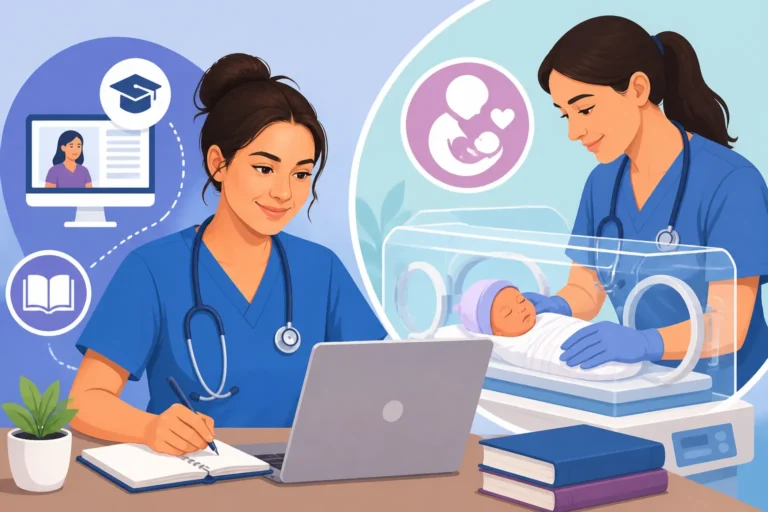
Becoming a Neonatal Nurse Practitioner requires specialized education, clinical training, and certification to treat vulnerable newborns.

Pediatric nurse practitioner training steps, primary care roles, acute care duties, and certifications for registered nurses.

Acute care nurse practitioners stabilize critical hospital patients, while primary care nurse practitioners manage long-term community wellness.