Best Online MSN Programs in Texas
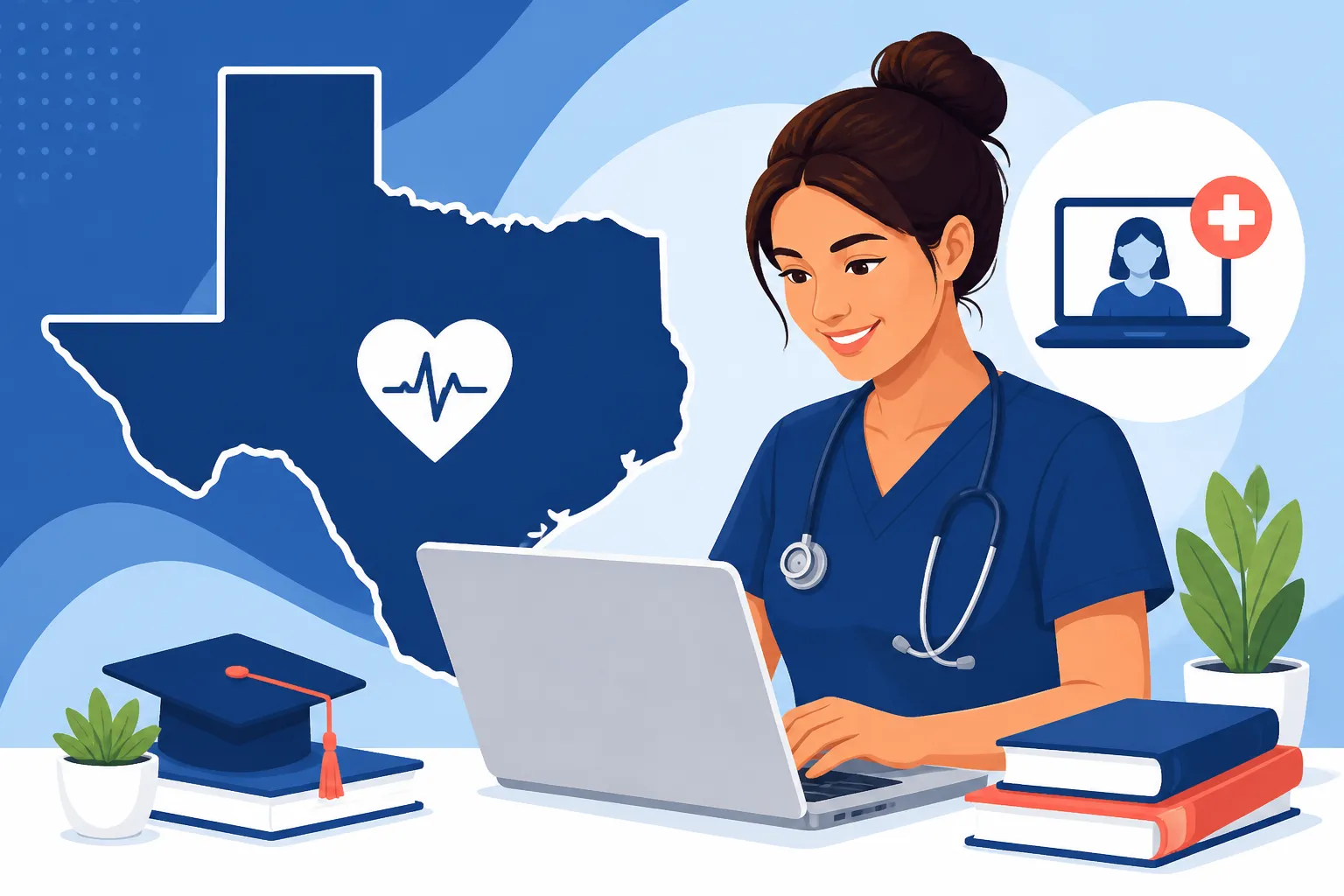
Navigating the world of advanced nursing degrees can feel like a monumental task, especially when you're a busy registered nurse in a vast state like Texas, juggling work, family, and the desire to advance your career. Finding the right online Master of Science in Nursing (MSN) program that fits your schedule, budget, and career goals is crucial, and it’s why we’re diving deep into the best online MSN programs available to nurses in the Lone Star State. This guide will help you pinpoint quality, accredited options and understand what makes them stand out.
Why Pursue an Online MSN in Texas?
Texas, being one of the largest and fastest-growing states in the nation, has an ever-increasing demand for highly educated nurses, particularly those with advanced practice specialties. An MSN degree opens doors to leadership roles, specialized clinical practice, and nurse education, making it a pivotal step for many RNs. Choosing an online program offers incredible flexibility, allowing you to continue working and manage personal commitments without uprooting your life or enduring long commutes. It means you can serve your community as an RN by day and pursue your dreams of becoming a nurse practitioner, educator, or leader by night, right from your living room in Houston, Dallas, or even a smaller town in West Texas.
The Growing Demand for Advanced Practice Nurses
The healthcare landscape is continuously evolving, with a strong push towards preventative care and expanded roles for advanced practice registered nurses (APRNs). Nurse practitioners, clinical nurse specialists, nurse educators, and nurse administrators are in high demand across Texas, from bustling urban medical centers to underserved rural communities. For instance, the Bureau of Labor Statistics projects significant growth for nurse practitioners, far exceeding the average for all occupations. This surge isn't just a trend; it's a fundamental shift in how healthcare is delivered, and an MSN positions you perfectly to be at the forefront of this change. You're not just getting a degree; you're securing a future-proof career.
Flexibility and Accessibility for Working Nurses
Let's be real: going back to school as a working adult nurse is tough. Shift work, family responsibilities, and just plain exhaustion can make traditional, in-person programs feel impossible. This is where online MSN programs shine. They are designed with the working nurse in mind, offering asynchronous coursework that you can complete on your own schedule. Many programs offer MSN programs with multiple start dates, allowing you to begin when you're ready, not just in the fall. This flexibility means you can study when your kids are asleep, on your days off, or even during a quiet lunch break. It's about bringing the classroom to you, rather than forcing you into a rigid academic schedule that simply doesn't align with the realities of nursing life. This accessibility is a game-changer for so many dedicated nurses who want to advance their education.
Top Online MSN Programs in Texas
Texas is home to many excellent universities that offer robust online MSN programs, catering to various specializations and learning styles. When looking at options, consider factors like accreditation, program specializations, and how well the curriculum aligns with your career aspirations.
University of Texas at Arlington (UTA)
The University of Texas at Arlington offers one of the most popular and comprehensive online MSN programs in Texas. Their College of Nursing and Health Innovation is highly respected, and their online offerings include specializations like Family Nurse Practitioner (FNP), Adult-Gerontology Acute Care Nurse Practitioner (AGACNP), Pediatric Primary Care Nurse Practitioner (PNP), and Nursing Administration.
What makes UTA stand out is its commitment to creating a flexible yet rigorous academic experience. Courses are delivered asynchronously, but the program maintains strong faculty interaction and support. For those aiming to become FNPs, the University of Texas Arlington RN to BSN Program Review and then MSN path is a common route, offering a seamless transition for many Texas nurses. They also provide excellent resources for students, including access to online libraries and career services. Their FNP program, for instance, focuses on preparing graduates to provide comprehensive primary care to individuals and families across the lifespan, which is incredibly valuable in a diverse state like Texas. Students often rave about the robust clinical placement support, which is often a hurdle in online programs.
Texas Tech University Health Sciences Center (TTUHSC)
Texas Tech University Health Sciences Center provides strong online MSN programs with a focus on preparing nurses for advanced practice and leadership roles, particularly in underserved areas. Their specializations often include Family Nurse Practitioner and Nursing Administration, with a notable emphasis on rural health.
TTUHSC's programs are known for their blend of theoretical knowledge and practical application, crucial for developing highly competent APRNs. They often have a strong community health component, reflecting the needs of Texas's varied population centers. The online format is designed to be accessible to nurses living across the state, ensuring that even those in more remote regions can access quality education. Students often find the faculty to be very supportive, understanding the unique challenges of online learning for working professionals. They also offer a strong foundation in pharmacology, pathophysiology, and advanced assessment, which are critical for any advanced practice role. For those wondering how much an MSN costs, TTUHSC often provides competitive tuition rates for Texas residents.
Texas Woman's University (TWU)
Texas Woman's University, known for its strong legacy in nursing education, offers several online MSN programs that cater to diverse career interests. Their specializations often include Family Nurse Practitioner, Psychiatric Mental Health Nurse Practitioner (PMHNP), and Nursing Education.
TWU's programs are celebrated for their supportive learning environment and emphasis on evidence-based practice. The online format is structured to provide both flexibility and the necessary academic rigor, ensuring graduates are well-prepared for their chosen specialty. Many students appreciate the smaller class sizes in some cohorts, which allow for more personalized attention from instructors. If you're interested in mental health, their Best Online Psychiatric Mental Health NP Programs track is highly regarded, addressing a critical need in healthcare. TWU prides itself on producing leaders who can advocate for patients and the nursing profession. They also offer a variety of resources, including robust student support services tailored for online learners.
University of Houston (UH)
The University of Houston, a prominent urban research university, is increasingly expanding its online nursing offerings. While specific MSN specializations may vary, UH often focuses on areas critical to urban and suburban healthcare needs, such as Nursing Administration and certain Nurse Practitioner tracks.
UH's online programs leverage technology to deliver engaging and interactive coursework. Students benefit from the university's extensive network of clinical partners in the Houston metropolitan area, which can be advantageous for clinical placements. Their curriculum is often geared towards preparing nurses for leadership roles within complex healthcare systems, making it an excellent choice for those looking to move into management or administrative positions. The university also offers a strong support system for distance learners, ensuring they feel connected and engaged. If you are exploring how to apply to an MSN program, UH offers clear guidelines and support throughout the process.
Key Considerations for Choosing an Online MSN Program in Texas
Choosing an online MSN program isn't just about picking the first school you see. It requires careful consideration of several factors to ensure it’s the right fit for your unique circumstances and career aspirations.
Accreditation Matters: ACEN vs. CCNE
Accreditation is paramount when selecting any nursing program, especially an online one. In nursing, the two main accrediting bodies are the Accreditation Commission for Education in Nursing (ACEN) and the Commission on Collegiate Nursing Education (CCNE). Both are recognized by the U.S. Department of Education, signifying quality and legitimacy.
Why does it matter? An accredited degree is crucial for several reasons: it ensures you’re eligible for federal financial aid, it’s a prerequisite for sitting for national certification exams (like those for Nurse Practitioners), and it’s often a requirement for state licensure and employment. Hospitals and healthcare systems overwhelmingly prefer or even demand graduates from accredited programs. Think of it this way: earning a degree from an unaccredited institution is like investing your time and money into something that might not be recognized when you need it most. Before you even look at curriculum or tuition, confirm the program's accreditation status. You can learn more about CCNE vs ACEN accreditation explained to understand the nuances.
Program Specializations and Career Goals
An MSN isn't a one-size-fits-all degree. It typically leads to specialization. Before enrolling, you need a clear idea of what you want to do with your MSN. Do you aspire to become a Family Nurse Practitioner, caring for patients across the lifespan? Perhaps a Psychiatric Mental Health Nurse Practitioner, addressing the growing mental health crisis? Or maybe you're more drawn to leadership as a Nurse Administrator or to shaping the next generation of nurses as a Nurse Educator.
Each specialization has a distinct curriculum, clinical hour requirements, and career path. For example, a Family Nurse Practitioner Salary and Job Outlook will differ significantly from that of a Nurse Educator. Researching these options thoroughly will help you choose a program that aligns perfectly with your professional aspirations. Consider where you see yourself in five or ten years, and then work backward to find the specialization that will get you there. Many programs offer advice on how to choose an NP specialty.
Clinical Requirements and Preceptor Search
Even with an online MSN program, hands-on clinical experience is a non-negotiable component for advanced practice roles. These aren't like your ADN or BSN clinicals; they're usually precepted experiences where you work closely with an experienced APRN or physician. Finding these clinical sites and preceptors is often one of the biggest challenges for online students, particularly in a large state like Texas where competition can be high.
Some universities have dedicated clinical placement coordinators who assist students, which can be an enormous relief. Others require students to find their own preceptors. Before committing to a program, ask very specific questions about their clinical placement support. What is their success rate for placing students in Texas? Do they have established partnerships with healthcare systems in your area? Do they offer resources to help you find preceptors? Don't underestimate this hurdle; it can significantly impact your program completion timeline. Reputable programs, like those offered by the University of Texas at Arlington, often boast strong clinical placement support. You might also want to look into MSN clinical hours requirements to understand the commitment.
Program Length and Course Load
Online MSN programs can vary widely in length, depending on whether you study full-time or part-time, and the specific specialization. Some accelerated options might allow you to finish in as little as 18-24 months, while part-time programs could take three to five years.
Consider your current work schedule, family commitments, and personal learning style. While finishing faster might seem appealing, an accelerated course load is intense. Many working nurses opt for part-time study to maintain a semblance of work-life balance. Realistically assess how many hours per week you can dedicate to coursework, readings, and assignments. Overloading yourself can lead to burnout and poor academic performance. It's not a race; it's an investment in your future. Be realistic about what you can handle alongside your existing responsibilities.
| University | Specializations Offered (Online) | Accreditation | Clinical Placement Support | Typical Program Length (Full-time) | Estimated Per-Credit Cost (TX Resident) |
|---|---|---|---|---|---|
| University of Texas at Arlington | FNP, AGACNP, PNP, Nursing Administration, Nursing Education | CCNE | Strong | 2-3 years | $400 – $600 |
| Texas Tech University Health Sciences Center | FNP, Nursing Administration, Nursing Education | CCNE | Moderate to Strong | 2-3 years | $400 – $600 |
| Texas Woman's University | FNP, PMHNP, Nursing Education, Nursing Leadership | CCNE | Moderate | 2-3 years | $400 – $550 |
| University of Houston | Nursing Administration, Nursing Leadership | CCNE | Moderate | 2-3 years | $400 – $600 |
Note: Costs are estimates and can vary significantly. Always check with the university for the most current tuition rates and fees.
Admission Requirements and Application Tips for Texas Online MSN Programs
Getting into an online MSN program in Texas typically involves meeting a set of specific academic and professional criteria. Understanding these requirements and preparing a strong application package can significantly improve your chances of admission.
Educational Prerequisites
Most online MSN programs in Texas require applicants to hold a Bachelor of Science in Nursing (BSN) from an accredited institution. If you're an ADN-prepared nurse looking to advance, many universities offer RN to MSN programs explained as a bridge, which allows you to earn both your BSN and MSN sequentially or even concurrently.
Beyond the BSN, you'll generally need to demonstrate a strong academic record, often with a minimum GPA, commonly in the range of 3.0 on a 4.0 scale. Some programs might accept a slightly lower GPA if you have significant professional experience or exceptional references. You may also need to complete specific undergraduate prerequisite courses, such as statistics or research methods, if you haven't already. It's always best to check the exact requirements for each program you're interested in, as they can vary.
Current RN Licensure
This might seem obvious, but it's crucial: you must hold an active, unencumbered Registered Nurse (RN) license. For programs in Texas, this typically means a Texas RN license or a multi-state compact license. This ensures you are legally qualified to practice nursing and pursue advanced education within the state.
An unencumbered license means you don't have any disciplinary actions or restrictions against your license. Nursing boards will verify this during the application process. Some programs may also require a certain number of years of clinical experience as an RN, especially for specialties like acute care or critical care. For example, some Adult-Gerontology Acute Care NP programs might prefer candidates with a few years of experience in an ICU or ER setting. This experience ensures you have a foundational understanding of complex patient care before advancing to a higher level of practice.
Crafting a Strong Application
Beyond meeting the minimum requirements, a compelling application package can make all the difference. This usually includes:
- Transcripts: Official transcripts from all post-secondary institutions you've attended.
- Resume/CV: A detailed document outlining your professional nursing experience, certifications, volunteer work, and any leadership roles. This is your chance to showcase your skills and commitment.
- Letters of Recommendation: Typically 2-3 letters from professional and/or academic sources who can speak to your clinical skills, academic potential, and leadership qualities. Choose supervisors, managers, or professors who know you well and can write genuinely strong recommendations.
- Personal Statement/Essay: This is your opportunity to tell your story. Explain why you want to pursue an MSN, why you chose a specific specialization, how your past experiences have prepared you, and what your future career goals are. Be authentic, articulate, and demonstrate your passion for nursing. It's often the place where you can really shine and differentiate yourself from other applicants. Many nurses find platforms like Uworld helpful for NCLEX prep, and the discipline learned there can be applied to crafting a focused, strong application narrative.
- GRE Scores: While many online MSN programs, especially those for working nurses, are moving away from requiring the Graduate Record Examinations (GRE), some still do. Check each program's policy carefully. If it is required, dedicate time to preparing for it.
- Interview: Some competitive programs may require an interview, either in-person or virtually. This is your chance to demonstrate your communication skills, commitment, and suitability for advanced practice.
Funding Your Online MSN in Texas
Let's face it: pursuing an MSN is a significant financial investment. However, numerous options can help make it more affordable and manageable, from scholarships to employer assistance. Don't let the sticker price deter you from your dreams; many avenues exist to help cover the costs.
Scholarships and Grants
Scholarships and grants are essentially free money that you don't have to pay back. They can come from a variety of sources:
- University-Specific Scholarships: Many nursing schools and their respective universities offer scholarships specifically for graduate nursing students. Always check with the financial aid office and the nursing department of your chosen school, such as Texas Tech University Health Sciences Center, for available opportunities.
- Professional Nursing Organizations: Organizations like the Texas Nurses Association, the American Association of Nurse Practitioners (AANP), and specialty-specific groups often provide scholarships. Joining these organizations can open doors to funding and networking.
- General Scholarship Databases: Websites like Fastweb, Scholarships.com, and Nurse.org compile extensive lists of scholarships for nursing students. It takes time to search and apply, but the effort can pay off handsomely.
- Federal and State Grants: While less common for graduate studies compared to undergraduate, some federal or state grants might be available, especially for those who commit to working in underserved areas after graduation.
Employer Tuition Reimbursement
Many hospitals and healthcare systems recognize the value of an educated nursing workforce and offer tuition reimbursement programs for their employees. This is a fantastic benefit that can significantly reduce your out-of-pocket costs.
Typically, employers might pay a certain amount per year or a percentage of your tuition, often with the condition that you remain employed with them for a specified period after completing your degree. For example, a large system like HCA Healthcare or Texas Health Resources might have robust tuition assistance programs. Before you even start applying to schools, check with your HR department about their policies. It's a win-win: they invest in your professional development, and they retain a highly qualified nurse. This benefit alone can make an online MSN program much more accessible. You can also explore options for how to get your employer to pay for BSN or MSN education.
Federal Financial Aid and Loans
For many students, federal financial aid, primarily in the form of student loans, will play a role in funding their MSN. To apply, you'll need to complete the Free Application for Federal Student Aid (FAFSA). Graduate students are typically eligible for Unsubsidized Direct Loans.
While loans do need to be repaid, federal student loans often come with more favorable terms than private loans, such as fixed interest rates and income-driven repayment options. Explore all grant and scholarship opportunities first, but don't hesitate to utilize federal student loans as needed. Just be mindful of borrowing only what you truly need to minimize your future debt burden. For more information, check out MSN financial aid and scholarships.
The Online Learning Experience in Texas
Diving into an online MSN program is different from a traditional classroom setting, and it comes with its own set of advantages and challenges. Understanding what to expect can help you prepare and succeed.
Utilizing Technology for Success
Online learning relies heavily on technology. You'll use a learning management system (LMS) like Canvas, Blackboard, or Brightspace to access course materials, submit assignments, participate in discussion forums, and communicate with instructors and peers. Proficiency with basic computer skills, internet navigation, and word processing is essential.
Beyond the LMS, you might utilize video conferencing tools for live sessions, simulation software for clinical decision-making scenarios, and online proctoring services for exams. For successful study, a reliable internet connection and a functional computer are non-negotiables. Getting comfortable with these digital tools before your program starts can ease your transition. Many programs will offer tutorials or orientations to their specific platforms, so don't be afraid to take advantage of them. Some students also find digital study aids and practice questions, like those offered by Uworld, invaluable for reinforcing complex concepts learned in advanced practice courses.
Balancing Academics with Work and Life
This is often the biggest concern for working nurses considering an online MSN. It's not just about managing coursework; it's about integrating it into an already packed life. Success in an online program requires exceptional time management, self-discipline, and a proactive approach.
Here are some tips:
- Create a Dedicated Study Space: A quiet, organized area free from distractions can significantly improve focus.
- Develop a Study Schedule: Treat your study time like an appointment you can't miss. Block out specific hours each week, considering your work shifts and family needs.
- Communicate with Family and Employers: Let your loved ones know your academic commitments so they can offer support and understand when you need uninterrupted study time. Discuss your academic load with your employer if it might impact your availability or performance at work.
- Leverage Flexibility: The beauty of online learning is that you can often choose when you study. Are you a morning person or a night owl? Schedule your hardest tasks for your peak productivity times.
- Stay Organized: Use calendars, planners, or digital tools to keep track of deadlines, assignments, and readings.
- Prioritize Self-Care: Burnout is real. Schedule breaks, exercise, and social activities. A well-rested mind learns more effectively.
Remember, you're not alone in this journey. Many nurses successfully balance their professional and personal lives while earning their MSN. It's challenging, but absolutely achievable with the right strategies. Read more on how to balance work and RN to BSN for more tips that apply to MSN programs too.
Disclaimer
The information provided in this article is for general informational purposes only and does not constitute professional advice. While we strive to provide accurate and up-to-date information, program details, tuition rates, and admission requirements can change rapidly. Always verify specific information with the respective universities and their official websites. Prospective students should conduct their own thorough research and consult with academic advisors before making any enrollment decisions.