Do Employers Value Accelerated BSN Degrees
It's completely normal to feel a surge of excitement mixed with a healthy dose of anxiety when you're considering an Accelerated BSN. You're pouring your heart, time, and hard-earned money into this intensive path, and the last thing you want is to wonder if future employers will truly value that fast-tracked degree. This guide aims to clear up any confusion and reassure you about how highly regarded an Accelerated BSN truly is in the dynamic world of nursing.
Demystifying the Accelerated BSN Journey
Let's be real: the term "accelerated" can sometimes make people wonder if something is being cut short or if the quality isn't quite the same. But that couldn't be further from the truth when it comes to an Accelerated BSN (ABSN). This isn't a shortcut; it's a highly focused, intense path designed for individuals who already hold a bachelor's degree in a non-nursing field and are ready to transition into nursing.
What an ABSN Truly Entails
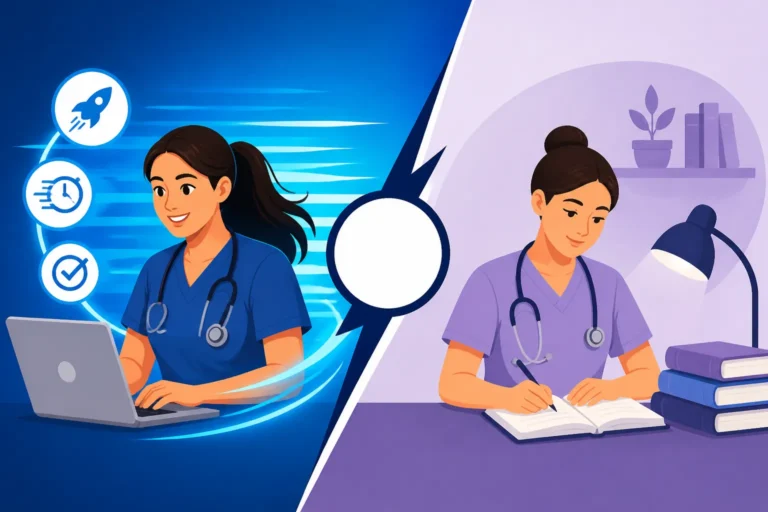
An ABSN program packs all the essential nursing theory, clinical practice, and critical thinking skills of a traditional four-year BSN program into a much shorter timeframe, typically 11 to 18 months. It's an immersive experience that leverages your prior academic achievements, assuming you've already completed general education requirements. What makes it "accelerated" isn't a reduction in content, but rather the rapid pace at which that content is delivered and absorbed. You'll be taking a heavy course load, diving deep into subjects like pathophysiology, pharmacology, health assessment, and various clinical rotations, often with very little downtime between semesters. It’s a marathon, not a sprint, but one that is incredibly rewarding. If you're wondering how this intense schedule compares, you might find more insights in our guide on How Hard Is an Accelerated BSN.
Why Nurses Choose the Accelerated Path
Many aspiring nurses opt for an ABSN because they're career changers, often bringing a wealth of life and professional experience from previous fields like business, education, or science. They've discovered their passion for nursing later in their academic journey and want an efficient way to pivot. This pathway acknowledges their maturity and existing academic foundation. For these individuals, an ABSN isn't just about getting a degree quickly; it's about pursuing a calling with purpose and efficiency. It allows them to enter the workforce as a registered nurse with a BSN qualification sooner, which is a huge advantage given the increasing demand for BSN-prepared nurses.
Employer Perspectives on Accelerated BSN Graduates
Now for the million-dollar question: do employers really value an Accelerated BSN? The short answer is a resounding yes. In fact, many actively seek out ABSN graduates. Let's break down why.
The BSN Mandate and Hospital Preferences
The nursing landscape has been shifting for years, with a growing emphasis on bachelor's-prepared nurses. Organizations like the American Association of Colleges of Nursing (AACN) advocate for the BSN as the minimum educational requirement for entry into professional nursing practice. Hospitals, especially those seeking or maintaining Magnet Recognition Program® status—a highly prestigious designation for nursing excellence—often require a certain percentage of their nursing staff to hold a BSN. This isn't just an arbitrary rule; studies, including those published by organizations like the Robert Wood Johnson Foundation, consistently link higher levels of nursing education, specifically the BSN, to improved patient outcomes, reduced mortality rates, and enhanced patient safety. Therefore, any BSN, whether traditional or accelerated, is highly valued. You can learn more about why hospitals prefer BSN nurses in this comprehensive article: Why Hospitals Prefer BSN Nurses.
Dispelling Myths About "Less Experience"
One common concern for ABSN students is whether employers will view their quicker route as having "less experience" or a less comprehensive education. This simply isn't the case. While the timeframe is shorter, the clinical hours and theoretical content covered in an accredited ABSN program are equivalent to a traditional BSN. In fact, many employers see distinct advantages in ABSN graduates. They recognize that these individuals have already demonstrated a high level of academic capability, commitment, and time management skills by successfully completing an intensive program. Plus, their previous degree often brings a diverse perspective and a mature approach to patient care and teamwork.
The Role of Accreditation and NCLEX Pass Rates
Accreditation is paramount when it comes to any nursing program, and ABSN programs are no exception. Employers absolutely look for graduates from programs accredited by recognized bodies like the Commission on Collegiate Nursing Education (CCNE) or the Accreditation Commission for Education in Nursing (ACEN). This ensures the program meets rigorous national standards. Equally important are NCLEX pass rates. High NCLEX pass rates from a program signal that its graduates are well-prepared to pass their licensure exam and enter practice safely and competently. Many ABSN programs boast excellent NCLEX pass rates, a testament to their demanding curriculum and effective teaching methodologies. For any nursing student, leveraging comprehensive study tools like those offered by Uworld can be incredibly beneficial in preparing for this critical exam, ensuring they're ready to hit the ground running.
Key Factors That Influence Employer Perception
While an ABSN degree itself is highly valued, several factors can further enhance an employer's perception of an ABSN graduate. It's not just about the parchment; it's about the entire package you present.
Prior Academic and Professional Background
Your first bachelor's degree isn't just a prerequisite; it's a valuable asset. If you come from a science-heavy background like biology or chemistry, employers often appreciate the strong foundational knowledge you bring, particularly in pathophysiology and pharmacology. However, even degrees in humanities, business, or arts are beneficial, as they cultivate critical thinking, communication, and problem-solving skills – all essential for nursing. This diverse background often translates into a more well-rounded nurse who can connect with patients from all walks of life and adapt to various healthcare settings. Many employers find this unique blend of skills from a career changer to be a significant plus. For more on this, check out our piece on Accelerated BSN for Non-Nursing Majors.
Clinical Experience and Practicum Performance
Clinical rotations are the heart of any nursing program, and ABSN students typically complete the same number of clinical hours as their traditional counterparts, albeit in a more condensed period. Your performance in these clinical settings is crucial. Employers often look for strong evaluations from clinical instructors, demonstrating competency, professionalism, and a proactive attitude. Outstanding performance, especially during your final practicum or preceptorship, can lead directly to job offers. Showing initiative, asking thoughtful questions, and actively participating in patient care are all indicators of a future valuable employee. Building strong relationships with preceptors during your clinical rotations can even open doors to employment.
Certifications and Extracurricular Involvement
Even as a new graduate, having relevant certifications can make your resume shine. Basic Life Support (BLS) and Advanced Cardiovascular Life Support (ACLS) are often required or highly recommended. Other certifications, such as those in trauma nursing or pediatric advanced life support (PALS), can demonstrate your interest in specific specialties. Beyond certifications, involvement in student nursing organizations (like the National Student Nurses' Association) or volunteering in healthcare settings shows initiative and a commitment to the profession. It tells employers that you're passionate, engaged, and eager to learn beyond the classroom. These experiences, even if they aren't directly clinical, round out your professional profile.
Making Your Accelerated BSN Stand Out to Employers
You've worked incredibly hard to earn your ABSN. Now it's time to ensure that hard work translates into the job opportunities you deserve. Here’s how you can make your degree and your unique journey truly shine during the job search.
Crafting a Compelling Resume and Cover Letter
Your resume and cover letter are your first impression, and they need to clearly articulate the value of your ABSN.
Highlighting Your Strengths as an ABSN Graduate
Don't just list your degree; emphasize the skills you gained through an accelerated program. Employers understand that ABSN graduates are often highly motivated, disciplined, and possess strong critical thinking abilities honed by the intense pace. Highlight your prior bachelor's degree and any transferable skills from your previous career, such as leadership, project management, or diverse communication experience. If your previous degree was in a related field, like biology or public health, be sure to draw connections to how that foundation strengthens your nursing practice. For example, a former teacher might excel at patient education, while a business major could bring valuable organizational skills to a unit.
Showcasing Clinical Experiences and Achievements
Detail your clinical rotations, specifying the units you worked on (e.g., Med-Surg, ICU, OB, Peds, Community Health) and the skills you performed. If you had a capstone project or a particularly impactful patient experience, weave that into your resume. Quantify achievements whenever possible: "Managed care for a panel of 5-7 patients daily, including medication administration and discharge planning," or "Spearheaded a patient education initiative on diabetes management, resulting in improved patient comprehension scores." Don't forget to mention any relevant certifications, like BLS or ACLS.
Mastering the Interview Process
The interview is your chance to expand on your resume and connect with potential employers.
Articulating Your Accelerated Journey
Be prepared to talk confidently about why you chose the ABSN path and what you learned from its intensity. Frame it as a strength: "My previous degree gave me a broad perspective, and the accelerated program honed my ability to rapidly synthesize information and perform under pressure, preparing me for the fast-paced nature of nursing." Discuss how your prior experiences and the rigor of the ABSN program have equipped you with unique strengths that will benefit their team. Many employers appreciate the maturity and dedication of ABSN graduates, seeing them as quick learners who are eager to contribute.
Demonstrating Clinical Competence and Professionalism
During the interview, be ready to discuss specific clinical scenarios and how you applied nursing principles. Use the STAR method (Situation, Task, Action, Result) to describe how you handled challenging patient cases, collaborated with a team, or managed a difficult situation. Show your enthusiasm for learning and your commitment to patient care. Ask insightful questions about the unit, team dynamics, and professional development opportunities. This demonstrates your genuine interest and helps you assess if the environment is a good fit. Strong interview skills are just as important as your academic record, especially when you're entering a new career. Remember that preparation is key, and resources like Uworld's comprehensive question bank can even help you prepare for scenario-based questions in a clinical interview, not just the NCLEX!
Networking and Professional Development
The nursing community is tight-knit, and networking can open many doors.
Building Connections During and After Your Program
Attend career fairs, professional conferences, and alumni events. Connect with your clinical instructors and preceptors – they are invaluable resources and potential references. Joining professional nursing organizations, even as a student, can provide networking opportunities and access to resources. Leverage platforms like LinkedIn to connect with nurses and recruiters in your area of interest. These connections can lead to mentorship, job leads, and a deeper understanding of the nursing profession. The more people you know and learn from, the better your chances of finding the right fit for your first nursing role.
Continuing Education and Specialization Opportunities
Even after graduation, the learning doesn't stop. Consider pursuing certifications in your chosen specialty early in your career. This demonstrates a commitment to professional growth and can make you more marketable. Many new graduates aim for areas like critical care or emergency nursing, where specialized certifications like CCRN or CEN are highly valued. Exploring options for further education, such as an Online MSN Programs: Complete Guide or a specialized Nurse Practitioner Specializations Explained, also shows a dedication to advancing your career, making you an even more attractive candidate for long-term employment. Employers appreciate nurses who are invested in their own growth and development.
| Factor | Employer Perception of ABSN Grads | How to Leverage/Improve |
|---|---|---|
| Pace of Program | Seen as an indicator of strong time management, discipline, and rapid learning ability. Not viewed as "less complete." | Confidently articulate why you chose ABSN and how it prepared you for a fast-paced clinical environment. Highlight critical thinking skills honed under pressure. |
| Prior Bachelor's Degree | Valued for bringing diverse perspectives, maturity, and a strong academic foundation (critical thinking, communication, problem-solving). | Emphasize transferable skills from your previous career in your resume and interviews. Connect your prior knowledge to nursing principles. |
| Clinical Hours/Experience | Expected to be equivalent to traditional BSNs. Performance is key. | Excel in clinical rotations, seek feedback, and actively participate. Highlight specific skills, patient scenarios, and positive preceptor evaluations. |
| Accreditation & NCLEX Pass Rate | Absolutely crucial for legitimacy and competence. | Ensure your program is CCNE or ACEN accredited. Utilize comprehensive NCLEX prep resources like Uworld to ensure a strong pass. |
| Professionalism & Soft Skills | Highly valued; includes communication, teamwork, empathy, leadership potential. | Showcase these skills in your application materials, during interviews, and through professional conduct in clinicals. |
| Certifications/Involvement | Shows initiative, commitment, and interest in specific specialties. | Obtain BLS/ACLS. Join student organizations, volunteer, or pursue specialty certifications relevant to your desired field. |
The Enduring Value of the BSN, Accelerated or Not
The bottom line is this: an Accelerated BSN is a fully legitimate and highly respected pathway to becoming a registered nurse. It provides the same foundational knowledge, clinical skills, and professional competencies as a traditional BSN, but on a faster timeline. Employers are not only aware of these programs but often actively seek out their graduates, recognizing the unique blend of maturity, prior academic achievement, and intense dedication that ABSN-prepared nurses bring to the healthcare setting.
Your journey, whether you came from a completely different career or always knew nursing was your path but took a non-traditional route, is a testament to your commitment. Hospitals and healthcare facilities across the nation are consistently looking for BSN-prepared nurses to enhance patient care and meet evolving industry standards. So, rest assured, the hard work you put into earning your Accelerated BSN will be recognized, valued, and open doors to a fulfilling and impactful career in nursing.
Disclaimer
Please remember that while this guide provides comprehensive information, nursing program requirements, employer preferences, and industry standards can evolve. It's always a good idea to verify specific details with individual nursing schools, prospective employers, and professional nursing organizations. This content is for informational purposes only and should not be considered professional career or educational advice.