How to Become an NP from an ADN
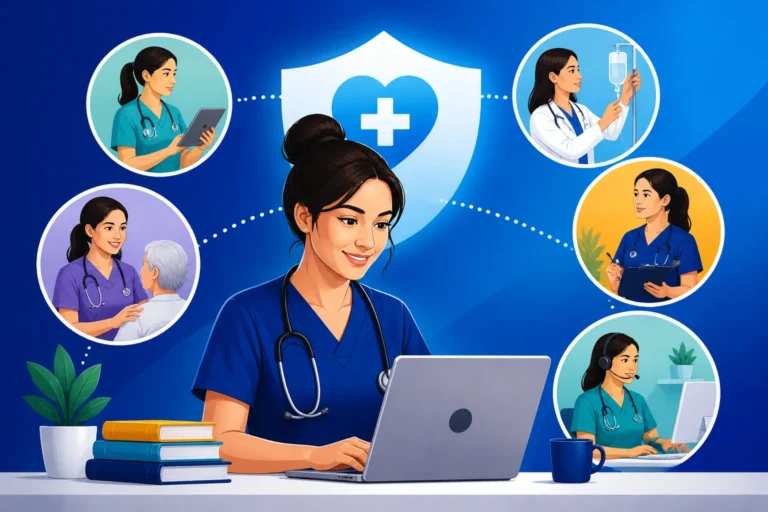
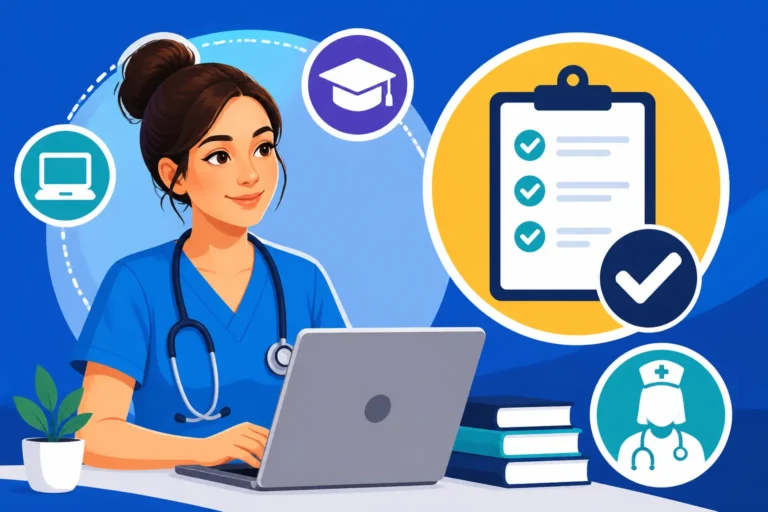
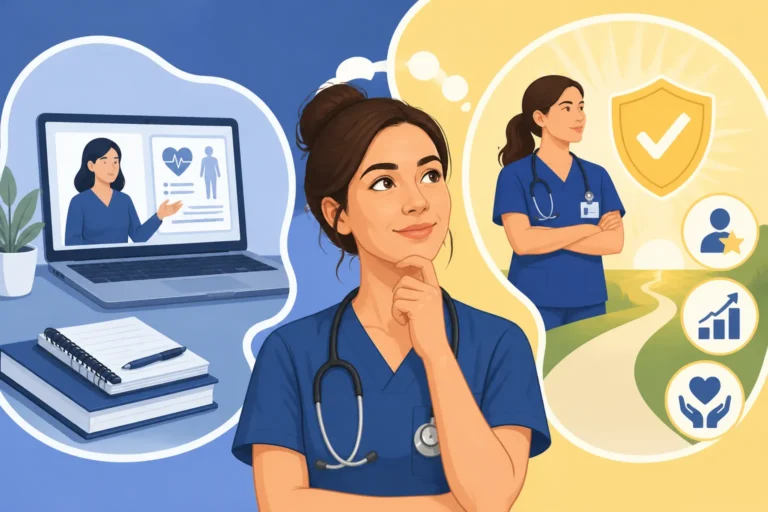
It's completely understandable to feel like becoming a Nurse Practitioner (NP) from an Associate Degree in Nursing (ADN) is a daunting climb. You've already put in the hard work to become an RN, and the idea of tacking on more schooling can feel overwhelming, especially when you're likely working full-time. But here's the good news: it's absolutely achievable, and many nurses have successfully navigated this exact path. This guide will break down the journey, step by step, to show you exactly how an ADN-prepared nurse can reach the advanced practice role of a Nurse Practitioner.
The Foundational Step: Bridging Your ADN to a BSN
Before you can even think about becoming a Nurse Practitioner, you absolutely need to build upon your ADN. While your ADN prepared you for the crucial hands-on skills of nursing, the healthcare landscape has evolved, and a Bachelor of Science in Nursing (BSN) is now considered the minimum educational requirement for entry into most Master of Science in Nursing (MSN) or Doctor of Nursing Practice (DNP) programs, which are essential for becoming an NP.
Why the BSN is Non-Negotiable for NP Aspirations
The BSN isn't just an extra piece of paper; it represents a significant leap in your nursing education, focusing on broader concepts like leadership, evidence-based practice, community health, and critical thinking at a systems level. These are the very skills that advanced practice roles, like that of an NP, demand. Hospitals with Magnet status, for instance, often push for a higher percentage of BSN-prepared nurses due to research linking BSN education to improved patient outcomes. This isn't just about hospital preference; it's about the enhanced scope of practice and the complex decision-making required of an NP.
The curriculum in a BSN program expands on the technical skills learned in your ADN. You'll delve deeper into theoretical frameworks, research methods, and public health policies that directly inform advanced practice. Without this foundation, the rigorous coursework of an MSN or DNP program would be significantly more challenging, if not impossible, to grasp fully. Think of your ADN as building a strong ground floor, and your BSN as adding the essential second story – you need both before you can build a penthouse suite (your NP degree). For a deeper understanding of the differences, exploring the ADN vs BSN: Key Differences can be really insightful. Many institutions also strongly advocate for the BSN, as highlighted in discussions around Why Hospitals Prefer BSN Nurses.
Navigating the RN to BSN Journey
For working registered nurses with an ADN, the most practical and popular route to obtaining a BSN is through an RN to BSN program. These programs are specifically designed for nurses like you, recognizing your existing licensure and professional experience. Many are offered fully online, providing the flexibility you need to continue working while pursuing your education.
Online RN to BSN programs are a godsend for busy nurses. They allow you to complete coursework on your schedule, often with multiple start dates throughout the year. The core idea is to build upon your existing nursing knowledge, providing you with the theoretical and conceptual understanding that complements your hands-on skills. Depending on the program structure and how many credits your ADN coursework transfers, some dedicated students can complete an 1-Year RN to BSN Program, while others might opt for a more relaxed part-time schedule. Understanding RN to BSN Transfer Credit Explained is crucial here, as many programs will award a significant number of credits for your valid RN license, effectively shortening your path. When researching programs, look for institutions that maximize credit transfers to get you to your BSN efficiently.
Bridging the Gap: From BSN to MSN or DNP for Nurse Practitioners
Once you've earned your BSN, the real journey toward becoming a Nurse Practitioner begins. At this stage, you'll be looking at graduate-level nursing programs, primarily Master of Science in Nursing (MSN) or Doctor of Nursing Practice (DNP) degrees. Both pathways can lead to NP licensure, but they have distinct differences.
Understanding MSN and DNP Pathways
Traditionally, the Master of Science in Nursing (MSN) has been the standard for Nurse Practitioner education. These programs typically focus on advanced clinical practice, preparing you for a specific NP specialization, such as Family Nurse Practitioner (FNP) or Psychiatric Mental Health Nurse Practitioner (PMHNP). MSN programs usually take around 2-3 years of full-time study, or longer if you go part-time.
However, the trend in advanced practice nursing is shifting towards the Doctor of Nursing Practice (DNP). The DNP is a practice-focused doctorate that prepares nurses for the highest level of clinical nursing. It emphasizes leadership, systems thinking, quality improvement, and evidence-based practice, often going beyond the scope of an MSN to prepare you for a more autonomous and influential role in healthcare. While an MSN still qualifies you to become an NP, many in the nursing community advocate for the DNP as the future entry-level degree for advanced practice nurses. This is a big decision, and exploring the nuances of MSN vs DNP: Which to Choose can help clarify which path aligns best with your career goals and aspirations.
RN to MSN Bridge Programs for ADNs
Now, here's a critical point for ADN-prepared nurses aiming for NP roles: some universities offer specific "RN to MSN" or "ADN to MSN" bridge programs. These unique programs allow you to bypass the traditional BSN degree as a separate step and instead integrate the foundational BSN-level coursework directly into your MSN curriculum. Essentially, you're earning your BSN and MSN concurrently, or in a streamlined fashion, saving you time and potentially tuition costs compared to completing two separate degrees.
These bridge programs typically have a longer duration than a direct BSN-to-MSN program because they include those essential undergraduate nursing components. For example, a program might be structured as a 3-4 year full-time track, with the first year or so covering BSN-level concepts and then transitioning into the advanced practice curriculum. This pathway is perfect for nurses who know they want to become an NP and want the most efficient route from their ADN. It's a fantastic option for experienced ADN nurses who might not want to invest in a separate BSN degree first, particularly when a clear path to advanced practice is their end goal. Learning about RN to MSN Programs Explained or even how to pursue an How to Get an MSN Without a BSN can highlight these specific accelerated paths.
Selecting Your Nurse Practitioner Specialization
Choosing your Nurse Practitioner specialization is one of the most exciting, yet sometimes overwhelming, decisions you'll make. Your specialization will dictate the patient population you serve, the types of conditions you treat, and your overall scope of practice. There's a wide range of options, each with its unique focus:
- Family Nurse Practitioner (FNP): The most common specialization, FNPs provide primary care across the lifespan, from infants to seniors. They often work in clinics, private practices, and community health centers.
- Adult-Gerontology Primary Care Nurse Practitioner (AGPCNP): Focuses on health promotion, disease prevention, and management of common acute and chronic illnesses in adults and older adults.
- Adult-Gerontology Acute Care Nurse Practitioner (AGACNP): Specializes in critically ill or unstable adult and older adult patients, often working in hospitals, ICUs, or emergency departments.
- Psychiatric Mental Health Nurse Practitioner (PMHNP): Provides mental healthcare services to individuals, families, and groups across the lifespan, including diagnosis, psychotherapy, and medication management.
- Pediatric Nurse Practitioner (PNP): Specializes in the care of infants, children, and adolescents, either in primary care (PNP-PC) or acute care (PNP-AC) settings.
- Neonatal Nurse Practitioner (NNP): Cares for high-risk neonates and infants up to two years of age in various settings, including neonatal intensive care units (NICUs).
- Women's Health Nurse Practitioner (WHNP): Focuses on the unique healthcare needs of women from adolescence through old age, including reproductive health, prenatal care, and gynecological issues.
- Emergency Nurse Practitioner (ENP): Works in emergency departments, providing care for patients with urgent or emergent conditions.
Your choice should ideally align with your passion, your previous nursing experience, and the demand in your desired geographic area. Do you love working with children? Perhaps a PNP is for you. Are you fascinated by mental health? A PMHNP might be a perfect fit. Researching Nurse Practitioner Specializations Explained thoroughly will give you a comprehensive overview, and considering How to Choose an NP Specialty is a personal journey that takes careful thought. Talk to NPs in different specialties to get a realistic picture of their day-to-day work.
The Application and Clinical Experience Hurdles
Once you've decided on your path (MSN or DNP) and your specialization, the next big steps involve getting into a program and then successfully completing the rigorous clinical requirements. This stage can feel like a marathon, but with careful planning, it's entirely manageable.
Meeting Admission Requirements
Admission requirements for MSN and DNP programs, especially those leading to NP licensure, are typically more stringent than for undergraduate programs. While specific requirements vary by institution, you can generally expect to need:
- Active, Unencumbered RN License: This is non-negotiable. Your license must be current and in good standing.
- BSN Degree (or equivalent from an RN to MSN bridge program): As discussed, this is the academic prerequisite.
- Minimum GPA: Most programs require a minimum undergraduate GPA, often around a 3.0 on a 4.0 scale, though competitive programs may seek higher.
- Official Transcripts: From all previous academic institutions.
- Letters of Recommendation: Typically 2-3 letters from academic or professional references who can speak to your nursing skills, leadership potential, and academic aptitude.
- Personal Statement or Essay: This is your chance to articulate your career goals, why you want to become an NP, and why you're a good fit for their program.
- Resume or CV: Detailing your professional nursing experience, certifications, and any volunteer work.
- Professional Nursing Experience: Most NP programs prefer or require at least one year of experience as a registered nurse, often in a relevant specialty. For example, if you want to be an AGACNP, critical care experience is highly valued. This experience demonstrates your foundational nursing knowledge and ability to handle complex patient situations.
- GRE Scores: While many programs have waived the GRE requirement, some still ask for it, especially for DNP programs or if your GPA is below their stated minimum. Always check individual program websites for their specific MSN Admission Requirements. Additionally, be sure to review all MSN Program Prerequisites to ensure you've covered all necessary coursework.
Conquering Clinical Hours and Preceptors
This is often cited as the most challenging part of NP school, especially for online students. NP programs require a significant number of supervised clinical hours, typically ranging from 500 to over 1,000 hours, depending on the specialization and degree (MSN vs. DNP). These hours are where you apply your theoretical knowledge in real-world patient care settings, under the direct supervision of an experienced preceptor (usually a certified NP or physician).
Finding a preceptor and securing clinical sites can be incredibly difficult, as there's often a shortage of willing providers and facilities. Here's why it's tough and how to approach it:
- The Preceptor Search: Many programs require you to find your own preceptors, while others offer some assistance. Start networking early! Talk to NPs you work with, physicians, and other healthcare professionals. Let them know you're looking for clinical opportunities. Don't be afraid to cold call clinics or hospitals. Persistence is key.
- Program Support: Some online programs, like those from [University of Texas Arlington] or Walden, have dedicated clinical placement coordinators who help students find preceptors. When choosing a program, ask very specific questions about their clinical placement support. Do they guarantee placement, or do they offer resources and guidance? This distinction is crucial.
- Varied Settings: You'll likely need to complete clinical hours in a variety of settings relevant to your specialization. For an FNP student, this could mean rotations in family medicine, pediatrics, women's health, and internal medicine. Each rotation requires a different preceptor.
- Documentation: Every hour needs to be meticulously documented and signed off by your preceptor. This ensures you meet your program's requirements and gain the necessary experience.
It's a huge undertaking, but it's where you truly transform from an RN to an NP. Plan to dedicate substantial time to your clinical rotations, which will often require flexibility with your work schedule. Detailed information on MSN Clinical Hours Requirements will give you a better idea of the commitment, and resources on How to Find NP Preceptors are invaluable. While not directly related to clinicals, resources like Uworld are often indispensable later when you’re preparing for your certification exams, helping you to refine your knowledge and clinical reasoning skills gained during these intense rotations.
After Graduation: Certification and Licensure
After years of hard work, countless hours of studying, and navigating complex clinical rotations, you're finally at the finish line of your academic journey. But before you can practice as an NP, there are two crucial final steps: national certification and state licensure.
National Certification Exams
Earning your graduate degree (MSN or DNP) is a monumental achievement, but it doesn't automatically grant you the title of Nurse Practitioner. To officially become an NP, you must pass a national certification examination in your chosen specialty. These exams are administered by recognized certification bodies and validate that you possess the necessary knowledge and skills to practice safely and competently within your scope.
The two primary certification boards for most NP specialties in the U.S. are:
- American Nurses Credentialing Center (ANCC): Offers certification for various specialties, including FNP, AGPCNP, AGACNP, PMHNP, and more. Their exams often include a mix of clinical judgment, professional role, and ethical considerations.
- American Academy of Nurse Practitioners Certification Board (AANPCB): Primarily offers certification for FNP and AGPCNP. Their exams are very clinically focused, assessing your ability to diagnose, treat, and manage patient conditions.
Other boards exist for specific specialties, such as the Pediatric Nursing Certification Board (PNCB) for PNPs and NNPs, and the National Certification Corporation (NCC) for WHNPs. It's vital to research which certification board aligns with your program's curriculum and your desired practice area. This step can feel like another NCLEX, and it requires dedicated preparation. This is where tools like Uworld truly shine. Many aspiring NPs rely on comprehensive review courses, question banks, and practice exams offered by Uworld to prepare for these high-stakes tests, ensuring they are well-versed in the content and comfortable with the exam format. Understanding the full scope of NP Certification Exams Explained is a must as you approach graduation.
State Licensure and Practice Authority
Once you've successfully passed your national certification exam, you'll apply for licensure with your state's Board of Nursing. This is the final legal step that authorizes you to practice as a Nurse Practitioner in that specific state. Each state has its own unique requirements for NP licensure, so it's critical to be familiar with the regulations of the state where you intend to practice.
A significant aspect of state licensure for NPs is the concept of "practice authority." This refers to the extent to which an NP can practice autonomously, without direct supervision or collaboration with a physician. States fall into three categories:
- Full Practice Authority: NPs can assess, diagnose, order and interpret diagnostic tests, initiate and manage treatments (including prescribing medications), and refer patients without physician oversight.
- Reduced Practice Authority: NPs are required to collaborate with a physician to provide patient care, or their ability to practice one or more elements of NP practice is restricted.
- Restricted Practice Authority: NPs must be supervised by a physician for their entire careers, or their ability to practice one or more elements of NP practice is restricted.
The landscape of NP practice authority is dynamic, with many states advocating for and moving towards full practice authority to maximize access to healthcare services. When considering where you want to practice, it's wise to investigate the local regulations carefully. Understanding NP Full Practice Authority States or the general NP Scope of Practice by State will provide invaluable insight into what your role will look like professionally once you are licensed. This will impact everything from your autonomy to your potential earning capacity.
Understanding the ADN to NP Pathways
The journey from an ADN to an NP is truly a testament to dedication and lifelong learning. While the traditional route involves distinct steps, the availability of bridge programs has made the path more streamlined for many.
| Pathway | Steps Involved | Typical Duration (Full-time) | Key Advantages | Considerations |
|---|---|---|---|---|
| Traditional (ADN -> BSN -> MSN) | 1. Earn ADN & RN license. 2. Complete RN to BSN program. 3. Complete MSN program (with NP specialization). 4. Pass National Certification Exam. 5. Obtain State Licensure. |
4-6 years (approx. 1-2 years BSN + 2-3 years MSN) | – Clear, distinct educational milestones. – Can work as an RN with a BSN during the MSN phase. – More program options for both BSN and MSN stages. |
– Can feel like two separate academic journeys. – Potentially higher overall cost if BSN and MSN are at different institutions with separate application fees. |
| Streamlined (ADN -> RN-to-MSN Bridge) | 1. Earn ADN & RN license. 2. Complete RN-to-MSN Bridge program (integrates BSN-level and MSN-level coursework). 3. Pass National Certification Exam. 4. Obtain State Licensure. |
3-4 years (overall program duration) | – More time-efficient, direct path to MSN/NP. – Reduces redundant application processes. – Specifically designed for experienced ADN nurses. |
– Fewer institutions offer these bridge programs. – Very rigorous; full-time students must balance BSN and MSN concepts simultaneously. – Less flexibility to "pause" between BSN and MSN. |
Disclaimer
Please remember that the information provided in this guide is intended for general informational purposes only and does not constitute professional advice. Nursing program requirements, accreditation standards, certification processes, and state licensure regulations can change frequently. Always verify the most current and specific information directly with the educational institutions, certification boards, and state Boards of Nursing relevant to your individual situation and desired practice location.