Is the Emergency Nurse Practitioner Path Right for You
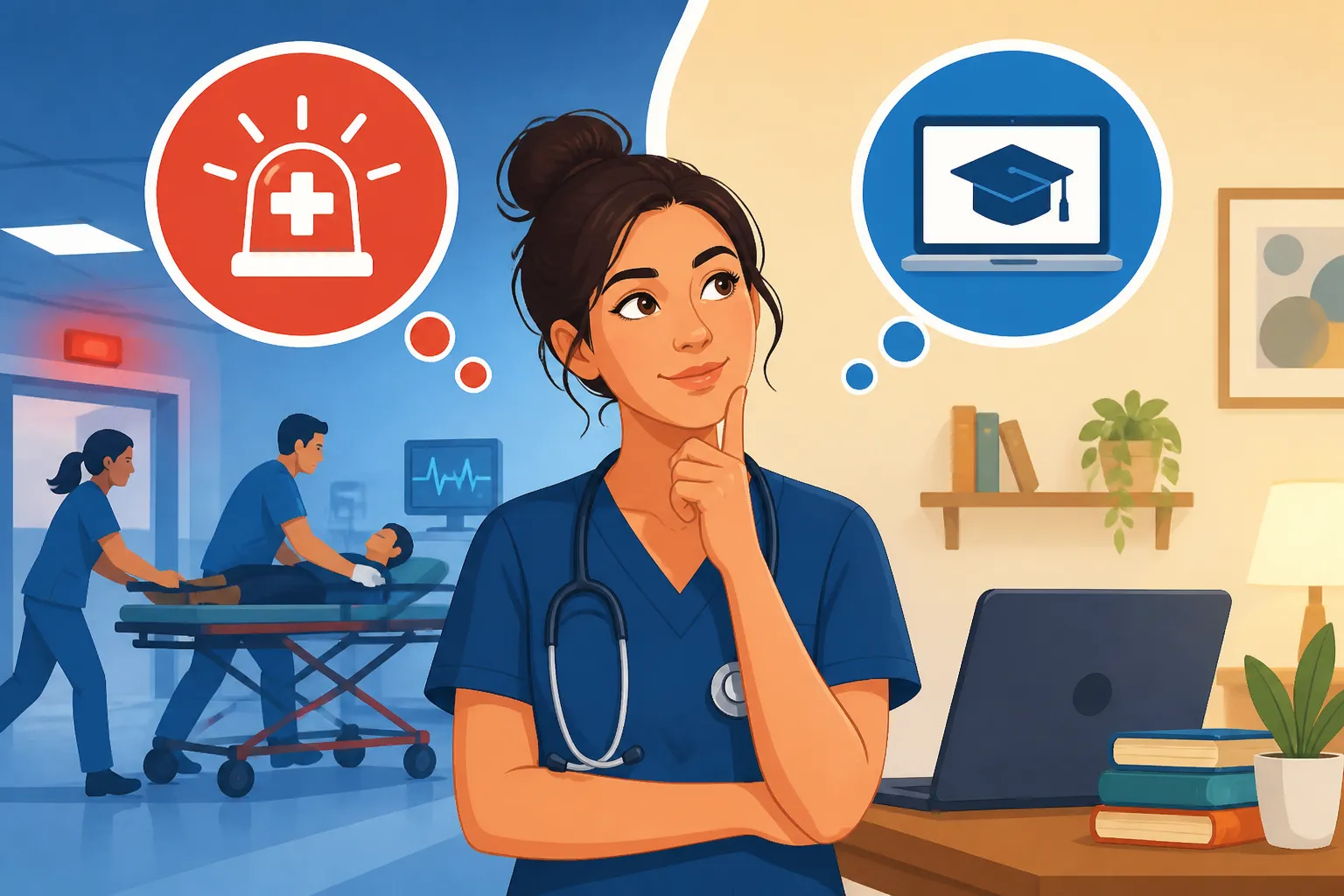
It’s a common frustration for nurses: you love the intensity of patient care, you excel in high-stakes situations, but you’re yearning for more autonomy, more diagnostic responsibility, and a greater impact on critical outcomes. If you've found yourself drawn to the unpredictable, fast-paced world of the emergency department and wonder if you could lead the charge as an advanced practice provider, then exploring the Emergency Nurse Practitioner (ENP) path is absolutely essential. This comprehensive guide will help you unpack the realities, demands, and immense rewards of becoming an ENP, allowing you to determine if this exciting career truly aligns with your professional spirit.
Understanding the Emergency Nurse Practitioner Role
For many registered nurses, the idea of becoming a Nurse Practitioner (NP) signifies a significant step forward in their careers. However, it's crucial to understand that not all NP roles are created equal, and the Emergency Nurse Practitioner stands out as a highly specialized and demanding position. It’s far more than just an RN who works in the ER with extra schooling; it's a distinct advanced practice role focused on the assessment, diagnosis, treatment, and management of patients presenting with urgent, acute, or emergent conditions. You are often the very first provider to see a patient, tasked with quickly sifting through symptoms, ordering the right tests, and making critical decisions under pressure.
What an ENP Actually Does Day-to-Day
Forget any notion of a routine schedule, because in the emergency department, the only constant is change. As an ENP, your day will be a whirlwind of diverse patient encounters. You might start by stabilizing a patient with chest pain, then move on to suturing a complex laceration, reducing a dislocated joint, or managing a child's severe asthma attack. Your responsibilities extend to interpreting X-rays, CT scans, and lab results, prescribing a wide array of medications, performing minor procedures, and collaborating seamlessly with physicians, specialty consultants, and nursing staff. The primary goal is always to provide immediate, often life-saving, interventions, alleviate suffering, and then determine the most appropriate next steps, whether that’s discharge with follow-up instructions, admission to the hospital, or transfer to a different facility. This dynamic environment requires an incredible ability to multitask and prioritize, often with incomplete information and under significant time constraints.
Common Conditions and Patient Populations
One of the most defining aspects of the ENP role is the sheer breadth of conditions and patient populations you’ll encounter. You truly see it all, from the cradle to the grave. This could include minor ailments like colds and sprains, to more complex medical emergencies such as strokes, myocardial infarctions, diabetic ketoacidosis, and sepsis. You’ll also manage a wide spectrum of traumatic injuries, from simple fractures to severe multi-system trauma. You need to be adept at assessing and treating infants, children, adults, and geriatric patients, understanding the subtle differences in disease presentation and treatment protocols across various age groups. This requires a strong foundational knowledge in nearly every medical and surgical specialty, along with the ability to quickly access and synthesize new information when faced with an unfamiliar presentation. This contrasts sharply with some other specialties, such as pediatrics, where the patient population is strictly limited by age.
Essential Skills and Personality Traits for ENPs
Stepping into the role of an Emergency Nurse Practitioner isn't just about accumulating advanced clinical knowledge; it's about possessing a unique blend of innate abilities and honed skills that allow you to thrive in one of healthcare's most demanding environments. Before embarking on the rigorous educational journey, it’s incredibly valuable to honestly assess whether your personal attributes align with what it truly takes to succeed and find fulfillment as an ENP.
Clinical Aptitude and Quick Thinking
At the core of an effective ENP is an unparalleled clinical aptitude combined with exceptional quick thinking. In the emergency department, seconds can genuinely matter. You won't always have the luxury of extensive workups or lengthy consultations. You'll be expected to rapidly gather pertinent information, perform focused physical assessments, interpret diagnostic findings on the spot, and formulate an initial plan of care with speed and precision. This demands not just knowledge, but the ability to apply that knowledge under extreme pressure. Imagine a patient presenting with vague symptoms; you must quickly consider life-threatening possibilities, rule them out or initiate treatment, and then systematically narrow down the differential diagnosis. This intuitive, yet evidence-based, decision-making process is developed through extensive experience and continuous learning, but it starts with a natural inclination towards critical problem-solving. This kind of environment differs significantly from the more planned approach often found in primary care settings.
Resilience and Communication Skills
Beyond the technical skills, an ENP must possess profound resilience, emotional fortitude, and truly superior communication abilities. You will routinely encounter heartbreaking situations, severe trauma, violence, and death. The ability to compartmentalize, process these experiences, and then pivot to provide compassionate, objective care for the next patient is absolutely critical to avoid burnout. You must be able to deliver bad news with empathy, yet maintain professional composure. Furthermore, your communication skills will be constantly tested. You'll need to clearly explain complex medical information and treatment plans to anxious patients and their often-stressed families, ensuring they understand their condition and next steps. You'll also be communicating critical updates to physicians, collaborating effectively with an interdisciplinary team, and giving precise instructions to nursing staff. Miscommunication in the ER can have grave consequences, making clarity, active listening, and strong advocacy skills indispensable. Having robust tools and strategies for test preparation, like those offered by Uworld, can instill confidence not just in knowledge, but in the ability to clearly articulate that knowledge.
The Path to Becoming an ENP: Education and Career Outlook
If the description of the ENP role has sparked excitement rather than apprehension, your next logical step is to understand the educational requirements and what the future holds for this dynamic specialization. It's a significant commitment, but one that opens doors to a deeply impactful and professionally rewarding career. For those already exploring advanced degrees, looking into the larger field of Online MSN Programs: Complete Guide can provide valuable context for your journey.
Educational Path and Certification
The most common pathway to becoming an Emergency Nurse Practitioner involves a multi-stage educational process. First, you'll need a current Registered Nurse (RN) license and a Bachelor of Science in Nursing (BSN). After gaining some solid clinical experience, typically in an emergency department or critical care setting, you will pursue a Master of Science in Nursing (MSN) or a Doctor of Nursing Practice (DNP) degree. Critically, most ENPs first certify as a Family Nurse Practitioner (FNP) or an Adult-Gerontology Acute Care Nurse Practitioner (AGACNP), as these programs provide a broad foundation in primary or acute care. After completing one of these base NP programs, you would then pursue a post-master's certificate specifically in emergency care or gain substantial supervised clinical experience in an emergency setting.
The definitive certification for this specialty is the Emergency Nurse Practitioner (ENP-BC) through the American Nurses Credentialing Center (ANCC). To sit for this exam, you generally need a current NP license and certification as an FNP or AGACNP, along with documented clinical hours in emergency care. The coursework for an ENP focuses heavily on advanced assessment, differential diagnosis, pharmacology, and procedural skills specific to urgent and emergent conditions across the lifespan. Programs often include specialized didactic courses and intensive clinical rotations in various emergency settings. Many students find that utilizing comprehensive study tools like Uworld for their FNP or AGACNP board exams, and then for their ENP certification, significantly boosts their confidence and readiness. Understanding all the steps, including NP Certification Exams Explained, is crucial for planning your academic journey effectively.
Job Market and Salary Expectations
The demand for Nurse Practitioners across all specialties, including Emergency Nurse Practitioners, is projected to remain incredibly strong for the foreseeable future. Healthcare systems are increasingly recognizing the value of ENPs in optimizing patient care flow, reducing wait times, and providing high-quality, evidence-based care in emergency departments and urgent care centers. This robust job market translates into excellent career opportunities in diverse settings, from large academic trauma centers and urban hospitals to smaller community hospitals and freestanding emergency rooms.
In terms of compensation, the salary for Emergency Nurse Practitioners is generally competitive and often falls within the higher tiers for NP specialties, reflecting the high-acuity nature of the work and the specialized skill set required. According to current data, the median salary for Nurse Practitioners, on average, continues to climb, with emergency specialists often earning above the mean. Factors influencing salary include geographic location (e.g., coastal cities like San Francisco or Boston often have higher pay scales but also a higher cost of living), years of experience, the specific type of facility, and whether you work in a full practice authority state. Exploring resources like Emergency Nurse Practitioner Salary and Job Outlook can provide more detailed statistics and regional breakdowns, confirming that this is not only a challenging but also a financially rewarding path.
Weighing the Pros and Cons of an ENP Career
Every career, no matter how appealing, comes with its own set of advantages and disadvantages. Becoming an Emergency Nurse Practitioner is no different. It’s absolutely vital to move beyond the idealized vision and consider the realistic day-to-day impacts on your professional life and personal well-being. This balanced perspective will serve as a crucial touchstone in determining if the ENP path is truly sustainable and fulfilling for you in the long run. When making big career decisions, it's wise to consider all angles, much like evaluating different Nursing Specializations Explained to find your perfect fit.
The Rewards of Emergency Nursing
For many ENPs, the profound rewards of the profession far outweigh the inherent challenges. There's an unparalleled sense of purpose and immense satisfaction that comes from providing immediate, often life-saving, care to individuals experiencing critical health crises. The intellectual stimulation is constant; every shift presents a new puzzle to solve, ensuring that boredom is a rare occurrence. This rapid problem-solving, coupled with seeing the direct and immediate impact of your interventions, can be incredibly gratifying.
The autonomy inherent in the ENP role is another significant draw. You operate at the peak of your license, making critical diagnostic and treatment decisions independently, which is incredibly empowering. Furthermore, the camaraderie and teamwork in an emergency department are exceptional. You become part of a tightly knit, highly skilled team that relies on each other to navigate the most stressful situations. The continuous learning curve, mastering new procedures, and expanding your knowledge across a vast array of medical and traumatic conditions keep the profession intellectually fresh and engaging. Finally, the often-flexible scheduling, typically involving 12-hour shifts, can allow for concentrated blocks of time off, which many ENPs appreciate for maintaining personal life balance.
The Challenges and Demands
Despite the profound rewards, the ENP role is not without its significant demands and potential pitfalls. The high-stress, unpredictable environment is a constant, and while invigorating for some, it can lead to rapid burnout if not carefully managed. Exposure to trauma, violence, severe illness, and death is routine, taking an considerable emotional toll. Learning to cope with these experiences and maintain professional detachment without becoming desensitized is a lifelong skill.
Dealing with difficult patients, anxious families, and navigating complex healthcare systems under pressure can also be incredibly taxing. The immense responsibility that comes with autonomy means every decision carries significant weight. While the job market is strong and salaries are competitive, the work schedule often includes nights, weekends, and holidays, which can impact family life and personal commitments. Moreover, despite your best efforts, not every patient will have a positive outcome, and accepting these realities while continuing to provide excellent care requires deep emotional resilience. Effective strategies for How to Balance Work and RN to BSN (or the demanding schedule of an ENP) become absolutely essential for long-term success and personal well-being.
Is the Emergency Nurse Practitioner Path Right for You? A Personal Assessment
Ultimately, deciding whether the Emergency Nurse Practitioner path is your true calling requires a deeply personal and honest assessment. It's not enough to simply be good at nursing or to enjoy the idea of advanced practice. You need to scrutinize your motivations, evaluate your coping mechanisms, and truly understand if your core values align with the rigorous, yet rewarding, nature of emergency medicine.
Reflecting on Your Experience and Strengths
Take a serious inventory of your past nursing experiences. Have you found yourself thriving in chaotic, high-pressure situations? Did you feel a surge of energy and focus when faced with an urgent patient scenario, or did it primarily induce anxiety? Consider the times you had to make quick decisions with limited information; how did you perform? Your ability to remain calm, think critically under duress, and effectively triage multiple competing demands are powerful indicators of your suitability for emergency nursing. If you enjoy the adrenaline of rapid assessment, decisive action, and feeling competent in your ability to handle whatever unforeseen challenge walks through the door, these are significant green flags. Conversely, if you prefer a more structured, predictable environment with ample time for contemplation, the ENP role might prove to be a source of continuous stress. Think about your strongest clinical skills: are they in rapid diagnostic workups, procedural interventions, or perhaps patient and family education during crises? The ENP role calls for a comprehensive and versatile skill set.
Future Ambitions and Work-Life Balance
Beyond your current strengths, consider your long-term career aspirations. Do you envision a career where you are constantly challenged, learning cutting-edge emergency procedures, and acting as a primary point of care in critical moments? The ENP path offers continuous professional growth and the opportunity to become an expert in a vast range of emergent conditions. However, it's also crucial to be realistic about how this career might impact your personal life and desired work-life balance.
As previously discussed, irregular hours, including nights, weekends, and holidays, are often a non-negotiable part of the emergency setting. Are you prepared for this schedule, and do you have a robust support system in place? If a predictable 9-to-5 schedule and minimal emotional carry-over from work are paramount to your well-being, then the ENP role may lead to quicker burnout. While many ENPs manage to achieve a fulfilling work-life balance, it often requires intentional effort, strong boundaries, and effective self-care strategies. Honestly weighing these factors—the exhilarating highs against the demanding realities—will empower you to make an informed decision that supports both your professional fulfillment and your overall quality of life. Understanding the various How Long to Become a Nurse Practitioner timelines, and the intensity involved in each, can also help you map out your future.
| Aspect of Work | ENP Role | Considerations for You |
|---|---|---|
| Pace & Environment | Fast-paced, unpredictable, high-stress, often chaotic | Do you thrive under pressure, or does it deplete you? |
| Decision-Making | Rapid, autonomous, critical, high-stakes | Are you confident in your quick judgment? Can you live with difficult outcomes? |
| Patient Variety | All ages, all conditions (trauma, medical, psych, minor, critical) | Do you enjoy broad exposure, or do you prefer a specific population/disease focus? |
| Emotional Toll | Frequent exposure to trauma, death, difficult family situations | Do you have strong coping mechanisms? How do you decompress after tough shifts? |
| Schedule | Typically 12-hour shifts, often nights, weekends, holidays | How will this impact your personal life, family, and social commitments? |
| Learning Curve | Continuous, vast array of conditions and procedures | Are you a lifelong learner? Do you enjoy constantly expanding your knowledge base? |
| Autonomy | High level of independent practice within scope | Are you ready for the responsibility and accountability that comes with autonomy? |
Disclaimer
Please remember that the information provided in this article is intended for general informational purposes only and does not constitute professional medical, legal, or educational advice. Nursing programs and career requirements can change, so always verify current information with official academic institutions, licensing boards, and certification bodies before making any decisions related to your education or career.