How to Specialize as a Nurse
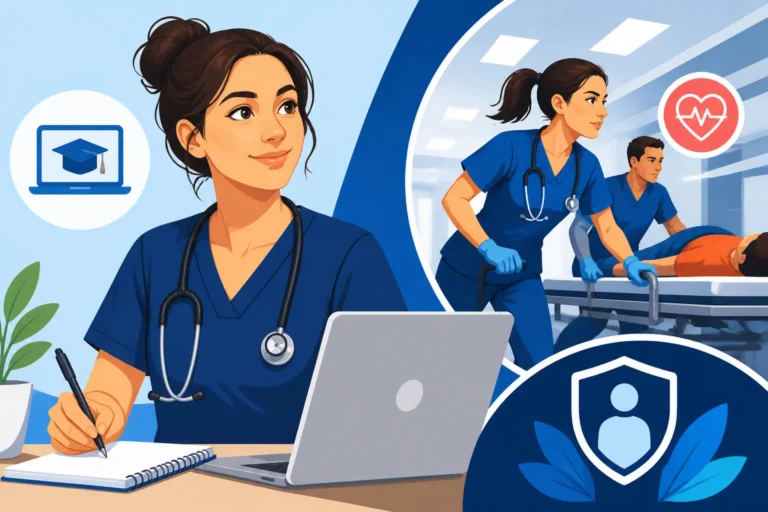
Stepping into the vast world of nursing, it's easy to feel a little overwhelmed by all the paths you could take. Many nurses start their careers feeling a pull towards a specific area, or perhaps they're just looking for that "perfect fit" where their skills truly shine and their passion ignites. This comprehensive guide is here to walk you through the exciting journey of how to specialize as a nurse, helping you navigate the options, understand the requirements, and ultimately find your ideal nursing niche.
Understanding the Landscape of Nursing Specializations
When you first become a registered nurse, especially after tackling the NCLEX, the world of healthcare opens up in a way you might not have fully anticipated. You realize that "nursing" isn't just one job, but a foundational career with a thousand different branches. Finding your specific branch can transform your daily work from just a job into a truly fulfilling calling.
Why Specialization Matters in Nursing
Let's be honest, direct patient care can be demanding, both physically and emotionally. It's perfectly normal to feel a desire to refine your practice, to dive deeper into an area that truly resonates with you. Perhaps you've spent time on a medical-surgical floor, gaining invaluable broad experience, but found yourself consistently drawn to the cardiac patients, or the newborns, or the complex mental health cases. That pull isn't just a fleeting interest; it's often a sign that a specialization could lead to greater job satisfaction and a more focused, impactful career.
Specializing allows you to become an expert in a particular field, which not only benefits your patients through higher quality, focused care, but also opens doors for professional growth, leadership roles, and often, higher earning potential. Hospitals and healthcare systems are increasingly seeking nurses with specialized knowledge and certifications, recognizing that these experts contribute significantly to improved patient outcomes and the overall efficiency of care delivery. It’s about more than just a title; it’s about a deeper understanding, refined skills, and a tailored approach to patient care that only comes from focused expertise.
General Categories of Nursing Specialties
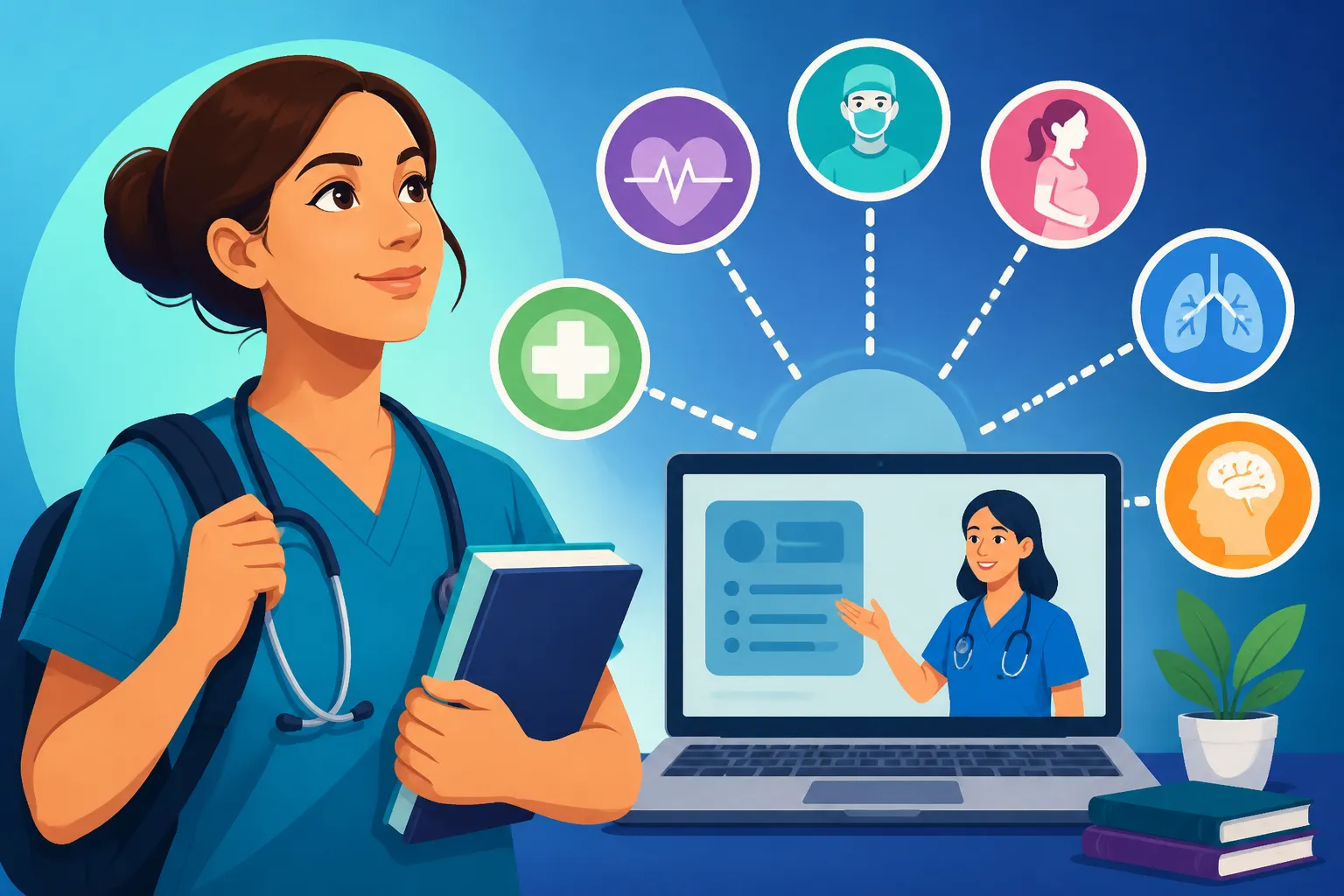
The sheer breadth of nursing specialties is truly remarkable. While it might seem daunting at first, breaking them down into general categories can help clarify the landscape. Think of it as a choose-your-own-adventure book where each choice leads to a new and exciting path.
You have the acute care specialties, often found in hospitals, dealing with critical and sudden illnesses or injuries. This includes areas like the Emergency Room (ER), Intensive Care Unit (ICU), Cardiac Care Unit (CCU), and Labor and Delivery (L&D). These roles are typically fast-paced, high-stakes, and require sharp critical thinking skills. Then there are chronic care specialties, focusing on long-term conditions and patient management, often seen in areas like oncology, diabetes education, or home health. These roles often build deep, ongoing relationships with patients and their families.
Beyond direct patient care, you'll find specialties in community health, such as school nursing, public health nursing, or correctional nursing, which focus on population health and preventative care. There's also the fascinating world of administrative and leadership roles, where nurses manage units, departments, or even entire healthcare organizations, shaping policy and improving systems. And let's not forget nursing education and informatics, where nurses teach the next generation or leverage technology to optimize patient care. Each category offers a distinct environment, patient population, and set of daily challenges, ensuring there's truly a place for every kind of nurse.
Self-Assessment: Finding Your Niche
Before you jump into researching programs or certifications, take a moment to look inward. Finding the right specialization isn't just about what's available or what pays well; it's deeply personal. It's about aligning your professional life with your personal strengths, values, and what genuinely excites you.
Reflecting on Your Passions and Interests
Think back to your nursing school days or your early career experiences. What types of patients did you feel most connected to? Were you fascinated by the intricate physiology of cardiac conditions, or did you light up when working with children? Perhaps you found a profound sense of purpose in supporting families during challenging times, like in hospice or palliative care. These are clues!
Consider your inherent qualities. Are you a meticulous planner who thrives on detail? Perhaps a role in perioperative nursing or quality improvement would suit you. Do you excel at explaining complex medical information in an understandable way? Maybe patient education or school nursing could be your calling. If you're someone who can remain calm and focused under immense pressure, the ER or ICU might feel like home. For example, many nurses discover their love for pediatrics not just because they "like kids," but because they possess a unique blend of patience, creativity, and the ability to communicate effectively with both children and their worried parents. Identifying these innate passions and talents is the first, crucial step toward a truly rewarding specialization.
Evaluating Work Environment and Lifestyle Preferences
The reality of nursing is that different specialties come with vastly different work environments and schedules. This is a critical factor in finding a niche that supports your overall well-being and lifestyle. Are you a night owl who prefers the slower, focused pace of night shifts, or do you crave the bustling energy of a day shift clinic? Do you thrive on the adrenaline rush of a rapidly changing emergency department, or do you prefer the predictable rhythm of an outpatient clinic?
Consider the physical and emotional demands. Some specialties, like orthopedic or critical care, can be physically taxing, requiring frequent lifting and quick responses. Others, like psychiatric nursing or hospice care, might be less physically demanding but carry a significant emotional load. What about weekends and holidays? While many hospital-based specialties require rotating schedules, roles in school nursing or some administrative positions often offer more traditional Monday-Friday hours. It’s about finding a balance that works for you. If you're a parent, a predictable schedule might be a priority. If you love variety, travel nursing might be a fit. A honest assessment of these preferences will guide you towards a specialization that you can sustain and enjoy for years to come.
Educational Pathways to Specialization
Once you have a clearer idea of what kind of nursing specialization might be right for you, the next step is understanding how to get there. The path to specialization isn't always linear, and it often involves further education, certification, or both.
Certifications and Continuing Education
For many nursing specialties, especially those that build upon existing RN licensure and experience, obtaining a specific certification is the key. These certifications validate your expertise and commitment to a particular field. For instance, if you're passionate about critical care, pursuing the Critical Care Registered Nurse (CCRN) certification is a common and highly respected path. For emergency nurses, the Certified Emergency Nurse (CEN) credential signifies advanced proficiency in that fast-paced environment. Similarly, a nurse working in oncology might pursue an Oncology Certified Nurse (OCN) certification.
These certifications usually require a certain amount of clinical experience in the specialty area and passing a rigorous exam. They demonstrate to employers and patients alike that you possess a deeper, specialized knowledge base and a commitment to excellence. Preparing for these exams often involves dedicated study, and resources like Uworld are invaluable for practicing test questions and solidifying your understanding of complex topics. Beyond initial certification, continuing education units (CEUs) are crucial for maintaining your specialized knowledge and keeping your certifications current. Many professional organizations offer excellent CEU opportunities tailored to specific specialties, ensuring you stay up-to-date with the latest evidence-based practices and advancements in your field. To learn more about specific credentials, check out our guide on Nursing Certifications by Specialty
Advanced Degrees: BSN, MSN, and DNP
While certifications are vital for many specialties, others, particularly those in advanced practice or leadership, require higher academic degrees. If you're currently an ADN-prepared nurse, pursuing an RN to BSN program is often a foundational step for broader career growth and a prerequisite for many advanced degree programs. You can explore the specific requirements in our article, RN to BSN Requirements Explained
A Master of Science in Nursing (MSN) is a common pathway for nurses aspiring to roles like Nurse Practitioners (NPs), Clinical Nurse Specialists (CNS), Nurse Educators, or Nurse Informaticists. An MSN provides a deeper theoretical and clinical foundation, preparing you for expanded roles with greater autonomy and responsibility. For example, if you dream of becoming a Family Nurse Practitioner, an MSN program with an FNP track is essential. You can find a comprehensive overview of these programs in our Online MSN Programs: Complete Guide
The Doctor of Nursing Practice (DNP) is another advanced degree, increasingly recognized as the terminal degree for advanced practice nurses and those in high-level leadership or clinical roles. While an MSN is sufficient for many NP roles, a DNP often prepares nurses for roles focused on systems-level change, evidence-based practice implementation, and healthcare policy. The decision between an MSN and a DNP often depends on your long-term career aspirations and whether you want to focus more on direct advanced practice or broader healthcare leadership. Our resource on MSN vs DNP: Which to Choose delves deeper into this comparison. Understanding these different degree pathways is crucial as you plan your journey toward a specialized and advanced nursing career.
Gaining Experience and Entry into Specialties
You can have all the passion and educational goals in the world, but without practical experience, it's tough to truly specialize. The journey often involves strategic planning in your early career to build the right foundation.
The Power of Clinical Experience
For many nurses, general medical-surgical experience serves as an invaluable foundation. It exposes you to a wide variety of patient conditions, develops your critical thinking skills, hones your assessment abilities, and teaches you how to manage a diverse patient load. This broad experience is often a prerequisite for more specialized units, as it demonstrates your fundamental competency as a nurse. Don't underestimate its value; it's where you learn to be a nurse, full stop.
However, if you have a particular specialty in mind early on, you can be strategic. Consider seeking out opportunities for shadowing nurses in your desired area. If your facility has a float pool, joining it for a period can give you exposure to different units, helping you confirm your interest or discover new ones. Many new graduate programs offer rotations through various specialties, providing a taste of different environments. Even if your first job isn't in your dream specialty, gain solid experience, excel in your role, and then keep an eye out for internal transfers or external positions that align with your long-term goals. For example, a nurse aiming for the ICU might start on a step-down unit to gain experience with higher acuity patients before making the leap.
Networking and Mentorship
In the world of nursing, who you know can be just as important as what you know. Networking and finding mentors can significantly smooth your path to specialization. Connecting with nurses who are already working in your desired specialty can provide invaluable insights into the day-to-day realities, challenges, and rewards of that role. They can offer advice on necessary skills, recommend specific certifications or programs, and even inform you about job openings before they're widely advertised.
Mentors, in particular, can become trusted advisors, offering guidance, support, and a sounding board as you navigate your career choices. They can share their own journeys, help you identify learning opportunities, and introduce you to other professionals in the field. Don't be shy about reaching out to experienced nurses you admire, whether within your hospital, through professional organizations, or even on platforms like LinkedIn. Professional nursing organizations, such as the Emergency Nurses Association (ENA) for emergency nurses or the American Association of Critical-Care Nurses (AACN) for critical care, are excellent places to connect with like-minded individuals and find potential mentors. These relationships can provide the encouragement and practical advice needed to confidently pursue your chosen path.
Exploring Popular Nursing Specialties
The beauty of nursing lies in its diversity. There are so many incredible avenues to explore, each with its unique patient population, challenges, and rewards. While we can't cover every single one, let's look at a few popular categories to give you a clearer picture.
High-Demand Bedside Specialties
These are the roles many people envision when they think of nursing, often found in hospitals and requiring quick thinking and direct patient interaction. They are consistently in high demand due to the nature of acute care needs.
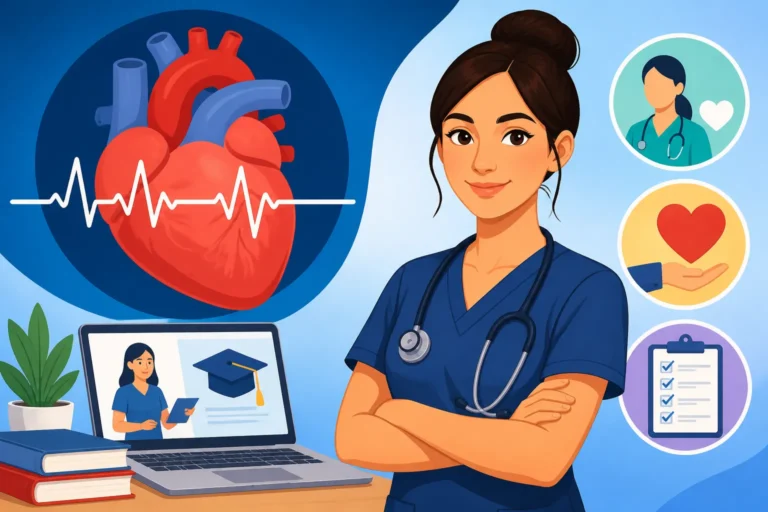
- Critical Care Nurse (ICU/CCU): These nurses care for patients with life-threatening illnesses or injuries, often requiring complex monitoring, advanced technology, and rapid interventions. They work with patients on ventilators, advanced cardiac support, and severe trauma. The environment is intense and requires exceptional critical thinking, assessment skills, and emotional resilience. This is a highly specialized area, and certifications like CCRN are common.
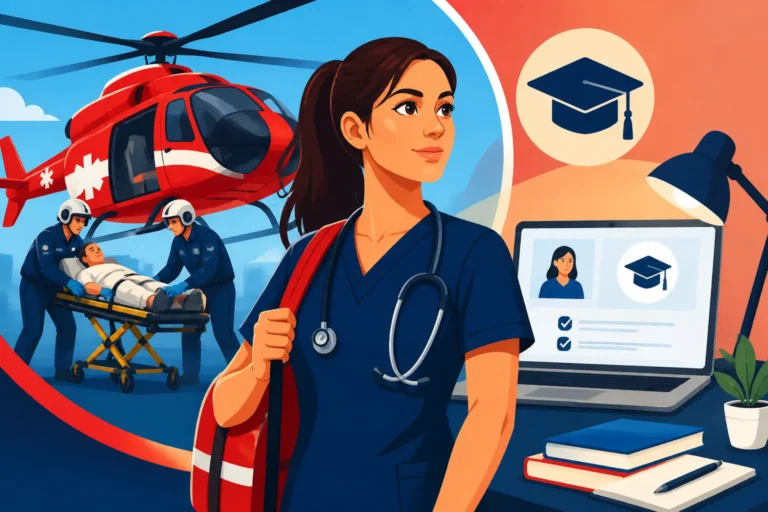
- Emergency Nurse (ER/ED): Emergency nurses are often the first point of contact for patients experiencing acute medical crises. They must quickly assess, prioritize, and stabilize patients of all ages with a vast array of conditions, from minor injuries to severe trauma and cardiac arrest. The ER is a dynamic, unpredictable, and fast-paced environment where no two shifts are ever the same. A Certified Emergency Nurse (CEN) certification is highly valued here.
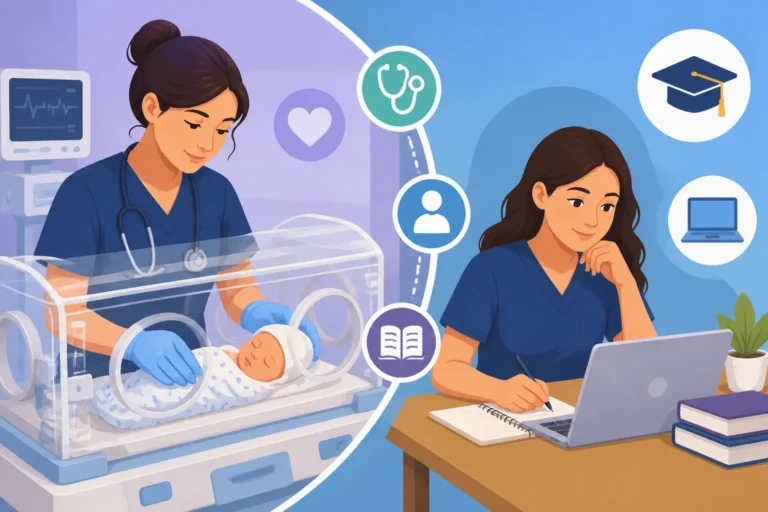
- Labor and Delivery Nurse (L&D): L&D nurses provide comprehensive care to expectant mothers during labor, delivery, and immediately postpartum. They monitor both mother and baby, assist with pain management, educate families, and support natural births while also being prepared for surgical interventions like C-sections. This specialty is a unique blend of high-stakes critical care and joyful celebration.
- Pediatric Nurse: Caring for children, from infants to adolescents, is a distinct specialty. Pediatric nurses adapt their communication and care techniques to suit different developmental stages, often working closely with parents and guardians. They provide care for a wide range of conditions, from routine childhood illnesses to complex chronic diseases, in various settings like hospitals, clinics, and schools.
These bedside specialties are not only rewarding but also often represent some of the Highest-Paying Nursing Specialties due to their critical nature and specialized skill sets.
Non-Bedside and Advanced Practice Specialties
Not all nursing roles involve direct bedside care, and many specialized paths lead to advanced practice roles that require further education and offer greater autonomy.
-
Nurse Educator: If you love teaching and mentoring, this could be your calling. Nurse educators work in academic settings, preparing future nurses, or in healthcare facilities, providing continuing education for staff, developing training programs, and ensuring clinical competency. This role often requires an MSN.
-
Nurse Informaticist: This specialty blends nursing knowledge with technology. Nurse informaticists manage healthcare information systems, analyze data to improve patient care, and ensure technology supports clinical workflows. They play a crucial role in the adoption and optimization of electronic health records (EHRs). An MSN in Nursing Informatics is typically required.
-
Public Health Nurse: Focusing on community-level health, public health nurses work to prevent disease, promote wellness, and protect populations. They might work for local health departments, schools, or non-profit organizations, addressing issues like vaccination campaigns, health screenings, and disease surveillance. This is a vital, often unsung, hero role in healthcare.
-
Legal Nurse Consultant: These specialized nurses apply their medical knowledge to legal cases, providing expertise on medical records, standards of care, and patient outcomes for attorneys, insurance companies, and governmental agencies. It's a fascinating blend of healthcare and law.
-
Nurse Practitioner (NP): NPs are advanced practice registered nurses (APRNs) who have earned at least an MSN and can diagnose, treat, and manage patient conditions, often prescribing medication. They work in a variety of settings, from primary care clinics to specialty offices and hospitals. NP specializations are broad and include:
- Family Nurse Practitioner (FNP): Providing primary care to individuals and families across the lifespan.
- Psychiatric Mental Health Nurse Practitioner (PMHNP): Specializing in mental health assessment, diagnosis, and treatment for individuals and groups.
- Adult-Gerontology Acute Care Nurse Practitioner (AGACNP): Focusing on complex, acute conditions in adult and elderly populations within hospital settings.
These are just a few examples of the many Nurse Practitioner Specializations Explained in our extensive guide. Becoming an NP represents a significant step up in autonomy and responsibility, offering a deeply rewarding career path.
Navigating the Transition and Career Growth
Deciding to specialize is one thing; actually making the transition and ensuring long-term growth in your chosen field is another. It requires adaptability, continuous learning, and a willingness to evolve.
Strategies for Switching Specialties
It's a common scenario: you started in one nursing specialty, gained valuable experience, but now you're feeling a pull in a different direction. Maybe the fast pace of the ER isn't quite for you anymore, or perhaps you've discovered a new passion for palliative care. The good news is, it's absolutely okay to switch! Nursing is a dynamic career, and your interests can (and often will) evolve. Many experienced nurses make successful transitions, leveraging their foundational knowledge while acquiring new, specific skills.
The key is to approach the change strategically. First, identify the transferable skills you already possess—things like patient assessment, communication, critical thinking, and empathy are universal. Then, pinpoint the knowledge or skill gaps for your desired new specialty. This might involve taking a targeted online course, completing specific certifications, or even volunteering in the new area to gain exposure. For example, a medical-surgical nurse wanting to transition to oncology might pursue an Oncology Certified Nurse (OCN) certification while looking for entry-level positions on an oncology unit. Networking, as discussed earlier, becomes even more critical here, as colleagues and mentors can provide advice and help you identify opportunities. Remember, a career change within nursing isn't a step backward; it's a strategic pivot toward a more fulfilling future. If you're pondering a shift, our article on How to Switch Nursing Specialties offers more in-depth advice.
Continuous Learning and Professional Development
The healthcare landscape is constantly changing, with new treatments, technologies, and best practices emerging regularly. This means that continuous learning isn't just a suggestion in nursing; it's a professional imperative, especially once you specialize. To remain an expert in your chosen field, you must commit to ongoing professional development.
This can take many forms: attending national or local conferences focused on your specialty, subscribing to relevant nursing journals and research publications, participating in online webinars, or pursuing advanced certifications within your field. For example, an ICU nurse might obtain additional certifications in cardiac surgery recovery or a specialized trauma certification. Many institutions also offer internal training programs and grand rounds that allow nurses to stay current. This commitment to lifelong learning not only ensures you provide the best possible care but also opens doors for career advancement, leadership opportunities, and often, an increase in earning potential. Staying at the forefront of your specialty demonstrates dedication and enhances your value as a healthcare professional.
Financial Considerations and Return on Investment
Let's face it, investing in further education and specialization often involves financial considerations. It's important to weigh the costs against the potential benefits to understand the return on your investment.
Costs of Specialization Training
The financial outlay for specialization can vary widely depending on the path you choose. If you're pursuing a certification, the primary costs will include exam fees, study materials (like review courses, textbooks, or online platforms such as Uworld), and potentially fees for continuing education units to maintain the certification over time. These costs are generally manageable and often a wise investment given the career boost a certification provides.
However, if your specialization requires an advanced degree like an MSN or DNP, the costs will be significantly higher, encompassing tuition, fees, textbooks, and living expenses if you're reducing work hours. While this can feel daunting, there are numerous avenues to explore for financial assistance. Federal student aid, institutional scholarships, and grants are often available for nursing students. Many healthcare employers offer tuition reimbursement programs, where they help cover the cost of your education in exchange for a commitment to work for them for a certain period after graduation. Exploring these options can significantly offset the financial burden. Our guide to RN to BSN Financial Aid Options provides general advice that is often applicable to other nursing education paths as well.
Salary Potential and Career Growth
One of the most compelling arguments for specialization is the potential for increased earning power and enhanced career growth. While foundational RN roles offer competitive salaries, nurses with specialized skills and advanced degrees often command higher wages. This is a direct reflection of the added value, expertise, and responsibility they bring to a healthcare team. For instance, a certified critical care nurse or an emergency nurse with years of experience typically earns more than a general medical-surgical nurse. Furthermore, roles like Nurse Practitioners or Certified Registered Nurse Anesthetists (CRNAs) are consistently among the highest-paying in nursing, demonstrating a clear financial return on the investment in advanced education.
Beyond the paycheck, specialization often leads to greater job security, as specialized nurses are frequently in high demand, particularly in areas like critical care, mental health, and advanced primary care. The Bureau of Labor Statistics consistently projects strong growth for advanced practice nursing roles. This means that your investment not only potentially increases your income but also solidifies your long-term career prospects. The long-term career satisfaction that comes from working in a field you are passionate about, coupled with the opportunity to make a deeper impact on patient lives, often far outweighs the initial financial investment. To see how degrees impact earnings, read more about Does a BSN Increase Your Salary and Nursing Degrees and Salaries Explained.
Here's a quick comparison of a few paths:
| Specialty/Role | Typical Environment | Required Education/Certifications | Key Skills | Average Annual Salary Range (Approximate)* |
|---|---|---|---|---|
| Staff RN (Med-Surg) | Hospital, clinics | ADN/BSN, RN license | Assessment, medication administration, communication, basic critical thinking | $75,000 – $95,000 |
| Critical Care Nurse | ICU, CCU, ER | BSN preferred, RN license, CCRN/CEN certification (after experience) | Advanced assessment, ventilator management, hemodynamics, rapid response | $85,000 – $115,000 |
| Nurse Educator | University, hospital, clinical setting | MSN, RN license, CNE certification | Curriculum development, teaching, mentorship, evaluation | $80,000 – $105,000 |
| Family Nurse Practitioner (FNP) | Primary care clinics, urgent care, hospitals | MSN/DNP, NP license, FNP certification (e.g., AANP, ANCC) | Diagnosis, treatment planning, prescribing, patient education, chronic disease management | $105,000 – $135,000 |
| Nurse Informaticist | Healthcare systems, consulting | BSN/MSN, RN license, ANCC Informatics Certification | Data analysis, system implementation, project management, process improvement | $90,000 – $120,000 |
*Salary ranges are generalized and can vary significantly based on location, experience, employer, and other factors.
Disclaimer
The information provided in this article is intended for general informational purposes only and does not constitute professional medical, educational, or financial advice. While we strive to provide accurate and up-to-date content, nursing education requirements, career opportunities, and salary expectations can vary significantly by location, institution, and individual circumstances. Readers should consult with academic advisors, career counselors, and financial aid experts for personalized guidance.