How to Become a Hospice Nurse
It’s easy to feel overwhelmed when you’re looking to make a meaningful career shift or deepen your existing nursing expertise, especially into a field as sensitive and specialized as hospice care. Many nurses feel a strong pull towards compassionate care at the end of life, but aren't quite sure of the specific steps, educational requirements, or emotional readiness needed to transition into this incredibly rewarding, yet demanding, area. This comprehensive guide will walk you through everything you need to know about becoming a hospice nurse, from foundational education to professional certifications and the unique skills that make an exceptional end-of-life care provider.
Understanding the Role of a Hospice Nurse
Becoming a hospice nurse means stepping into a truly unique and profound area of nursing, one that focuses not on curing disease, but on providing comfort, dignity, and quality of life for patients nearing the end of their journey. It's a role that demands a blend of clinical expertise, profound empathy, and incredible resilience.
What Exactly Does a Hospice Nurse Do?
At its core, hospice nursing is about holistic care. You’re not just managing symptoms; you're supporting the patient's physical, emotional, spiritual, and social well-being, as well as providing crucial support to their families. This often involves working within a multidisciplinary team that includes doctors, social workers, spiritual counselors, and aides. A hospice nurse's day might involve administering medication to manage pain and other distressing symptoms, educating families on how to care for their loved one, assessing the patient's overall condition and needs, and coordinating with other healthcare professionals to ensure all aspects of care are met. It’s a role that requires keen observation skills, as patients' conditions can change rapidly, and the ability to anticipate needs before they become urgent.
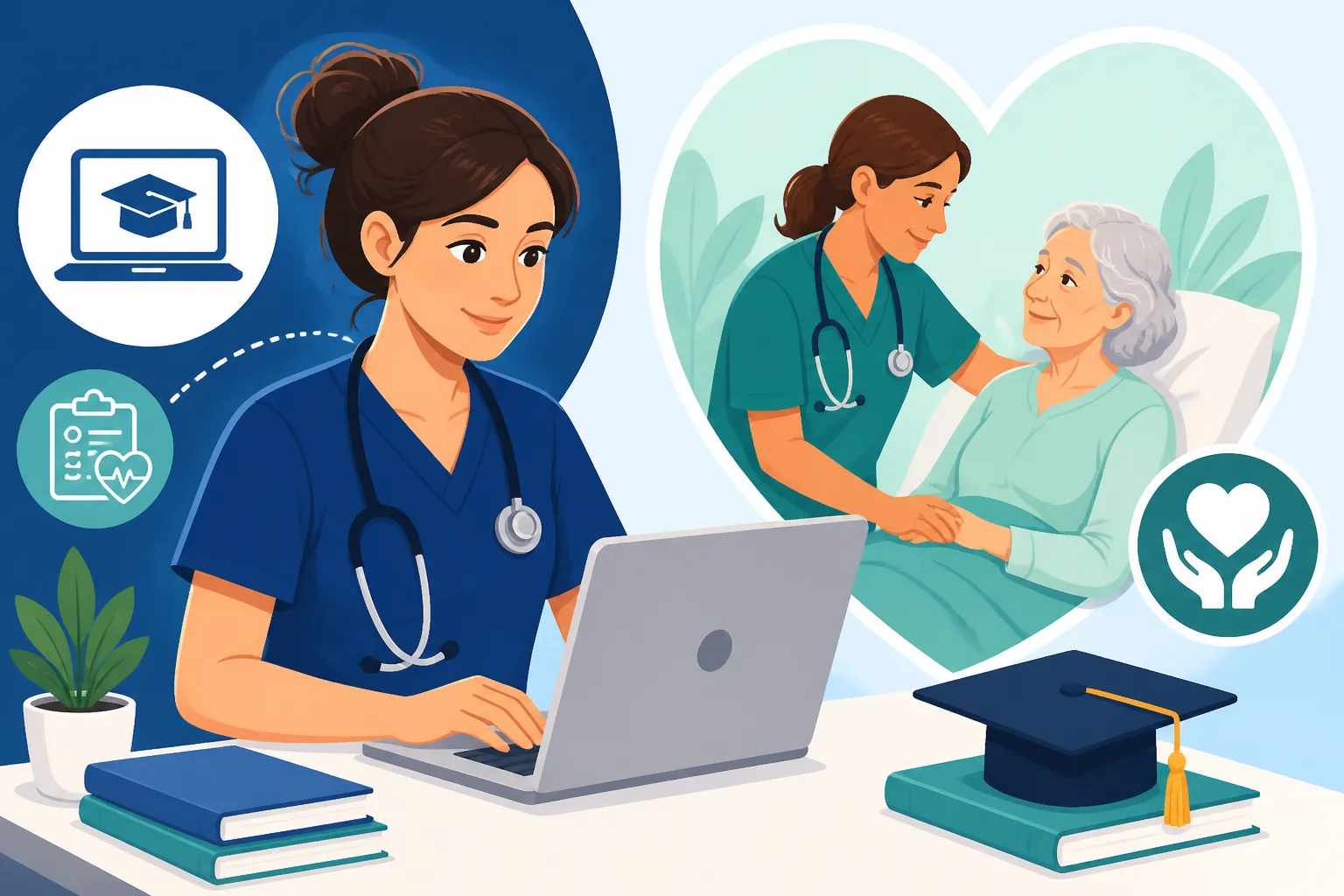
Think about Mrs. Henderson, a sweet 82-year-old with metastatic cancer. A hospice nurse might visit her at home, checking her pain levels, ensuring her medications are properly managed, and observing for any signs of discomfort or changes in her breathing patterns. Beyond the clinical, the nurse might spend time talking with Mrs. Henderson about her favorite memories or reassuring her daughter about the care plan, providing emotional solace that is just as vital as any medication. This is a role where every interaction is significant, and building trust with patients and their families is paramount.
The Unique Environment of Hospice Care
Unlike many other nursing specialties that are primarily hospital-based, hospice care typically occurs in a patient's home, an assisted living facility, or a dedicated hospice inpatient unit. This diverse setting means hospice nurses need to be adaptable and resourceful. Working in a patient's home, for instance, requires navigating a different environment than a controlled hospital setting, often with fewer immediate resources at hand. It also means becoming a guest in someone's personal space, which adds another layer to the nurse-patient relationship.
The focus in hospice is on comfort and peace. This means nurses are often involved in helping patients create a comfortable environment, whether that’s adjusting pillows, playing calming music, or simply sitting quietly with them. It’s about being present and attentive to subtle cues, recognizing that sometimes, the most important care isn't a medical intervention, but simply being a compassionate presence. This shift in focus from curative to palliative care is one of the biggest distinctions for a hospice nurse and is deeply rewarding for those called to this work. For more on the broader landscape of options, you might be interested in exploring other Nursing Specializations Explained.
Educational Pathway to Becoming a Hospice Nurse
Like most nursing careers, the journey to becoming a hospice nurse begins with a solid educational foundation. While direct entry into hospice care right after nursing school isn't common, the general path involves becoming a Registered Nurse (RN) first and then gaining relevant experience.
Obtaining Your Registered Nurse Licensure
The first and most crucial step is to become a Registered Nurse (RN). This typically involves earning either an Associate Degree in Nursing (ADN) or a Bachelor of Science in Nursing (BSN). While an ADN will qualify you to sit for the NCLEX-RN exam and become a licensed RN, many healthcare organizations and hospice providers are increasingly preferring, and sometimes requiring, a BSN. A BSN program provides a more comprehensive education, covering areas like community health, leadership, and research, which are all highly valuable in the independent and holistic nature of hospice nursing. You can learn more about these pathways in our Online RN to BSN Programs: Complete Guide.
After completing an accredited nursing program, you'll need to pass the National Council Licensure Examination (NCLEX-RN) to obtain your nursing license in your state. This exam ensures you have the foundational knowledge and critical thinking skills necessary to practice safely and effectively. Many nurses use review programs like Uworld to prepare for this crucial exam, practicing with thousands of questions to solidify their understanding of core nursing concepts.
Advancing Your Education for Specialized Roles
While a BSN is often sufficient, some nurses choose to pursue a Master of Science in Nursing (MSN) or even a Doctor of Nursing Practice (DNP) to take on advanced roles within hospice care, such as a nurse practitioner specializing in palliative care or a hospice administrator. An MSN can open doors to leadership positions, advanced clinical practice, or teaching roles within hospice organizations.
For example, an MSN-prepared nurse might become a hospice case manager, overseeing a team of nurses and aides, or a palliative care nurse practitioner, providing a higher level of medical management and consultation for complex cases. These advanced degrees further refine your clinical judgment, leadership abilities, and understanding of complex healthcare systems, all of which are assets in the multifaceted world of hospice. Understanding the potential for career growth and how it impacts earning potential can be explored in articles like Nursing Degrees and Salaries Explained and MSN Salary Explained. For those considering higher education, evaluating whether Is an RN to BSN Worth It can provide valuable insights.
Gaining Experience and Certification
Once you have your RN license, gaining practical experience is the next vital step. While some nurses may find entry-level hospice positions, many seasoned hospice nurses began their careers in other areas, building foundational clinical skills. Certification then solidifies your expertise and commitment to the specialty.
Building Foundational Clinical Experience
Many hospice nurses gain initial experience in areas that provide exposure to chronic illness management, pain control, and patient and family communication. This could include medical-surgical units, oncology, critical care, or home health. These settings allow you to hone essential nursing skills such as medication administration, wound care, symptom assessment, and communicating with patients and their families during difficult times. For example, working on an oncology floor at a hospital like Memorial Sloan Kettering Cancer Center in New York would expose you to patients and families grappling with life-limiting illnesses, preparing you for the emotional and clinical demands of hospice.
Consider a nurse who spent several years in an intensive care unit (ICU). While ICU care is focused on saving lives, the nurse develops strong skills in managing acute symptoms, communicating with anxious families, and understanding complex medical conditions. These skills are highly transferable to hospice, where symptom management and family support are central. The ability to remain calm under pressure, make quick assessments, and provide compassionate care in emotionally charged situations are invaluable lessons learned in acute care that translate seamlessly into hospice nursing.
Earning Your Hospice and Palliative Care Certification
While not always a strict requirement, achieving certification in hospice and palliative care is highly recommended and can significantly enhance your career prospects and demonstrate your specialized expertise. The Hospice and Palliative Credentialing Center (HPCC) offers several certifications, including the Certified Hospice and Palliative Nurse (CHPN) for registered nurses. To be eligible for the CHPN exam, you typically need to have an active, unencumbered RN license and a certain number of hours of hospice and palliative nursing practice (e.g., 500 hours in the last 12 months or 1,000 hours in the last 24 months, with 500 of those in the most recent 12 months).
Preparing for the CHPN exam is a rigorous process, similar to preparing for the NCLEX. It requires a deep dive into advanced topics such as pain and symptom management, ethical considerations, psychosocial and spiritual care, and end-of-life decision-making. Resources like Uworld's review materials, though often focused on initial licensure, can help reinforce general nursing knowledge, and specific HPCC-approved study guides are essential. Passing this exam signifies a recognized level of competence and commitment in the field. This credential can not only open doors to more specialized roles but also often comes with increased compensation, a topic further explored in Nursing Certifications That Boost Pay. For details on the general process, see How to Get a Nursing Certification.
Developing Essential Skills for Hospice Nursing
Beyond clinical knowledge and certifications, successful hospice nurses possess a unique blend of soft skills that are critical for providing truly compassionate and effective end-of-life care. These skills can be honed over time and through dedicated self-reflection and practice.
Cultivating Empathy and Compassionate Communication
Hospice care is inherently emotional. Patients and families are navigating profound loss, fear, and grief. Therefore, a hospice nurse must be exceptionally empathetic, able to understand and share the feelings of others without becoming overwhelmed. This isn't just about feeling sorry for someone; it's about connecting on a human level, listening intently, and responding with genuine understanding and kindness. Effective communication involves not only explaining medical information clearly but also being able to sit in silence, offer reassurance, and validate emotions without judgment.
Imagine a situation where a patient expresses fear about dying. A hospice nurse wouldn't dismiss this fear or try to rationalize it away. Instead, they might say, "It sounds like you're feeling scared right now. Can you tell me more about what's on your mind?" This open-ended question invites further dialogue, allowing the patient to express their deepest concerns. This level of communication builds trust and helps patients and families feel seen and heard during their most vulnerable moments. The ability to effectively communicate difficult truths while maintaining hope and dignity is a hallmark of an outstanding hospice nurse.
Building Resilience and Self-Care Practices
Working in hospice care, while deeply rewarding, can also be emotionally draining. Nurses routinely witness suffering, grief, and death. Developing strong resilience and robust self-care practices is not just important; it's absolutely essential to prevent burnout and maintain your own well-being. This might involve setting clear boundaries between work and personal life, seeking support from colleagues or supervisors, engaging in hobbies, spending time in nature, or even seeking professional counseling. Many hospice organizations provide support groups or access to mental health resources for their staff, recognizing the unique emotional toll of the job.
Consider the example of a hospice nurse named Sarah, who works for Hospice of the Western Reserve in Ohio. She has cared for many patients over the years, each one leaving an indelible mark. To cope, Sarah makes sure she disconnects from work emails after hours, schedules regular yoga sessions, and meets weekly with a peer support group from her organization. This proactive approach to self-care allows her to continue providing high-quality, compassionate care without succumbing to compassion fatigue. Without these strategies, even the most dedicated nurses can find themselves struggling, which is why organizations emphasize this aspect of the job. For more on navigating demanding nursing roles, you may find our guide on How to Balance Work and RN to BSN helpful, even if you’re already an RN.
Career Outlook and Compensation for Hospice Nurses
The demand for hospice and palliative care services is steadily increasing, driven by an aging population and a greater recognition of the benefits of specialized end-of-life care. This translates into a positive career outlook for nurses entering this field, often accompanied by competitive compensation.
Job Demand and Growth
The U.S. population aged 65 and older is growing rapidly, and with it, the need for comprehensive end-of-life care. The Bureau of Labor Statistics projects a significant growth in nursing jobs overall, and hospice and palliative care is a specialized area within this growth trend. As more people choose to receive care at home or in dedicated hospice facilities, the demand for skilled and compassionate hospice nurses will continue to rise. This robust demand offers stability and diverse opportunities, whether in direct patient care, case management, or administrative roles.
Hospitals are also expanding their palliative care services, which focuses on providing comfort and symptom management at any stage of a serious illness, not just at the very end of life. This creates additional avenues for nurses with palliative care expertise, bridging the gap between curative treatments and hospice. This growing landscape ensures that a career in hospice nursing is not only personally fulfilling but also professionally secure. For a broader view of the job market, check out Nursing Job Outlook and Demand.
Salary Expectations for Hospice Nurses
Salaries for hospice nurses can vary based on experience, education level (ADN, BSN, MSN), geographic location, and the type of employer (e.g., non-profit hospice, large healthcare system, government agency). Generally, hospice nurses earn competitive salaries, often comparable to other specialized RN roles. The average annual salary for registered nurses in the U.S. is around $89,000, and hospice nurses typically fall within or above this range, especially with experience and certification. Nurses with a BSN or advanced certifications like the CHPN often command higher salaries. For instance, a CHPN-certified nurse with several years of experience working for a large healthcare system in a high-cost-of-living area like California might earn significantly more than an entry-level hospice nurse with an ADN in a rural area.
| Factor | Impact on Salary | Example |
|---|---|---|
| Education Level | BSN often leads to higher pay than ADN; MSN-prepared nurses earn even more. | ADN: $75,000 |
| Experience | Entry-level nurses earn less than those with 5+ years of specialized experience. | New Grad: $70,000 |
| Certification (CHPN) | Can lead to a pay differential or preference for higher-paying positions. | Certified nurses may earn 5-10% more than non-certified peers. |
| Geographic Location | Salaries vary significantly by state and city due to cost of living and demand. | California, New York, Massachusetts typically offer higher salaries than states like Alabama or Mississippi. |
| Employer Type | Large hospital systems or private hospices might offer different compensation packages. | Non-profit hospices may have slightly lower base pay but better benefits compared to some for-profit agencies. |
Nurses with an MSN who become palliative care nurse practitioners can see a significant jump in their earning potential, as nurse practitioners generally earn well over six figures annually. This demonstrates that there are ample opportunities for financial growth and career advancement within the hospice and palliative care sector. For a comprehensive breakdown of how location and education affect earnings, check out How Much Do Nurses Make.
Navigating the Emotional Landscape of Hospice Care
Working in hospice care requires a unique emotional fortitude. While immensely rewarding, it also means confronting difficult realities daily. Understanding and preparing for this emotional landscape is crucial for longevity and effectiveness in the role.
The Rewards of End-of-Life Care
Despite the emotional challenges, hospice nursing is often cited as one of the most rewarding areas of nursing. The profound sense of purpose that comes from providing comfort and dignity during a patient's final days is unparalleled. Nurses often build deep, meaningful connections with patients and their families, becoming a source of strength and solace. Witnessing a peaceful death, knowing you played a significant role in making that possible, can bring a profound sense of accomplishment.
Many hospice nurses speak of the privilege of being present at such a sacred time. They often share stories of patients finding peace, families expressing deep gratitude, and moments of unexpected joy amidst the sadness. For instance, helping a patient fulfill a final wish, like seeing a beloved pet one last time or sharing a last meal with family, creates memories that resonate long after the patient has passed. These human connections and the knowledge that you are easing suffering are the true rewards that keep hospice nurses committed to their calling. This aligns with the broader theme of How to Choose a Nursing Specialty by considering the personal fulfillment aspects.
Managing Grief and Preventing Burnout
The constant exposure to grief and loss can take a toll. Hospice nurses must develop healthy coping mechanisms to process their own emotions and avoid compassion fatigue or burnout. This includes recognizing when you need a break, engaging in activities that bring you joy outside of work, and utilizing available support systems. Many hospice organizations provide debriefing sessions, grief counseling resources, and peer support programs to help nurses process difficult cases. It's vital to acknowledge that it's okay to grieve and to seek help when needed.
For instance, a nurse working with Seasons Hospice & Palliative Care might participate in weekly team meetings where staff can openly discuss challenging cases and share strategies for emotional self-care. It’s not a sign of weakness to feel the weight of the work; it’s a sign of empathy and humanity. The key is to learn to compartmentalize and release those emotions in a healthy way, allowing yourself to fully show up for the next patient and family. This dedication to self-care is not just for the nurse's benefit, but it ensures they can continue to provide the highest quality of care without personal depletion.
Disclaimer
The information provided in this guide is intended for general informational purposes only and does not constitute professional medical, educational, or career advice. Always consult with qualified professionals for specific guidance related to your individual circumstances. Program requirements, costs, and career opportunities can change, so always verify information with official sources.