Labor and Delivery Nurse: Role, Salary, and How to Start
Becoming a Labor and Delivery (L&D) nurse sounds like a dream to many, filled with moments of pure joy as new life enters the world. But let's be real, the reality of working in L&D is far more complex, challenging, and sometimes heartbreaking than the heartwarming images you see on TV. It's a high-stakes, demanding, and incredibly rewarding field. This comprehensive guide is here to pull back the curtain, giving you an honest look at the day-to-day life, the salary you can expect, and the practical steps to make your dream of becoming an L&D nurse a reality.
What Does a Labor and Delivery Nurse Really Do?
When people think of an L&D nurse, they often picture someone just catching babies. While that's certainly part of the magic, it's just a tiny piece of the incredibly diverse and demanding role. An L&D nurse is a skilled clinician, a tireless advocate, a compassionate support system, and often, a quick-thinking problem-solver all rolled into one. You're not just caring for one patient; you're often caring for two or even three lives at once: the mother, the baby, and the anxious partner or family.
Beyond Just Delivering Babies: The Comprehensive Role
From the moment a pregnant person walks into the unit until they're discharged postpartum, the L&D nurse is deeply involved. Your shift might start by admitting a laboring patient, meticulously reviewing their history, and hooking them up to monitors to track contractions and fetal heart tones. You'll be the one administering medications, assessing pain, and constantly evaluating the progression of labor. This means countless vaginal exams, adjusting epidurals, encouraging position changes, and, yes, often holding a hand and offering words of encouragement when things get tough. You’re also the primary point of contact for the family, interpreting medical jargon and providing reassurance. For a deeper dive into what makes various nursing fields unique, check out our guide on Nursing Specializations Explained.
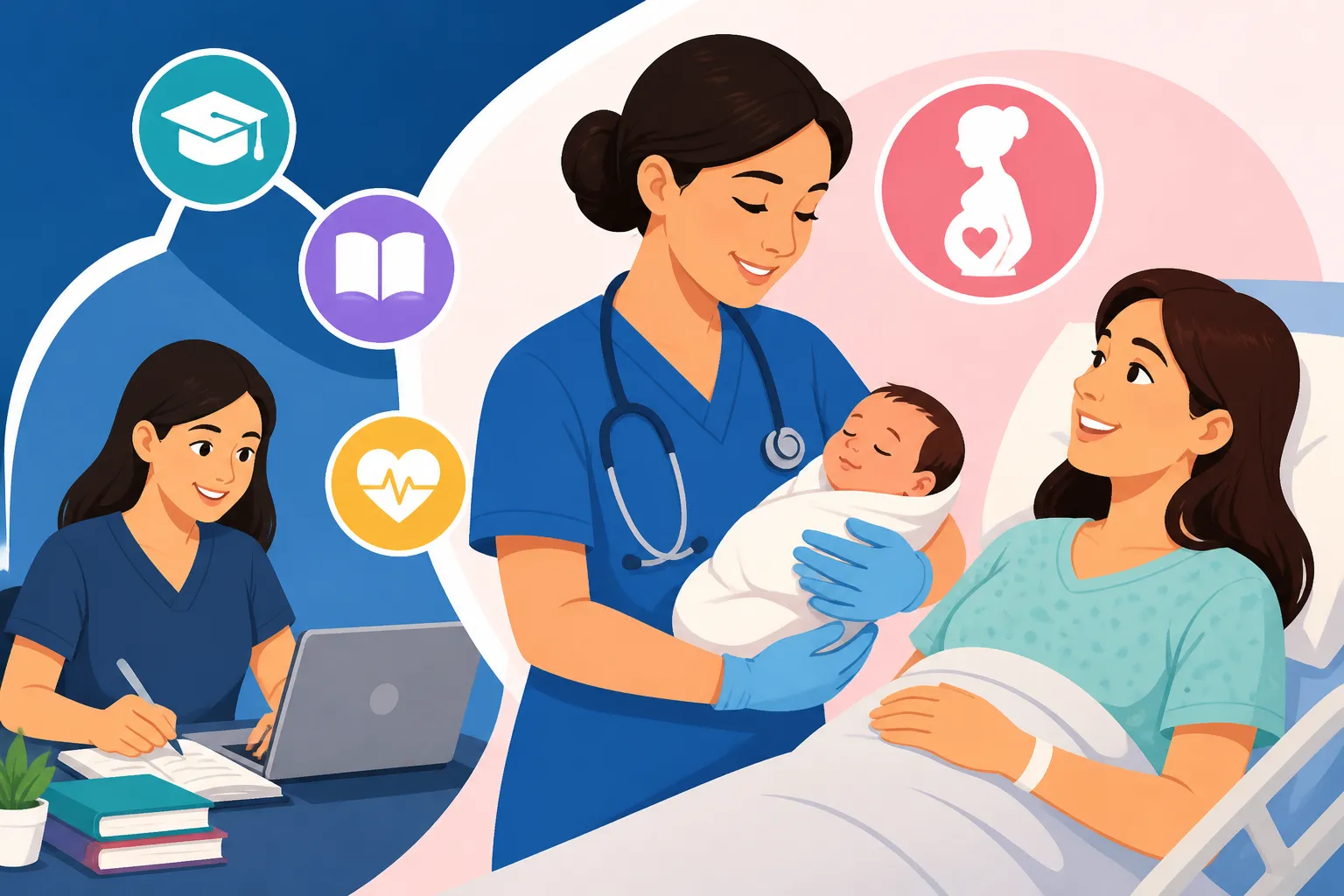
When it's time for delivery, whether it's a natural birth, an assisted delivery, or a C-section, you're right there. In a vaginal birth, you'll be coaching pushing, monitoring vital signs, assisting the doctor, and preparing for that glorious first cry. For a C-section, you might be circulating in the operating room, ensuring everything is sterile and accounted for, or recovering the patient afterward. And after the baby arrives, your job is far from over. You'll perform initial newborn assessments, assist with skin-to-skin contact, help initiate breastfeeding, and monitor both mom and baby for any complications like hemorrhage or respiratory distress. It’s an incredibly dynamic environment where every minute can bring a new challenge.
The Emotional Rollercoaster: Highs and Lows of the Job
Let's be honest, L&D is a job that will tug at every single one of your heartstrings. The highs are incredibly high. There’s nothing quite like witnessing the sheer joy on parents’ faces as they meet their baby for the first time. You’re part of a miracle, a new family’s beginning, and those moments of pure elation can make all the long shifts and stress melt away. You celebrate every successful delivery, every healthy baby, and every relieved parent.
However, it's also crucial to understand the profound lows. Not every birth story has a happy ending. You will encounter difficult cases: fetal distress, emergency C-sections, stillbirths, NICU admissions, and mothers facing severe complications. You might be supporting a family through the unimaginable grief of loss, or helping a new mother navigate a traumatic birth experience. These moments are incredibly challenging, both emotionally and professionally, and require immense resilience, empathy, and self-care. It's a constant balancing act between celebrating life and supporting families through their most vulnerable moments, making it essential for nurses to understand how to prioritize their mental health and well-being.
Working Environment and Typical Shifts
L&D nurses primarily work in hospital settings, specifically in labor and delivery units, birth centers, or sometimes in high-risk antepartum units. These units are often bustling, fast-paced environments where emergencies can arise at any moment, shifting from calm to chaos in an instant. You'll work closely with a team including obstetricians, residents, anesthesiologists, neonatologists, scrub techs, and other nursing staff. Strong teamwork and communication are non-negotiable.
Shift patterns typically involve 12-hour shifts, often with rotating days, nights, weekends, and holidays. This can be tough on your personal life, but it also means longer stretches off during the week. You'll need to be prepared for the unpredictable nature of birth—it rarely happens on a schedule! A shift can turn on a dime, requiring you to prioritize quickly and efficiently. For nurses considering advanced education to specialize further, understanding the commitment to programs like Online MSN Programs: Complete Guide is crucial, as they also demand significant time and dedication.
The Financial Picture: Labor and Delivery Nurse Salary Insights
Now, let's talk about the practical side of things: how much can you expect to earn as a Labor and Delivery nurse? Nursing salaries vary wildly depending on so many factors, and L&D is no exception. While the emotional rewards are immense, it’s fair to expect a competitive salary that reflects the critical skills and demands of the role.
Factors Influencing L&D Nurse Pay
Several key elements play a significant role in determining an L&D nurse's salary:
- Geographic Location: This is perhaps the biggest factor. Nurses in high cost-of-living areas like California, New York, or Massachusetts generally earn more than those in states with lower costs of living. For instance, an L&D nurse in Los Angeles might make significantly more than one in rural Arkansas, even with similar experience. Our detailed guide on How Much Do Nurses Make provides an excellent overview of national salary trends.
- Years of Experience: Like most professions, your salary tends to increase with experience. New graduate nurses will start at a lower pay scale than seasoned L&D nurses with 5, 10, or even 20 years under their belt.
- Education Level: While you can become an L&D nurse with an Associate's Degree in Nursing (ADN), most hospitals prefer or even require a Bachelor of Science in Nursing (BSN). Earning your BSN often translates to higher starting pay and more opportunities for advancement. If you're currently an ADN-prepared nurse, exploring options like Online RN to BSN Programs: Complete Guide can be a smart career move.
- Employer Type and Size: Large hospital systems, especially those with specialized women's and children's centers, might offer higher wages and more comprehensive benefits packages compared to smaller community hospitals or birth centers. Unionized hospitals can also offer different salary structures.
- Certifications: Obtaining specialty certifications, like the RNC-OB (Inpatient Obstetric Nursing) or Electronic Fetal Monitoring (EFM) certifications, demonstrates advanced expertise and commitment to the field, which can lead to higher pay or eligibility for premium roles.
Average Salary Expectations
Based on recent data, the average salary for a Registered Nurse (RN) in the United States ranges from approximately $75,000 to $95,000 per year. For L&D nurses, who often work in demanding specialty units, the salary can often be on the higher end of or even exceed this average due to the specialized skills required. Entry-level L&D nurses might start in the $60,000-$70,000 range in many areas, while experienced nurses in high-paying regions could easily earn $90,000 to $120,000 or more annually.
Here’s a simplified look at how experience can impact L&D nurse salaries:
| Experience Level | Estimated Annual Salary Range |
|---|---|
| New Graduate (0-1 year) | $60,000 – $75,000 |
| Mid-Career (2-9 years) | $75,000 – $95,000 |
| Senior (10+ years) | $95,000 – $120,000+ |
Note: These figures are general estimates and can vary significantly based on location, employer, and other factors mentioned above.
Boosting Your Earning Potential
Want to make sure you’re earning what you’re worth as an L&D nurse? Here are some strategies:
- Pursue a BSN: If you only have an ADN, getting your BSN is one of the most impactful steps you can take. Many employers offer tuition reimbursement programs, and having a BSN opens doors to more advanced roles and higher pay. Our article Is an RN to BSN Worth It delves into the benefits of this degree.
- Gain Experience: The more years you spend honing your skills in L&D, the more valuable you become. Stick with it, learn everything you can, and become a clinical expert.
- Earn Specialty Certifications: The RNC-OB from the National Certification Corporation (NCC) is the gold standard for L&D nurses. Other certifications like Advanced Cardiovascular Life Support (ACLS) and Neonatal Resuscitation Program (NRP) are often required and can be excellent additions to your resume. Preparing for these can be rigorous, so using resources like Uworld for practice questions and study guides can really make a difference. These certifications not only validate your expertise but can also make you eligible for higher pay scales. You can learn more in our guide on Nursing Certifications by Specialty.
- Seek Out Higher-Paying Locations: If flexibility allows, moving to a state or city with a higher demand for nurses and a higher cost of living often means higher salaries.
- Advance Your Education Further: Consider a Master of Science in Nursing (MSN) or a Doctor of Nursing Practice (DNP) with a specialization like a Women's Health Nurse Practitioner (WHNP). These roles involve greater autonomy, responsibility, and significantly higher salaries. Exploring options like Women's Health NP Salary and Job Outlook can show you the potential.
How to Begin Your Journey as a Labor and Delivery Nurse
Ready to dive into the world of L&D? It’s a specialized field, and getting your foot in the door requires a strategic approach. It's not always a straight path, but with dedication and smart choices, you can make it happen.
Essential Education and Licensure
First things first, you need to become a Registered Nurse (RN). This means obtaining either an Associate's Degree in Nursing (ADN) or a Bachelor of Science in Nursing (BSN) from an accredited program. While both will qualify you to sit for the NCLEX-RN exam, most hospitals, especially those with Magnet status or in competitive urban areas, strongly prefer or even require new hires to have a BSN. A BSN provides a broader education in leadership, research, and community health, which are crucial for navigating complex patient care scenarios. Our article ADN vs BSN: Key Differences offers a detailed comparison to help you decide.
After graduating from your nursing program, you must pass the NCLEX-RN examination to become licensed. This comprehensive exam tests your ability to apply nursing knowledge and skills safely and effectively. Many students find review courses and practice questions, often found on platforms like Uworld, invaluable for preparing for this critical exam. Once licensed, you’re officially an RN, ready to embark on your L&D journey.
Gaining Critical Experience
Here’s where it can get tricky: L&D is often considered a specialty that requires prior nursing experience. Many new grads find it challenging to land an L&D position right out of school because units prefer nurses who already have a solid foundation in acute care and critical thinking.
However, don't despair! There are several pathways:
- New Grad Residency Programs: Some larger hospitals offer specialized new graduate residency programs specifically for L&D. These programs provide extensive training, mentorship, and a structured orientation period (often 6-12 months) to prepare new nurses for the demands of the unit. These are highly competitive, so strong academic performance, relevant clinical rotations, and a compelling personal statement are key.
- Medical-Surgical or Antepartum Experience: If a direct L&D new grad position isn't available, consider starting in a related field. Working on a general medical-surgical unit, or even better, an antepartum unit (where high-risk pregnant patients are managed before labor), can provide invaluable experience in patient assessment, medication administration, critical thinking, and communication that will serve you well in L&D. After a year or two in one of these areas, you'll be a much stronger candidate for an L&D opening.
- Women's Health/Postpartum Units: Gaining experience on a postpartum unit, caring for mothers and newborns immediately after birth, also provides a fantastic foundation. You’ll learn newborn care, maternal assessments, breastfeeding support, and identify common postpartum complications, all highly relevant to L&D. Many L&D nurses cross-train or rotate through postpartum.
- Preceptorships and Internships: During your nursing program, actively seek out clinical rotations or internships specifically in L&D or women's health. This hands-on experience not only looks great on a resume but also helps you build connections and gain a realistic understanding of the role.
Key Skills and Traits for Success
Beyond the clinical knowledge, certain personal traits are absolutely essential for a thriving career in L&D:
- Exceptional Communication Skills: You’ll be communicating with patients, anxious family members, and a diverse healthcare team. Clear, calm, and empathetic communication is paramount, especially in high-stress situations.
- Critical Thinking and Quick Decision-Making: Labor and delivery can be unpredictable. You need to be able to assess rapidly, identify subtle changes in mother or baby, and escalate concerns appropriately. Every second can count.
- Empathy and Compassion: You’ll be supporting families through one of the most significant and vulnerable times in their lives. The ability to connect, validate feelings, and provide comfort is crucial, whether it's a joyous birth or a difficult loss.
- Stress Management and Resilience: L&D is emotionally and physically demanding. You will witness incredible moments, but also tragic ones. Developing strong coping mechanisms and resilience is vital to prevent burnout.
- Attention to Detail: Meticulous charting, precise medication administration, and careful monitoring are critical to patient safety. There's little room for error when dealing with two lives.
- Teamwork: You are part of a larger team. Being a good team player, supporting your colleagues, and collaborating effectively with physicians and other staff is fundamental to a smooth-running unit.
Continuing Your Education and Specialization in L&D
Becoming an L&D nurse is a fantastic achievement, but for many, it's just the beginning of a lifelong journey of learning and professional growth. The field of maternal-fetal health is constantly evolving, and there are ample opportunities to deepen your expertise and advance your career.
Advanced Certifications to Consider
Once you have a few years of experience under your belt, pursuing advanced certifications can significantly boost your credibility, knowledge, and even your earning potential. These demonstrate a commitment to excellence and specialized expertise.
- RNC-OB (Inpatient Obstetric Nursing): Offered by the National Certification Corporation (NCC), this is widely considered the premier certification for L&D nurses. It validates advanced knowledge in obstetric, gynecological, and neonatal nursing. Preparing for this exam is a rigorous process, and many nurses utilize specialized study guides and extensive question banks, much like those offered by Uworld for NCLEX prep, to ensure they’re ready. Achieving this certification often makes you a more attractive candidate for leadership roles or higher-paying positions.
- C-EFM (Certification in Electronic Fetal Monitoring): Also offered by the NCC, this certification focuses specifically on the interpretation of fetal heart monitoring strips, a critical skill in L&D. Understanding and accurately assessing fetal well-being through these strips is paramount to patient safety and is a foundational skill that requires continuous updating.
- ACLS (Advanced Cardiovascular Life Support) and NRP (Neonatal Resuscitation Program): While often required for L&D nurses, these certifications are essential for managing maternal and neonatal emergencies. They equip you with the skills to respond effectively to cardiac arrest in adults and respiratory/cardiac distress in newborns, respectively. Keeping these current is non-negotiable. If you're wondering how to further your credentials, our article on How to Get a Nursing Certification provides valuable insights.
Career Advancement Opportunities
Your journey doesn't have to stop at the bedside, although providing direct patient care in L&D is incredibly fulfilling. Many L&D nurses leverage their specialized experience to move into a variety of advanced roles:
- Charge Nurse: This role involves overseeing the daily operations of the L&D unit, coordinating patient assignments, managing staffing, and acting as a resource for other nurses. It’s a leadership position that requires strong organizational and problem-solving skills.
- Clinical Nurse Educator: If you have a passion for teaching and mentoring, becoming a clinical educator allows you to train new nurses, develop educational programs, and ensure the entire staff is up-to-date on best practices and new technologies in maternal-fetal care.
- Unit Manager or Director: These administrative roles involve broader management responsibilities, including budgeting, strategic planning, quality improvement, and staff development for the entire L&D department. These positions often require a BSN or even an MSN, and you can explore more about Online RN to BSN Programs: Complete Guide if you are interested in this path.
- Nurse Practitioner (NP) specializing in Women's Health (WHNP) or Family (FNP): For those seeking even greater autonomy and a direct provider role, pursuing a Master of Science in Nursing (MSN) or a Doctor of Nursing Practice (DNP) and becoming a Women's Health Nurse Practitioner allows you to provide comprehensive gynecological and obstetric care throughout a woman's lifespan, from adolescence to menopause, including prenatal and postpartum care. This is a significant step, as highlighted in How Much Does an MSN Cost and Online MSN Programs: Complete Guide. Other options, like becoming a Family Nurse Practitioner, also allow for care to pregnant patients within a broader scope.
- Lactation Consultant (IBCLC): While not exclusively an L&D role, many L&D nurses pursue certification as an International Board Certified Lactation Consultant to provide expert breastfeeding support to new mothers, either within the hospital or in private practice.
- Flight Nurse or Transport Nurse: For the truly adventurous, some specialized units have transport teams that bring high-risk pregnant patients or critically ill newborns from smaller hospitals to larger tertiary care centers. This is a high-acuity role requiring advanced critical care skills.
The possibilities for growth within nursing are truly vast, especially once you've honed your skills in a specialized area like Labor and Delivery. Your foundation here can open doors to many exciting career paths.
Disclaimer
Please remember that the information provided in this article is intended for general informational purposes only and does not constitute professional medical, financial, or educational advice. Always consult with a qualified professional for specific guidance tailored to your individual situation. Salary data and program requirements can change, so always verify the most current information with official sources and educational institutions.