Hospice Nurse: Role, Salary, and How to Start
When you think of nursing, images of busy emergency rooms or bustling hospital floors might come to mind. But there's a deeply specialized, incredibly profound area of nursing that often gets overlooked, and it's one of the most vital: hospice care. It’s a field that asks nurses to step into the most intimate moments of life, providing comfort and dignity when a cure is no longer possible. This guide will walk you through what it truly means to be a hospice nurse, exploring the unique role, what you can expect to earn, and the steps to embark on this incredibly meaningful career path.
Understanding the Hospice Nurse Role
Becoming a hospice nurse means choosing a path dedicated to compassion, comfort, and unwavering support for patients and their families during one of life's most challenging transitions. It's not about giving up; it's about shifting focus from curative treatment to providing the highest possible quality of life in the time remaining. This role demands a special kind of heart, a sharp clinical mind, and an incredible capacity for empathy.
The Philosophy of Hospice Care
Hospice care operates on a philosophy that prioritizes comfort, dignity, and quality of life for individuals with a life-limiting illness. It’s a holistic approach that addresses not just the physical symptoms, but also the emotional, spiritual, and social needs of both the patient and their loved ones. As a hospice nurse, you become a central figure in this philosophy, working to ensure every day is lived as fully and comfortably as possible. This means understanding that sometimes, the greatest healing isn't about recovery, but about peace and acceptance. You're there to help patients manage pain, navigate complex emotions, and find meaning in their final chapters, all while offering a steadfast presence.
Day-to-Day Responsibilities and Patient Care
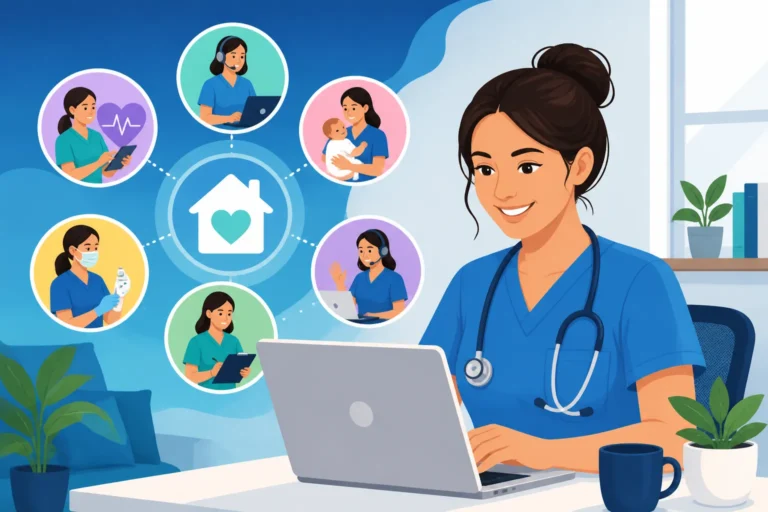
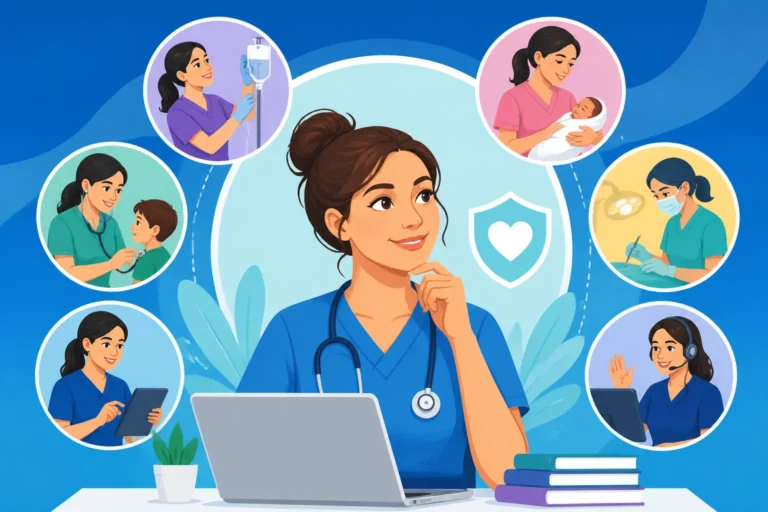
A hospice nurse’s day can be incredibly varied, depending on the setting and the patient's needs. You might be making home visits, spending time in a dedicated hospice facility, or consulting in a hospital setting. Your primary responsibilities will revolve around expert symptom management, including pain control, nausea, anxiety, and other discomforts. This often involves medication administration, wound care, and assessing changes in a patient's condition to proactively address needs. Beyond the clinical tasks, a significant portion of your role involves education and advocacy. You'll teach families how to care for their loved one, explain medication regimens, and help them understand what to expect as the illness progresses. It's about empowering families and ensuring they feel supported, not abandoned, in their journey. This requires excellent communication skills and a deep understanding of the patient's individual care plan.
Supporting Patients and Their Families
One of the most profound aspects of hospice nursing is the connection you build with patients and their families. You're not just treating a disease; you're caring for an entire family unit navigating immense grief and change. This means listening actively, offering emotional support, and sometimes, simply being present. You'll often find yourself answering difficult questions, facilitating conversations about end-of-life wishes, and even providing grief counseling. It's a role that requires you to be a beacon of calm and reassurance, helping families create meaningful moments and memories. This might involve coordinating with social workers, chaplains, and volunteers to ensure all aspects of support are in place. The ability to manage your own emotions while offering unwavering support to others is a crucial skill in this challenging yet rewarding field.
Hospice Nurse Salary and Career Outlook
Many nurses consider specializing in hospice care because of the deep personal reward it offers. But, like any career decision, understanding the financial aspects and future demand is also incredibly important. Let’s talk about what you can expect regarding salary and the overall career landscape for hospice nurses.
Current Salary Expectations
The salary for a hospice nurse can vary quite a bit based on factors like geographic location, years of experience, specific certifications, and the type of employer (e.g., large hospital system, private hospice agency, home health care). On average, registered nurses in the United States earn a median annual salary of around $81,220 as of May 2022, according to the U.S. Bureau of Labor Statistics. Hospice nurses often fall within or slightly above this range due to their specialized skills and the sensitive nature of their work.
For example, in high-cost-of-living states like California, a hospice nurse might see an average salary exceeding $100,000, while in other regions, it could be closer to $70,000-$80,000. New York and Texas also tend to offer competitive salaries for specialized nursing roles, including hospice. Experience plays a huge role; an entry-level hospice nurse will naturally start at a lower pay scale than a seasoned nurse with several years in palliative or end-of-life care. Earning advanced certifications, such as the Certified Hospice and Palliative Nurse (CHPN), can also significantly boost earning potential and demonstrate a higher level of expertise.
Here's a general overview of factors influencing hospice nurse salaries:
| Factor | Impact on Salary |
|---|---|
| Experience | Entry-level: Lower end; 5+ years: Higher end |
| Location | High-demand/High-COL states (CA, NY, MA): Higher |
| Certifications | CHPN: Can increase salary and marketability |
| Employer Type | Large hospital systems vs. smaller agencies: Varies |
| Education | BSN generally commands higher pay than ADN |
Job Growth and Demand
The demand for hospice and palliative care nurses is steadily increasing, and this trend is projected to continue. This growth is primarily driven by an aging population, particularly the Baby Boomer generation, who are living longer and often managing multiple chronic conditions. As medical advancements extend lifespans, more individuals will eventually require end-of-life care focused on comfort and dignity.
The U.S. Bureau of Labor Statistics projects a robust job growth for registered nurses overall, with many of these new positions expected in specialized areas like hospice and home health care. This means that if you're considering a career in hospice nursing, you're looking at a field with strong job security and numerous opportunities. Hospitals, dedicated hospice facilities, and home health agencies are continually seeking skilled and compassionate nurses to fill these vital roles. The need for nurses who can provide expert palliative care is recognized across the healthcare spectrum, making a career as a hospice nurse a stable and rewarding long-term prospect.
How to Become a Hospice Nurse
Embarking on a career as a hospice nurse is a journey that requires not only specific education and clinical experience but also a deep personal commitment to providing compassionate care. It's a role that builds on your foundational nursing knowledge and layers on specialized skills in palliative care.
Educational Path and Initial Licensing
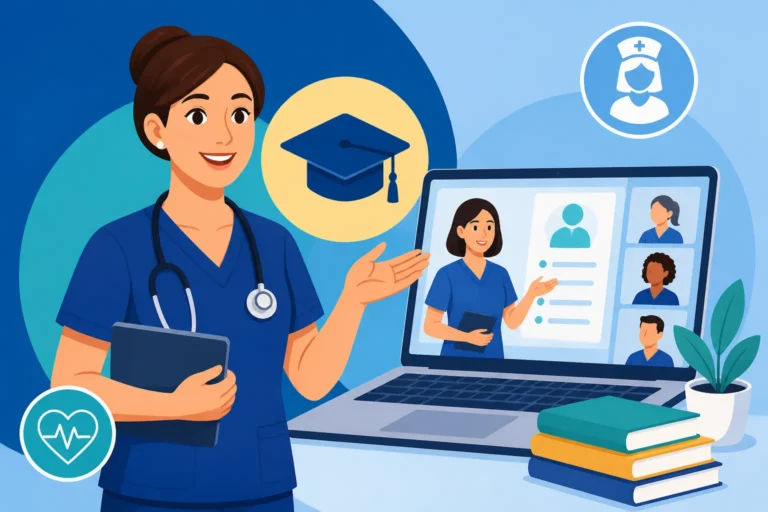
The first step, just like any registered nurse position, is to become a licensed Registered Nurse (RN). This typically involves earning either an Associate Degree in Nursing (ADN) or a Bachelor of Science in Nursing (BSN). While an ADN can get your foot in the door, many employers, especially those in specialized fields like hospice, increasingly prefer or even require a BSN. A BSN program provides a more comprehensive education, including coursework in community health, leadership, research, and critical thinking, which are invaluable in the complex world of hospice care. If you're currently an ADN-prepared nurse, pursuing an online RN to BSN program can be a fantastic way to advance your education while continuing to work.
Once you complete your nursing program, you'll need to pass the NCLEX-RN exam to obtain your RN license in your state. This national licensure exam ensures you have the fundamental knowledge and skills to practice safely and effectively. Passing the NCLEX is a significant hurdle, and many prospective nurses utilize comprehensive study aids, such as those offered by Uworld, to prepare for this critical exam. Their extensive question banks and detailed explanations can be instrumental in building confidence and competence.
Gaining Relevant Clinical Experience
While there isn't a specific "hospice nurse new grad program" that’s widespread, gaining solid clinical experience is crucial. Most hospice agencies look for nurses with at least one to two years of experience in related fields. Areas that provide excellent preparation for hospice nursing include:
- Medical-Surgical Nursing: This provides a strong foundation in patient assessment, medication management, wound care, and managing various chronic conditions.
- Oncology Nursing: Working with cancer patients often means managing complex symptoms and having difficult conversations about prognosis, which is highly relevant to hospice.
- Home Health Nursing: This experience teaches independent patient assessment, time management, and family education in a home environment, mirroring much of hospice care delivery.
- Critical Care or Emergency Room Nursing: While seemingly different, these areas develop rapid assessment skills and the ability to manage acute symptom crises, which can occur in hospice.
The goal is to develop robust clinical skills and a nuanced understanding of chronic illness progression, as well as exceptional communication abilities for working with patients and their families. This practical, hands-on experience is what truly prepares you for the unique demands of hospice care.
Pursuing Specialized Certifications
Once you have your RN license and some relevant clinical experience, pursuing specialized certification is the gold standard for hospice nurses. The most recognized credential is the Certified Hospice and Palliative Nurse (CHPN), offered by the Hospice and Palliative Credentialing Center (HPCC). To be eligible for the CHPN exam, you typically need to have:
- An active, unrestricted RN license.
- A minimum of 500 hours of hospice and palliative nursing practice in the last 12 months, or 1,000 hours in the last 24 months.
Earning your CHPN demonstrates a specialized knowledge base and a commitment to excellence in hospice care. It can enhance your professional credibility, improve your job prospects, and potentially lead to higher earning potential. Just like with the NCLEX, many nurses find comprehensive review materials, including those from Uworld, incredibly helpful in preparing for the CHPN exam. Studying effectively for these certifications can significantly impact your success and confidence. Understanding the full scope of How to Get a Nursing Certification can provide even more insight into this process.
Navigating the Emotional Landscape of Hospice Nursing
Choosing to become a hospice nurse means stepping into a world that, while incredibly rewarding, is also emotionally intense. It's a field where you regularly confront loss, grief, and profound human vulnerability. Acknowledging and preparing for this emotional landscape is not just important—it's essential for your well-being and longevity in the role.
Addressing Grief and Burnout
One of the most significant challenges in hospice nursing is the constant exposure to grief and loss. Every patient you care for is nearing the end of their life, and forming deep connections with them and their families is part of the job. This means you will experience loss repeatedly. If not managed properly, this can lead to compassion fatigue, emotional exhaustion, and burnout. It’s a very real concern for nurses in this specialty, and it's not a sign of weakness to feel the weight of this work.
It's crucial to understand that it's normal to feel sadness, empathy, and even your own sense of grief. The key is to develop healthy coping mechanisms and establish clear boundaries to protect your emotional and mental health. Organizations like the Hospice & Palliative Nurses Association (HPNA) often provide resources and support for nurses dealing with these challenges, emphasizing the importance of recognizing the signs of burnout and seeking help when needed.
Self-Care Strategies for Longevity
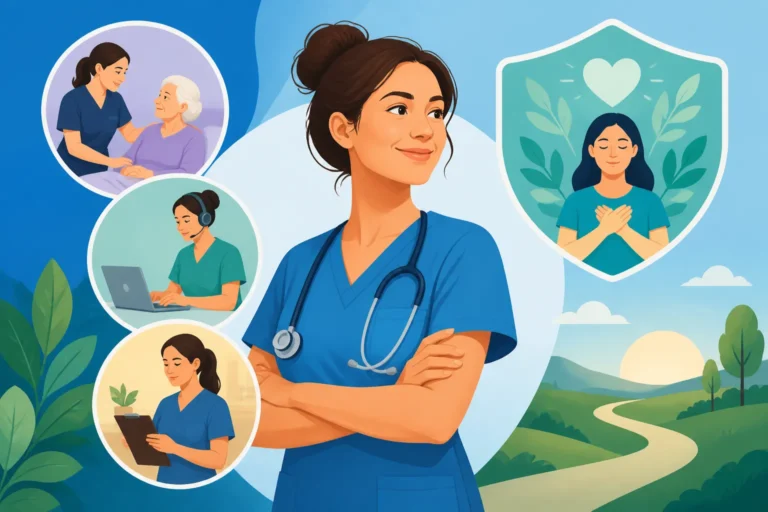
To thrive as a hospice nurse, prioritizing self-care isn't a luxury—it's a professional imperative. Developing a robust self-care routine is vital for preventing burnout and maintaining your emotional resilience. This looks different for everyone, but some common strategies include:
- Debriefing: Talk openly with trusted colleagues, supervisors, or a therapist about difficult cases or feelings. Processing emotions aloud can be incredibly cathartic.
- Mindfulness and Relaxation: Practices like meditation, deep breathing exercises, or simply spending quiet time reflecting can help you decompress after emotionally taxing shifts.
- Hobbies and Interests: Engage in activities completely unrelated to work. Whether it's hiking, painting, reading, or spending time with loved ones, these outlets help you disconnect and recharge.
- Physical Health: Ensure you're getting enough sleep, eating nutritious meals, and exercising regularly. Your physical well-being directly impacts your mental and emotional resilience.
- Setting Boundaries: Learn to say no when you need to, manage your workload, and ensure you have dedicated time away from work. It’s okay to acknowledge your limits.
Remember, you cannot pour from an empty cup. Taking care of yourself allows you to continue providing the highest quality of compassionate care to your patients.
The Profound Rewards of Hospice Nursing
Despite the emotional challenges, hospice nursing is often cited as one of the most fulfilling and meaningful specialties in nursing. The rewards are not always tangible, but they are deeply personal and profound. You have the unique privilege of helping individuals experience peace, comfort, and dignity in their final days. You become a steady presence, a guide, and a source of strength for families during their most vulnerable moments.
Witnessing the profound connections, the moments of peace, and the love shared between patients and their families can be incredibly powerful. Knowing that you played a part in making someone's last chapter as comfortable and meaningful as possible is an unparalleled reward. Many hospice nurses speak of the sense of honor and privilege they feel in this role, finding immense satisfaction in providing truly holistic care and advocating for their patients' wishes. It’s a career that often transforms the nurse as much as it supports the patient, leaving an indelible mark on your heart and soul.
Disclaimer
The information provided in this article is intended for general informational purposes only and does not constitute professional medical, nursing, or career advice. Always consult with qualified healthcare professionals or career counselors for personalized guidance regarding your specific situation. Salary data and job outlook projections are subject to change and may vary based on numerous factors.