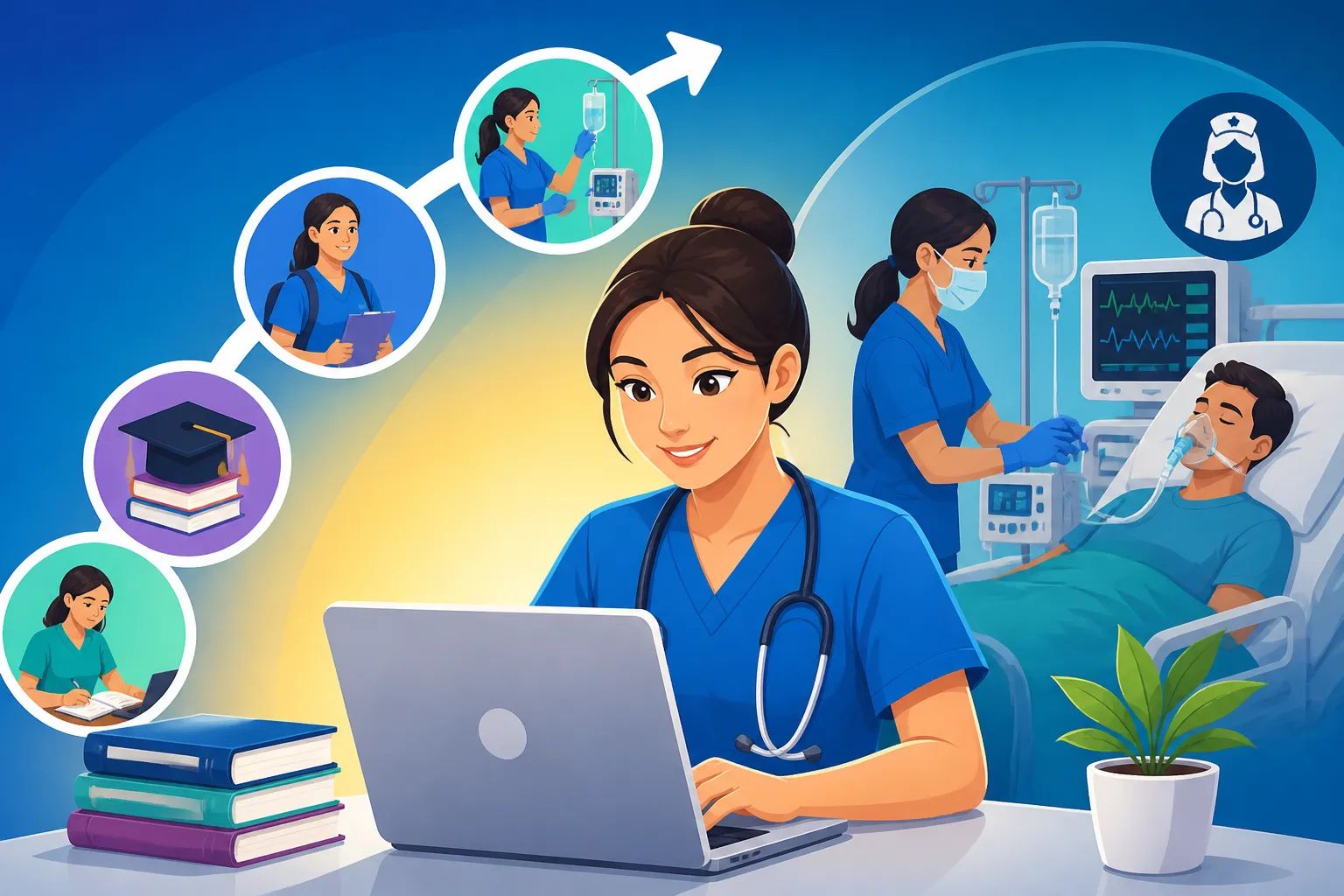
How to Become a ICU Nurse Step by Step
The intensive care unit (ICU) is a demanding yet incredibly rewarding environment where nurses provide life-saving care to critically ill patients. It’s a specialty many aspire to, drawn by the high stakes, complex medical challenges, and the profound impact they can have on patient outcomes. However, the path to becoming an ICU nurse can feel a bit murky, leaving many wondering where to even begin. This guide is designed to clarify that journey, offering a step-by-step roadmap to help you navigate your way into this vital nursing specialization.
Laying the Foundation: Your Education Journey
Before you can even dream of specializing in the fast-paced, high-acuity world of the ICU, you need to establish a strong foundational nursing education. This is where your career officially begins, and the choices you make here can influence your future opportunities.
Earning Your Initial Nursing Degree: ADN or BSN
The very first step is to become a Registered Nurse (RN), and there are two primary pathways to achieve this: an Associate Degree in Nursing (ADN) or a Bachelor of Science in Nursing (BSN). Both degrees prepare you to sit for the NCLEX-RN exam and obtain your nursing license. Many nurses start with an ADN because these programs often take less time, typically two years, and can be more affordable. It's a fantastic way to get your foot in the door quickly and start working as an RN. However, if your long-term goal is to work in a specialized unit like the ICU, or to eventually pursue advanced practice roles, starting with a BSN might be a more direct route.
Choosing between an ADN and BSN often depends on your personal circumstances, including financial considerations and the time you can commit. While an ADN gets you to the bedside faster, many ADN-prepared nurses find themselves pursuing their BSN shortly after graduation to meet employer preferences and open more career doors. This pursuit often takes the form of an Online RN to BSN Programs: Complete Guide program, which allows working nurses to further their education without sacrificing their income or job.
The Critical Role of the BSN
While an ADN makes you a licensed RN, a Bachelor of Science in Nursing (BSN) is increasingly becoming the preferred, if not required, educational background for nurses in critical care settings. Hospitals, especially those seeking or holding Magnet Recognition, often prioritize BSN-prepared nurses due to research showing improved patient outcomes associated with a more educated nursing workforce. A BSN curriculum delves deeper into areas like leadership, research, community health, and evidence-based practice, which are all crucial skills for managing complex ICU patients and contributing to unit-level initiatives.
If you already have an ADN, don't despair! Many hospitals and healthcare systems offer tuition reimbursement or incentives for their ADN nurses to go back to school and earn their BSN. It's a clear indication of how valuable a BSN is perceived in today's healthcare landscape. Moreover, understanding Why Hospitals Prefer BSN Nurses can give you a clear perspective on the competitive edge a BSN provides, especially when vying for a coveted ICU position. The additional education provides a broader understanding of healthcare systems and patient populations, which is invaluable when dealing with the multi-faceted issues found in an ICU.
Passing the NCLEX
Regardless of whether you pursue an ADN or a BSN, the next non-negotiable step is to pass the National Council Licensure Examination for Registered Nurses (NCLEX-RN). This rigorous exam ensures that every licensed RN possesses the fundamental knowledge, skills, and abilities to provide safe and effective patient care. It's the ultimate gatekeeper to your nursing career. Preparing for the NCLEX is a significant undertaking, and many students utilize comprehensive review programs and practice questions to get ready. Platforms like Uworld are incredibly popular among nursing students for their extensive question banks and detailed rationales, which can be instrumental in mastering the test material and building confidence. It’s not just about knowing the content; it’s about understanding how to apply critical thinking in a standardized test format.
A solid study plan, consistent practice, and utilizing reputable resources are key to success. Don't underestimate the importance of this exam; it's the final hurdle between you and your RN license. Once you pass, you can officially apply for licensure in your state and begin your professional nursing career.
Gaining Essential Experience and Knowledge
Once you're a licensed RN, the real journey toward becoming an ICU nurse begins. It's not typically a role for new graduates fresh out of school, as the complexity and acuity demand a strong foundation of general nursing skills and critical thinking.
Starting Your Career: Med-Surg and Beyond
For most aspiring ICU nurses, the immediate step after licensure is to gain experience on a general medical-surgical (Med-Surg) unit. Med-Surg nursing is often considered the bedrock of nursing practice, providing a broad exposure to various patient conditions, medications, procedures, and communication skills. It's where you truly hone your assessment skills, time management, prioritization, and ability to manage multiple patients with diverse needs. Think of it as your nursing boot camp. You'll learn how to handle routine post-operative care, manage chronic diseases, administer a wide range of medications, and interact with interdisciplinary teams.
While it might not be the ICU you're dreaming of, the skills you acquire on a Med-Surg floor are transferable and absolutely essential for critical care. Many hospitals prefer nurses to have at least 1-2 years of solid Med-Surg experience before transitioning to an ICU. This experience demonstrates your ability to handle a significant patient load, react quickly to changes in patient condition, and work effectively under pressure – all prerequisites for the ICU. Other units, like step-down or telemetry, can also provide excellent experience that bridges the gap between general medical care and critical care, exposing you to more monitored patients and advanced interventions.
Developing Critical Care Competencies
As you gain experience, it's crucial to actively seek out opportunities to develop competencies that are specific to critical care. This isn't just about showing up for your shift; it's about being proactive in your learning and professional development. Look for chances to care for sicker patients on your current unit, perhaps those on continuous cardiac monitoring, requiring frequent vital sign assessments, or those with more complex drips. Volunteer for committees, attend in-services, and always ask questions. Showing initiative and a genuine interest in critical care can often lead to mentorship opportunities.
Many hospitals offer internal training programs, workshops, or even preceptorships designed to help nurses transition into specialty areas. Take advantage of these! You might even find opportunities to shadow nurses in the ICU for a day or two, giving you a taste of the environment and a chance to learn from experienced critical care professionals. This proactive approach not only builds your skill set but also demonstrates your commitment and passion for critical care, which will be highly attractive to ICU nurse managers when you eventually apply.
Pursuing Specialized Training and Certifications
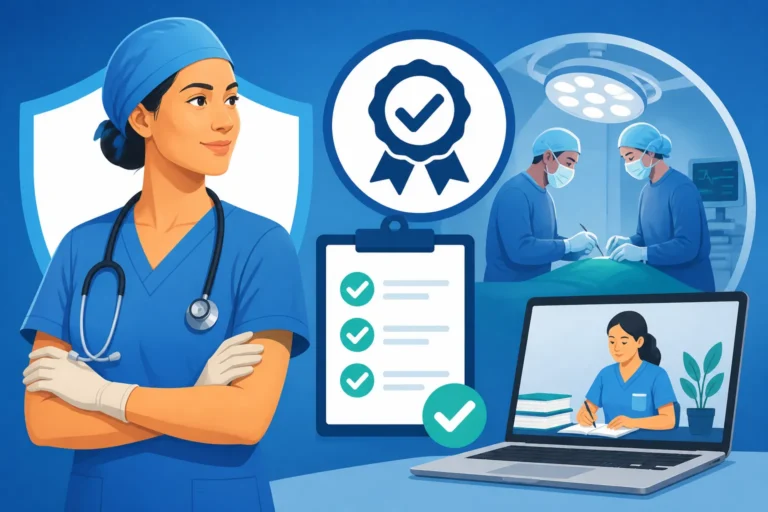
To further solidify your path to the ICU, consider pursuing specialized training and certifications. While not always mandatory for entry-level ICU positions, these credentials significantly boost your resume and demonstrate your commitment to critical care excellence.
The most recognized certification for critical care nurses is the Critical Care Registered Nurse (CCRN) certification, offered by the American Association of Critical-Care Nurses (AACN). Earning your Critical Care Nurse Certification CCRN shows that you possess a high level of clinical knowledge and judgment specific to critically ill patients. It requires a certain number of hours of direct care experience in an ICU setting, so it's often a goal you work towards once you're already in an ICU role. However, there are other certifications you can pursue earlier:
- Basic Life Support (BLS): This is a fundamental requirement for all nurses and will be your first certification.
- Advanced Cardiovascular Life Support (ACLS): ACLS is absolutely essential for critical care. It teaches you how to manage cardiac arrest, arrhythmias, stroke, and other cardiovascular emergencies. Many ICUs require new hires to be ACLS certified within a few months of starting.
- Pediatric Advanced Life Support (PALS): If you're interested in Pediatric ICU (PICU) or Neonatal ICU (NICU), PALS (or NRP for neonates) will be a critical certification.
Beyond formal certifications, many units offer specialized training on things like mechanical ventilation, continuous renal replacement therapy (CRRT), intra-aortic balloon pumps, and advanced hemodynamic monitoring. Immerse yourself in these learning opportunities. They are your keys to understanding the intricate technologies and complex physiological processes inherent in critical care. Just like with NCLEX prep, studying for these certifications can be supported by resources like Uworld, which often have dedicated sections for advanced nursing certifications, providing targeted practice questions and content review.
Landing Your First ICU Role and Thriving
With your education, experience, and certifications in hand, you're ready to make the leap into an ICU role. This is an exciting transition that requires preparation, resilience, and a commitment to lifelong learning.
The ICU Job Search: What to Expect
When you feel ready to apply for an ICU position, tailor your resume and cover letter to highlight your critical thinking skills, any experience with high-acuity patients, and your relevant certifications. Emphasize your dedication to continuous learning and your ability to work effectively in a team. During interviews, be prepared to discuss hypothetical patient scenarios, your understanding of critical care concepts, and how you handle stress and prioritize tasks. Hiring managers will be looking for nurses who are not only clinically competent but also possess strong communication skills, emotional intelligence, and a calm demeanor under pressure.
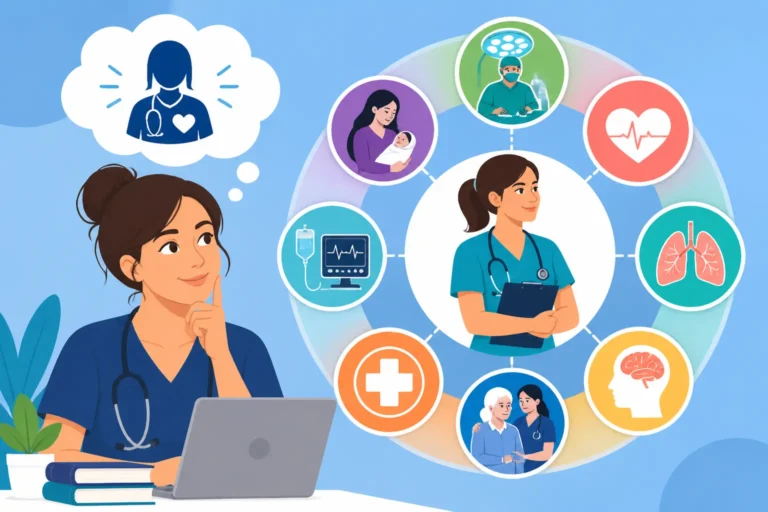
Many hospitals offer extensive ICU residency or fellowship programs for new hires, even for experienced nurses transitioning from other specialties. These programs provide structured orientation, didactic training, and prolonged preceptorships to ease your transition into the critical care environment. Don't be afraid to apply for these; they are designed to set you up for success. Research different hospitals and their ICU offerings. Some facilities might specialize in certain types of ICUs (e.g., Cardiac ICU, Neuro ICU, Medical ICU), so consider what areas truly interest you. Looking into specific roles like ICU Nurse: Role, Salary, and How to Start can also help you refine your job search and understand what different units demand.
Continuous Learning and Career Advancement
Becoming an ICU nurse is not the finish line; it's a new starting point for continuous growth. The critical care landscape is constantly evolving with new technologies, research, and treatment modalities. To truly thrive, you must embrace a mindset of perpetual learning. This means staying up-to-date with current best practices, attending conferences, reading peer-reviewed journals, and participating in unit education. Many ICUs have regular grand rounds or in-service sessions to keep staff informed on new protocols or complex cases.
From a career advancement perspective, your ICU experience opens many doors. After gaining significant experience, you could move into roles such as charge nurse, nurse educator, clinical nurse specialist, or even pursue advanced practice nursing degrees like a Master of Science in Nursing (MSN) to become an Acute Care Nurse Practitioner (ACNP) or a Critical Care Clinical Nurse Specialist. The RN to BSN to MSN Bridge Explained article provides insights into how you can continue your educational journey to achieve these higher-level roles. The skills you develop in the ICU—rapid assessment, advanced monitoring, complex medication management, and intense patient advocacy—are highly sought after across the healthcare spectrum.
Why Become an ICU Nurse
The journey to becoming an ICU nurse is challenging, no doubt, but the rewards and opportunities for growth are immense. It's a specialty that will push you to your limits but also allow you to witness incredible resilience and make a profound difference.
The Rewards and Challenges of ICU Nursing
The rewards of ICU nursing are deeply personal and professional. You become an expert in managing complex, multi-system organ failure, interpreting advanced diagnostics, and implementing life-sustaining interventions. There's an immense sense of satisfaction that comes from helping a patient recover from a life-threatening illness, or providing comfort and dignity during end-of-life care. ICU nurses often form strong bonds with patients and their families during these vulnerable times. You'll work alongside highly skilled physicians, respiratory therapists, pharmacists, and other specialists, fostering a truly collaborative environment. The constant intellectual stimulation and the opportunity to make critical, life-saving decisions are major draws for many.
However, it's vital to acknowledge the challenges. The ICU is emotionally and physically demanding. You will experience patient loss, moral distress, and high-stress situations. Burnout can be a real concern, making self-care and a strong support system absolutely crucial. The patient-to-nurse ratios are typically lower than on general floors (often 1:1 or 1:2), but each patient requires intense, minute-by-minute monitoring and intervention. This constant vigilance, coupled with ethical dilemmas and difficult conversations with families, can take a toll. It’s a career that demands resilience and a deep well of empathy.
Career Progression and Future Opportunities
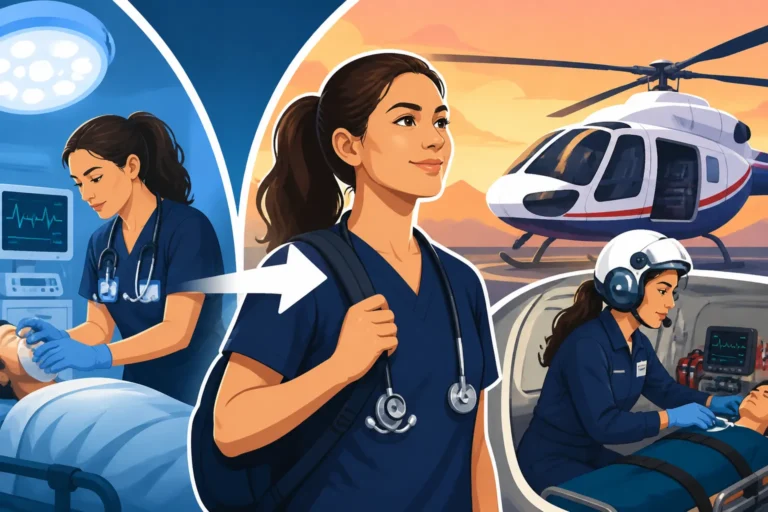
Becoming an ICU nurse is an investment in a dynamic and highly respected career path. The demand for critical care nurses remains consistently high, especially with an aging population and advancements in medical technology that allow more patients to survive previously fatal conditions. Your experience in the ICU makes you an incredibly valuable asset, not just within the hospital, but also in other areas like flight nursing, transplant coordination, or even medical device sales.
| Step | Description | Typical Timeframe | Key Qualifications/Certifications |
|---|---|---|---|
| 1. Initial Nursing Education | Earn an ADN or BSN from an accredited nursing program. While an ADN is a start, a BSN provides a stronger foundation and is often preferred or required for ICU roles and future advancement. | ADN: 2 years BSN: 4 years |
High school diploma/GED, completion of prerequisite courses (biology, chemistry, anatomy, physiology, microbiology, etc.). |
| 2. Pass the NCLEX-RN | Successfully pass the national licensure exam to become a Registered Nurse (RN). This is required for practice in any nursing setting. | Study period varies (typically 1-3 months post-graduation) | Completion of an approved nursing program, strong test-taking skills, often aided by review courses and practice questions (e.g., Uworld). |
| 3. Gain General Nursing Experience | Work on a Med-Surg unit, telemetry unit, or step-down unit to build fundamental nursing skills, time management, and critical thinking. | 1-2 years | RN license, BLS certification. |
| 4. Acquire Critical Care Competencies | Actively seek out opportunities for advanced patient care, complete ACLS, and other relevant certifications. Take advantage of in-hospital training. | Concurrent with experience, varies | ACLS, PALS (if applicable), unit-specific competencies (ventilator management, hemodynamic monitoring). |
| 5. Secure an ICU Position | Apply for open ICU positions, highlighting relevant experience and certifications. Consider ICU residency programs for new hires or those transitioning specialties. | Varies by job market and experience | Strong interview skills, demonstrated critical thinking, RN license, BLS, ACLS (often required within first few months). |
| 6. Continuous Learning & Certification | Engage in ongoing professional development, pursue the CCRN certification, and stay updated on critical care advancements. | Ongoing throughout career | CCRN (after 1,750-2,000 hours of critical care experience), specialized course completion. |
The skills you hone in the ICU—such as rapid assessment, sophisticated technological mastery, nuanced communication with diverse stakeholders, and robust ethical decision-making—are transferable to nearly any healthcare setting. Furthermore, many critical care nurses choose to become educators, sharing their invaluable knowledge with the next generation of nurses, or move into administrative roles to help shape the future of healthcare delivery. The options for growth and specialization are virtually limitless, making the commitment to becoming an ICU nurse a truly rewarding long-term investment in your professional life.
Disclaimer
Please remember that this guide offers general advice. Specific requirements and pathways can vary based on your location, the institution, and current healthcare regulations. Always verify information with prospective employers and educational institutions.