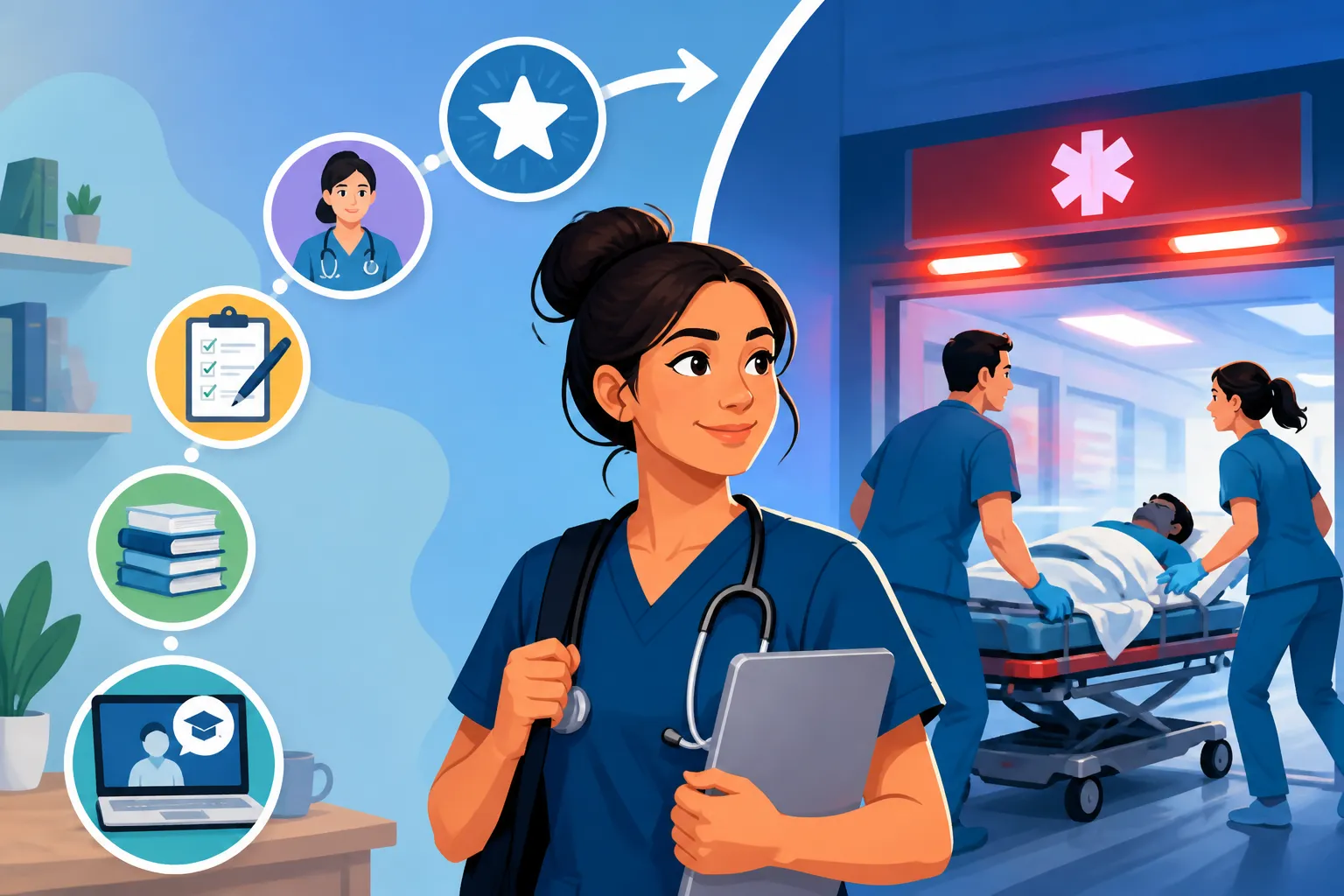
How to Become a ER Nurse Step by Step
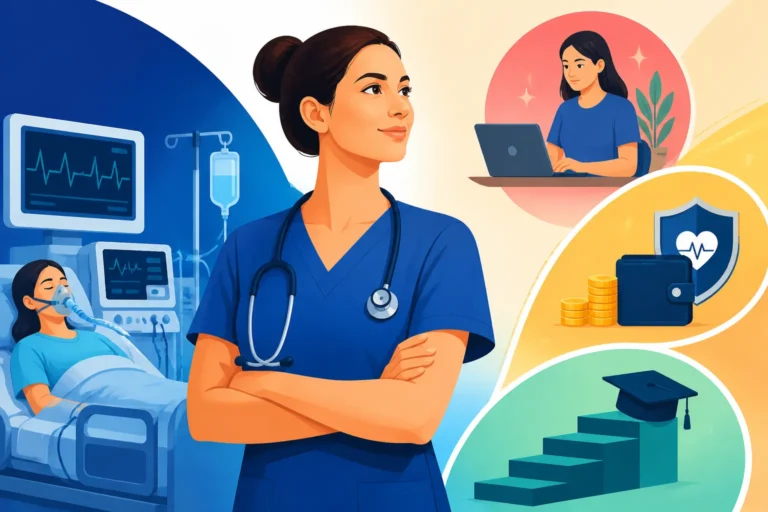
So, you're a nurse, or you're thinking about becoming one, and the thought of routine, predictable shifts just doesn't quite light a fire in your belly. You crave adrenaline, quick thinking, and the satisfaction of making a critical difference when every second counts. This feeling often leads aspiring and experienced nurses alike to wonder how to carve out a career in the high-octane world of the Emergency Room. This comprehensive guide will walk you through the essential steps, from education to certification, to help you become an ER nurse.
Understanding the ER Nurse Role and Environment
Becoming an ER nurse isn't just about clocking in and out; it's a lifestyle, a calling for those who thrive under pressure and possess an innate ability to pivot and prioritize in chaotic situations. It’s a specialty that demands a unique blend of clinical expertise, emotional resilience, and lightning-fast decision-making.
What Exactly Does an ER Nurse Do
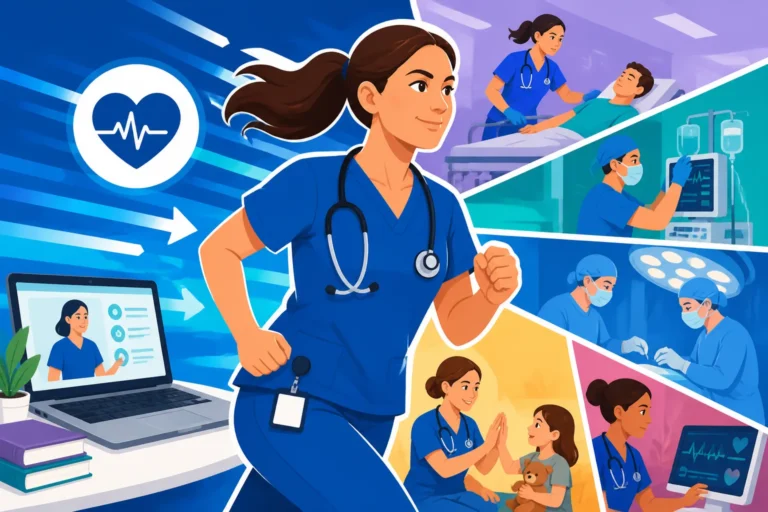
Imagine a typical shift in the Emergency Room. It's rarely "typical," of course. One moment you might be triaging a patient with a minor cut, and the next, you're assisting with a life-saving intubation for someone experiencing cardiac arrest. ER nurses are the front-line responders in the hospital, the first point of contact for patients experiencing acute illnesses, injuries, and traumas. They are responsible for a vast array of duties, which can include performing rapid assessments, stabilizing critically ill patients, administering medications, managing wounds, assisting with minor procedures, educating patients and families, and coordinating care with physicians and other specialists.
They see everything from minor sprains and stomach bugs to gunshot wounds, heart attacks, strokes, and major car accident victims. This wide scope requires nurses to have a broad knowledge base across all age groups and medical conditions. It’s not just about treating symptoms; it’s about quickly identifying the underlying problem, anticipating potential complications, and initiating appropriate interventions, often simultaneously for multiple patients.
The Fast-Paced, High-Stakes Environment
The ER is a place where chaos can erupt in an instant, and it’s up to the nursing staff to bring order and provide critical care. The pace is relentless, the patient turnover is high, and the stakes are always significant. You're constantly moving, thinking, and adapting. This environment requires a profound ability to multitask and manage time effectively. You might be caring for a non-urgent patient in one room while simultaneously monitoring a critically unstable patient next door, all while new patients are constantly arriving at triage.
This high-pressure setting also means encountering emotional situations frequently. You'll work with patients and families who are experiencing fear, pain, grief, and anxiety. Maintaining composure, empathy, and clear communication in these moments is paramount. Unlike other units where you might develop long-term relationships with patients, ER nursing is often about brief, intense interactions, where your ability to make a positive impact quickly is key. The adrenaline can be addictive for some, but it also requires robust coping mechanisms and a strong support system to prevent burnout.
Essential Qualities for Success in the ER
To thrive as an ER nurse, certain personal and professional qualities are absolutely non-negotiable. First and foremost, you need exceptional critical thinking skills. You’ll often be presented with incomplete information and have to piece together a clinical picture rapidly to make sound judgments. A strong stomach and resilience are also crucial; you will encounter traumatic injuries, bodily fluids, and distressing situations regularly.
Adaptability is another key trait. No two shifts are the same, and you must be able to switch gears, prioritize, and adjust your care plan at a moment's notice. Excellent communication skills are vital, not only for interacting with patients and their families but also for effective teamwork with physicians, paramedics, and other healthcare professionals. Finally, a calm demeanor under pressure, a compassionate heart, and a genuine desire to help people during their most vulnerable moments will serve you incredibly well in this challenging but profoundly rewarding specialty.
Educational Pathway to Becoming an ER Nurse
The journey to becoming an ER nurse, like any specialized nursing role, begins with foundational education and licensing. There are several paths you can take, each with its own advantages, but all lead to the same critical first step: becoming a Registered Nurse (RN).
Earning Your Initial Nursing Degree (ADN or BSN)
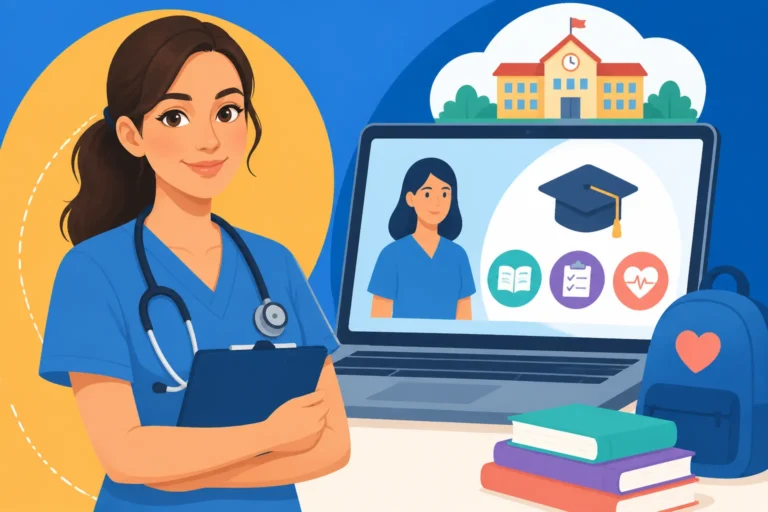
To become a Registered Nurse, you'll need to complete an approved nursing program. The two most common entry-level degrees are the Associate Degree in Nursing (ADN) and the Bachelor of Science in Nursing (BSN). An ADN program typically takes about two years to complete and focuses heavily on direct patient care skills. It's a faster route to becoming an RN and starting your career. However, many hospitals, especially larger academic medical centers or those seeking Magnet status, increasingly prefer or even require nurses to hold a BSN. You can learn more about the differences in my guide on ADN vs BSN: Key Differences.
A BSN program usually takes four years and provides a broader education, including leadership, research, community health, and critical thinking skills. While you can become an ER nurse with an ADN, many nurses find pursuing their BSN is beneficial for career advancement and opens more doors. If you start with an ADN, you can always pursue an Online RN to BSN Programs: Complete Guide while working to meet the growing preference for BSN-prepared nurses. This allows you to continue gaining valuable experience while furthering your education.
Passing the NCLEX-RN and Getting Licensed
After completing your nursing program, the next monumental step is to pass the National Council Licensure Examination for Registered Nurses (NCLEX-RN). This exam is a rite of passage for all aspiring RNs, ensuring that you have the knowledge and critical thinking skills required to practice safely and effectively. It’s a challenging exam that covers all aspects of nursing, from patient care and safety to pharmacology and mental health.
Preparing for the NCLEX-RN is an intensive process. Many nursing students utilize comprehensive review courses and practice questions to get ready. Platforms like Uworld offer robust question banks and detailed rationales that many students find invaluable for understanding the content and testing strategies. Successfully passing the NCLEX-RN allows you to apply for your RN license in your chosen state. This license is your official permission to practice as a Registered Nurse, and it's essential before you can begin working in any nursing specialty, including the ER.
Considering an Accelerated BSN for Career Changers
Perhaps you already hold a bachelor’s degree in another field and are now feeling the pull towards nursing. For individuals in this situation, an Accelerated BSN Programs Explained can be an excellent pathway. These programs are specifically designed for those who have a non-nursing bachelor's degree and want to transition into nursing quickly. They are intensive, fast-paced programs that condense the core nursing curriculum into a shorter timeframe, often 12 to 18 months.
While demanding, an accelerated BSN allows you to leverage your prior academic achievements and enter the nursing field without starting from scratch. Many universities offer Online Accelerated BSN Programs that combine didactic coursework with in-person clinical rotations, providing flexibility without sacrificing hands-on experience. This path can be particularly appealing if you’re eager to jump into a specialty like ER nursing, as it provides a direct route to obtaining a BSN, which is often favored by emergency departments.
Gaining Experience and Specializing in Emergency Nursing
Once you’ve earned your initial degree and secured your RN license, the real-world journey into ER nursing begins. While some new graduates might land an ER position directly, many find it beneficial to gain foundational experience first.
Starting with General Medical-Surgical Experience
It's a common misconception that all ER nurses start directly in the emergency department. While some facilities do offer new graduate residency programs specifically for the ER, many aspiring ER nurses spend a year or two gaining valuable experience in a general medical-surgical unit. Why? Med-surg nursing provides a solid foundation in patient assessment, medication administration, wound care, electronic health record documentation, and managing multiple patients with varying conditions.
This broad experience allows you to hone your time management, prioritization, and communication skills in a less high-stakes environment than the ER. You learn how to identify subtle changes in a patient's condition, how to collaborate effectively with a healthcare team, and how to educate patients and their families. These are all crucial skills that will translate directly and seamlessly into the emergency setting. Think of it as your training ground before you step into the fast lane of the ER. This foundational knowledge makes you a more confident and competent candidate when you do apply for an emergency department role.
Landing Your First ER Position
Once you have some solid nursing experience under your belt, or if you're fortunate enough to find a new graduate ER residency, it's time to apply for those coveted emergency department positions. When applying, emphasize any critical care coursework, clinical rotations in ER or ICU, and certifications you may have. Highlighting your ability to remain calm under pressure, your strong assessment skills, and your willingness to learn and adapt will make your application stand out.
Many hospitals provide robust orientation programs for new ER nurses, which can last several months. During this time, you’ll work closely with experienced preceptors, gradually taking on more responsibility and becoming familiar with ER-specific protocols, equipment, and patient populations. This is where you’ll learn the nuances of rapid assessment, trauma care, cardiac emergencies, and the myriad other conditions seen in the ER. Don't be afraid to ask questions, seek out learning opportunities, and actively participate in scenarios to solidify your skills. Remember, even seasoned ER nurses are constantly learning.
Essential Certifications for ER Nurses
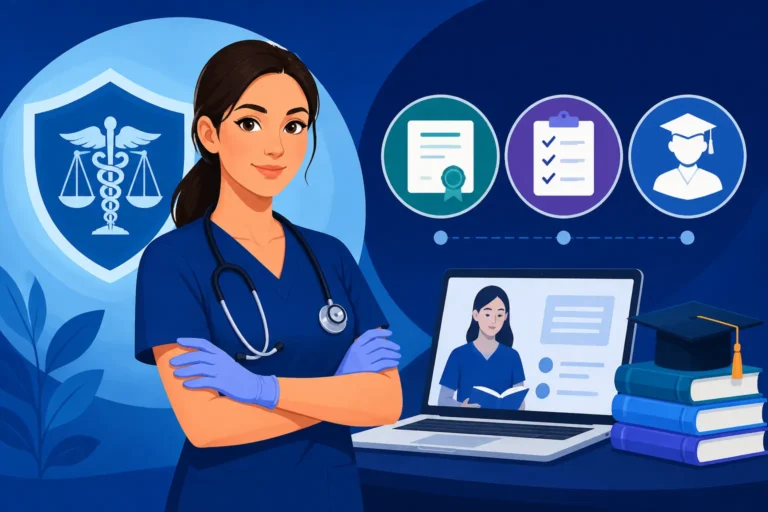
While basic life support (BLS) is a given for any nursing role, several other certifications are either required or highly recommended for ER nurses. These certifications demonstrate your specialized knowledge and ability to provide advanced care in emergency situations. The core certifications typically include:
- Advanced Cardiovascular Life Support (ACLS): This certification focuses on managing adult cardiac emergencies, including strokes, heart attacks, and cardiac arrest.
- Pediatric Advanced Life Support (PALS): Similar to ACLS but tailored for pediatric patients, covering critical interventions for infants and children in medical emergencies.
- Trauma Nursing Core Course (TNCC): This course provides nurses with the knowledge, critical thinking skills, and hands-on training to provide expert care for trauma patients.
- Emergency Nurse Pediatric Course (ENPC): Often required alongside PALS, ENPC specifically addresses the unique needs of pediatric patients in the emergency setting.
Beyond these, many ER nurses also pursue the Certified Emergency Nurse (CEN) certification. This is a highly respected credential that validates your expertise in emergency nursing across all body systems and age groups. Achieving the Emergency Nurse Certification (CEN) demonstrates a deep commitment to the specialty and can open doors to more advanced roles and responsibilities. Many employers look favorably upon candidates who hold or are working towards their CEN. Taking advantage of practice exams, such as those offered by Uworld, can be incredibly helpful in preparing for these specialized certification exams, as they mimic the real testing environment and content.
Advancing Your Career as an ER Nurse
The path doesn't end once you're a seasoned ER nurse; there are numerous avenues for continued growth, specialization, and leadership. Nursing is a field with incredible opportunity for Highest-Paying Nursing Careers and professional development.
Pursuing Advanced Degrees and Leadership Roles
Many experienced ER nurses choose to further their education by pursuing a Master of Science in Nursing (MSN) or a Doctor of Nursing Practice (DNP). An MSN can open doors to various advanced practice roles, such as becoming a Nurse Practitioner. For instance, an Adult-Gerontology Acute Care Nurse Practitioner (AGACNP) or a Family Nurse Practitioner (FNP) could work in an urgent care setting or even some emergency departments, taking on more autonomous roles in diagnosing and treating patients. If you're considering this, my guide on MSN Programs: Complete Guide offers a wealth of information. Another option is to pursue a nurse educator track to teach future generations of ER nurses, or a nurse leadership track to manage an emergency department.
DNP programs focus on clinical leadership, evidence-based practice, and healthcare policy, preparing nurses for top-level leadership roles or advanced clinical practice with an emphasis on system-wide improvements. These advanced degrees not only expand your scope of practice but also significantly increase your earning potential. Taking on charge nurse duties, becoming a preceptor for new nurses, or joining hospital committees are also excellent ways to develop leadership skills and contribute to your department’s growth.
Specialized Emergency Nursing Certifications
Beyond the core certifications, there are even more specialized credentials that ER nurses can pursue to demonstrate expertise in niche areas within emergency medicine. For example, some nurses may pursue certifications in critical care transport (CCTN or CTRN) if they work in air or ground transport for critically ill or injured patients. Others might focus on forensic nursing (SANE-A or SANE-P) if they work with victims of violence or trauma, providing compassionate care and collecting evidence.
These additional certifications show a deep commitment to lifelong learning and mastery of specific, high-demand skills. They not only enhance your resume but also ensure you’re providing the highest level of care to your patients, often in very specialized and challenging situations. Being a certified specialist can also lead to opportunities for teaching, consulting, or developing new protocols within your hospital system.
Continuing Education and Professional Development
The field of emergency medicine is constantly evolving, with new research, technologies, and best practices emerging regularly. Therefore, continuous learning is not just recommended but essential for ER nurses. Most states require nurses to complete a certain number of continuing education (CE) hours to maintain their license. However, beyond meeting these requirements, actively seeking out learning opportunities will keep you at the top of your game.
This could involve attending conferences focused on emergency medicine, participating in hospital-sponsored workshops, reading peer-reviewed journals, or engaging in online courses. Staying current with guidelines from organizations like the Emergency Nurses Association (ENA) is also crucial. Many nurses also find professional development invaluable, which is why platforms offering extensive libraries of CE courses are so popular. These resources, including those from providers like Uworld that specialize in clinical reasoning, help nurses stay sharp, adapt to new challenges, and continually refine their skills. Regular continuing education ensures you are always providing the most up-to-date and effective care to your patients in the ER. You can find out more about the variety of options by exploring resources on Nursing Certifications by Specialty.
Comparative Overview of ER Nursing Paths
To help visualize the different pathways and their associated characteristics, here's a helpful table.
| Pathway Type | Initial Degree | Time to RN Licensure | Typical Experience Needed for ER | Advanced Opportunities | Key Considerations |
|---|---|---|---|---|---|
| ADN Route | ADN | ~2 years | 1-2 years Med-Surg (often) | RN-to-BSN, then MSN/DNP | Faster entry, but BSN preferred for many ERs |
| BSN Route | BSN | ~4 years | New grad residencies possible | Direct to MSN/DNP | Broad education, strong foundation, preferred by many ERs |
| Accelerated BSN | BSN (2nd degree) | ~12-18 months | New grad residencies possible | Direct to MSN/DNP | Intensive, leverages prior bachelor's, fast track to BSN |
| RN to BSN (Post-ADN) | BSN (after ADN) | Already licensed RN | 1-2 years Med-Surg + ADN experience | Direct to MSN/DNP | Balances work & study, meets BSN preference |
This table illustrates that while different starting points exist, the ultimate goal of becoming a highly competent ER nurse involves continuous learning and often, advanced credentialing. It really helps put the various paths into perspective as you consider How to Choose an RN to BSN Program or other educational advancements.
Disclaimer
Please remember that the information provided in this guide is for general informational purposes only and does not constitute professional medical or educational advice. Specific requirements for nursing programs, licensure, and certifications can vary by state and institution. Always consult with official academic advisors, state boards of nursing, and professional organizations for the most accurate and up-to-date information relevant to your personal circumstances.