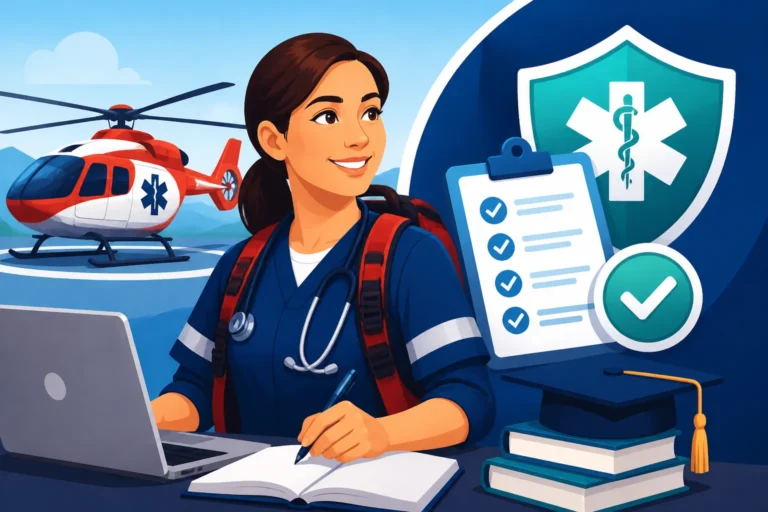
Travel Nurse Requirements Explained
Dreaming of trading your familiar hospital halls for new adventures across the country, while still doing what you love? Becoming a travel nurse sounds like an exciting, liberating path, but the sheer number of requirements can feel like navigating a complex maze. Many dedicated nurses find themselves wondering where to even begin, whether their current experience is enough, or if they need to go back to school. This comprehensive guide is designed to cut through the confusion, clearly explaining every essential step and prerequisite you need to meet to successfully embark on a rewarding career as a travel nurse.
Understanding the Core Prerequisites for Travel Nursing
Before you even start packing your bags, there are some fundamental educational and licensing requirements that every aspiring travel nurse absolutely needs to have in place. These aren't just suggestions; they're the non-negotiable building blocks of your travel nursing career. Without these, no agency will even consider your application.
Your Nursing Degree: ADN vs. BSN
Let's talk about education first. The bedrock of any registered nurse's career is, of course, a nursing degree. Historically, an Associate Degree in Nursing (ADN) was sufficient to become an RN, and many incredible nurses still practice with an ADN. However, the landscape of nursing education is evolving, with a growing preference for a Bachelor of Science in Nursing (BSN). Most travel nursing agencies, and certainly the more competitive assignments, will strongly prefer or even require a BSN.
While an ADN gets your foot in the door as an RN, agencies are increasingly looking for the broader theoretical knowledge, leadership skills, and critical thinking that a BSN curriculum provides. Many hospitals, particularly those seeking Magnet status, are pushing for a higher percentage of BSN-prepared nurses. This means if you're currently an ADN-prepared nurse, seriously considering an accredited online RN to BSN program could significantly open up your travel nursing opportunities. It’s an investment, but one that truly pays off in career mobility and earning potential. You might be surprised at how many credits for an RN to BSN you can transfer from your ADN.
Current and Active Registered Nurse License
This might seem obvious, but it's crucial. You absolutely must hold a current, unencumbered Registered Nurse (RN) license. This license signifies that you've met the state board of nursing's requirements for practice, including graduating from an approved nursing program and passing the National Council Licensure Examination (NCLEX-RN). Many nurses diligently prepare for this exam, often utilizing robust study platforms. For example, Uworld is a well-known resource that many aspiring nurses use to master the content and testing strategies for the NCLEX. Without a valid license, you cannot practice as an RN, let alone as a travel nurse.
What exactly does "unencumbered" mean? It means your license has no restrictions, disciplinary actions, or active investigations against it. Any past issues need to be resolved and reported, as they will undoubtedly come up during the credentialing process with travel agencies and state boards. Being upfront about any past disciplinary actions, no matter how minor, is always the best approach. Hiding such information will almost certainly lead to your application being rejected.
The Nurse Licensure Compact (NLC) and State-Specific Licenses
Here's where things can get a little tricky for travel nurses. If you live in a state that is part of the Nurse Licensure Compact (NLC), you hold a multi-state license, which allows you to practice in other NLC states without obtaining additional licenses. This is a huge advantage for travel nurses, simplifying the process of moving between assignments in compact states.
However, not all states are part of the NLC. If you want to take an assignment in a non-compact state, you'll need to apply for a single-state license in that specific state. This process can take time, sometimes weeks or even months, depending on the state board of nursing's processing times. It often involves fingerprinting, background checks, and verification of your existing license and education. Factor this into your planning, especially if you have a specific assignment or region in mind. Always check the specific requirements for the state where your desired assignment is located.
Gaining the Clinical Experience That Agencies Demand
While education and licensing are your foundation, travel nursing isn't an entry-level position. Agencies are looking for nurses who can hit the ground running, adapt quickly, and confidently handle diverse patient populations and healthcare settings. This means accumulating specific clinical experience is absolutely essential.
Minimum Years of Experience
Most travel nursing agencies require a minimum of one to two years of recent, full-time experience in an acute care hospital setting. When we say "recent," we typically mean within the last 12-18 months. Why is this so crucial? Because travel nurses are expected to be experts in their field. You won't have the luxury of a long orientation period in a new facility. You'll likely get a quick rundown of their electronic health record system, an introduction to the unit, and then you're expected to perform at a high level.
This minimum experience ensures that you've developed strong assessment skills, time management, critical thinking, and a solid understanding of hospital protocols. Agencies need to be confident that you can step into a new environment, understand the flow, manage a patient load, and handle emergencies without constant supervision. They're looking for nurses who can function independently and be a reliable member of the team from day one.
Specialty Experience is Key
While general medical-surgical experience is a good starting point, travel nursing truly shines when you have specialized experience. The most in-demand travel nursing specialties often include:
- Intensive Care Unit (ICU): High acuity, complex cases, specialized equipment.
- Emergency Room (ER): Fast-paced, unpredictable, requires quick decision-making.
- Operating Room (OR): Requires specialized training and often specific certifications.
- Labor and Delivery (L&D): Requires expertise in maternal and infant care.
- Telemetry/Cardiac: Monitoring cardiac rhythms and managing heart conditions.
Having experience in one or more of these high-demand areas significantly boosts your marketability and the number of available assignments. Hospitals are always looking for experienced critical care, emergency, or perioperative nurses, especially during staffing shortages. If you're considering a particular specialty for travel nursing, gaining at least 1-2 years of solid experience in that specific unit is a strategic move. This in-depth knowledge makes you an invaluable asset and often translates to higher-paying assignments.
Navigating Certifications, Skills, and Soft Skills
Beyond your degree and years of experience, there's a whole layer of additional qualifications that can make or break your travel nursing prospects. These include professional certifications, demonstrable clinical skills, and the all-important soft skills that define a successful traveler.
Essential Certifications
Depending on your specialty, certain certifications are not just preferred, but often mandatory. These prove your competency in specific areas of patient care and safety.
- Basic Life Support (BLS): This is universally required for all healthcare professionals. It covers CPR and basic emergency care.
- Advanced Cardiovascular Life Support (ACLS): Often required for nurses in critical care, ER, telemetry, and other acute settings. It focuses on advanced interventions for cardiac emergencies.
- Pediatric Advanced Life Support (PALS): Mandatory for pediatric and neonatal units, focusing on advanced care for children.
- Neonatal Resuscitation Program (NRP): Specifically for nurses working with newborns, particularly in Labor and Delivery or NICU.
Beyond these, specialty-specific certifications like the Critical Care Registered Nurse (CCRN) for ICU nurses, the Certified Emergency Nurse (CEN) for ER nurses, or Oncology Certified Nurse (OCN) for oncology nurses can significantly enhance your resume. These certifications demonstrate a commitment to excellence and a higher level of expertise in your chosen field. While they might not always be required for every travel assignment, they definitely give you a competitive edge, especially when hospitals are looking for highly qualified staff. Many nurses find continued professional development resources, similar to those offered by Uworld, helpful for preparing for these advanced certification exams.
Demonstrable Clinical Skills
Agencies and hospitals will want to ensure you possess a wide range of clinical skills relevant to your specialty. This includes everything from medication administration and wound care to operating specialized equipment, managing central lines, and interpreting cardiac rhythms. During the application process, you'll often complete a skills checklist where you self-assess your proficiency in various tasks. Be honest and accurate! You might also undergo a clinical skills assessment or evaluation as part of the onboarding process for a new assignment.
For example, an ICU travel nurse will be expected to be proficient in managing ventilators, administering vasoactive medications, titrating drips, and recognizing subtle changes in critically ill patients. A Med-Surg nurse needs to be expert in post-operative care, IV insertion, and patient education. These are not skills you learn on the job as a traveler; you're expected to arrive with them fully formed and ready for action.
The Importance of Soft Skills
While clinical prowess is paramount, the intangible "soft skills" are equally vital for a successful travel nurse. Travel nursing demands a unique blend of personality traits:
- Adaptability: You'll be in new hospitals, with new electronic health records (EHRs), new policies, new equipment, and new colleagues every few months. Being able to adapt quickly and gracefully is non-negotiable.
- Flexibility: Assignments can change, extensions might be offered, or you might need to float to different units. A rigid mindset won't work in this dynamic environment.
- Independence: You're often working in units where permanent staff might be stretched thin. While you're part of a team, you need to be self-reliant and proactive.
- Excellent Communication: Clear, concise, and professional communication with patients, families, and healthcare teams is always important, but even more so when you're the "new person."
- Problem-Solving: Being able to think on your feet and troubleshoot issues without always needing direct supervision is a huge asset.
- Resilience: New environments, challenging cases, and being away from home can be tough. A resilient mindset helps you navigate the inevitable ups and downs of travel nursing.
Travel agencies will often assess these qualities through interviews and by requesting professional references. Your ability to integrate into new teams quickly and effectively will be highlighted by your references.
The Application Journey: What Travel Nurse Agencies Look For
Once you have your education, license, experience, and certifications squared away, your next step is to connect with travel nursing agencies. This is where the rubber meets the road, and a well-prepared application can make all the difference.
Building Your Travel Nurse Resume and Portfolio
Your resume for travel nursing will be similar to a traditional nursing resume, but with a few key differences. It needs to clearly highlight your acute care experience, specific units you've worked in, and any specialized skills or equipment you're proficient with. For example, instead of just saying "Medical-Surgical Nurse," specify "Medical-Surgical/Telemetry Nurse on a 30-bed unit specializing in post-op recovery and cardiac monitoring."
You should also prepare a "portfolio" of sorts, which includes copies of your:
- Nursing license (multi-state and any single-state licenses)
- Professional certifications (BLS, ACLS, PALS, specialty certs like CCRN, CEN, etc.)
- Immunization records (including proof of COVID-19 vaccination, TB tests, MMR, Varicella, Hep B)
- Flu shot records
- Skills checklists
- Professional references (usually 2-3 supervisors)
Having these documents organized and readily available will streamline the application process immensely. Agencies often move quickly, and being able to provide documentation promptly is a sign of your professionalism and preparedness. Many agencies use online portals to upload these documents, making the process relatively straightforward once you have everything compiled.
The Interview and Screening Process
When you apply to a travel nursing agency, you'll typically be assigned a recruiter. This recruiter will be your main point of contact and advocate. They'll conduct an initial interview to get to know you, understand your experience, and learn about your travel preferences (e.g., desired locations, shift preferences, minimum pay expectations). This is your chance to ask questions and gauge if the agency and recruiter are a good fit for you.
Beyond the initial interview, expect skills assessments. These aren't just generic questions; they often involve comprehensive tests on pharmacology, medical terminology, and patient care scenarios relevant to your specialty. These assessments are critical because they help agencies verify your knowledge base, ensuring you're clinically competent for assignments. Some of these tests might even feel reminiscent of NCLEX prep, perhaps using a platform similar to Uworld, designed to evaluate your readiness for various patient care situations.
Finding the Right Agency and Recruiter
Choosing the right travel nursing agency and, crucially, the right recruiter, is as important as meeting the requirements yourself. Not all agencies are created equal. Some agencies specialize in certain regions or specialties, while others are larger and offer a broader range of opportunities. Do your research, read reviews, and don't be afraid to interview several agencies before committing. Your recruiter will be your partner throughout your travel nursing career, so finding someone who is responsive, transparent, and genuinely invested in your success is paramount.
When you're first exploring this path, consider resources like Travel Nurse Salary Explained or even Highest-Paying Nursing Specialties to get an idea of what to expect compensation-wise. Agencies often vary in their pay packages, benefits (health insurance, housing stipends), and how they handle things like credentialing and licensure. Ask detailed questions about these aspects during your initial conversations.
Key Travel Nurse Requirements Summary
To help you keep track, here's a quick rundown of the essential requirements we've discussed. Remember, these are general guidelines, and specific assignments or agencies might have slightly different expectations.
| Requirement Category | Specific Details | Typical Minimum | Notes |
|---|---|---|---|
| Education | Accredited Nursing Degree | ADN | BSN is strongly preferred by most agencies and hospitals, and often required for top assignments. Consider an Online RN to BSN Programs: Complete Guide for career advancement. |
| Licensure | Active, Unencumbered RN License | Yes | Multi-state (NLC) license is ideal. Single-state license required for non-compact states, which can take time. |
| Experience | Recent, Acute Care Hospital Experience in a Specialty | 1-2 Years | Must be in an acute care setting (e.g., hospital). Specialty experience (ICU, ER, OR, L&D, Tele) is highly sought after. |
| Certifications | Basic Life Support (BLS), Advanced Cardiac Life Support (ACLS), PALS, NRP | BLS | ACLS, PALS, NRP are often mandatory depending on specialty. Specialty certifications (e.g., CCRN, CEN) are highly recommended. Check out Nursing Certifications That Boost Pay. |
| Skills | Demonstrable clinical proficiency, EHR competency | High | Expected to hit the ground running; minimal orientation. |
| Soft Skills | Adaptability, flexibility, strong communication, independence, resilience | Essential | Assessed through interviews and references. |
| Documentation | Up-to-date health records, vaccinations, professional references | Yes | Have all documents organized for quick submission to agencies. |
Embarking on a travel nursing career is a significant step, but it's one that countless nurses have taken to enjoy unparalleled professional growth and personal freedom. While the requirements can seem extensive, each one serves to ensure you are a competent, safe, and adaptable healthcare professional ready to make a positive impact wherever you go. You might even find that some of these requirements align perfectly with topics like How Much More BSN Nurses Earn or Is an RN to BSN Worth It, reinforcing the value of continuous learning. So, take a deep breath, assess your current qualifications, and start charting your course towards a thrilling new chapter in your nursing journey.
Disclaimer
Please remember that the information provided in this guide is intended for general informational purposes only and does not constitute professional advice. Specific requirements for travel nursing can vary widely depending on the travel nursing agency, the healthcare facility, the state, and the specific assignment. Always verify all requirements with the individual agency and state boards of nursing before making any decisions. Nursing licenses, certifications, and educational standards are subject to change, and it is your responsibility to ensure you meet all current prerequisites.