How to Move into Remote Nursing
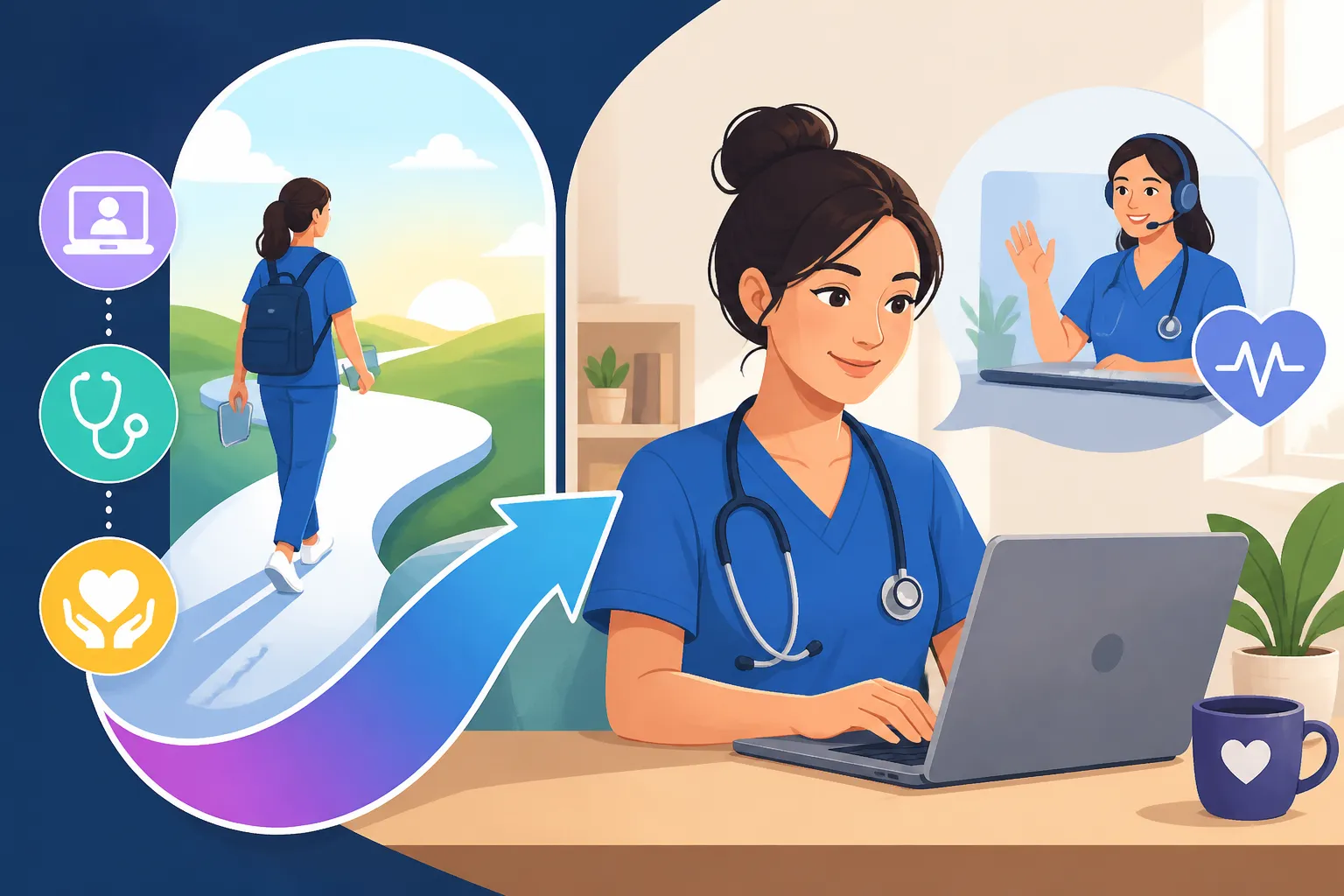
Let's be real, the grind of traditional bedside nursing can take its toll. Long shifts, physical demands, emotional exhaustion, and the constant juggling act of patient care in a fast-paced environment often leave nurses dreaming of a different path. If you're an experienced RN feeling this way, or even a new grad looking to broaden your horizons, the idea of shifting to remote nursing likely sounds like a breath of fresh air. This guide is here to walk you through exactly how to transition your valuable nursing skills into a thriving remote career, offering a new kind of flexibility and professional growth.
Understanding the Landscape of Remote Nursing
Remote nursing isn't just a fleeting trend; it's a rapidly expanding sector of the healthcare industry, driven by technological advancements and the increasing need for accessible, efficient patient care. When we talk about "remote nursing," we're essentially referring to any nursing role where you perform your duties from a location outside a traditional clinical setting, often from your home office. This isn't about ditching patient care altogether, but rather reimagining how and where that care is delivered.
What Remote Nursing Entails
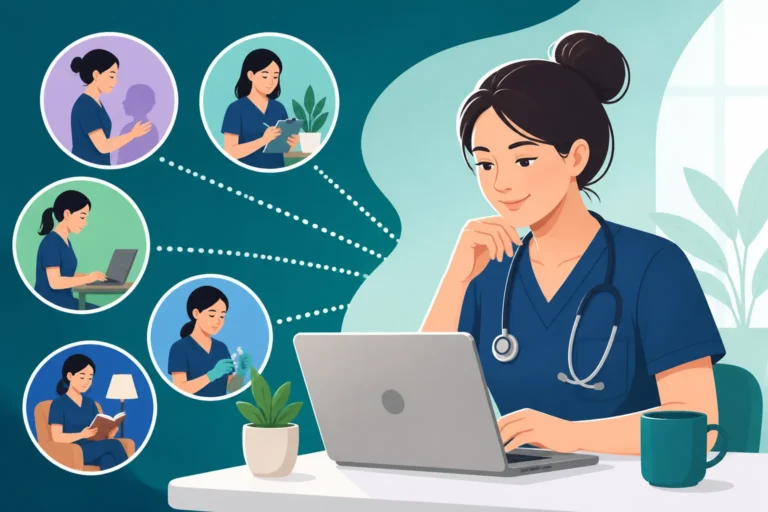
Many nurses initially picture telehealth appointments when they hear "remote nursing," and while that's a significant part, it's far from the only option. Remote nursing roles are incredibly diverse. You might be engaging in patient education, case management, utilization review, care coordination, or even nursing informatics. These roles still leverage your clinical expertise, critical thinking, and communication skills, but they shift the delivery method. For instance, a remote nurse might spend their day reviewing medical charts, communicating with patients via secure messaging platforms, or coordinating follow-up care plans with specialists. It's still patient-focused work, but the environment is entirely different.
Consider a situation where a patient needs help managing a chronic condition like diabetes. A remote nurse could provide vital education on medication adherence, diet, and exercise through video calls, acting as a consistent point of contact for support and guidance. This proactive, preventative approach can significantly improve patient outcomes and reduce hospital readmissions, all from the comfort of the nurse's home. It's a fundamental shift from reactive, in-person care to more proactive, virtual support.
Common Remote Nursing Roles
The opportunities in remote nursing are growing, with new positions emerging regularly. Some of the most common roles include:
- Telehealth Nurse: Providing virtual consultations, assessments, and advice for non-emergency conditions. This can range from answering symptom-checker questions to managing chronic conditions.
- Case Manager: Coordinating care for patients with complex or chronic conditions, ensuring they receive appropriate services and resources, often working for insurance companies or large healthcare systems.
- Utilization Review Nurse: Reviewing medical records to determine if services are medically necessary and appropriate, often for insurance companies.
- Prior Authorization Nurse: Assessing treatment plans to ensure they meet insurance criteria before procedures or medications are approved.
- Nurse Informaticist: Bridging the gap between clinical practice and information technology, designing and implementing healthcare IT systems.
- Clinical Documentation Specialist: Ensuring medical records accurately reflect the patient's condition and care provided, crucial for billing and quality reporting.
- Health Coach/Educator: Providing education and support to individuals to achieve health goals, often in wellness programs or for specific disease management.
Each of these roles requires a strong clinical background, but they emphasize different skill sets, such as communication, organization, and analytical thinking, which we'll delve into shortly. Understanding the variety of roles is key to finding your niche. You can learn more about how to explore various specialties in our guide on Nursing Specializations Explained.
Why Nurses Are Transitioning to Remote Work
The allure of remote nursing is strong, and for good reason. Many nurses find themselves at a crossroads, loving the core mission of patient care but feeling increasingly burned out by the realities of the traditional healthcare setting. The ability to reclaim some work-life balance and mental well-being is a powerful motivator.
Addressing Burnout and Stress
Bedside nursing is physically and emotionally demanding. The constant stress of high patient-to-nurse ratios, irregular shifts (including nights, weekends, and holidays), the physical strain of lifting and moving patients, and the emotional toll of critical care can lead to significant burnout. Remote nursing often offers a reprieve from these stressors. Imagine a schedule where you can consistently eat lunch at your own kitchen table, avoid a commute, and plan your day without unexpected emergencies derailing everything.
For many, the ability to work from a quiet home environment, set clear boundaries between work and personal life, and avoid the daily chaos of a hospital floor is invaluable. It doesn't mean the work isn't challenging, but the type of challenge shifts. Instead of managing a crashing patient, you might be managing a complex case file, which requires intense focus but less immediate, adrenaline-fueled stress. This change of pace can genuinely revitalize a nursing career, making it sustainable for the long haul.
Seeking Better Work-Life Balance
The pursuit of a better work-life balance is a driving force for many nurses considering remote options. Traditional nursing often dictates schedules that make it difficult to manage family responsibilities, pursue hobbies, or simply maintain a consistent personal life. Parents, especially, often find traditional nursing schedules incompatible with childcare or school pickup. Remote nursing, while still requiring dedication, frequently offers more predictable hours, no commute, and the flexibility to integrate personal appointments or family needs more seamlessly into the workday.
Consider a nurse who previously worked rotating shifts and missed countless family dinners or school events. By transitioning to a remote position, they might secure a Monday-Friday, 9-to-5 schedule, enabling them to be present for their family in ways they couldn't before. This flexibility doesn't mean less work, but it means more control over when and how that work gets done, leading to a much more integrated and fulfilling life outside of patient care. It's about finding a role where you can thrive professionally without sacrificing your personal well-being, which is often a key consideration when nurses look into Best Nursing Specialties for Work-Life Balance.
Essential Skills and Qualifications for Remote Nursing
Just like any nursing role, remote positions require a specific set of skills and qualifications. While your clinical foundation is paramount, you'll need to highlight and develop additional competencies that thrive in a virtual environment.
The Clinical Foundation
First and foremost, you need to be a licensed Registered Nurse (RN). Most remote nursing roles prefer or require at least a Bachelor of Science in Nursing (BSN) degree, as it indicates a broader educational foundation in critical thinking, leadership, and community health. If you're an ADN-prepared nurse considering this path, exploring options like an Online RN to BSN Programs: Complete Guide could significantly enhance your opportunities. Most remote roles also demand several years of direct patient care experience, usually 2-5 years, to ensure you have a solid understanding of clinical practice, patient assessment, and medical terminology.
Furthermore, many remote roles, particularly in areas like case management or utilization review, benefit greatly from specialized certifications. For example, a Certified Case Manager (CCM) credential can make you a much more attractive candidate for case management roles. Organizations like Uworld offer robust study materials and practice questions that can be incredibly helpful for preparing for various nursing certification exams, ensuring you're thoroughly prepared to demonstrate your expertise. These certifications show employers you have a dedicated understanding of a specific area.
Tech-Savvy and Communication Skills
Moving from a hospital floor to a home office means exchanging stethoscopes for headsets and paper charts for electronic health records (EHRs). A strong comfort level with technology is non-negotiable. You'll need to be proficient with computers, various software applications, communication platforms (like Zoom or Microsoft Teams), and secure patient portals. Troubleshooting basic tech issues yourself will save you, and your employer, a lot of headaches.
Alongside tech skills, exceptional communication is vital. In remote roles, much of your interaction will be over the phone, via video call, or through written messages. This means you need to be articulate, empathetic, and clear without the benefit of in-person cues. Active listening becomes even more crucial, as does the ability to convey complex medical information in an easily understandable way to patients who may be anxious or confused. Being able to document thoroughly and precisely in an EHR is also a critical communication skill in the remote world.
Organization, Autonomy, and Time Management
Working remotely demands a high degree of self-discipline, organization, and stellar time management. There's no manager walking past your desk to ensure you're on task. You need to be able to structure your workday, prioritize tasks, and meet deadlines independently. This often means creating a dedicated home office space free from distractions and developing routines that keep you productive.
Many remote roles also involve managing your own caseload, requiring excellent organizational skills to track multiple patients, appointments, and follow-ups. You'll be responsible for your own productivity and output, making autonomy a key trait. If you thrive on independent work and can maintain focus without constant supervision, remote nursing could be a perfect fit. For nurses looking to develop these skills, exploring resources like Uworld's professional development modules or online courses on time management can be a great way to bolster your resume.
Navigating the Job Search for Remote Nursing Positions
Finding your first remote nursing role can feel a bit different from applying for traditional hospital positions, but with the right strategy, you can successfully land your dream work-from-home job.
Tailoring Your Resume and Cover Letter
Generic applications won't cut it. When applying for remote nursing jobs, you need to meticulously tailor your resume and cover letter to highlight the specific skills relevant to remote work. Emphasize your experience with EHR systems, any telehealth or virtual care exposure you've had, and quantifiable achievements in areas like patient education, case management, or quality improvement. If you've ever served on a committee that involved data analysis or protocol development, highlight that.
In your cover letter, articulate why you're passionate about remote nursing and how your unique blend of clinical expertise, technological proficiency, and self-management skills makes you an ideal candidate. Don't just list your duties; describe how you've demonstrated autonomy, problem-solving, and effective communication even in a traditional setting. For example, if you trained new nurses on documentation, that shows both technical aptitude and a commitment to clear communication. You can also detail how you plan to manage work and personal life effectively from home, demonstrating you've thought this through.
Where to Look for Remote Roles
The job market for remote nursing is vast and growing, but you need to know where to look. Beyond general job boards like Indeed or LinkedIn, specialized healthcare job sites are often excellent resources. Consider platforms like Nurse.com, Advance Healthcare Network, or even specific company career pages for large healthcare providers and insurance companies.
Many major insurance carriers like Anthem (now Elevance Health), UnitedHealthcare, Cigna, and Aetna frequently hire remote nurses for utilization review, case management, and care coordination roles. Telehealth companies such as Teladoc, Amwell, and MDLIVE are also constant recruiters for remote nurse practitioners and registered nurses. Additionally, pharmaceutical companies and medical device companies often have remote roles for clinical educators or product support nurses. Don't forget to network! Connect with other nurses who have made the transition – LinkedIn can be a powerful tool for this. Building a strong professional profile and engaging with relevant groups can open doors to opportunities you might not find otherwise. Our guide on Remote and Work-from-Home Nursing Specialties can provide even more specific ideas on where to search.
Preparing for the Interview Process
Remote nursing interviews often happen virtually, which presents its own unique set of considerations. Ensure your internet connection is stable, your webcam and microphone are working, and your background is professional and free of distractions. Dress as you would for an in-person interview.
Be prepared to discuss specific examples of how you've demonstrated critical thinking, problem-solving, and teamwork in past roles, even if those roles were traditional. Interviewers will likely ask about your familiarity with EHR systems, your technical skills, and how you manage your time and prioritize tasks independently. They might even present hypothetical scenarios to gauge your remote communication and decision-making abilities. Remember to ask questions about the company culture, typical daily responsibilities, training programs, and performance metrics for remote staff. Showing genuine interest and demonstrating your preparedness for the virtual work environment will leave a strong impression.
The Future of Remote Nursing and Career Growth
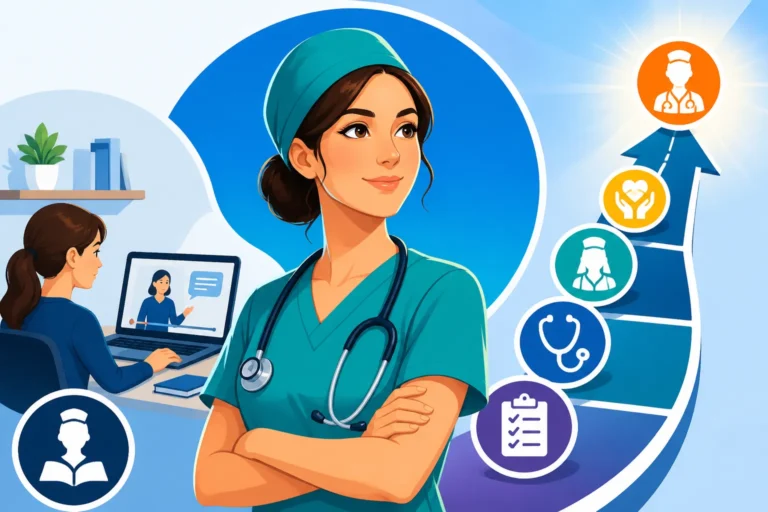
Remote nursing isn't just a temporary solution; it's a significant and evolving part of the healthcare landscape, offering substantial opportunities for long-term career growth and specialization. The skills you gain in a remote role can open doors to even more advanced positions.
Specializing and Advancing Your Career
Once you've established yourself in a remote nursing role, you can continue to specialize and advance. For instance, a remote case manager might pursue certifications in specific disease states (e.g., Certified Diabetes Educator) or advance to a supervisory role overseeing a team of remote nurses. A nurse informaticist might move into leadership roles in health technology, project management, or system development. The continuous evolution of digital health means there's always something new to learn and master.
Consider pursuing advanced degrees like an MSN with a focus on nursing informatics, nurse education, or even a nurse practitioner specialization if you wish to expand your clinical scope while potentially retaining some remote flexibility. Understanding the nuances of different specializations, from How to Become a Nurse Informaticist to MSN Nurse Educator Track, can help guide your path. The experience you gain in data analysis, virtual patient engagement, and healthcare technology will be highly valued across the industry, positioning you for a robust and dynamic career.
Professional Development and Staying Current
The remote healthcare landscape is dynamic, so continuous professional development is key. Stay informed about new technologies, regulations, and best practices in virtual care. Many professional organizations offer online courses, webinars, and conferences tailored to remote and digital health professionals. Joining a professional organization specific to your remote nursing specialty (e.g., Case Management Society of America, American Nursing Informatics Association) can provide networking opportunities, resources, and access to continuing education.
Platforms like Uworld are also invaluable for ongoing learning, offering not just exam preparation but also resources for clinical updates and best practices that are relevant to various nursing roles, including those in remote settings. Engaging in these opportunities not only keeps your skills sharp but also demonstrates your commitment to your profession, which can be crucial for career advancement and securing new opportunities. Staying current in your field is essential for all nurses, but especially so in a rapidly evolving area like remote healthcare.
| Remote Nursing Role | Typical Experience Required | Key Skills Emphasized | Potential Work Environment |
|---|---|---|---|
| Telehealth Nurse | 2-3 years direct patient care | Communication, Assessment, Tech-Savvy, Empathy | Home office, Call center |
| Case Manager | 3-5 years clinical, strong organizational | Critical Thinking, Negotiation, Resourcefulness, Documentation | Home office, Insurance company |
| Utilization Review Nurse | 3-5 years acute care, knowledge of medical necessity | Analytical, Detail-oriented, Regulatory Knowledge, Tech-Savvy | Home office, Insurance company |
| Nurse Informaticist | 2-5 years clinical, strong interest in tech | Problem-Solving, Data Analysis, System Design, Communication | Home office, Healthcare IT company |
| Clinical Documentation Specialist | 3-5 years acute care, coding knowledge | Attention to Detail, Medical Terminology, Communication, Auditing | Home office, Hospital system |
| Health Coach/Educator | 2-3 years patient education, wellness focus | Motivational Interviewing, Teaching, Goal Setting, Empathy | Home office, Wellness programs |
Understanding Licensing and State Regulations
One crucial aspect of remote nursing, especially for telehealth, is understanding multi-state licensure. While many states participate in the Nurse Licensure Compact (NLC), allowing you to practice in multiple NLC states with a single license, not all states are part of it. If you plan to provide care to patients across state lines, you'll need to ensure you hold appropriate licenses for each state where your patients reside, or where the employer requires it. This can be complex, and it’s important to research specific state board of nursing requirements. Our guide on Nurse Licensure Compact and RN to BSN can shed more light on this. Always verify the licensing requirements for any remote position you're considering, as this can directly impact your ability to practice.
Disclaimer
The information provided in this guide is intended for general informational purposes only and does not constitute professional advice. While we strive to offer accurate and up-to-date content, nursing regulations, program details, and job market conditions can change rapidly. Always consult with academic advisors, nursing board authorities, and potential employers for the most current and specific information regarding your personal circumstances and career path.