Best Online MSN Programs in Ohio
Embarking on the journey to earn an online Master of Science in Nursing (MSN) in Ohio can feel like navigating a complex maze, especially when you're already juggling demanding nursing shifts, family life, and personal commitments. It's completely understandable to feel overwhelmed by the sheer number of programs out there and the thought of finding one that truly fits your life and career goals. This comprehensive guide is here to cut through the confusion, helping you uncover some of the best online MSN programs right here in Ohio, so you can make an informed decision with confidence and clarity.
Why Choose an Online MSN Program in Ohio?
For many registered nurses (RNs) in Ohio, the desire to advance their careers is strong, but the thought of returning to a traditional campus setting just isn't feasible. Life happens, and flexibility becomes a non-negotiable. Online MSN programs offer a lifeline, providing the advanced education needed to step into leadership, education, or advanced practice roles, all while maintaining your current commitments. And choosing an Ohio-based program specifically brings its own unique set of advantages, rooting your education in the local healthcare landscape.
The Growing Demand for Advanced Practice Nurses
Let's face it, the healthcare field is constantly evolving, and the need for highly skilled, advanced practice registered nurses (APRNs) is skyrocketing, especially in a state like Ohio. With an aging population and increasing complexity in patient care, hospitals, clinics, and long-term care facilities are actively seeking nurses with master's-level education. This isn't just about patient care; it's about addressing critical shortages in primary care, mental health, and nursing education itself. You'll find a particular emphasis on positions like Family Nurse Practitioner (FNP), Psychiatric Mental Health Nurse Practitioner (PMHNP), and Nurse Educators in both urban centers like Cleveland, Columbus, and Cincinnati, and in more rural areas across the state. Pursuing an online MSN now means positioning yourself perfectly for these in-demand roles, not just for today but for years to come.
Flexibility for Working Professionals
One of the biggest hurdles for any working RN considering further education is how to possibly fit it all in. You're already working 12-hour shifts, dealing with the emotional and physical demands of patient care, and likely managing a household. The idea of adding regular commute times and fixed class schedules to that load can feel impossible, leading many to postpone their dreams. This is precisely where online MSN programs shine brightest. They are designed with your busy life in mind, offering asynchronous learning options where you can access lectures, participate in discussions, and complete assignments on your own schedule. Imagine studying during your lunch break, after the kids are asleep, or on your days off, rather than rushing to a campus after a long shift. This flexibility is a game-changer, allowing you to advance your education without sacrificing your current income or precious family time. Many programs understand that working nurses often need a more flexible timeline, so options for Part-Time vs Full-Time RN to BSN (or in this case, MSN) are often available, allowing you to tailor your pace.
Ohio-Specific Career Advantages
Choosing an online MSN program from an institution within Ohio isn't just about convenience; it offers distinct career advantages. Many Ohio-based universities have deep connections with the state's leading healthcare systems, such as the Cleveland Clinic, OhioHealth, University Hospitals, and Cincinnati Children's Hospital Medical Center. This means that when it comes to clinical placements, these programs often have established networks, potentially making the process of securing vital hands-on experience smoother. Furthermore, graduating from a local program can significantly enhance your networking opportunities within Ohio's professional nursing community. Future employers in the state will recognize the rigor and reputation of Ohio-specific institutions, potentially giving you an edge in the job market, especially for highly sought-after roles within these major health systems. It means your education is directly applicable to the specific needs and regulations of healthcare in the Buckeye State.
Top Online MSN Programs in Ohio to Consider
Ohio is home to several excellent universities offering robust online MSN programs that cater to diverse career aspirations. These institutions leverage technology to provide quality education with the flexibility working nurses need. It's important to remember that program offerings can change, so always check the most current information directly on the university's official website.
Ohio State University (OSU)
When you think of top-tier education in Ohio, The Ohio State University often comes to mind, and their online nursing programs uphold this reputation. OSU offers a variety of online MSN specializations, making it a strong contender for many aspiring APRNs. Their programs are typically CCNE accredited, which is a crucial detail for future licensure and certification.
- Specializations Offered: OSU's online MSN program features popular tracks like the Family Nurse Practitioner (FNP), Psychiatric Mental Health Nurse Practitioner (PMHNP), Neonatal Nurse Practitioner (NNP), and specialized roles like Nurse Leader and Clinical Nurse Specialist (CNS). For those looking to shape the next generation of nurses, they also offer a Nurse Educator track.
- Program Structure and Flexibility: These programs are designed for working professionals, with a significant portion of coursework delivered asynchronously. While the didactic (classroom) content is online, be prepared for on-campus intensives or immersion experiences, particularly for NP tracks, which are crucial for developing advanced clinical skills and building relationships with faculty and peers. Clinical placements are managed with robust support, though students typically bear some responsibility in securing sites.
- Strengths: OSU's program boasts a strong reputation, extensive faculty expertise, and a vast alumni network across Ohio. Graduates are highly sought after in the state's healthcare facilities. They are often noted for their comprehensive curriculum and emphasis on evidence-based practice.
University of Cincinnati (UC)
The University of Cincinnati (UC) is another powerhouse in Ohio's nursing education landscape, with a long history of innovation in distance learning. Their online MSN programs are highly regarded for their comprehensive curriculum and flexibility, attracting students from across the state and beyond. UC's programs are consistently CCNE accredited.
- Specializations Offered: UC provides a wide array of online MSN specializations. Popular NP tracks include the Family Nurse Practitioner (FNP), Adult-Gerontology Primary Care Nurse Practitioner (AGPCNP), Adult-Gerontology Acute Care Nurse Practitioner (AGACNP), and Psychiatric Mental Health Nurse Practitioner (PMHNP). They also offer Pediatric Primary Care Nurse Practitioner (PNP-PC), Nurse-Midwifery (NM), and non-clinical roles such as Nurse Educator and Nursing Leadership.
- Program Structure and Flexibility: UC's online MSN programs are specifically tailored for flexibility, allowing many students to complete their coursework asynchronously. They are known for offering both part-time and full-time study options, understanding the diverse needs of their student body. Similar to OSU, clinical experiences are a critical component of NP tracks, and UC provides resources and support to help students secure appropriate placements, though active student participation is required.
- Strengths: UC is often praised for its cutting-edge online learning platforms, experienced faculty who are leaders in their fields, and a commitment to student success. Their diverse range of specializations means you're likely to find a program that perfectly aligns with your career aspirations.
Kent State University
Kent State University offers a robust and respected suite of online MSN programs, providing a solid educational foundation for nurses looking to advance. Their commitment to online learning makes them an accessible option for many working RNs throughout Ohio. Kent State's nursing programs hold CCNE accreditation.
- Specializations Offered: Kent State's online MSN options include the highly sought-after Family Nurse Practitioner (FNP) track. Beyond direct patient care, they also offer tracks for Adult-Gerontology Clinical Nurse Specialist (AGCNS), Nurse Educator, and Nurse Administrator, providing pathways for leadership and teaching roles.
- Program Structure and Flexibility: These programs are largely delivered online, offering the scheduling flexibility critical for working nurses. Most courses are asynchronous, allowing students to engage with material at their own pace. Clinical placements for the FNP and AGCNS tracks require in-person hours, and while the university provides support resources, students often need to play an active role in finding suitable preceptors within their local area.
- Strengths: Kent State is known for its supportive faculty, well-structured online learning environment, and practical application of nursing theory. Their programs are designed to produce highly competent graduates ready to meet the demands of advanced nursing practice.
Wright State University
Wright State University's online MSN program is another excellent choice for Ohio nurses, focusing on preparing advanced practice nurses and leaders for various healthcare settings. Their programs are typically ACEN accredited, offering another reputable accreditation standard.
- Specializations Offered: Wright State offers online MSN specializations in the Family Nurse Practitioner (FNP) and Adult-Gerontology Acute Care Nurse Practitioner (AGACNP) tracks. They also provide pathways for those interested in shaping nursing practice through their Nurse Educator and Nurse Administrator specializations.
- Program Structure and Flexibility: The online format offers considerable flexibility for students, with didactic coursework accessible remotely. Clinical hours, particularly for the NP specializations, are a mandatory in-person component, and students are generally responsible for identifying and securing their own preceptors, though the university offers guidance and resources.
- Strengths: Wright State is often recognized for its dedication to producing healthcare professionals who can serve the diverse needs of Ohio's communities. Their programs emphasize clinical reasoning and evidence-based practice, preparing graduates for high-level roles.
Here’s a quick overview of these top online MSN programs in Ohio:
| University | Key Online MSN Specializations | Accreditation | Estimated Online Duration (Full-time) | On-Campus Requirements |
|---|---|---|---|---|
| Ohio State University | FNP, PMHNP, NNP, CNS, Edu, Leader | CCNE | 2-3 years | Limited immersions for NP tracks |
| University of Cincinnati | FNP, AGPCNP, AGACNP, PMHNP, PNP-PC, NM, Edu, Leader | CCNE | 2-3 years | Limited immersions for NP tracks |
| Kent State University | FNP, AGCNS, Edu, Admin | CCNE | 2-3 years | Limited immersions for NP tracks |
| Wright State University | FNP, AGACNP, Edu, Admin | ACEN | 2-3.5 years | Limited immersions for NP tracks |
| University of Akron | FNP, AGPCNP, Edu, Admin | CCNE | 2.5-3 years | Limited immersions for NP tracks |
Key Factors to Evaluate in an Online MSN Program
Choosing the right online MSN program is a huge decision, one that impacts your career trajectory, finances, and personal life for the next few years. It's not just about finding any online program; it's about finding the best one for you. Before you commit, take a deep breath and carefully consider these crucial factors.
Accreditation Matters: CCNE vs. ACEN
This is absolutely non-negotiable. When you're looking at any nursing program, online or in-person, checking its accreditation status should be the very first thing you do. Why? Because graduating from an unaccredited program can make you ineligible for federal financial aid, prevent you from taking certification exams in your chosen specialty, and even hinder your ability to get licensed or further your education down the road.
In the U.S., the two primary accrediting bodies for nursing education are the Commission on Collegiate Nursing Education (CCNE) and the Accreditation Commission for Education in Nursing (ACEN). Both are recognized by the U.S. Department of Education and signify that a program meets rigorous standards for quality and integrity. While their philosophies and approaches differ slightly—CCNE focuses on baccalaureate and graduate programs while ACEN accredits across all levels from practical nursing to doctoral—either accreditation ensures a reputable education. Don't fall into the trap of thinking one is inherently "better" than the other; rather, ensure the program you choose has one of them. For a deeper dive into this, check out this guide on CCNE vs ACEN Accreditation Explained.
Program Specializations and Career Goals
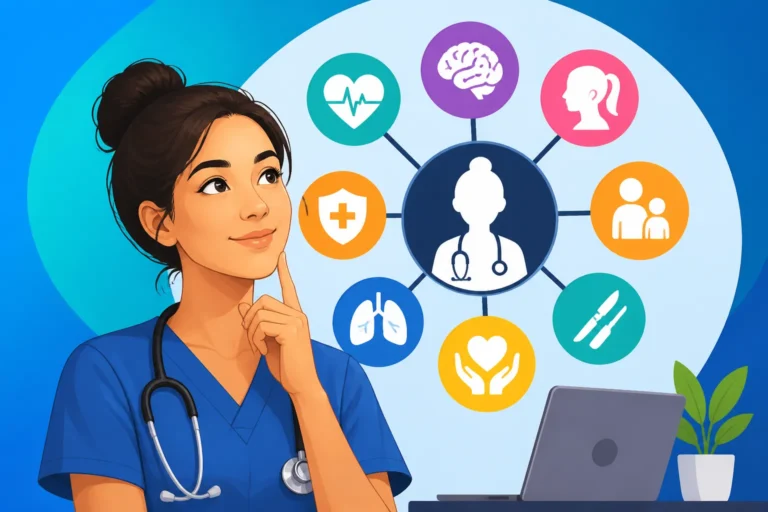
This is where your personal vision for your nursing career truly comes into play. What kind of nurse do you want to be? Do you dream of working in primary care, managing chronic conditions, and being a direct point of contact for families? Then a Family Nurse Practitioner (FNP) specialization might be your calling. Are you passionate about mental health and want to provide psychiatric care? A Psychiatric Mental Health Nurse Practitioner (PMHNP) track would be ideal. Or perhaps you're more drawn to leadership roles, wanting to improve patient outcomes at a systemic level through a Nurse Administrator or Nurse Leader specialization.
Every online MSN program will offer a different set of specializations. It's vital to research what each offers and how it aligns with your long-term career aspirations. Don't pick a program just because it's available; choose one that will genuinely prepare you for the role you envision for yourself. Think about where you want to be in five or ten years. Is an MSN Nurse Educator Track or an MSN Nursing Leadership Track more aligned with your goals than an advanced practice role? Understanding the various Nurse Practitioner Specializations Explained will be incredibly helpful in making this decision, as will considering How to Choose an NP Specialty.
Clinical Hour Requirements and Preceptor Support
This is often one of the biggest sources of anxiety for online MSN students, especially those pursuing advanced practice roles like NP. While the didactic coursework is entirely online, clinical rotations are a mandatory in-person component of most MSN programs, especially those leading to NP licensure. These hours are essential for gaining hands-on experience, refining your assessment skills, and learning to manage patient care under the guidance of an experienced preceptor. The number of required clinical hours varies by specialization and state, but it's substantial – often 500-1000 hours.
The critical question for online programs is: how do they support you in securing these clinical placements? Some universities have dedicated clinical placement coordinators who will find and arrange preceptors and sites for you. Others provide resources and guidance but place the primary responsibility on the student to find their own preceptors. This can be a huge undertaking, requiring extensive networking and persistence. Before enrolling, ask very specific questions about the program's clinical placement support. What percentage of students secure placements through the school? What happens if you can't find a preceptor? Understanding the intricacies of MSN Clinical Hours Requirements is vital for planning your program successfully.
Cost, Financial Aid, and Return on Investment
Let's be real, pursuing an MSN is an investment, both in time and money. Tuition costs for online MSN programs in Ohio can vary significantly, ranging from public university rates for in-state students to higher fees for private or out-of-state options. Beyond tuition, you'll need to factor in technology fees, books, clinical supplies, travel for intensives or clinicals, and certification exam fees.
However, don't let the sticker price scare you away. There are numerous financial aid options available, including federal student loans, state-specific grants, and private scholarships tailored for nursing students. Many employers in Ohio also offer tuition reimbursement programs, especially for nurses pursuing advanced degrees that align with their organizational needs. It's always worth exploring MSN Financial Aid and Scholarships and asking your current employer about Employer Tuition Assistance for BSN (which often extends to MSN degrees). Ultimately, consider the Is an MSN Worth It question from a financial perspective by researching potential salary increases for your chosen specialty and weighing that against the total program cost. Using resources like Uworld for exam preparation after graduation can be another important consideration in your overall investment, ensuring you're ready for certification.
Navigating the Application Process and Student Life
Getting into an online MSN program in Ohio is a significant step, and knowing what to expect during the application process and how to manage your studies will set you up for success. It's about more than just checking boxes; it's about demonstrating your readiness for advanced practice.
Admission Prerequisites and Application Tips
Generally, to be considered for an online MSN program in Ohio, you'll need a Bachelor of Science in Nursing (BSN) from an accredited institution. Most programs will require a minimum GPA, often in the 3.0 or higher range, though some might consider lower GPAs with compelling professional experience. You'll definitely need an active, unencumbered Registered Nurse (RN) license in Ohio or a compact state.
Beyond these basics, prepare for a comprehensive application package. This usually includes:
- Official Transcripts: From all previous colleges and universities.
- Letters of Recommendation: Typically 2-3 letters from supervisors, professors, or colleagues who can speak to your clinical skills, leadership potential, and academic ability.
- Resume or CV: Highlighting your professional nursing experience, certifications, and any leadership roles.
- Personal Statement or Essay: This is your chance to shine! Articulate your career goals, why you want an MSN, and why you believe this specific program is the right fit for you. Be genuine and professional.
- GRE Scores: While many online MSN programs, particularly for working nurses, are waiving the GRE requirement, some might still ask for it, especially if your undergraduate GPA is below their typical threshold. Always check the specific program's requirements.
Start your application early, gather all documents well in advance, and don't hesitate to reach out to the admissions office with any questions. For a full breakdown of what to expect, read up on MSN Admission Requirements.
Balancing Your Studies with Work and Life
Let's be honest, pursuing an online MSN while working as a nurse and managing a personal life is incredibly challenging. It demands discipline, excellent time management, and a strong support system. You're not alone if you feel like you're constantly walking a tightrope.
Here are some strategies to help you succeed:
- Create a Dedicated Study Space: A quiet, organized area free from distractions will become your sanctuary.
- Develop a Realistic Study Schedule: Look at your work shifts, family commitments, and program deadlines. Block out specific times for studying each week, and treat them as non-negotiable appointments.
- Communicate with Your Support System: Let your family, friends, and even your employer know your academic commitments. Ask for their understanding and support. Maybe your partner can take on extra chores on your study nights, or your manager can adjust your schedule slightly if possible.
- Leverage Flexibility: The beauty of online learning is its flexibility. If you have an unexpected quiet hour at work, use it for quick readings or discussion board posts. Take advantage of weekends for deeper dives into complex topics.
- Prioritize Self-Care: Burnout is real. Make sure you're still getting enough sleep, eating well, and incorporating activities that help you de-stress. Even 30 minutes of exercise or quiet time can make a huge difference.
- Utilize Academic Resources: Online programs offer various resources like virtual tutoring, writing centers, and technical support. Don't be afraid to use them!
- Connect with Peers: Form online study groups. Having fellow students to bounce ideas off, share frustrations, and motivate each other can be invaluable.
Remember that How to Balance Work and RN to BSN (or MSN) is a common struggle, and many resources are available to help you navigate it. Platforms like Uworld are fantastic for staying sharp with practice questions and understanding complex concepts, which can make your study time more efficient and effective.
Post-Graduation: Certification and Career Advancement
Once you've successfully completed your online MSN program in Ohio, you're not quite done yet! The next crucial step is typically to pursue national certification in your chosen specialty. For Nurse Practitioners, this means sitting for a national certification exam administered by bodies like the American Nurses Credentialing Center (ANCC) or the American Academy of Nurse Practitioners Certification Board (AANPCB). Passing these exams is essential for obtaining your state licensure as an advanced practice registered nurse (APRN) in Ohio.
With your MSN and state licensure in hand, a whole new world of career opportunities opens up. You'll be qualified for roles with increased autonomy, higher earning potential, and expanded scope of practice. Ohio's healthcare system is eager to employ highly skilled MSN graduates in a variety of settings:
- Hospitals: As NPs, CNSs, or nurse leaders in specialized units.
- Primary Care Clinics: Providing comprehensive care as FNPs or AGPCNPs.
- Mental Health Facilities: As PMHNPs, addressing the critical need for mental health providers.
- Academia: As Nurse Educators, teaching the next generation of nurses at colleges and universities.
- Public Health: Working in community health initiatives and policy.
An MSN degree is not just an endpoint; it can also be a springboard. It often serves as a prerequisite for pursuing a Doctor of Nursing Practice (DNP) if you wish to further advance your clinical practice or leadership roles. The career benefits of earning a BSN are significant, and an MSN amplifies those opportunities even further.
Disclaimer
The information provided in this guide is intended for general informational purposes only and does not constitute professional advice. While we strive to offer accurate and up-to-date information, nursing program details, admission requirements, tuition costs, and accreditation statuses can change frequently. We strongly recommend verifying all information directly with the respective universities or official accrediting bodies before making any decisions. Individual experiences and outcomes may vary.