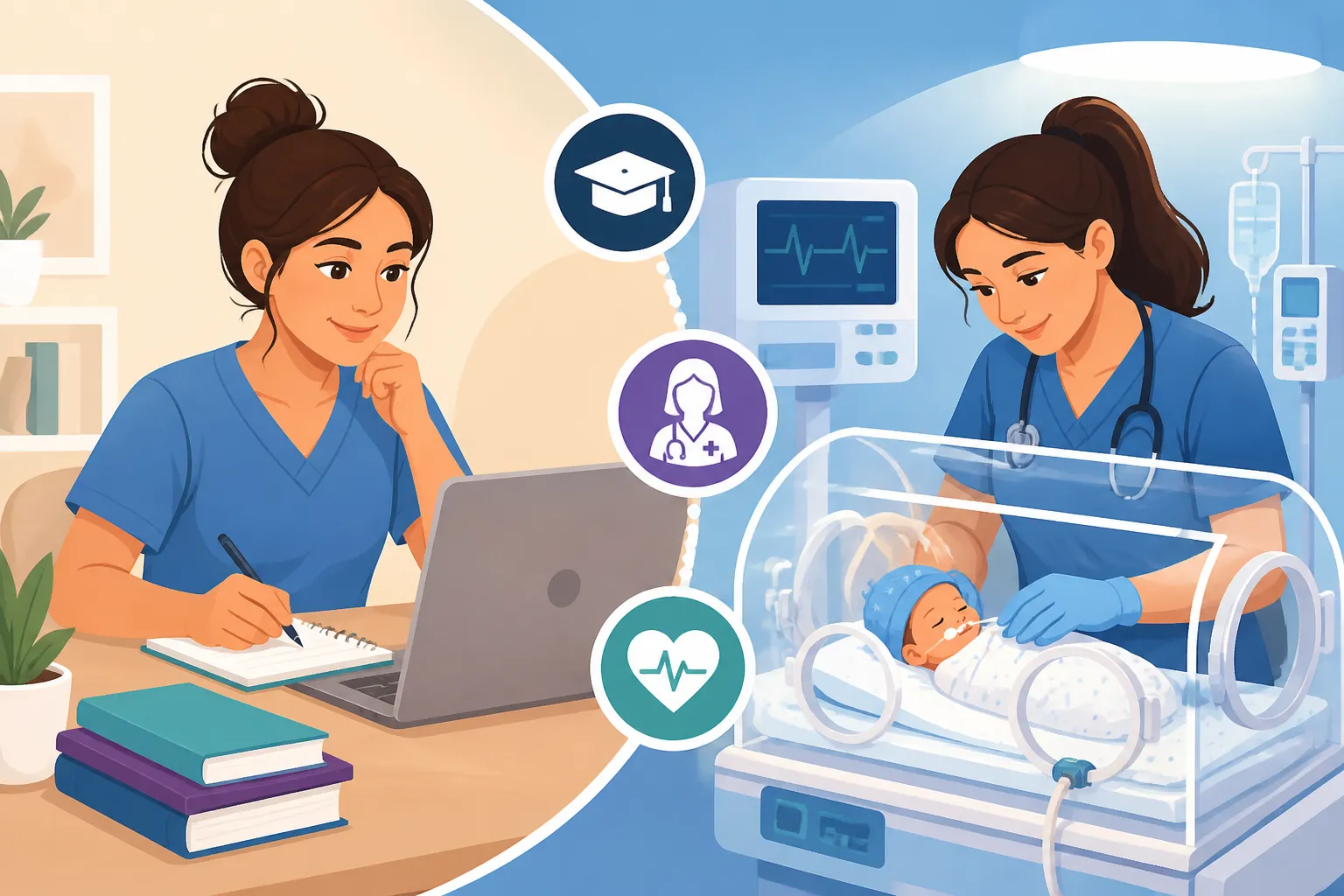
How to Become a NICU Nurse
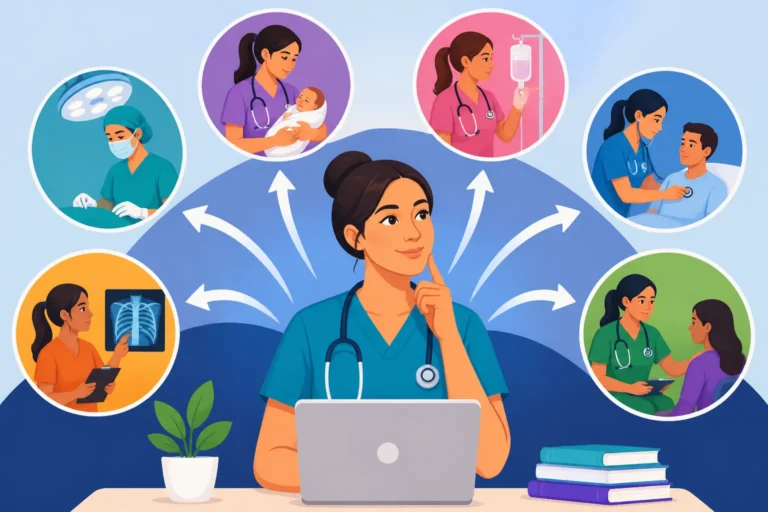
Embarking on a nursing career is already a huge step, but for many, the desire to work with the most fragile patients—tiny newborns fighting for their lives—is a calling that feels incredibly powerful. It’s not just a job; it's a profound commitment, and the path to becoming a Neonatal Intensive Care Unit (NICU) nurse can seem daunting with its specialized knowledge and intense emotional demands. This comprehensive guide is here to walk you through every step, helping you understand the unique challenges and immense rewards of this vital nursing specialization.
What Exactly Does a NICU Nurse Do?
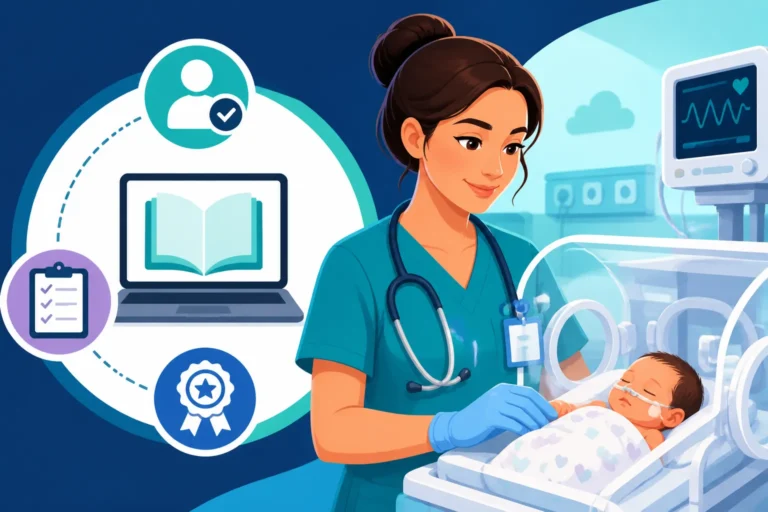
When you hear "NICU nurse," you might picture a tiny baby in an incubator, surrounded by beeping machines. While that image is certainly part of it, the reality of NICU nursing is incredibly complex, dynamic, and deeply rewarding. It’s a specialty that demands a unique blend of scientific knowledge, technical skill, and profound compassion.
The Unique Patient Population: Tiny and Vulnerable
NICU nurses care for newborns who are critically ill or premature, often weighing just a few pounds or even ounces. This patient population is unlike any other in healthcare. These babies might be struggling with underdeveloped organs, respiratory distress, infections, genetic disorders, or complications from a difficult birth. Because their systems are so fragile, every intervention, every medication, and even every touch must be meticulously planned and executed. You're not just caring for a baby; you're often caring for a micro-preemie with skin as delicate as tissue paper, whose body is still learning how to regulate temperature, breathe, and feed. The level of observation required is extraordinary, as a subtle change in color or breathing pattern can indicate a significant shift in their condition.
Day-to-Day Responsibilities and Critical Interventions
A typical shift for a NICU nurse is anything but typical. Your day might involve administering complex medications intravenously, managing ventilators and other life-support equipment, performing intricate feeding tube insertions, monitoring vital signs around the clock, and assisting with procedures like intubations or lumbar punctures. Beyond the high-tech medical care, a huge part of the job involves more fundamental nursing tasks, adapted for the neonatal population: careful diaper changes, repositioning to prevent skin breakdown, and facilitating "kangaroo care" (skin-to-skin contact) between parents and their fragile infants. Education and emotional support for parents are also paramount, as they navigate the fear and uncertainty of having a critically ill newborn. You'll be their lifeline, explaining complex medical jargon, offering comfort, and empowering them to be part of their baby's care team.
Emotional Toll and Rewards of NICU Nursing
Working in the NICU is an emotional rollercoaster. You’ll witness incredible resilience and heartwarming triumphs as tiny fighters overcome immense odds, often going home healthier and stronger. These moments are incredibly rewarding, cementing why you chose this path. However, you will also experience heartbreaking losses, as not every baby can be saved. NICU nurses develop a remarkable ability to compartmentalize and lean on their colleagues for support. It's a field that requires immense emotional intelligence, resilience, and a strong support system both at work and at home. Despite the challenges, many NICU nurses describe their work as the most meaningful they've ever done, finding profound satisfaction in giving the most vulnerable among us the best possible start in life.
Educational Pathway to Becoming a NICU Nurse
Becoming a NICU nurse starts with the foundational steps of becoming a registered nurse (RN). This involves specific educational achievements and licensure, which lay the groundwork for any nursing specialization.
Foundational Nursing Degrees: ADN vs. BSN
To become a registered nurse, you typically pursue one of two entry-level degrees: an Associate Degree in Nursing (ADN) or a Bachelor of Science in Nursing (BSN). While both pathways qualify you to sit for the NCLEX-RN exam, there are significant differences, especially when aiming for a specialized field like the NICU. An ADN program usually takes about two years to complete and focuses heavily on technical nursing skills and direct patient care. A BSN program, on the other hand, is a four-year degree that includes a broader curriculum, encompassing not only clinical skills but also leadership, research, community health, and critical thinking. For a highly specialized and demanding area like the NICU, a BSN is increasingly preferred, if not required, by many hospitals. If you're weighing your options, our guide on "ADN vs BSN: Key Differences" can provide more insight into which path might be right for you.
The Importance of a Bachelor of Science in Nursing
While some hospitals might still hire ADN-prepared nurses into NICU roles, the trend is overwhelmingly towards preferring or requiring a BSN. Why? Because the BSN curriculum provides a more comprehensive understanding of complex patient care, evidence-based practice, and advanced critical thinking skills crucial for managing the incredibly fragile patients in the NICU. Many Magnet-recognized hospitals—which are recognized for nursing excellence—mandate BSNs for their nurses. If you currently hold an ADN, don't despair! Pursuing an Online RN to BSN Programs: Complete Guide is a popular and flexible way to advance your education while continuing to work. This can significantly improve your chances of landing a NICU position and also opens doors for future career advancement. Wondering if the effort is worth it? Check out "Is an RN to BSN Worth It" for a deeper dive into the benefits.
Gaining Your Registered Nurse (RN) License
After completing your ADN or BSN program, the next critical step is to pass the National Council Licensure Examination for Registered Nurses (NCLEX-RN). This exam is standardized across the U.S. and ensures that all entry-level nurses possess the minimum knowledge and skills to practice safely and effectively. Passing the NCLEX is non-negotiable for obtaining your RN license from your state's Board of Nursing. Many aspiring nurses find resources like Uworld incredibly helpful for preparing for the NCLEX-RN, offering practice questions and rationales that mimic the actual exam format and content. Once you pass, you're officially an RN, ready to embark on your nursing career and start seeking out those valuable experiences that will lead you to the NICU.
Essential Skills and Experience for NICU Nursing
The journey to becoming a NICU nurse doesn't stop with your RN license. It requires a strategic approach to gaining the specific experience and honing the unique skills necessary for this incredibly sensitive environment.
Building Clinical Experience: Where to Start
Direct entry into the NICU as a new graduate nurse is highly competitive and often requires specific internship or residency programs. Most NICUs prefer nurses with at least one to two years of experience in another critical care setting. Common stepping stones include:
- Adult ICU/Critical Care: Working in an adult ICU hones your critical thinking, assessment skills, ventilator management, and medication administration in high-acuity situations. While the patient population is different, the core principles of critical care translate well.
- Emergency Room (ER): ER nursing exposes you to a wide variety of acute conditions, rapid assessments, and managing unstable patients, which can be invaluable.
- Pediatric ICU (PICU): This is perhaps the closest experience, as it involves caring for critically ill children, albeit older than neonates. You'll gain experience with pediatric-specific equipment and interventions.
- Labor and Delivery/Postpartum: While not critical care, this area provides exposure to newborns and their immediate care, as well as working with new mothers. Some hospitals may offer specific new graduate programs that rotate through these units.
Aim for roles that allow you to develop strong assessment skills, medication administration proficiency, and the ability to recognize subtle changes in patient condition. Look for opportunities to gain experience with ventilators, IV drips, and comprehensive documentation, as these are all foundational to NICU work.
Developing Specialized Skills: Beyond Basic Care
Once you gain some general critical care experience, or if you're fortunate enough to secure a new grad NICU residency, you'll delve into highly specialized skills. These include:
- Neonatal Assessment and Monitoring: Learning to assess a tiny infant's subtle cues for pain, distress, or instability is an art. This involves understanding neonatal physiology, interpreting specific vital sign parameters, and using specialized monitoring equipment.
- Medication Administration for Neonates: Dosing medications for a 2-pound infant requires extreme precision. Calculations are often in micro-doses, and administration routes might include umbilical lines or carefully placed IVs.
- Ventilator Management and Respiratory Support: Many NICU babies require respiratory support, from CPAP to conventional or high-frequency ventilation. Nurses must be adept at managing these machines, suctioning, and recognizing signs of respiratory compromise.
- Thermoregulation: Premature infants struggle to maintain their body temperature. NICU nurses are experts in using isolettes, radiant warmers, and specific care techniques to keep babies warm and stable.
- Nutrition and Feeding: This involves managing total parenteral nutrition (TPN), gavage feedings (tube feedings), and supporting breastfeeding for infants with feeding challenges.
- Parent Education and Support: Guiding new parents through the overwhelming experience of having a critically ill baby, teaching them care techniques, and providing emotional support is a huge part of the role.
Developing these skills takes time, mentorship, and a dedicated commitment to continuous learning.
Personal Attributes for Success in the NICU
Beyond clinical skills, certain personal qualities are absolutely vital for a successful and sustainable career in the NICU.
- Exceptional Attention to Detail: Given the fragility of NICU patients, even the smallest oversight can have serious consequences. Meticulous charting, precise medication administration, and constant vigilance are non-negotiable.
- Strong Communication Skills: You’ll be communicating with a multidisciplinary team (neonatologists, residents, respiratory therapists, social workers, etc.) and, crucially, with anxious and grieving parents. Clarity, empathy, and active listening are key.
- Emotional Resilience: As mentioned earlier, the NICU is a place of both joy and sorrow. The ability to cope with loss, maintain composure in emergencies, and process difficult emotions is paramount.
- Teamwork and Collaboration: NICU care is highly collaborative. Nurses work closely with many other healthcare professionals, and a strong team dynamic is essential for optimal patient outcomes and mutual support.
- Advocacy: You will be the primary advocate for your tiny patients who cannot speak for themselves, ensuring their needs are met and their voices are heard within the medical team.
If you possess these qualities and are committed to developing the necessary clinical acumen, a career as a NICU nurse could be an incredibly fulfilling path.
Advanced Certifications and Continuing Education
In the fast-paced, ever-evolving world of neonatal critical care, continuous learning isn't just a recommendation; it's a necessity. Earning specialized certifications and pursuing ongoing education demonstrates a commitment to excellence and can significantly enhance your career trajectory as a NICU nurse.
Key Certifications for NICU Nurses
After gaining experience, pursuing certifications is a fantastic way to validate your expertise and stand out. Here are some of the most prominent certifications for NICU nurses:
- Neonatal Resuscitation Program (NRP) Certification: This is often a fundamental requirement for working in the NICU, Labor & Delivery, or any unit involved in newborn care. NRP provides the knowledge and skills to effectively resuscitate newborns. It's typically renewed every two years.
- Critical Care Registered Nurse (Neonatal) (RNC-NIC) Certification: Offered by the National Certification Corporation (NCC), this is the gold standard for NICU nurses. It demonstrates advanced clinical knowledge and expertise in caring for neonates. Eligibility usually requires experience as an RN in a neonatal intensive care setting. Preparing for this exam might involve extensive study, and resources like Uworld could offer review materials to help you succeed.
- Low Risk Neonatal Nurse (RNC-LRN) Certification: Also from NCC, this certification is for nurses who care for healthy newborns or those with less complex conditions in well-baby nurseries, postpartum units, or special care nurseries. While not strictly NICU, it's a related certification for nurses working with neonates.
- Certified Lactation Counselor (CLC) or International Board Certified Lactation Consultant (IBCLC): Many NICU babies struggle with feeding, and having nurses with lactation expertise is incredibly valuable. These certifications equip nurses to support mothers and infants with breastfeeding, even when challenges arise due to prematurity or illness.
These certifications not only bolster your resume but also ensure you're practicing at the highest level of contemporary neonatal care.
Why Continuous Learning is Crucial
The field of neonatology is constantly advancing. New research emerges, technology improves, and best practices evolve. As a NICU nurse, staying current is crucial for providing the best possible patient outcomes. This commitment to continuous learning can take many forms:
- Conferences and Workshops: Attending national or regional neonatal nursing conferences allows you to learn about the latest research, network with peers, and gain new perspectives.
- Professional Organizations: Joining organizations like the National Association of Neonatal Nurses (NANN) provides access to educational resources, journals, and a community of dedicated professionals.
- In-Service Trainings: Hospitals regularly provide training on new equipment, policies, and procedures specific to their NICU.
- Advanced Degree Programs: Pursuing a Master of Science in Nursing (MSN) or a Doctor of Nursing Practice (DNP) with a specialization in neonatology can open doors to advanced practice roles. Our "Online MSN Programs: Complete Guide" offers a comprehensive overview of these opportunities.
Embracing lifelong learning ensures you remain a competent, confident, and cutting-edge caregiver for the most vulnerable patients.
Pathways to Advanced Practice Nursing in Neonatal Care
For many experienced NICU nurses, the desire to take on more responsibility and exert a greater impact on patient care leads to advanced practice nursing (APRN) roles.
- Neonatal Nurse Practitioner (NNP): This is a highly specialized APRN role focused on providing comprehensive care to premature and critically ill neonates from birth through early childhood. NNPs work in collaboration with neonatologists, often managing patients, performing procedures, and making critical decisions. Becoming an NNP typically requires a Master of Science in Nursing (MSN) or a Doctor of Nursing Practice (DNP) with an NNP specialization. This path is one of the "Nurse Practitioner Specializations Explained" and offers significant autonomy and responsibility.
- Clinical Nurse Specialist (CNS) in Neonatal Care: A CNS is another type of APRN who focuses on improving patient outcomes through expert clinical practice, education, research, and consultation within a specific specialty. A neonatal CNS might educate staff, develop care protocols, or implement evidence-based practices in the NICU.
- Nurse Educator: Experienced NICU nurses with a passion for teaching can pursue roles as nurse educators, preparing the next generation of neonatal nurses in academic settings or within hospital systems.
These advanced pathways offer increased earning potential, greater autonomy, and the chance to shape the future of neonatal care. If you're considering a higher degree, exploring resources like "How to Become a Nurse Practitioner" can provide valuable insights into the steps involved.
Navigating the NICU Job Market and Career Growth
Once you’ve got your RN license, some critical care experience, and perhaps a specialized certification or two, you’re ready to really dive into the job market. Landing that coveted NICU position and planning for long-term career growth requires strategy and persistence.
Finding Your First NICU Position
Breaking into the NICU can be tough, as these roles are highly sought after. Here’s how to give yourself the best chance:
- Seek Out New Graduate or Residency Programs: Many large hospitals, especially those with Level III or Level IV NICUs (the highest levels of neonatal care), offer specialized new graduate residency programs. These programs provide extensive training, mentorship, and a structured transition into the NICU environment. They are competitive, but invaluable.
- Network Relentlessly: Connect with NICU nurses, nurse managers, and educators. Attend career fairs, join professional nursing organizations like the National Association of Neonatal Nurses (NANN), and use platforms like LinkedIn. Sometimes, knowing someone who can put in a good word or tell you about an opening before it's widely advertised can make all the difference.
- Emphasize Relevant Experience: Even if you haven't worked directly in a NICU, highlight any experience that showcases critical thinking, patient assessment, or care of vulnerable populations. Did you have a strong pediatric rotation in nursing school? Did you work with complex IVs in an adult ICU? Frame your experience to show its relevance.
- Tailor Your Resume and Cover Letter: Generic applications won't cut it. Research the specific hospital and NICU you're applying to. Highlight how your skills and passion align with their unit's philosophy and patient population. Express your genuine interest in neonatal care.
- Consider Smaller Units First: If a Level IV NICU feels out of reach initially, consider applying to a Level II or III unit in a smaller hospital. These units still provide excellent neonatal experience, but may be less competitive for entry-level positions. Once you gain experience there, transitioning to a higher-level unit becomes much easier.
Remember, persistence is key. It might take several applications and interviews, but with determination, you can achieve your goal.
Career Advancement Opportunities
Becoming a NICU nurse is often just the beginning of a rich and varied career. There are numerous paths for advancement:
- Charge Nurse: With experience, you can take on leadership roles on the unit, overseeing daily operations, managing patient assignments, and acting as a resource for other nurses.
- Preceptor/Educator: If you love mentoring, becoming a preceptor for new graduate nurses or student nurses is a rewarding way to share your expertise and shape future generations of NICU caregivers. Some nurses go on to become dedicated unit educators.
- Specialty Roles: You might specialize further within the NICU itself, focusing on areas like ECMO (Extracorporeal Membrane Oxygenation) support, developmental care, or lactation consultation.
- Management: Moving into assistant nurse manager or nurse manager positions allows you to influence unit policies, staffing, and overall patient care delivery.
- Advanced Practice Roles: As discussed earlier, becoming a Neonatal Nurse Practitioner (NNP) or Clinical Nurse Specialist (CNS) significantly expands your scope of practice and leadership opportunities. These roles typically require an advanced degree, such as an MSN or DNP, and can lead to positions in hospitals, clinics, or even academic settings. Our guide to "Nursing Specializations Explained" covers many such opportunities.
- Travel Nursing: For those with several years of solid NICU experience, travel nursing offers the chance to work in different facilities across the country, often with higher pay and unique experiences.
The options for career growth are extensive, allowing you to tailor your path to your evolving interests and goals within the broad field of nursing, as highlighted in "Nursing Degrees and Salaries Explained".
Salary Expectations and Job Outlook for NICU Nurses
The salary for a NICU nurse can vary significantly based on factors like geographical location, years of experience, certifications, and the type of facility (e.g., teaching hospital vs. community hospital).
According to current data, the average salary for a registered nurse in the United States typically ranges from approximately $75,000 to $90,000 per year. NICU nurses, due to their specialized skills and the critical nature of their work, often earn slightly higher than the average RN salary, particularly with experience and certifications like the RNC-NIC. For example, a NICU nurse in a high-cost-of-living area like California or New York will likely earn more than one in a lower-cost region.
Here's a general table outlining how experience can impact salary for a NICU RN (these are averages and can fluctuate):
| Experience Level | Approximate Annual Salary Range (RN, NICU) |
|---|---|
| New Graduate (0-1 year) | $60,000 – $75,000 |
| Experienced (2-5 years) | $70,000 – $95,000 |
| Senior/Certified (5+ years) | $85,000 – $110,000+ |
| Neonatal Nurse Practitioner (NNP) | $110,000 – $140,000+ |
Note: These figures are estimates and can vary widely. Factors like shift differentials for nights/weekends, overtime, and specific hospital systems will also play a role.
The job outlook for registered nurses, including those in specialized fields like NICU, remains strong. The U.S. Bureau of Labor Statistics projects a faster-than-average growth for RN positions over the next decade. As medical technology advances and more premature and critically ill infants survive, the demand for highly skilled NICU nurses will continue to be robust. Furthermore, the specialized nature of NICU nursing often means better job security and a higher demand compared to general medical-surgical nursing. For those interested in how this compares to other roles, reading up on "Neonatal Nurse Practitioner Salary and Job Outlook" or even "Highest-Paying Nursing Careers" can provide more context.
Disclaimer
Please remember that the information provided in this guide is for general informational purposes only and does not constitute professional medical, legal, or educational advice. Nursing programs, requirements, salaries, and job markets are subject to change. Always consult with official academic advisors, nursing boards, and healthcare institutions for the most accurate and up-to-date information regarding your specific situation and career aspirations.