RN to BSN vs Staying an ADN Nurse
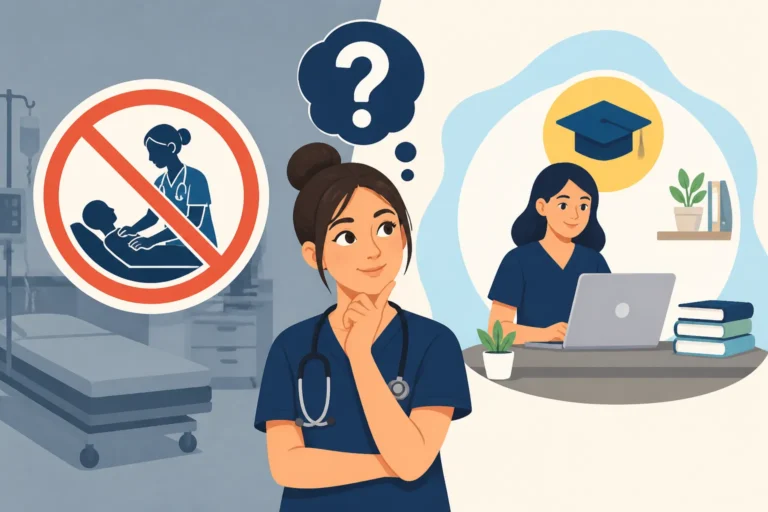
Navigating your nursing career path can feel like standing at a crossroads, especially when you’re weighing whether to advance your education or continue excelling with the valuable credentials you already hold. Many dedicated Registered Nurses with an Associate Degree in Nursing (ADN) find themselves pondering the benefits and challenges of pursuing an RN to BSN program. This comprehensive guide is here to help you understand the real differences, what a BSN can truly offer, and empower you to make an informed decision for your unique journey.
Understanding the ADN and BSN Degrees
Let's be honest, getting your ADN was a huge accomplishment, a rigorous journey that prepared you to care for patients right away. You’re a licensed RN, making a difference every single day. So, why are we even talking about more schooling? It’s not about devaluing your current degree, but understanding the evolving landscape of nursing and what each credential brings to the table.
The Associate Degree in Nursing ADN
The Associate Degree in Nursing (ADN) has long been the cornerstone for entering the nursing profession, offering a direct and efficient pathway to becoming a Registered Nurse. Typically taking around two years to complete, ADN programs focus heavily on clinical skills and direct patient care, preparing graduates for entry-level positions in a variety of healthcare settings. Think acute care hospitals, long-term care facilities, and even some outpatient clinics. You learned how to assess, implement care plans, administer medications, and be the compassionate caregiver patients desperately need.
Many of us, myself included, started with an ADN. It was often the most accessible option, both in terms of time commitment and cost, allowing us to hit the ground running and gain invaluable bedside experience quickly. The real-world experience you accumulate as an ADN-prepared nurse is absolutely priceless, forming the foundation of your clinical judgment and patient care philosophy. You've been there, on the front lines, making critical decisions and providing comfort. This hands-on experience is a huge asset.
The Bachelor of Science in Nursing BSN
Now, let's talk about the Bachelor of Science in Nursing (BSN). While the ADN focuses primarily on immediate patient care, a BSN program broadens that scope considerably, integrating a more extensive curriculum that delves into areas like leadership, community health, research, evidence-based practice, and public policy. It’s not just about how to perform a skill, but why you’re performing it, the ethical implications, and how to improve care on a systemic level.
Earning your BSN equips you with advanced critical thinking and problem-solving skills, preparing you for a wider array of clinical situations and leadership roles. This degree emphasizes a holistic approach to patient care, considering the patient within their family and community context. This deeper understanding is what many healthcare organizations are now looking for, especially in complex environments like Magnet-recognized hospitals. You'll often find that the Why Hospitals Prefer BSN Nurses is a direct result of this broader educational foundation.
Why Consider an RN to BSN Program?
So, you're already an RN. You're competent, caring, and experienced. The question isn't if you're a good nurse, but how advancing your education could open doors you might not even realize are there. It's about investing in your future self and expanding your impact within the healthcare system.
Enhanced Career Opportunities and Advancement
One of the most compelling reasons ADN-prepared nurses pursue an RN to BSN is the significant impact it has on career trajectory. Many hospitals, particularly those seeking or holding Magnet status, are increasingly requiring or strongly preferring BSN-prepared nurses for certain positions. This isn't just a trend; it's a strategic move to align with research demonstrating improved patient outcomes associated with a more highly educated nursing workforce. For example, in competitive markets like Southern California or major East Coast cities, you might find that many desirable roles in critical care, pediatrics, or management explicitly list a BSN as a requirement or a strong preference.
Beyond just meeting employment criteria, a BSN unlocks doors to a much broader range of specialized roles and leadership opportunities. If you've ever dreamt of becoming a charge nurse, a unit manager, a nurse educator, or moving into areas like case management, informatics, or even a specialized role as a clinical nurse specialist, a BSN is often the foundational step. These roles require a deeper understanding of systems, data analysis, team leadership, and policy, all of which are integrated into a BSN curriculum. It's about moving from bedside care only to having the option to influence care on a grander scale. This is where programs like those found in an Online RN to BSN Programs: Complete Guide really shine, making these career advancements attainable for working nurses.
Improved Patient Outcomes and Professional Development
The push for BSN-prepared nurses isn't just about checkboxes; it's deeply rooted in evidence demonstrating better patient care. Studies have consistently shown that hospitals with a higher percentage of BSN-prepared nurses tend to have lower patient mortality rates, fewer medication errors, and better patient satisfaction scores. This isn't magic; it's the result of the BSN curriculum's emphasis on critical thinking, evidence-based practice, and complex decision-making, which enables nurses to provide more comprehensive and nuanced care.
Furthermore, pursuing your BSN fosters immense professional development. It challenges you to look beyond the immediate task and understand the broader context of healthcare. You’ll engage with research, learn how to critically evaluate best practices, and develop skills to advocate for policy changes that improve patient safety and public health. This continuous learning enhances your autonomy and confidence as a healthcare professional. Many nurses also find that the rigorous academic environment, even online, helps them sharpen their skills for advanced certification exams. For example, preparing for a specialty certification often requires a solid understanding of theory and research, which BSN coursework reinforces. Resources like Uworld, for example, are highly regarded for their comprehensive review materials, and a strong academic background from a BSN can significantly aid in leveraging such tools for success in these advanced exams.
Financial and Educational Incentives
Let's talk about the elephant in the room: money and the cost of education. While going back to school is an investment, the financial return on earning your BSN can be significant. Many healthcare organizations offer higher pay scales for BSN-prepared nurses, recognizing the added value they bring. Even a modest increase per hour can translate into thousands more annually over your career. Beyond base salary, a BSN can qualify you for those higher-paying leadership or specialty positions that an ADN might not. Exploring resources like Does a BSN Increase Your Salary, can give you a clearer picture of the potential financial benefits in your region.
Moreover, many employers are actively encouraging their ADN-prepared nurses to earn their BSNs through tuition reimbursement programs. Hospitals understand the value of an educated workforce and often have policies in place to cover a substantial portion, if not all, of your tuition costs, especially if you commit to working for them for a certain period post-graduation. This makes the investment much more manageable. Don't forget to look into other financial aid avenues like grants, scholarships, and federal student loans. Understanding your RN to BSN Financial Aid Options can make the decision feel less daunting. Some states, like New York with its "BSN in 10" legislation, even mandate that nurses earn their BSN within ten years of initial licensure, often providing incentives or support to help nurses meet this requirement.
The Practicalities of Earning Your BSN as a Working RN
The idea of going back to school while working full-time, potentially raising a family, or managing other life commitments, can feel overwhelming. "How will I fit it all in?" is a question countless ADN nurses have asked themselves. The good news is that the educational landscape has evolved to meet the needs of working professionals.
Online and Flexible Program Options
For the busy, working RN, online RN to BSN programs have become a true game-changer. These programs are specifically designed with your schedule in mind, offering unparalleled flexibility that traditional brick-and-mortar programs often can't match. You can often complete coursework on your own time, fitting it around shifts, family obligations, and personal life. Many programs, such as those offered by institutions like Western Governors University (WGU) or Capella University, utilize a competency-based model, allowing you to move through material faster if you already grasp the concepts, or take more time if a particular subject needs extra attention. This flexibility is a huge advantage, letting you decide How to Balance Work and RN to BSN.
The beauty of online learning means you're not tied to a physical classroom or rigid lecture times. You can study from your kitchen table after a night shift, from a coffee shop on your day off, or even from your hospital's breakroom during a lull. Furthermore, many programs offer multiple start dates throughout the year, meaning you don't have to wait for a traditional fall or spring semester to begin your journey. This adaptability is critical for nurses whose schedules are anything but predictable. When looking for the right fit, exploring options like Accelerated RN to BSN Programs or those with flexible structures can make a huge difference in your success.
Clinical and Experiential Components
One common misconception about RN to BSN programs is the need for additional, arduous clinical hours, especially for nurses already working at the bedside. The reality is often quite different for ADN-prepared nurses. Since you already hold an RN license and have practical experience, most RN to BSN programs do not require new hands-on, direct-patient care clinical rotations. Instead, the "clinical" or experiential component usually focuses on community health, leadership, public health projects, or capstone experiences that broaden your scope of practice without requiring more time in a hospital ward.
For example, you might be tasked with developing a health promotion project for a local community center, designing a quality improvement initiative for your current hospital unit, or participating in a mock disaster preparedness drill. These experiences allow you to apply the theoretical knowledge gained in your BSN coursework to real-world scenarios, enhancing your understanding of healthcare beyond the individual patient. Many fantastic programs are specifically designed as No-Clinical RN to BSN Programs, recognizing and valuing your existing bedside expertise. This model ensures that you’re building on your foundation, not repeating what you’ve already mastered, making the return to school much more manageable.
Making the Decision: Staying ADN vs. Earning BSN
This isn't a simple "yes" or "no" question. The best path for you depends entirely on your personal circumstances, career aspirations, and what you value most in your professional life. It's about weighing the knowns and unknowns and making an informed choice that aligns with your individual goals.
Weighing the Pros and Cons of Each Path
Let's lay it all out there. Both ADN and BSN degrees have distinct advantages and potential drawbacks, and what feels like a "pro" to one nurse might be a "con" to another.
Associate Degree in Nursing (ADN)
- Pros:
- Faster Entry to Practice: Generally a two-year program, allowing you to become a licensed RN and start earning quicker.
- Lower Initial Cost: Tuition is typically less expensive than a four-year BSN program.
- Strong Clinical Focus: Provides excellent hands-on skills and bedside experience from day one.
- Immediate Impact: You can begin your nursing career and make a difference in patients' lives sooner.
- Cons:
- Limited Advancement Opportunities: May face barriers to promotion or specialized roles in some healthcare settings.
- Employer Preference: Increasingly, many hospitals prefer or require a BSN, especially Magnet facilities or those in competitive urban areas.
- Lower Earning Potential: On average, BSN-prepared nurses earn more over their careers.
- Less Broad Education: Less emphasis on leadership, research, and community health.
Bachelor of Science in Nursing (BSN)
- Pros:
- Enhanced Career Mobility: Opens doors to a wider range of specialties, leadership positions, and advanced practice roles.
- Higher Earning Potential: Often associated with higher salaries and better benefits.
- Improved Patient Outcomes: Research links BSN education to better patient care metrics.
- Professional Development: Fosters advanced critical thinking, leadership, and evidence-based practice skills.
- Meeting Industry Standards: Aligns with national recommendations (like the Institute of Medicine's goal of 80% BSN-prepared nurses by 2020, though many states are still working towards this).
- Path to Graduate School: A BSN is a prerequisite for pursuing advanced degrees like an MSN or DNP.
- Cons:
- Time Commitment: Requires a longer period of study (typically 1-2 years beyond an ADN, or 4 years total).
- Higher Cost: Greater tuition expenses, though often mitigated by employer reimbursement or financial aid.
- Academic Rigor: Can be challenging to balance with work and personal life, especially without flexible online options.
Here’s a quick overview to help you visualize the comparison:
| Feature | Associate Degree in Nursing (ADN) | Bachelor of Science in Nursing (BSN) |
|---|---|---|
| Program Length | ~2 years | ~4 years (or 1-2 years for RN to BSN programs) |
| Entry into Practice | Fastest route to become an RN | Builds upon ADN, broader scope of practice |
| Curriculum Focus | Clinical skills, direct patient care | Critical thinking, leadership, community health, research, policy |
| Career Progression | Entry-level positions, limited advancement in some settings | Wider career options, leadership, specialties, graduate studies |
| Salary Potential | Generally lower average | Generally higher average, greater long-term earning potential |
| Employer Preference | Accepted for many roles, but BSN increasingly preferred | Preferred or required by many hospitals, especially Magnet facilities |
| Advanced Degrees | Requires an RN to BSN bridge program before MSN/DNP | Direct pathway to MSN, DNP, and Nurse Practitioner specializations |
| Cost | Lower initial tuition | Higher tuition, but often with employer support and higher ROI |
Real-World Scenarios and Expert Advice
The "right" choice is incredibly personal. If you’re a nurse who loves direct bedside care, isn't interested in management, and works in a facility where ADN is still fully supported, then staying an ADN nurse might be perfectly fine for your current goals. You're making a huge impact every day, and your experience is invaluable. However, consider the long-term trends. The "BSN in 10" movement, as seen in states like New York, indicates a clear shift towards a more educated nursing workforce. Even if your current job doesn’t require it, future opportunities or even a change in employer might.
For those who feel a pull towards leadership, specialized units (like critical care, ER, or ICU), or even advanced practice roles such as becoming a Nurse Practitioner, the BSN is an essential stepping stone. It provides the academic foundation and critical thinking skills needed to excel in these complex areas. Many ADN nurses find that after a few years of bedside experience, they crave a deeper understanding of healthcare systems, research, and how to influence care at a broader level. That's when an RN to BSN program, particularly a flexible online one, becomes incredibly appealing. It’s an investment in your long-term growth and resilience in a constantly evolving profession. Think about your goals 5, 10, or 15 years down the road. Will your current degree support those aspirations, or will a BSN empower you to reach them? Consider exploring Is an RN to BSN Worth It to dive deeper into this evaluation.
Ultimately, your decision should reflect your personal and professional ambitions. There's no single right answer for every nurse. Take the time to research RN to BSN Requirements Explained, consider the time and financial commitment, and speak with nurses who have walked both paths. Your journey is unique, and making an informed decision is the most important step.
Disclaimer
The information provided in this article is for general informational purposes only and does not constitute professional advice. Nursing educational requirements, job market demands, and salary expectations can vary by location and institution. Always consult with academic advisors, nursing board representatives, and potential employers for the most accurate and up-to-date information relevant to your specific situation.