How to Become a ER Nurse
Have you ever watched an emergency room drama and felt that pull, that intense desire to be right there, in the thick of it, making a real difference when it truly matters most? The world of emergency nursing is exhilarating, challenging, and undeniably vital, but getting there can feel like navigating a complex maze of education and experience. This comprehensive guide is here to demystify that journey, offering a realistic, step-by-step roadmap to becoming an ER nurse and thriving in this demanding specialty.
Understanding the Urgent Pulse of Emergency Nursing
The emergency room is unlike any other unit in a hospital. It's a high-stakes environment where every second counts, and nurses are often the first line of defense for patients arriving with a vast spectrum of conditions, from minor cuts to life-threatening traumas. It's a place where you truly never know what the next minute will bring, and that unpredictability is both its biggest challenge and its greatest reward.
What Does an ER Nurse Actually Do?
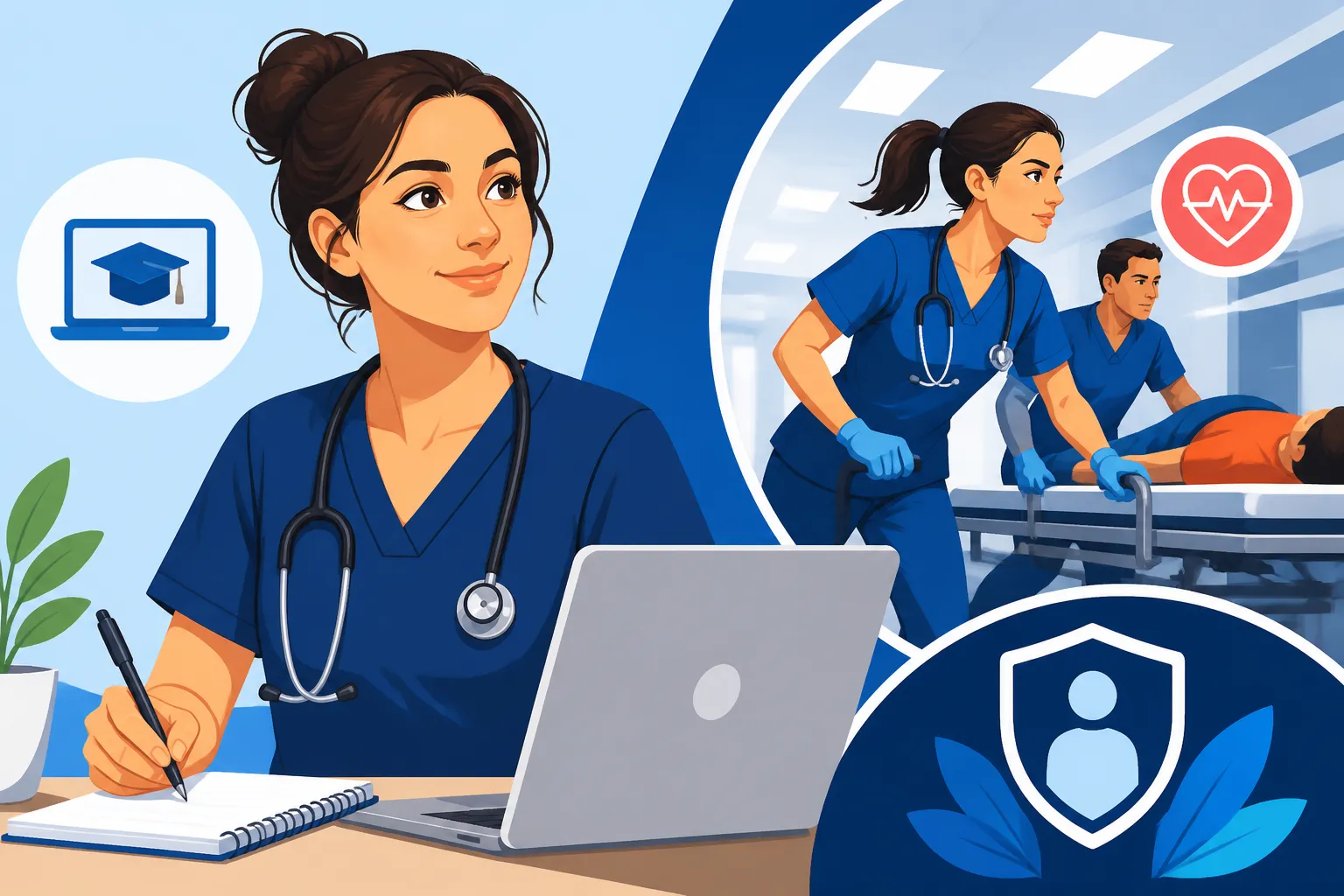
An ER nurse is a master of triage, assessment, and rapid response. They're the calm in the storm, quickly evaluating patients, initiating life-saving interventions, and collaborating with a multidisciplinary team to stabilize those in crisis. Imagine a busy Saturday night: one minute you're providing comfort to a child with a broken arm, the next you're assisting in a code blue for a cardiac arrest, then educating a patient's family about stroke symptoms. This dynamic nature means ER nurses need to be quick on their feet, both mentally and physically, adapting to new situations with remarkable speed and precision.
Their responsibilities are incredibly broad and include:
- Triage and Assessment: Quickly prioritizing patients based on the severity of their condition, using standardized scales.
- Stabilization and Intervention: Administering medications, performing procedures like starting IVs, inserting catheters, and assisting with intubations.
- Wound Care and Injury Management: Cleaning and dressing wounds, splinting fractures, and managing pain.
- Patient Education: Explaining conditions, treatments, and discharge instructions to patients and their families.
- Documentation: Meticulously recording all assessments, interventions, and patient responses, which is crucial for continuity of care and legal purposes.
- Collaboration: Working seamlessly with physicians, paramedics, specialists, and other healthcare professionals to ensure coordinated care.
The Unique Environment of the Emergency Department
The ER environment itself is a character in this demanding specialty. It's often loud, crowded, and unpredictable. Unlike a scheduled doctor's visit or a planned admission, patients arrive unannounced, sometimes critically ill, often scared or in pain. This creates a high-pressure atmosphere that requires nurses to maintain composure under stress, think critically, and act decisively.
You'll encounter diverse patient populations from all walks of life, facing every imaginable medical emergency. This requires not only clinical expertise but also exceptional communication skills and cultural sensitivity. It's a constant learning environment where you'll see rare conditions one day and common ailments the next, always refining your assessment skills and knowledge base.
Charting Your Course: Educational Pathways for Aspiring ER Nurses
Before you can even dream of the ER's fast pace, you need to lay a solid educational foundation. Becoming a registered nurse (RN) is the absolute first step, and there are a couple of common routes to get there, each with its own advantages.
Associate Degree in Nursing ADN vs Bachelor of Science in Nursing BSN
Most ER nurses start their careers with either an Associate Degree in Nursing (ADN) or a Bachelor of Science in Nursing (BSN). Both degrees qualify you to sit for the NCLEX-RN exam, which is required for licensure. However, there's a growing preference for BSN-prepared nurses, especially in critical care areas like the ER.
- Associate Degree in Nursing (ADN): This is typically a two-year program offered at community colleges. It focuses heavily on clinical skills and direct patient care. Many nurses begin with an ADN because it's a quicker and often more affordable entry point into the profession. However, you might find that some hospitals, particularly larger academic medical centers or those with Magnet status, prefer or even require a BSN. If you start with an ADN, you'll likely want to pursue an RN to BSN Programs Explained program relatively soon after starting your career to enhance your long-term opportunities.
- Bachelor of Science in Nursing (BSN): A four-year university program, the BSN provides a broader education, including more courses in leadership, research, public health, and critical thinking. This comprehensive curriculum is highly valued in the ER, where nurses are expected to manage complex cases, think holistically about patient care, and often take on charge nurse roles. Many employers will offer tuition reimbursement programs to help ADN-prepared nurses earn their BSN. For those changing careers, an Accelerated BSN Programs Explained might be a good fit if you already hold a bachelor's degree in another field.
The debate between ADN vs BSN: Key Differences is ongoing, but for a specialty like emergency nursing, a BSN is increasingly seen as the gold standard, offering a stronger foundation for the complex decision-making and patient advocacy required.
Online Nursing Degree Programs and Licensure
For many aspiring nurses, especially those balancing work and family, Online Nursing Degree programs have become a flexible and accessible option. While the clinical components always require in-person attendance, the didactic (classroom) portions can often be completed online. This flexibility allows you to study at your own pace and from anywhere, which is a huge benefit for busy individuals.
After completing your nursing program, regardless of whether it was online or in-person, you must pass the National Council Licensure Examination for Registered Nurses (NCLEX-RN). This rigorous exam ensures that all new nurses possess the minimum knowledge and skills necessary for safe and effective practice. Many nursing students utilize comprehensive review materials, like those offered by Uworld, to prepare for this critical exam, finding their practice questions and rationales incredibly helpful. Once you pass the NCLEX, you'll apply for licensure in your state.
Building Your ER Nurse Toolkit: Essential Skills and Personal Attributes
It takes more than just a nursing degree to excel in the ER. The demands of the job require a specific blend of clinical prowess and inherent personal qualities that allow nurses to thrive in high-stress, rapidly changing environments.
The Clinical Acumen You'll Need
In the ER, your clinical skills need to be sharp and adaptable. You won't have the luxury of time that nurses on other units might have; quick, accurate assessments and interventions are paramount.
- Rapid Assessment Skills: The ability to quickly identify life-threatening conditions, prioritize care, and distinguish between critical and non-critical symptoms. This isn't just about taking vital signs; it's about synthesizing information, recognizing subtle cues, and anticipating potential complications.
- Advanced Cardiac Life Support ACLS and Pediatric Advanced Life Support PALS: These certifications are often prerequisites for ER positions, and for good reason. They equip nurses with the knowledge and skills to manage cardiac arrest, strokes, and other critical cardiovascular and pediatric emergencies. These aren't just acronyms; they represent the frameworks you'll use to save lives.
- Trauma Care Expertise: Familiarity with trauma protocols, injury assessment, and stabilization techniques. You might assist with anything from a severe car accident victim to someone with a penetrating injury.
- Medication Administration and Management: Precision in administering a wide array of medications, often through complex routes and under emergent conditions. You need to know drug indications, contraindications, dosages, and potential side effects inside and out.
- Wound Management and Basic Procedures: From suturing small lacerations (under physician supervision) to complex wound care, and performing procedures like catheter insertions, splinting, and basic airway management.
The Personal Qualities That Make an Exceptional ER Nurse
Beyond the clinical skills, certain personal attributes are non-negotiable for success and longevity in the ER. These are the traits that help you manage stress, connect with patients, and work effectively as part of a high-performing team.
- Exceptional Communication Skills: You'll be communicating with scared patients, anxious families, busy physicians, and a diverse team of colleagues. This means active listening, clear verbal and written communication, and the ability to explain complex medical information in understandable terms. When things are chaotic, clear communication is your best tool.
- Critical Thinking and Problem-Solving: Every patient presents a puzzle. ER nurses must quickly analyze information, identify problems, develop solutions, and execute them, often with limited data. This isn't rote memorization; it's applying knowledge in dynamic, real-time scenarios.
- Emotional Resilience and Stress Management: The ER is emotionally taxing. You'll witness suffering, death, and often deal with difficult behaviors. The ability to compartmentalize, process emotions, and debrief is crucial for preventing burnout and maintaining mental well-being.
- Adaptability and Flexibility: The ER environment is constantly shifting. You might be assigned to triage, then move to a trauma bay, then care for a psychiatric patient, all in one shift. Being able to pivot quickly and effectively is a hallmark of a great ER nurse.
- Teamwork and Collaboration: No one works alone in the ER. You are part of a critical team, and successful patient outcomes depend on seamless collaboration with doctors, paramedics, technicians, and other nurses. Being a supportive, reliable team player is essential.
Making the Leap: Gaining Experience and Certification in the ER
Once you have your RN license, the real journey toward becoming an ER nurse begins. It’s often not a direct path, but a strategic one that involves gaining foundational experience and then specializing.
Gaining Your Initial Nursing Experience
While some hospitals offer new graduate residency programs specifically for the ER, it's more common for new RNs to start in a medical-surgical unit. This foundational experience is invaluable, even if your ultimate goal is the ER.
- Medical-Surgical Units: Working on a med-surg floor helps you solidify basic nursing skills, time management, prioritization, and patient assessment in a less acute, but still busy, environment. You’ll learn how to care for a variety of conditions, manage multiple patients, and work with different healthcare providers. This general experience builds a crucial knowledge base that you’ll carry with you into any specialty. It's an excellent training ground for developing the organizational skills and broad patient care knowledge that are transferable to the ER.
- Telemetry or Progressive Care Units: These units are a step up in acuity from med-surg and can be an excellent bridge to the ER. Nurses on telemetry units often care for patients with cardiac conditions, respiratory issues, and other acute illnesses, providing experience with continuous monitoring, advanced drips, and more critical decision-making. This exposure helps you become comfortable with rapidly changing patient conditions and more complex interventions.
Aim for at least 1-2 years of solid bedside nursing experience before transitioning to the ER. This time will allow you to develop confidence, refine your clinical judgment, and become proficient in the core nursing skills that you'll need to hit the ground running in the high-stress ER environment.
Specializing with Emergency Nursing Certifications
Once you have experience, you can pursue specific certifications that validate your expertise in emergency nursing. These certifications demonstrate a higher level of knowledge and commitment to the specialty, making you a more competitive candidate and often leading to increased responsibilities and pay.
- Certified Emergency Nurse CEN: This is the gold standard for ER nurses and is offered by the Board of Certification for Emergency Nursing (BCEN). To sit for the CEN exam, you typically need to be a licensed RN with at least two years of experience in an emergency setting, although some sources may suggest it’s possible with less. The exam covers topics such as trauma, medical emergencies, neurological emergencies, environmental emergencies, and more. Preparing for the CEN exam is rigorous, and many nurses use specialized review courses or study guides from reputable providers like Uworld to ensure they're ready. The CEN shows employers that you possess specialized knowledge in emergency care and are dedicated to your craft.
- Trauma Nursing Core Course TNCC: This course, offered by the Emergency Nurses Association (ENA), focuses specifically on trauma assessment and intervention. It’s highly recommended, and often required, for ER nurses, providing a systematic approach to care for critically injured patients.
- Emergency Nurse Pediatric Course ENPC: Also offered by the ENA, this course is similar to TNCC but focuses on the unique challenges of pediatric emergency care. Caring for children in crisis requires specific knowledge and skills, and ENPC helps prepare nurses for these situations.
A complete guide to Emergency Nurse Certification CEN can provide more details on these vital credentials. These certifications not only enhance your skill set but also often come with better job prospects and even a boost in salary.
Here’s a quick overview of key certifications:
| Certification Abbreviation | Full Name | Administering Body | Focus | Typical Requirement |
|---|---|---|---|---|
| RN | Registered Nurse | State Boards of Nursing | Entry-level licensure | ADN or BSN + NCLEX-RN |
| CEN | Certified Emergency Nurse | Board of Certification for Emergency Nursing (BCEN) | Broad emergency nursing knowledge | Current RN, recommended 2 years ER experience, pass exam |
| TNCC | Trauma Nursing Core Course | Emergency Nurses Association (ENA) | Systematic approach to trauma patient care | Current RN |
| ENPC | Emergency Nurse Pediatric Course | Emergency Nurses Association (ENA) | Pediatric emergency care specifics | Current RN |
| ACLS | Advanced Cardiac Life Support | American Heart Association | Management of adult cardiac arrest/other emergencies | Current RN |
| PALS | Pediatric Advanced Life Support | American Heart Association | Management of pediatric cardiac arrest/other emergencies | Current RN |
What to Expect on the Job: The Realities of ER Nursing
The glamour of TV medical dramas often glosses over the tough realities of working in an emergency department. While immensely rewarding, it's also physically and emotionally demanding, requiring a robust coping mechanism and a strong support system.
The Good, the Bad, and the Unexpected
Every shift in the ER is a mixed bag of emotions and challenges. You'll experience moments of profound gratitude and incredible satisfaction, offset by moments of heartbreak and frustration.
- The Good: The sheer satisfaction of saving a life, seeing a critical patient stabilize, or comforting a frightened family is unparalleled. The variety of cases means you're constantly learning, expanding your skills, and seeing things no other specialty offers. The camaraderie among ER staff is often incredibly strong, a tight-knit team forged in the fires of shared stress and triumph. You develop a thick skin, quick reflexes, and an unshakeable confidence in your abilities.
- The Bad: Be prepared for high-stress situations, emotional burnout, and exposure to traumatic events. You’ll deal with difficult patients and families, violence, and the heartbreaking reality of death, sometimes unexpected. The pace can be relentless, leading to long shifts, missed breaks, and physical exhaustion. Navigating understaffing, overflowing waiting rooms, and administrative burdens are common frustrations.
- The Unexpected: The ER is the land of surprises. A quiet morning can turn into mass casualty incident in minutes. A seemingly minor complaint can mask a life-threatening condition. This constant state of readiness and the need to adapt to the unknown is a defining characteristic of ER nursing. You learn to expect the unexpected and to react with calm professionalism, no matter the chaos.
Developing Your Own Coping Mechanisms and Self-Care Strategies
Given the intense nature of the job, self-care is not a luxury; it's a necessity for ER nurses. Without robust coping mechanisms, burnout is a very real threat.
- Debriefing and Peer Support: Talking through difficult cases with colleagues, supervisors, or even a trusted friend outside of work can be incredibly therapeutic. Many ERs have formal debriefing sessions after critical incidents. Knowing you're not alone in processing these events is crucial.
- Physical Activity and Hobbies: Engaging in regular exercise, pursuing hobbies, or simply spending time in nature can help release stress and provide a mental break from the intensity of work. It’s about creating a clear boundary between your professional and personal life.
- Mindfulness and Relaxation Techniques: Practices like meditation, deep breathing exercises, or even just quiet reflection can help manage stress and promote emotional well-being. These tools can be particularly useful for decompressing after a challenging shift.
- Seeking Professional Help: There's no shame in seeking counseling or therapy if you're struggling with the emotional toll of the job. Mental health professionals can provide strategies and support to navigate the psychological impact of working in the ER. Remember, you can't pour from an empty cup; taking care of yourself allows you to better care for others.
Charting Your Course: Career Growth and Specializations
Becoming an ER nurse isn't the end of your professional journey; it's often just the beginning. The skills and experience you gain in the emergency department open doors to numerous exciting career advancements and specialized roles.
Advancing Within Emergency Nursing
Your time in the ER can lead to many growth opportunities right within the department or related critical care areas.
- Charge Nurse: With experience, you can move into a charge nurse role, overseeing the flow of the ER, managing staff, and making critical decisions about patient assignments and resources. This role requires strong leadership, organizational skills, and the ability to mentor newer nurses.
- Educator/Preceptor: Experienced ER nurses are vital in training new nurses and students. Becoming a preceptor allows you to share your knowledge and passion for emergency nursing, shaping the next generation of healthcare providers.
- Clinical Nurse Specialist CNS: A CNS is an advanced practice registered nurse (APRN) who holds a master's or doctoral degree and specializes in a particular area of nursing practice, like emergency care. They act as expert clinicians, educators, researchers, and consultants, improving patient outcomes and staff competency.
- Trauma Coordinator: Hospitals with designated trauma centers often employ trauma coordinators, who are typically experienced ER nurses responsible for managing trauma care protocols, ensuring compliance, and coordinating care for trauma patients throughout their hospital stay.
Beyond the Emergency Department: Related Specialties
The skills you hone in the ER are highly transferable and can serve as a springboard into other challenging and rewarding nursing specialties. This flexibility is one of the many benefits of a career in nursing, especially with a BSN.
- Flight Nurse/Transport Nurse: For those who love the adrenaline and critical thinking of the ER but want a change of scenery, becoming a flight nurse or critical care transport nurse is an exciting option. These nurses provide advanced critical care during transport, often via helicopter or ambulance, to critically ill or injured patients. This role requires extensive ER or ICU experience and specialized certifications.
- Critical Care Nurse ICU Nurse: The intensive care unit (ICU) is another natural progression for ER nurses. In the ICU, you care for the most critically ill patients, often over longer periods, managing complex medical equipment and advanced interventions. Your experience in stabilizing critical patients in the ER will be invaluable here. Read more about How to Become a ICU Nurse.
- Nurse Practitioner NP – Emergency or Acute Care: If you're looking to advance your scope of practice and take on more diagnostic and treatment responsibilities, pursuing a Master of Science in Nursing (MSN) to become an Emergency Nurse Practitioner (ENP) or Adult-Gerontology Acute Care Nurse Practitioner (AGACNP) is a significant step. ENPs often work alongside physicians in the ER, while AGACNPs provide care to acutely ill patients in various settings. This path requires further education, typically an Online MSN Programs: Complete Guide.
- Nursing Specializations Explained: The broader field of nursing offers a vast array of other specializations, from How to Become a Flight Nurse to How to Become a Nurse Informaticist. Your ER experience will give you a strong foundation of assessment and critical thinking that applies to almost any role.
The career outlook for registered nurses, and particularly those with specialized skills like ER nurses, remains strong. The Bureau of Labor Statistics projects continued growth in nursing roles, driven by an aging population and increasing demand for healthcare services. Your path to becoming an ER nurse is a journey of continuous learning, professional development, and profound impact. The initial steps of foundational education, solid clinical experience, and specialized certification will set you up for a fulfilling and dynamic career at the very heart of healthcare.
Disclaimer
Please remember that the information provided in this guide is for general informational purposes only and does not constitute professional medical or educational advice. Requirements for nursing programs, licensure, and certifications can vary by state and institution. Always verify specific requirements with the relevant nursing boards, educational institutions, and certification bodies.