How to Become a Diabetes Educator
Living with diabetes, or caring for someone who does, can often feel like navigating a complex maze. The sheer volume of information, the constant monitoring, and the lifestyle adjustments required can be overwhelming, leaving many feeling isolated and unsure of the best path forward. That's precisely where a dedicated professional steps in. This comprehensive guide will walk you through everything you need to know about becoming a diabetes educator, a truly vital role that empowers individuals to take control of their health journey and live fuller, healthier lives.
Understanding the Role of a Diabetes Educator
Being a diabetes educator is so much more than just dispensing medical advice; it's about being a guide, a mentor, and a steadfast advocate for individuals living with diabetes. You're not just teaching; you're transforming lives by helping people understand and manage a chronic condition that impacts millions globally. The official credential for this specialized role is a Certified Diabetes Care and Education Specialist (CDCES), a title that signifies a high level of expertise and commitment.
What Exactly Does a CDCES Do?
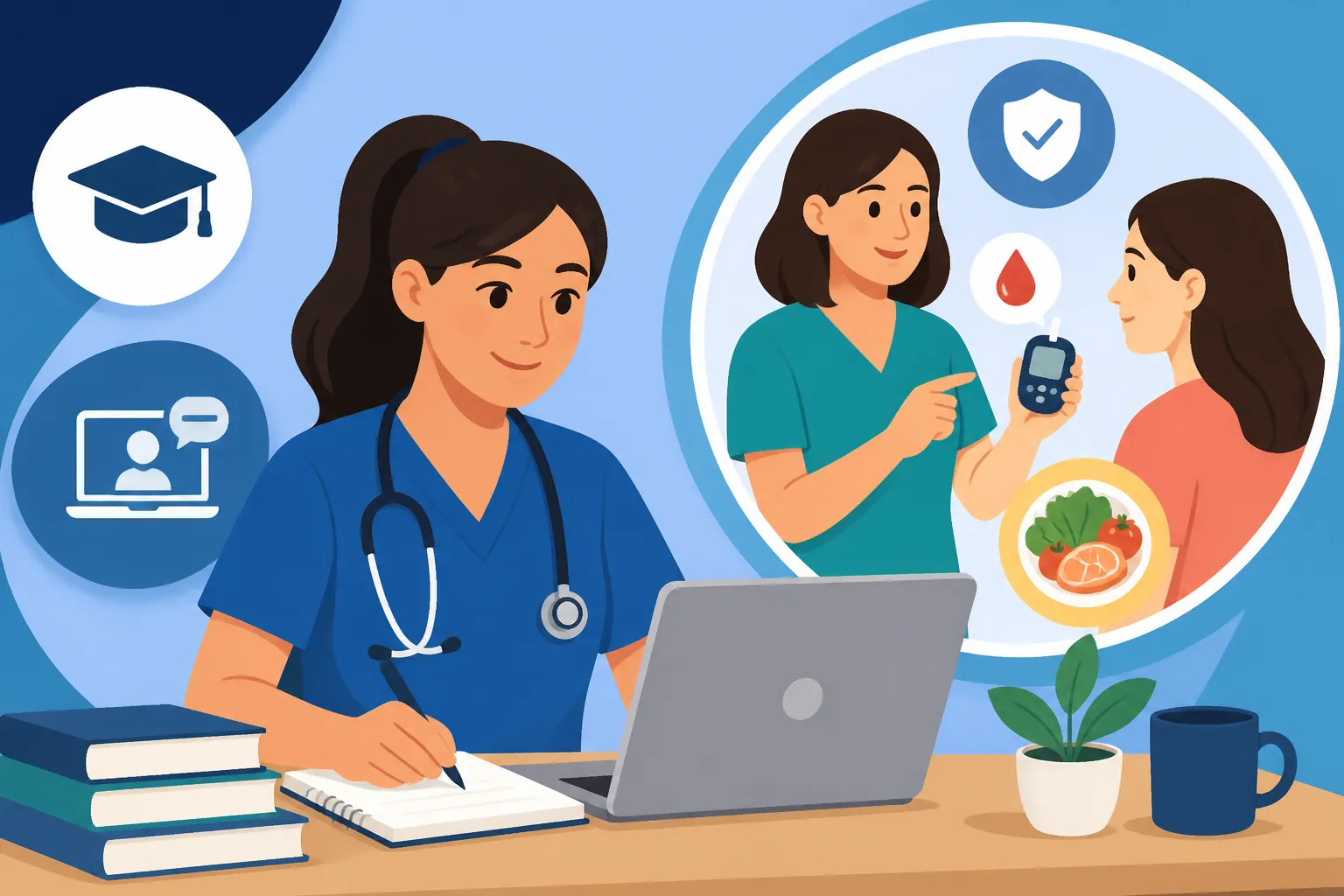
Imagine a patient newly diagnosed with Type 2 diabetes. They're likely scared, confused, and overwhelmed. Their doctor might have given them a pamphlet, but that's often not enough. A CDCES steps in to bridge that gap. You'll work one-on-one or in groups, providing personalized education on everything from the basics of blood sugar monitoring and medication management to advanced topics like insulin pump therapy or navigating diabetes during pregnancy. It’s about teaching practical skills, like how to read nutrition labels, prepare healthy meals, or administer insulin injections confidently. Beyond the technical skills, a significant part of the job involves helping patients develop coping strategies for the emotional and psychological toll diabetes can take, fostering self-management, and encouraging adherence to treatment plans. It's a holistic approach to care, focusing on improving overall quality of life.
Why Is This Specialty So Crucial?
Diabetes management is incredibly dynamic, constantly evolving with new research, technologies, and treatment protocols. Patients need a reliable source of up-to-date information and support that goes beyond what a busy primary care physician can provide. A CDCES plays a critical role in preventing complications, improving health outcomes, and reducing healthcare costs. For instance, studies consistently show that individuals who receive diabetes education are more likely to control their blood sugar, have fewer hospitalizations, and experience better overall health. Without specialized education, many patients would struggle to implement the necessary changes to their diet, exercise, and medication routines, leading to worse health trajectories and a higher incidence of severe, life-altering complications like kidney disease, blindness, or amputations. This specialty is a cornerstone of preventative care and effective chronic disease management, making it an indispensable part of the healthcare team.
Impact on Patient Lives
The impact a diabetes educator has on patient lives is profound and deeply personal. Think about Maria, a 50-year-old single mother who felt utterly defeated by her recent Type 2 diagnosis. She thought her life was over, that she'd never enjoy food again, or have the energy to play with her kids. Her CDCES spent weeks with her, not just explaining healthy eating and medication, but showing her how to cook diabetes-friendly versions of her favorite family recipes, helping her find an exercise routine that fit her busy schedule, and even connecting her with support groups. Maria didn't just learn to manage her diabetes; she regained her confidence, improved her energy levels, and learned to live a full life with diabetes, not defined by it. Stories like Maria's are the heart of why this profession is so rewarding. You're not just a healthcare provider; you're an empowerer, helping people reclaim their health and their future.
Educational Pathways to Becoming a Diabetes Educator
Becoming a certified diabetes educator typically begins with a foundational healthcare degree. Most CDCES professionals come from a nursing background, but other healthcare disciplines also provide suitable entry points. The key is to acquire the necessary clinical experience and specialized knowledge that prepares you for the certification exam. This journey emphasizes a strong academic foundation coupled with practical, hands-on experience. If you're wondering about Nursing Specializations Explained, this is one that offers a truly unique blend of patient education and clinical expertise.
Starting with a Nursing Degree
For many aspiring diabetes educators, a nursing degree is the most common and often most direct route. You'll first need to become a Registered Nurse (RN). This means completing either an Associate Degree in Nursing (ADN) or a Bachelor of Science in Nursing (BSN) from an accredited program and then passing the NCLEX-RN exam. While an ADN can get you started in nursing, many employers and the CDCES certification board increasingly prefer or require a bachelor's degree. Pursuing an Online RN to BSN Programs: Complete Guide can be an excellent way for working nurses to elevate their credentials without putting their careers on hold. A BSN curriculum provides a broader understanding of public health, research, and leadership, which are all invaluable skills for a diabetes educator. It prepares you not just for direct patient care, but also for the critical thinking and problem-solving required to tailor education plans for diverse patient populations.
Advanced Degrees for Leadership and Specialization
While a BSN is often sufficient, some nurses choose to pursue advanced degrees like a Master of Science in Nursing (MSN) or a Doctor of Nursing Practice (DNP) if they envision a broader role in diabetes education, such as program development, research, or policy advocacy. An MSN, particularly with a focus on education or a specific Nurse Practitioner (NP) specialization like family medicine or adult-gerontology, can provide deeper clinical knowledge and leadership skills. For those interested in becoming a MSN Nurse Educator Track, this could naturally lead into a diabetes education role, focusing on training other healthcare professionals or developing educational curricula. If you're considering an advanced degree, exploring Online MSN Programs: Complete Guide might offer flexible options to continue your education while working. These higher degrees open doors to roles such as lead diabetes educators in large healthcare systems, faculty positions in nursing schools, or even consulting for pharmaceutical companies or medical device manufacturers specializing in diabetes care.
Other Healthcare Professional Routes
It's important to remember that nursing isn't the only path to becoming a CDCES. The certification is open to a range of licensed healthcare professionals who meet specific criteria. This includes registered dietitians (RDs), pharmacists, physical therapists, occupational therapists, and even physicians. For instance, a registered dietitian often has a profound understanding of medical nutrition therapy, which is a cornerstone of diabetes management. A pharmacist can provide in-depth knowledge about medications, dosages, and interactions. Each of these professionals brings a unique and valuable perspective to diabetes education, highlighting the interdisciplinary nature of effective diabetes care. Regardless of your initial healthcare license, the common thread is the requirement for extensive clinical experience directly related to diabetes and a commitment to specialized education.
Gaining Experience and Specializing
Once you have your foundational healthcare degree and licensure, the next crucial step toward becoming a Certified Diabetes Care and Education Specialist (CDCES) is to accumulate significant, relevant experience. This isn't just about clocking hours; it's about actively engaging with patients living with diabetes, understanding their challenges, and applying your knowledge in real-world settings. This practical phase is where theory truly meets practice, solidifying your expertise and preparing you for the certification exam.
Clinical Experience Requirements
The Certification Board for Diabetes Care and Education (CBDCE) has specific requirements for clinical experience that you must meet before you're eligible to sit for the CDCES exam. Candidates typically need a minimum of 1,000 hours of professional practice experience in diabetes care and education within the last four years, with at least 500 of those hours occurring within the most recent two years. This experience must be obtained while holding a valid professional license (e.g., as a Registered Nurse, Registered Dietitian, or Pharmacist).
What does this look like in practice? It means working in settings where you are actively involved in the assessment, planning, intervention, and evaluation of diabetes management for individuals or groups. This could be in:
- Hospitals: Working on medical-surgical floors, in endocrinology units, or as part of a discharge planning team focusing on diabetes education.
- Outpatient Clinics: Dedicated diabetes education centers, primary care offices, or endocrinology clinics where you regularly counsel patients.
- Community Health Centers: Providing education to underserved populations, often with a focus on prevention and basic management.
- Home Health Agencies: Working with patients in their homes to manage their diabetes in their daily environment.
This hands-on experience is critical for developing the nuanced communication skills needed to motivate patients, address their specific barriers, and provide culturally competent care.
Building Specialized Knowledge
Beyond simply gaining clinical hours, you need to actively build a deep reservoir of specialized knowledge in diabetes care. This often involves formal continuing education, workshops, and self-study. Diabetes is a vast field, encompassing various types (Type 1, Type 2, gestational, prediabetes), complex pathophysiology, pharmacotherapy (oral medications, insulins, injectables), nutrition, exercise physiology, psychological aspects, and the management of acute and chronic complications.
You'll want to become proficient in areas such as:
- Medical Nutrition Therapy: Understanding carbohydrate counting, meal planning, and dietary modifications for different diabetes types and individual needs.
- Pharmacology: Knowing the mechanisms of action, side effects, and administration techniques for all diabetes medications.
- Blood Glucose Monitoring and Interpretation: Interpreting continuous glucose monitor (CGM) data and traditional fingerstick results to help patients adjust their management.
- Insulin Pump Therapy and Advanced Devices: Educating patients on how to use and troubleshoot insulin pumps, smart pens, and other diabetes technology.
- Psychosocial Aspects: Addressing diabetes distress, depression, anxiety, and burnout that can affect adherence and well-being.
Many professional organizations, like the Association of Diabetes Care & Education Specialists (ADCES), offer invaluable resources, webinars, and conferences to help you deepen your knowledge. Staying current with the latest research and guidelines is paramount in this ever-evolving field.
The Role of Professional Development
Continuous professional development is non-negotiable for a diabetes educator. The landscape of diabetes care changes rapidly, with new medications, technologies, and best practices emerging regularly. Engaging in professional development not only ensures you provide the best possible care but also helps you meet the continuing education requirements for maintaining your licensure and CDCES certification.
This can include:
- Attending Conferences and Seminars: These are fantastic for networking, learning about cutting-edge research, and seeing new products.
- Joining Professional Organizations: Becoming a member of ADCES or other relevant groups provides access to journals, practice guidelines, and a community of peers.
- Reading Peer-Reviewed Journals: Staying abreast of the latest clinical trials and evidence-based practices is essential.
- Mentorship: Finding an experienced CDCES who can guide you and share their insights can be incredibly beneficial as you refine your skills.
By proactively seeking out opportunities to learn and grow, you not only enhance your own capabilities but also contribute to the advancement of diabetes education as a whole. This continuous learning journey ensures you remain a highly effective and knowledgeable resource for your patients and colleagues, embodying the spirit of lifelong learning essential for any specialized nursing role.
The Certification Process: Becoming a CDCES
Earning the Certified Diabetes Care and Education Specialist (CDCES) credential is the gold standard for professionals in this field. It signifies a specialized skill set and a commitment to excellence in diabetes care. The process involves meeting stringent eligibility requirements, successfully passing a comprehensive exam, and then maintaining your certification through continuing education and practice. It’s a rigorous but incredibly rewarding path. If you're exploring Nursing Certifications by Specialty, this is one of the most impactful you can achieve.
Eligibility Criteria for the CDCES Exam
Before you can even apply to sit for the CDCES exam, you need to fulfill several key requirements set by the Certification Board for Diabetes Care and Education (CBDCE). These criteria are designed to ensure that candidates possess a strong foundational knowledge and significant practical experience.
Here's a breakdown of the typical eligibility requirements:
-
Professional Healthcare License: You must hold a current, active, and unrestricted license or registration as one of the following healthcare professionals:
- Registered Nurse (RN)
- Registered Dietitian (RD)
- Pharmacist
- Physician (MD or DO)
- Podiatrist (DPM)
- Optometrist (OD)
- Physician Assistant (PA)
- Clinical Psychologist
- Exercise Physiologist (Master's degree required)
- Occupational Therapist (OT)
- Physical Therapist (PT)
- Dietetic Technician, Registered (DTR) (Associate's degree plus specific coursework required)
-
Professional Practice Experience: You need to have accumulated 1,000 hours of professional practice experience in diabetes care and education within the four years preceding your application. At least 500 of those hours must have occurred in the most recent two years. This experience must involve direct patient contact, assessment, education, and management related to diabetes.
-
Continuing Education: You must have completed 15 clock hours of continuing education activities in diabetes within the two years preceding your application. These hours must be from a provider accredited by the Accreditation Council for Continuing Medical Education (ACCME), the American Nurses Credentialing Center (ANCC), the Commission on Dietetic Registration (CDR), or other recognized bodies.
It's crucial to meticulously document all your clinical hours and continuing education to ensure you meet these strict guidelines. Verifying your eligibility is the first major hurdle on your path to becoming a CDCES.
Preparing for the Exam
Once you've confirmed your eligibility, the next step is rigorous preparation for the CDCES exam. This exam is known for its comprehensive nature, testing your knowledge across a broad spectrum of diabetes care topics. It's not just about memorizing facts but applying clinical judgment and educational principles.
Effective preparation strategies include:
- Reviewing Core Content: The exam covers areas like pathophysiology of diabetes, pharmacotherapy, nutrition, exercise, psychosocial aspects, complications, and self-management education. A thorough review of these topics is essential. Utilize textbooks, professional guidelines from organizations like ADCES and the American Diabetes Association (ADA), and online resources.
- Utilizing Study Guides and Courses: Many organizations offer specialized review courses, study guides, and practice questions specifically designed for the CDCES exam. These can help structure your study plan and identify areas where you need more focus.
- Practice Questions: Doing practice questions under timed conditions is invaluable. It helps you become familiar with the exam format, question types, and pacing. Platforms like Uworld are highly regarded for their extensive question banks and detailed rationales, which can significantly enhance your understanding and test-taking skills. Engaging with such resources can help you build confidence and identify knowledge gaps long before exam day.
- Forming Study Groups: Collaborating with other aspiring CDCES professionals can provide a supportive environment for discussion, clarification of concepts, and mutual encouragement.
The exam itself is a computer-based test, typically administered at testing centers. It's a challenging exam, but with dedicated study and effective strategies, success is well within reach.
Maintaining Certification
Earning your CDCES credential is a significant achievement, but the journey doesn't end there. To ensure that diabetes educators remain current and competent, the certification requires renewal every five years. This process typically involves either retaking the examination or accumulating a specific number of continuing education hours.
Here are the general options for recertification:
- Option 1: Retake the Exam: You can choose to retake and pass the CDCES examination before your certification expires. This is a good option if you feel confident in your current knowledge and prefer a direct re-validation of your expertise.
- Option 2: Continuing Education (CE) Hours: The more common route is to accumulate 75 clock hours of continuing education in diabetes during your five-year certification cycle. These CE hours must be related to the content areas covered by the CDCES exam and must be from accredited providers. A minimum of 500 hours of professional practice experience in diabetes care and education is also required within the five-year cycle.
Maintaining your certification isn't just a formality; it's a commitment to your patients and to the integrity of the profession. It ensures that you stay up-to-date with the latest advancements in diabetes care, which is crucial for providing the most effective and evidence-based education. This continuous learning reinforces the value of specialized roles within nursing and other healthcare fields.
Career Outlook and Opportunities for Diabetes Educators
The demand for qualified healthcare professionals, especially those with specialized knowledge in chronic disease management, is consistently on the rise. As the prevalence of diabetes continues to grow globally, the role of the diabetes educator becomes even more critical. This creates a robust and expanding career outlook with diverse opportunities across various healthcare settings. Understanding Nursing Career Paths and Salaries reveals that specialization often leads to increased opportunities and earning potential, and diabetes education is no exception.
Where Do CDCES Professionals Work?
One of the great aspects of being a CDCES is the variety of environments in which you can practice. Your expertise is valuable in a wide range of settings, allowing you to tailor your career to your interests and desired work-life balance.
Common workplaces include:
- Hospitals and Healthcare Systems: Many large hospitals have dedicated diabetes education departments, offering inpatient and outpatient programs. Here, you might educate newly diagnosed patients, help those with poorly controlled diabetes, or provide pre-discharge counseling.
- Outpatient Clinics and Physician Offices: Endocrinologists, internal medicine specialists, and family physicians often employ CDCES professionals to provide ongoing support and education to their diabetic patient populations. This can involve long-term relationships with patients, focusing on continuous improvement.
- Community Health Centers and Public Health Departments: These settings focus on preventative care and reaching underserved communities. As a How to Become a Public Health Nurse who specializes in diabetes, you might conduct outreach programs, run group classes, and develop community-wide health initiatives.
- Managed Care Organizations and Insurance Companies: Some organizations hire CDCES professionals to work with members, providing telephonic or virtual education to help manage their condition, aiming to improve outcomes and reduce costs.
- Pharmaceutical and Medical Device Companies: Your clinical expertise is highly valued by companies developing new diabetes medications, insulin pumps, or continuous glucose monitors. You might work in product development, sales support, or patient education roles.
- Academia and Research: With advanced degrees, CDCES professionals can teach in nursing or nutrition programs, or engage in research to advance the understanding and treatment of diabetes.
- Private Practice and Consulting: Some experienced CDCES professionals establish their own consulting practices, offering personalized diabetes education services, often virtually, to a broad client base.
This diversity of settings means you can often find a role that aligns with your specific passions, whether it's direct patient care, program development, or technological innovation.
Salary Expectations and Growth
The salary for a Certified Diabetes Care and Education Specialist can vary significantly based on factors such as geographical location, years of experience, educational attainment, and the type of employer. However, generally speaking, specializing as a CDCES can lead to a competitive salary compared to generalist nursing roles.
According to data from various sources like the Bureau of Labor Statistics and professional salary aggregators, the median annual salary for a Registered Nurse is around $86,000 as of early 2024. However, those with specialized certifications like the CDCES often earn more. Experienced CDCES professionals can see salaries ranging from $70,000 to well over $100,000 annually. For instance, a CDCES working in a large metropolitan hospital in California or New York might earn considerably more than one in a rural clinic in a lower cost-of-living state.
Here’s a simplified look at potential salary ranges, keeping in mind these are estimates and can fluctuate:
| Experience Level | Annual Salary Range (Estimated) | Common Settings |
|---|---|---|
| Entry-Level CDCES | $65,000 – $80,000 | Smaller clinics, community health |
| Mid-Career CDCES | $80,000 – $100,000 | Hospitals, larger outpatient centers |
| Senior/Lead CDCES | $100,000+ | Large healthcare systems, industry, private practice |
Source: Based on general industry data for specialized RNs and healthcare educators.
Earning an advanced degree, such as an MSN, can further boost your earning potential, especially if you move into leadership or advanced practice roles. Exploring How Much Do Nurses Make often reveals that specialization is a direct path to higher earning potential and career satisfaction.
Advancement Opportunities
The CDCES credential itself opens doors, but there are also numerous avenues for professional advancement within the field of diabetes education.
- Lead Educator or Program Coordinator: With experience, you can move into roles managing diabetes education programs, overseeing other educators, and developing curriculum.
- Clinical Nurse Specialist (CNS) or Nurse Practitioner (NP): Nurses with a BSN can pursue an MSN or DNP to become an advanced practice nurse specializing in endocrinology or family health, providing direct patient care and still incorporating extensive diabetes education. This is a great example of Highest-Paying Nursing Specialties.
- Research and Academia: If you enjoy investigation and teaching, you can transition into research roles or become a faculty member at a university, training the next generation of healthcare professionals.
- Industry Roles: As mentioned, pharmaceutical and device companies value the clinical insight of CDCES professionals for roles in clinical trials, product management, and professional education.
- Policy and Advocacy: Some educators become involved in advocating for policies that support diabetes prevention and management at local, state, or national levels.
The continuous growth in diabetes prevalence ensures a strong demand for skilled educators, making this a stable and evolving career choice with plenty of room for professional development and leadership.
Is Becoming a Diabetes Educator Right for You?
Deciding to specialize in diabetes education is a significant career choice that extends beyond simply having the right credentials. It requires a specific blend of passion, patience, and persistent dedication. It's a role that offers unique rewards but also comes with its own set of challenges. Reflecting on these aspects can help you determine if this deeply impactful specialty aligns with your personal and professional aspirations. When you’re considering How to Choose a Nursing Specialty, examining your intrinsic motivations is just as important as looking at job descriptions.
Assessing Your Passion and Skills
At its core, diabetes education is about teaching, empowering, and supporting others. So, a genuine passion for these activities is paramount. Ask yourself:
- Do you genuinely enjoy educating others? This isn't just about sharing facts; it's about breaking down complex medical information into understandable language, using analogies, and tailoring your approach to each individual's learning style.
- Are you patient and empathetic? Diabetes management is a lifelong journey with ups and downs. Patients will struggle, they will get frustrated, and they will sometimes feel defeated. An effective diabetes educator approaches these situations with immense patience, understanding, and non-judgmental support.
- Are you a strong communicator? You'll need to listen actively to understand a patient's concerns, explain intricate concepts clearly, and motivate them to make difficult lifestyle changes. This also extends to collaborating effectively with other members of the healthcare team.
- Do you have an interest in continuous learning? The field of diabetes care is constantly evolving. New medications, technologies, and research findings emerge regularly. A great CDCES is committed to staying current and adapting their teaching methods accordingly.
- Are you good at problem-solving? Each patient is unique, with different social, economic, and cultural factors influencing their ability to manage their diabetes. You'll need to be creative and resourceful in helping them overcome barriers.
If these qualities resonate with you, and you find the idea of making a tangible, positive difference in someone's daily life appealing, then diabetes education might be an excellent fit.
Challenges and Rewards
Like any healthcare profession, becoming a diabetes educator comes with its own unique set of challenges and profound rewards.
Challenges:
- Patient Burnout and Non-Adherence: It can be disheartening when patients struggle to implement recommendations or experience "diabetes burnout," leading to frustration and poor outcomes despite your best efforts.
- Keeping Up-to-Date: The rapid pace of advancements in diabetes care means continuous learning is essential, which can be demanding on your time.
- Emotional Labor: Witnessing the long-term complications of poorly managed diabetes can be emotionally taxing.
- Reimbursement Issues: In some settings, the value of diabetes education is still not fully recognized or adequately reimbursed by all insurance plans, which can impact program funding and availability.
Rewards:
- Transformative Impact: The most significant reward is seeing patients improve their health, gain confidence, and live fuller lives because of your guidance. Helping someone understand their condition and take control is incredibly fulfilling.
- Meaningful Relationships: You often develop long-term, supportive relationships with your patients, becoming a trusted source of guidance and encouragement.
- Diverse Work Settings: The wide array of environments where CDCES professionals can work offers flexibility and varied experiences.
- Valued Expertise: Your specialized knowledge is highly valued by patients, other healthcare professionals, and healthcare systems striving for better outcomes.
- Advocacy: You have the opportunity to advocate for better diabetes care, influence policy, and contribute to public health initiatives.
Work-Life Balance in This Specialty
Work-life balance is a significant consideration for any nurse, and diabetes education offers some distinct advantages compared to traditional bedside roles. Many CDCES positions are typically within outpatient clinics, community centers, or even remote settings, often adhering to more predictable daytime hours, Monday through Friday. This can be a huge benefit for nurses looking to move away from demanding night shifts, weekends, or holidays that are common in hospital inpatient units.
However, the nature of patient education still requires dedication. You might occasionally have evening classes or community events, and the emotional investment in your patients can still carry over after hours. For those working in larger healthcare systems or private practice, the workload can be intense, requiring excellent time management and organizational skills to juggle multiple patient caseloads, documentation, and continuing education.
- Outpatient Clinics: Often offer the most consistent 9-to-5 schedules.
- Remote/Telehealth: A growing option, allowing for flexibility in location and potentially hours, though still requiring structured appointments.
- Community Roles: May involve irregular hours for outreach events but often fewer intense clinical demands.
Ultimately, compared to the often unpredictable and physically demanding nature of acute care nursing, a career as a diabetes educator can provide a more stable and personally rewarding schedule, allowing for a better integration of your professional and personal life. If you're looking to redefine your nursing career with a focus on education and a more balanced schedule, becoming a CDCES could be an incredibly fulfilling next step.
Disclaimer
This article is for general informational purposes only and does not constitute professional advice. Laws, prices and regulations vary by location and change over time. Consult a qualified professional for guidance on your specific situation.