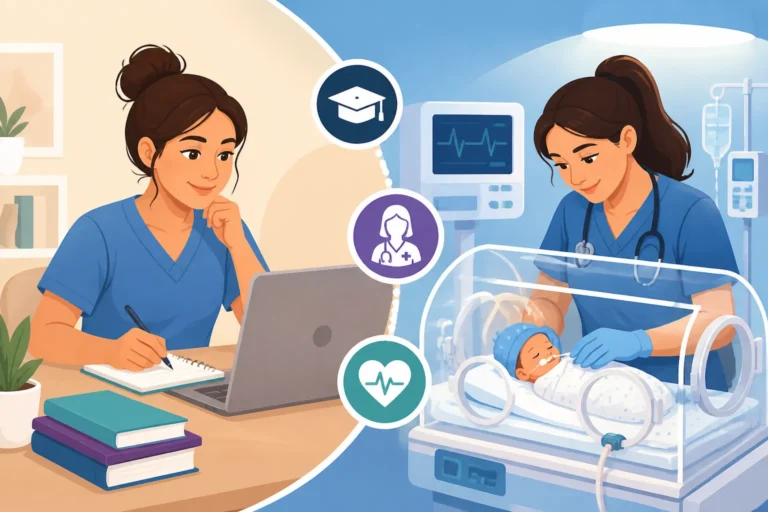
Dialysis Nurse: Role, Salary, and How to Start
One of the most specialized and vital roles in nursing is that of a dialysis nurse. If you’ve ever felt a calling to provide consistent, life-sustaining care to patients managing chronic kidney disease, but you're not entirely sure what that entails day-to-day, how to get there, or what the career really looks like, then you’re in the right place. This guide will walk you through everything you need to know about the dialysis nursing specialty.
What Exactly Does a Dialysis Nurse Do?
Dialysis nursing is a unique blend of critical care, patient education, and long-term relationship building. It’s not just about hooking patients up to machines; it’s about managing complex medical needs, preventing complications, and being a consistent source of support and information for individuals whose lives depend on this treatment.
Daily Responsibilities and Patient Care
A dialysis nurse’s day is typically structured around the patient’s treatment schedule, which can be intense but also incredibly rewarding. You’ll be responsible for a wide array of tasks that demand both precision and compassion. For instance, before a patient even sits down, you're preparing the dialysis machine, ensuring all settings are correct and sterile. Then, it's about patient assessment: checking their vital signs, reviewing their fluid status, and listening intently to any concerns they might have about their last treatment or how they're feeling today.
During the dialysis session, which can last several hours, you're the eyes and ears, constantly monitoring blood pressure, heart rate, and any signs of adverse reactions, like cramping, nausea, or hypotension. You'll manage access sites – whether it's an arteriovenous fistula, graft, or central venous catheter – ensuring they remain patent and infection-free. Beyond the technical aspects, a huge part of your role is patient education. You'll teach patients about their diet, fluid restrictions, medications, and the importance of adhering to their treatment plan. This kind of ongoing education is crucial for empowering patients to manage their chronic condition effectively. You might also find yourself discussing psychosocial support, helping patients navigate the emotional challenges of living with kidney disease.
There are primarily two types of dialysis you'll be involved with: hemodialysis and peritoneal dialysis. Hemodialysis is the more common in-center treatment, where a machine filters the patient's blood outside the body. Peritoneal dialysis, on the other hand, often happens at home, involving a catheter in the abdomen. As a dialysis nurse, you might specialize in one or the other, or work in a facility that offers both. If you're involved in peritoneal dialysis, a significant portion of your job will be training patients and their families to perform treatments safely at home, which requires an immense amount of patience and clear communication.
Working Environment and Schedule
The working environment for a dialysis nurse can vary significantly, impacting your daily routine and schedule. The most common setting is an outpatient dialysis clinic, like those operated by Fresenius Medical Care or DaVita Kidney Care. In these environments, treatments typically run in shifts throughout the day, often starting very early in the morning and continuing into the evening. While the work can be demanding, it often offers a more predictable schedule than acute hospital nursing, with fewer night shifts or on-call requirements, especially if you're working within clinic hours. This consistency can be a huge draw for nurses looking for a better work-life balance.
However, dialysis nurses also work in hospitals, particularly in acute care units where patients might need emergency dialysis or continuous renal replacement therapy (CRRT). In a hospital setting, your schedule might be more varied, involving rotating shifts, including nights and weekends, as acute kidney injury doesn't follow a 9-to-5 schedule. You might be part of a rapid response team, providing dialysis at the patient's bedside in the ICU or other critical care areas. Some dialysis nurses also work in home care, traveling to patients' homes to provide treatments or to train them on self-dialysis methods. This offers a different kind of autonomy and flexibility but requires strong organizational skills and the ability to work independently. Each setting presents its own unique challenges and rewards, so it’s worth considering which environment best suits your preferences and career goals. For many, the structured hours of an outpatient clinic offer one of the most appealing aspects of the role.
Becoming a Dialysis Nurse: Your Path Forward
Embarking on a career as a dialysis nurse requires a solid nursing foundation, a commitment to specialized learning, and a desire to continuously grow your skills. It's a journey that builds upon your initial nursing education and expands into a highly focused area of patient care.
Educational Background and Licensure
To become a dialysis nurse, the first crucial step is to become a registered nurse (RN). This typically means earning either an Associate Degree in Nursing (ADN) or a Bachelor of Science in Nursing (BSN) from an accredited program. While an ADN can get your foot in the door, many employers, especially larger hospital systems or specialized clinics, increasingly prefer or even require a BSN. A BSN provides a broader education in areas like leadership, research, public health, and critical thinking, which are invaluable for managing complex patient populations like those with kidney disease. You can learn more about specific expectations by reviewing RN to BSN Requirements Explained.
After completing your nursing degree, you must pass the National Council Licensure Examination (NCLEX-RN) to obtain your state nursing license. This is a non-negotiable step for all aspiring RNs. Once licensed, you’re ready to begin applying for nursing positions. While some entry-level positions in dialysis clinics might accept new graduates, most facilities prefer nurses with at least one to two years of general medical-surgical or critical care experience. This foundational experience equips you with crucial assessment skills, IV insertion proficiency, and the ability to manage various patient conditions before specializing in nephrology.
Gaining Experience and Specialized Training
Once you have your RN license and ideally some general nursing experience under your belt, the next step is to seek out positions that will provide you with the specialized training needed for dialysis. Many large dialysis providers, such as DaVita and Fresenius Medical Care, have robust training programs for nurses new to the specialty. These programs often combine classroom instruction with hands-on clinical training, sometimes lasting several months. You'll learn the intricacies of dialysis equipment, fluid management, vascular access care, and emergency protocols specific to kidney patients. It’s intense, but it ensures you’re well-prepared for the demanding nature of the role.
During this period, you’ll become intimately familiar with the specific machines and technologies used in your facility. For example, understanding how to troubleshoot a hemodialysis machine or manage the various aspects of peritoneal dialysis for a home patient is not something you learn in basic nursing school. This on-the-job training is where you really hone your skills in preparing dialysate solutions, cannulating fistulas or grafts, and meticulously charting patient responses. You'll learn to recognize subtle changes in a patient's condition that could indicate a complication, requiring quick and decisive action. Beyond the technical skills, you'll also develop your patient education techniques, helping individuals understand their complex treatment plans. Resources like Uworld are often recommended for NCLEX prep, but they also offer robust question banks that can help refresh your general medical-surgical knowledge, which forms the basis for specialized care.
Certifications That Boost Your Career
While not always mandatory to start, obtaining specialized certifications can significantly boost your career as a dialysis nurse, demonstrating your expertise and commitment to the field. These credentials can open doors to more advanced roles, potentially increase your earning potential, and give you a recognized edge in the job market. You can explore how these might impact your pay by checking out Nursing Certifications That Boost Pay.
The primary certifications for nephrology nurses are:
- Certified Nephrology Nurse (CNN): This is a highly respected certification for registered nurses who provide care to patients with kidney disease. To be eligible, you typically need a BSN or an ADN with additional college credits, at least 3,000 hours of experience as an RN in nephrology nursing within the last three years, and a minimum of 1,000 hours in the previous year. The exam covers a wide range of nephrology topics, from anatomy and physiology to psychosocial aspects of kidney disease.
- Certified Dialysis Nurse (CDN): Offered by the Nephrology Nursing Certification Commission (NNCC), the CDN is specifically designed for RNs providing direct patient care in dialysis settings. The eligibility requirements are similar to the CNN, focusing on experience in dialysis nursing.
Preparing for these certification exams requires dedicated study. Many nurses find review courses, study guides, and practice questions to be invaluable. For instance, platforms like Uworld offer detailed explanations for practice questions, which can be incredibly helpful for solidifying your understanding of complex nephrology concepts before sitting for a certification exam. Earning a certification signifies to employers, colleagues, and patients that you possess a high level of specialized knowledge and skill in nephrology nursing, reflecting a dedication to continuous professional development.
The Financial Side: Dialysis Nurse Salary and Job Outlook
Considering a career path often involves looking at the potential earnings and future job stability. For dialysis nurses, the outlook is generally positive, driven by growing healthcare needs and the specialized nature of the role.
Average Salary and Influencing Factors
The salary for a dialysis nurse can vary widely, but it generally falls within a competitive range for specialized RNs. According to recent data, the average annual salary for a dialysis nurse in the United States typically ranges from $70,000 to $90,000. However, this is just an average, and several factors can significantly influence where an individual nurse falls within this spectrum. For example, a nurse's level of experience plays a huge role; a new graduate might start closer to the lower end, while a seasoned nurse with 5-10 years of experience and specialized skills could command a much higher salary. Location is another critical factor. Nurses working in high cost-of-living areas, like parts of California, New York, or Massachusetts, generally earn more than those in rural areas.
Your educational background also impacts your earning potential. Nurses with a BSN often earn more than those with an ADN, reflecting the broader knowledge base and critical thinking skills that come with a bachelor's degree. This difference in pay is a common trend across many nursing specialties, and you can explore this further in articles like Nursing Salary by Degree Level. Obtaining certifications like the CNN or CDN can also lead to higher wages, as it signifies advanced expertise and commitment to the specialty. Furthermore, the type of facility matters. Hospital-based dialysis units, especially those in academic medical centers or critical care settings, might offer higher salaries and better benefits compared to outpatient clinics due to the acute nature and complexity of patient care involved.
Career Growth and Demand
The demand for skilled dialysis nurses is projected to remain strong, making it a stable and promising career choice. The primary driver behind this demand is the increasing prevalence of chronic kidney disease (CKD) and end-stage renal disease (ESRD) globally and within the United States. Factors such as an aging population, rising rates of diabetes, and hypertension (major causes of kidney disease) contribute to a growing number of patients requiring dialysis treatments. This trend means that new dialysis clinics are continually opening, and existing ones are expanding, creating ample job opportunities for qualified nurses. For a broader perspective on the field, consider checking out the Nursing Job Outlook and Demand.
Beyond the general increase in demand, dialysis nursing offers several avenues for career growth and advancement. Experienced dialysis nurses can pursue roles as charge nurses, overseeing a shift or an entire clinic. They might become nurse educators, training new dialysis nurses or providing in-depth patient education sessions. Some transition into administrative or management positions within dialysis organizations, supervising operations and staff. For those interested in advancing their clinical practice, becoming a Nurse Practitioner (NP) specializing in nephrology is a significant step. This involves pursuing a Master of Science in Nursing (MSN) or Doctor of Nursing Practice (DNP) degree, allowing them to diagnose, treat, and manage kidney disease patients with greater autonomy. You can explore this advanced pathway by reading How to Become a Nurse Practitioner. The specialized knowledge gained in dialysis nursing also makes nurses excellent candidates for roles in research, policy, or even working with medical device companies that develop dialysis technology.
Is Dialysis Nursing the Right Path for You?
Deciding whether dialysis nursing is your ideal specialization involves weighing its unique advantages against its potential challenges and understanding the personal qualities that lead to success in this field. It's a role that demands a specific kind of dedication and resilience.
Pros and Cons of the Specialty
Like any nursing specialty, dialysis nursing comes with its own set of unique pros and cons. Understanding these can help you determine if it aligns with your personal and professional aspirations.
On the pro side, one of the most compelling aspects is the opportunity to build long-term relationships with patients. Unlike many acute care settings where patients cycle in and out quickly, dialysis patients often receive treatment three times a week for years. This consistency allows nurses to get to know their patients deeply, becoming a trusted confidant and an integral part of their support system. This continuity of care can be incredibly rewarding. Additionally, dialysis nursing often offers a more predictable schedule, especially in outpatient clinics, with fewer night shifts and weekends compared to hospital bedside nursing. Many find this predictability an appealing factor for achieving a better work-life balance. The work is also highly specialized, meaning you'll develop a deep expertise in nephrology, making you a valuable asset in the healthcare system. The technical skills involved, from operating complex machinery to vascular access management, provide a continuous learning curve and a sense of mastery.
However, there are also significant cons. The emotional toll can be heavy. Dialysis patients are managing a chronic, life-threatening illness, and watching their journey, including potential decline or complications, can be challenging. The work can also be physically demanding, involving a lot of standing, bending, and assisting patients. While the schedule can be predictable, the shifts themselves can be long and intense, with multiple patients requiring simultaneous monitoring. Some nurses might find the repetitive nature of the tasks—setting up machines, cannulating, monitoring—to be monotonous over time, particularly if they thrive on constant variety. Furthermore, while advancements in technology continue, the fundamental nature of dialysis treatment hasn't changed dramatically in decades, which might not appeal to those seeking rapid innovation in their daily work. It’s also a high-acuity environment; complications, though rare, can be sudden and severe, requiring rapid assessment and intervention. This intense focus means attention to detail is paramount, and any lapse could have serious consequences.
Essential Skills and Personality Traits
To truly excel and find satisfaction as a dialysis nurse, certain skills and personality traits are absolutely essential. It's not just about technical competence; it's about how you interact with patients and manage the unique demands of this specialty.
First and foremost, attention to detail is non-negotiable. You're working with precise fluid balances, medication dosages, and complex machinery. A small oversight could have significant consequences for a patient whose body is already compromised. Meticulous charting and vigilant monitoring are critical. Coupled with this is strong critical thinking, the ability to rapidly assess a patient's subtle changes in condition, differentiate between normal variations and signs of distress, and intervene quickly and effectively. During a dialysis session, you are the first line of defense against complications.
Empathy and patience are equally vital. You’re caring for individuals facing a chronic illness that impacts every aspect of their lives. They might be frustrated, scared, or even depressed. Being able to listen without judgment, offer emotional support, and calmly explain complex medical information is paramount. Building rapport with your patients fosters trust and improves adherence to their demanding treatment plans. Technical proficiency is also key; you’ll need to be comfortable with advanced machinery, understand its functions, and troubleshoot minor issues. Manual dexterity for vascular access procedures is also a must. Lastly, excellent communication skills are crucial, not only for educating patients but also for collaborating effectively with nephrologists, dietitians, social workers, and other members of the healthcare team. This collaborative approach ensures comprehensive care for a vulnerable patient population.
| Factor | Outpatient Dialysis Clinic | Hospital Dialysis Unit | Home Dialysis Program |
|---|---|---|---|
| Typical Schedule | Day shifts, 3-4 days/week | Rotating shifts (days, nights, weekends) | Flexible, patient training focused |
| Patient Acuity | Stable chronic patients | Acute kidney injury, critically ill | Stable, self-sufficient patients |
| Primary Focus | Routine hemodialysis, chronic care | CRRT, acute hemodialysis, emergencies | Patient education, independence |
| Pace | Structured, steady | Fast-paced, unpredictable | Variable, often slower per patient |
| Technical Skills | Hemodialysis machine operation | CRRT, advanced monitoring, emergency skills | Peritoneal dialysis training, machine maintenance |
| Patient Interaction | Long-term relationships, education | Short-term, acute intervention | Intensive teaching, ongoing support |
| Work-Life Balance | Generally good, predictable | Can be challenging due to rotations | Good, flexible hours |
| Autonomy | Moderate | Moderate | High, independent work |
Disclaimer
Please remember that the information provided in this article is intended for general informational purposes only and does not constitute medical advice. Nursing roles, educational requirements, salaries, and job outlooks can vary based on location, experience, employer, and current market conditions. Always consult official academic program guides, professional nursing organizations, and healthcare employers for the most accurate and up-to-date information relevant to your specific situation.