How to Become a School Nurse Step by Step
Thinking about becoming a school nurse, it's easy to feel overwhelmed by the different paths and requirements. Many nurses wonder if their current experience is enough, or if they'll need to go back to school for another degree or certification. This guide is here to walk you through the journey of becoming a school nurse step-by-step, helping you understand the qualifications, typical day, and how to best prepare for this incredibly rewarding career.
Understanding the Role of a School Nurse
Being a school nurse is so much more than patching up scraped knees and handing out ice packs, although those moments definitely happen! It's a vital, comprehensive role that touches every aspect of a student's health and well-being, from kindergarten right through high school. You become a critical member of the educational team, advocating for students, supporting staff, and acting as a bridge between the school, family, and healthcare providers. It’s a career that often flies under the radar, but it’s absolutely essential for keeping our kids healthy, safe, and ready to learn.
Daily Life and Responsibilities
The day-to-day life of a school nurse can be incredibly varied, and that's one of the things many nurses love about it. One moment you might be managing a student's severe allergy reaction, the next you're educating a class on hand hygiene, and then you're coordinating care for a student with diabetes. It's a whirlwind, but a deeply impactful one. You're the front-line responder for acute illnesses and injuries, providing first aid and emergency care until parents or paramedics arrive. This means assessing symptoms, determining the severity, and making quick, sound judgments – often under pressure.
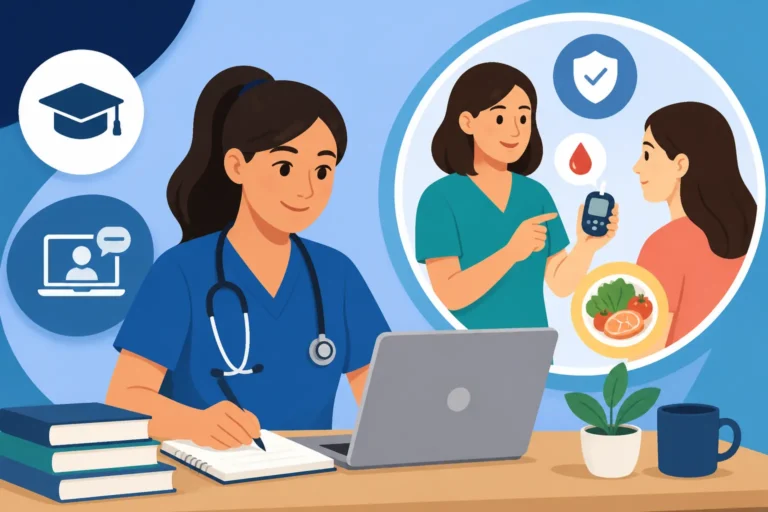
Beyond the immediate care, a significant portion of the role involves managing chronic health conditions. This includes everything from administering daily medications, monitoring blood sugar levels, to ensuring students with asthma have access to their inhalers and know how to use them. You're also a health educator, teaching students and staff about nutrition, disease prevention, and healthy lifestyle choices. Think about those awkward middle school health classes – you might be the one leading them, making a real difference in how young people understand their bodies and health. Furthermore, you're responsible for maintaining student health records, ensuring immunization compliance, and conducting vision, hearing, and scoliosis screenings. It’s a huge administrative and clinical undertaking that requires meticulous organization and attention to detail.
The Unique Challenges and Rewards
Like any nursing specialty, school nursing comes with its own set of challenges. One of the biggest is often being the only healthcare professional in the building, sometimes for an entire district. This can mean a heavy caseload and a wide range of responsibilities without immediate peer consultation. You're often working with limited resources and budgets, which can be frustrating when you know a student needs more than the school can readily provide. Dealing with complex family dynamics, cultural differences, and socioeconomic disparities can also be challenging, as these factors profoundly impact a student's health and ability to learn. It’s not uncommon to encounter situations where a student's health issues are intertwined with deeper social problems, requiring a delicate balance of care and community resource navigation.
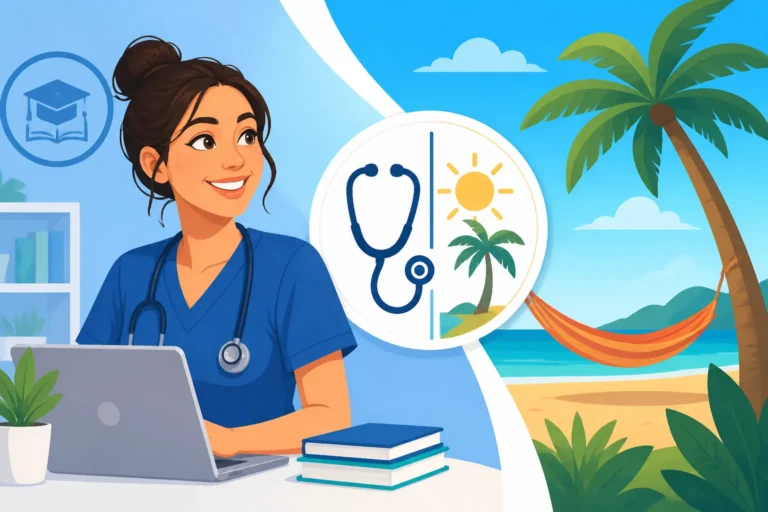
However, the rewards of school nursing are profound and incredibly motivating. You get to build long-term relationships with students and their families, often seeing them grow and thrive over several years. There's immense satisfaction in empowering a child to manage their own chronic condition, teaching them to advocate for their health, or simply being a trusted adult they can confide in. The preventative health aspect is huge – by promoting healthy habits early on, you're potentially preventing future health crises. Plus, the schedule often aligns with the school calendar, offering holidays and summers off, which can be a huge bonus for nurses with families. The impact you have on a child’s overall development and their ability to succeed academically is truly immeasurable, making it a deeply fulfilling career choice.
Educational Requirements to Become a School Nurse
So, you're convinced that school nursing is your calling. Fantastic! Now, let's talk about what it takes to get there educationally. The path isn't always straightforward, and it often depends on where you live and the specific school district's requirements. However, there are some common threads you'll find across the board when it comes to degrees, certifications, and ongoing education. Understanding these upfront can save you a lot of time and effort.
Essential Nursing Degrees
To become a registered nurse (RN), you typically need either an Associate Degree in Nursing (ADN) or a Bachelor of Science in Nursing (BSN). While an ADN will qualify you to sit for the NCLEX-RN and become a licensed RN, most school districts, especially larger ones and those striving for Magnet status, strongly prefer or even require a BSN for school nursing positions. The BSN curriculum provides a broader education in public health, community health, research, and leadership – all areas directly applicable to the comprehensive role of a school nurse. If you currently hold an ADN, don't despair! Many nurses pursue an RN to BSN Programs: Complete Guide while working, often through flexible online programs. This allows you to advance your education and career opportunities without putting your life on hold. For a deeper dive into these degree options, you might want to read about the ADN vs BSN: Key Differences to understand why a BSN often opens more doors in school health. The courses you take in a BSN program, such as community health nursing and leadership, are specifically designed to prepare you for the multifaceted challenges and collaborative nature of school nursing.
State-Specific Certifications and Licensure
Beyond your basic RN license, many states require specific credentials for school nurses. This isn't just a recommendation; it's often a legal requirement to practice within a school setting. This usually involves obtaining a School Nurse Certification or a Public Health Nurse (PHN) Certificate, which demonstrates specialized knowledge in areas like pediatric health, communicable disease control, special education law, and mental health first aid for children. For example, in California, you'd need a Health Services Credential with a School Nurse authorization, which often requires a BSN or higher degree, plus specific coursework and supervised field experience. Other states might have similar requirements, sometimes administered by the state's Department of Education rather than the Board of Nursing. It's absolutely crucial to check the specific requirements for the state and even the individual school district where you plan to work. You'll need to research your state's Board of Nursing and Department of Education websites thoroughly. Some states also require you to pass an examination specific to school nursing. This might include topics ranging from growth and development to crisis intervention and medication management in a school environment.
Additional Training and Continuing Education
The learning doesn't stop once you've secured your degree and initial certification. The landscape of student health is constantly evolving, with new health trends, technologies, and best practices emerging regularly. Therefore, ongoing professional development is essential. This could involve specific training in areas like concussion management, EpiPen administration, mental health awareness, or supporting students with disabilities. Many professional organizations, such as the National Association of School Nurses (NASN), offer webinars, conferences, and resources specifically tailored to school nurses. Continuing education units (CEUs) are also often required to maintain your RN license and any school nurse certifications.
Staying current with these updates is vital not just for your license, but for providing the best possible care. For instance, understanding the latest guidelines for managing food allergies or knowing how to use new diabetes technology in a school setting can directly impact student safety and well-being. Think of it as a continuous cycle of learning, where you're always refining your skills and expanding your knowledge base to better serve the unique needs of the student population. Platforms like Uworld are often utilized by nurses to prepare for various certifications and licensure exams, and they can also be a valuable resource for staying sharp on clinical knowledge.
Gaining Experience and Landing Your First School Nurse Job
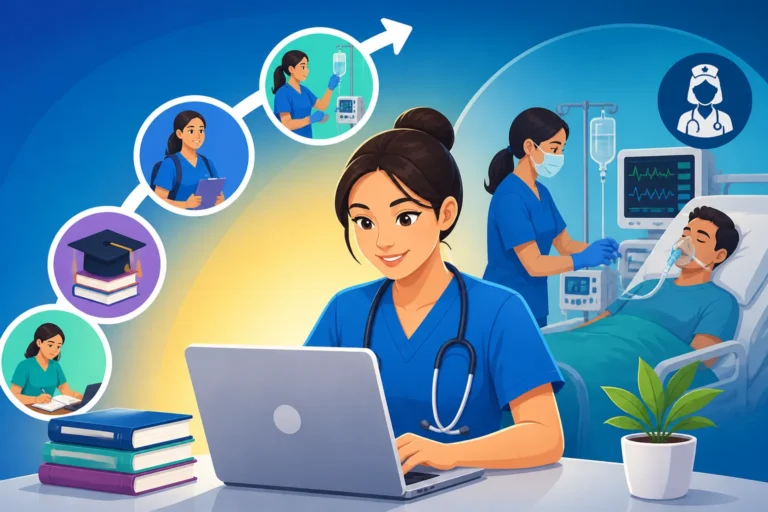
Once you have your educational ducks in a row – that BSN, your RN license, and any state-specific school nurse certifications – the next big step is actually landing that dream job. This part of the journey can feel like a maze, especially if you're transitioning from a different nursing specialty. But with the right strategy for building experience, crafting a compelling resume, and nailing interviews, you'll be well on your way.
Building Relevant Clinical Experience
While you might think hospital experience is the only valuable kind, school nursing often benefits from a diverse clinical background. Pediatric experience is, of course, a huge plus. Working in a pediatric ward, an urgent care clinic that sees many children, or even a primary care office with a large family demographic will provide invaluable experience with common childhood illnesses, growth and development, and communicating with both children and their parents. Similarly, experience in public health or community health nursing can be incredibly beneficial, as school nursing often involves population health management, disease surveillance, and community resource navigation. If you're interested in public health roles, checking out a guide like Public Health Nurse: Role, Salary, and How to Start could give you more insight into relevant skills.
Even if your background is primarily in adult acute care, don't underestimate the transferable skills you've developed. Critical thinking, rapid assessment, medication administration, and patient education are universal nursing competencies. Highlight how these skills can be adapted to a school setting. For example, your ability to quickly assess a patient in an emergency room translates directly to responding to a playground injury or a sudden illness in the classroom. Consider volunteering at school health fairs, summer camps, or even shadowing an experienced school nurse to gain direct exposure and make connections. This not only builds your resume but also demonstrates your commitment to the specialty.
Crafting a Standout Resume and Interviewing
Your resume is your first impression, so it needs to clearly articulate why you're a great fit for school nursing. Tailor it specifically to the job description, using keywords from the posting. Instead of just listing your duties, highlight accomplishments that demonstrate skills crucial for a school nurse: managing chronic conditions, patient education, collaborating with multidisciplinary teams, emergency response, and record-keeping. If you've been a charge nurse, emphasize your leadership and organizational skills. If you've worked with diverse patient populations, showcase your cultural competency.
For the interview, be prepared to discuss hypothetical scenarios. How would you handle a student with a severe allergic reaction? What would you do if a student confided in you about bullying? How would you communicate with a difficult parent? Demonstrate your knowledge of relevant policies, such as IEPs (Individualized Education Programs) or 504 plans, and show your passion for working with children and adolescents. Emphasize your ability to work independently, your strong communication skills, and your commitment to preventative health. Remember, they're looking for someone who can be a confident, compassionate, and knowledgeable health advocate for their students and a trusted resource for staff and parents. Practicing with a tool like Uworld's NCLEX review, though not specifically for school nursing, helps keep your critical thinking and clinical knowledge sharp, which will shine through in an interview.
Navigating the Job Search Process
Finding school nurse positions might look a little different than a traditional hospital job search. Many school districts post their openings on their official district websites, often under "Human Resources" or "Employment Opportunities." You'll also find listings on national job boards like SchoolSpring, Indeed, and professional nursing association sites like NASN. Networking is incredibly valuable in this field. Attend local school health conferences, join state school nurse associations, and connect with current school nurses in your area. They can offer insights into the job market, provide mentorship, and even let you know about unadvertised openings.
The application process can sometimes be lengthy, involving district-specific forms, background checks, and multiple interview rounds. Be patient and persistent. Follow up on your applications and send thank-you notes after interviews. Highlight your understanding of the importance of child advocacy and public health principles in every interaction. Being a school nurse is about being an integral part of the educational community, not just a medical provider. Show them you understand and embrace that holistic role.
Advancing Your School Nursing Career
Becoming a school nurse is a fantastic achievement, but it doesn't have to be the end of your professional growth. The field of school health is dynamic, offering numerous pathways for continued learning, specialization, and leadership. Whether you're looking to deepen your expertise, take on administrative roles, or contribute to policy, there are always opportunities to advance your career.
Specialized Certifications and Leadership Opportunities
After gaining some experience, you might consider pursuing additional specialized certifications to enhance your expertise and career prospects. The National Board for Certification of School Nurses (NBCSN) offers the Nationally Certified School Nurse (NCSN) credential, which demonstrates advanced knowledge and commitment to the specialty. This certification often requires a BSN and a certain number of practice hours, along with passing a comprehensive exam. Earning your NCSN can set you apart, potentially leading to higher salaries or more specialized roles within a district. For general information on specialized certifications, you might want to look at Nursing Certifications by Specialty.
Beyond certification, many experienced school nurses take on leadership roles. This could involve becoming a lead school nurse for a cluster of schools, a district-wide supervisor of health services, or a health services coordinator. These roles often involve program development, policy implementation, budget management, and supervising other school health staff. You might also find opportunities to lead committees focused on student wellness, emergency preparedness, or chronic disease management. These positions require strong leadership, communication, and organizational skills, building on the foundation you've established in direct student care.
The Path to Advanced Degrees and Roles
For those looking to significantly broaden their scope and influence, pursuing an advanced degree can be the next step. A Master of Science in Nursing (MSN) with a specialization in Public Health Nursing, Nursing Leadership, or even a Family Nurse Practitioner (FNP) program can open doors to roles like advanced practice school nurse, school health administrator, or even working at a state level to shape school health policy. For example, a nurse with an FNP degree could provide direct primary care services in schools, especially in underserved areas, expanding the traditional school nurse role. For more on advanced degrees, explore topics like Online MSN Programs: Complete Guide.
Some nurses also pursue a Doctor of Nursing Practice (DNP), focusing on areas like health policy, population health, or nursing leadership. A DNP can prepare you for executive-level positions in school health, academia, or research, allowing you to influence health outcomes on a much larger scale. These advanced degrees not only increase your earning potential but also empower you to be a significant driver of change in children's health. Understanding How Much Does an MSN Cost or How Much Does a DNP Cost can help you plan for these investments in your future.
Staying Current in School Health Best Practices
The field of school health is constantly evolving, influenced by new research, public health crises, and changes in educational policy. Therefore, a commitment to lifelong learning is paramount. Regularly engage with professional organizations like NASN, the American Academy of Pediatrics (AAP), and the Centers for Disease Control and Prevention (CDC) to stay informed about the latest guidelines for infectious diseases, mental health support, and chronic condition management. Subscribing to relevant journals, attending workshops, and participating in online forums can keep your knowledge sharp.
Furthermore, advocate for your role and the needs of school health within your district and community. Participate in local health coalitions, serve on school committees, and be a voice for student health. By remaining current and engaged, you not only ensure you're providing the best possible care but also position yourself as an invaluable resource and leader within the educational community. Continuous professional development, perhaps using resources like Uworld for ongoing review, ensures you’re always at the forefront of best practices, ready to tackle emerging health challenges facing students.
Here's a quick overview of potential school nurse career paths:
| Career Path / Role | Typical Education Level | Key Responsibilities | Average Annual Salary Range (Approx.) |
|---|---|---|---|
| Staff School Nurse | BSN (preferred, often req) | Direct student care, medication, screenings, health education | $55,000 – $80,000 |
| Nationally Certified School Nurse (NCSN) | BSN + Certification | Advanced clinical judgment, case management, leadership potential | $60,000 – $85,000 |
| Lead School Nurse / Coordinator | BSN, sometimes MSN | Overseeing multiple schools, program development, staff supervision | $70,000 – $95,000 |
| Public Health Nurse (PHN) specializing in School Health | BSN, MSN (PHN specialty) | Population health, disease surveillance, community health initiatives | $65,000 – $90,000 |
| Advanced Practice School Nurse / NP | MSN (e.g., FNP, PNP) | Direct primary care services, diagnosis, prescribing, advanced assessment | $90,000 – $120,000+ |
| School Health Director / Administrator | MSN or DNP | District-wide health policy, budget, staff, strategic planning | $80,000 – $130,000+ |
Note: Salary ranges are approximate and can vary significantly based on location, experience, education, and specific district budgets.
Disclaimer
Please note that the information provided in this guide is intended for general informational purposes only and does not constitute professional advice. Nursing licensure, educational requirements, and scope of practice can vary significantly by state and even by individual institution or school district. Always consult with your state's Board of Nursing, Department of Education, and prospective employers for the most accurate and up-to-date requirements and regulations.