Best Nurse Specialties for Fast Pace
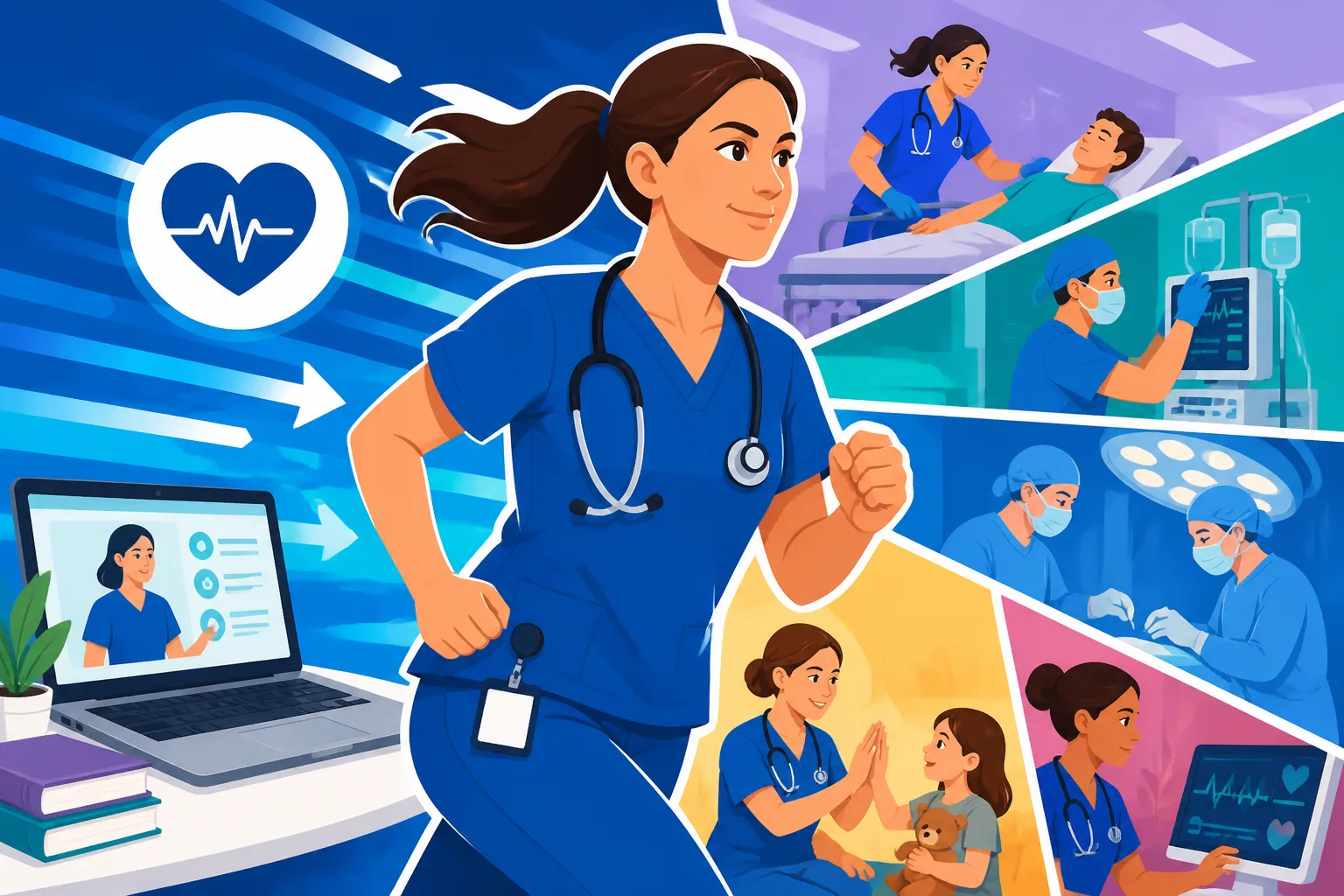
Let's be real, the nursing world isn't one-size-fits-all. Some nurses dream of calm, predictable routines, but for many, that sounds like a snooze-fest! If the thought of a quiet shift makes your toes curl, and you secretly crave the adrenaline rush of a constantly evolving environment, you're not alone. This guide is for the nurses who thrive under pressure, who love critical thinking on the fly, and who want to be right in the thick of the action, exploring the best nurse specialties for a fast pace.
Understanding What "Fast-Paced" Truly Means in Nursing
When we talk about a "fast-paced" nursing specialty, it's not just about running around frantically (though there might be some of that!). It's about a high volume of patients, rapid decision-making, unexpected challenges, and the constant need to prioritize and adapt. It’s for those who feel energized by chaos, not drained by it, and who genuinely enjoy the feeling of making an immediate, tangible difference when every second counts.
The Adrenaline Junkie's Appeal
For a certain kind of nurse, the adrenaline rush isn't just a byproduct; it's a core component of job satisfaction. Imagine a situation where a patient's condition suddenly deteriorates, and you're the one to quickly assess, intervene, and stabilize them. This isn't for the faint of heart, but for those who are wired for it, these moments are where they truly shine. It's about intellectual stimulation combined with hands-on urgency, demanding both sharp clinical skills and incredible composure under pressure. You're constantly learning, constantly challenged, and rarely, if ever, bored. This fast-moving environment often fosters a unique camaraderie among staff, as you rely heavily on your team to navigate intense situations together.
High Stakes and High Rewards
Fast-paced nursing roles often come with higher stakes. The patients in these environments are frequently in critical condition, requiring complex care and quick responses. This means the potential for profound impact is also high. Successfully managing a critical patient, assisting in a life-saving surgery, or bringing comfort to a family during a crisis can be incredibly rewarding. It's a field where your skills are truly tested, and the feeling of accomplishment when you've helped someone through their most vulnerable moments is unparalleled. This intensity also often translates into excellent opportunities for skill development and career advancement, as you gain invaluable experience in high-acuity situations.
Top Fast-Paced Nursing Specialties for the Thrill-Seeker
If you're looking for a nursing role that keeps you on your toes, where no two shifts are ever the same, these specialties consistently top the list. They demand quick thinking, resilience, and a deep well of clinical knowledge.
Emergency Room Nurse
The emergency room (ER) is arguably the quintessential fast-paced nursing environment. One moment you might be tending to a stubbed toe, and the next, you're part of a trauma team working on a critical patient. ER nurses see everything from minor injuries to life-threatening conditions, often with limited information and a constant influx of new patients. It requires superior assessment skills, the ability to prioritize quickly, and a calm demeanor amidst controlled chaos. You're the first line of defense, making snap judgments that can directly impact patient outcomes. Working as an ER nurse can lead to an exciting career, and you can learn more about the role, salary, and how to start your journey in our guide on Emergency Nurse: Role, Salary, and How to Start.
Triage and Rapid Assessment
The heartbeat of the ER is triage. When a patient arrives, an ER nurse quickly assesses their condition to determine the severity of their illness or injury and their priority for treatment. This isn't just about taking vital signs; it's about a holistic, rapid evaluation of symptoms, patient history, and potential risks. It's a skill honed through experience, where every minute counts, and knowing what questions to ask and what signs to look for can mean the difference between life and death. You become a master of initial assessment, making critical decisions about who needs immediate attention and who can wait.
Trauma and Critical Care Management
Beyond triage, ER nurses are continuously engaged in managing a diverse array of critical situations. This includes stabilizing trauma patients—those involved in car accidents, falls, or other severe incidents—as well as managing cardiac emergencies, strokes, severe infections, and respiratory distress. You'll often be inserting IVs, administering life-saving medications, assisting with intubations, and preparing patients for surgery or admission to the Intensive Care Unit. The constant variety ensures that you're always learning and applying a broad range of skills, reinforcing why the ER is such a magnet for nurses who thrive on action.
Intensive Care Unit ICU Nurse
While the ER handles the initial chaos, the Intensive Care Unit (ICU) is where critically ill and unstable patients receive continuous, high-level monitoring and intervention. ICU nursing is fast-paced in a different way: it’s about managing complex medical equipment, titrating multiple medications, interpreting subtle changes in patient status, and providing comprehensive care to those whose lives hang in the balance. The pace might not always be a sudden rush, but it's a sustained, intense focus on highly vulnerable patients, requiring deep physiological knowledge and meticulous attention to detail. To understand more about the requirements and daily life, check out our piece on How to Become an ICU Nurse.
Constant Monitoring and Intervention
In the ICU, every second matters, but the interventions are often more sustained and nuanced than in the ER. ICU nurses are responsible for interpreting complex data from various monitors—cardiac, hemodynamic, respiratory—and using that information to guide their care. They manage ventilators, administer vasopressors, monitor intracranial pressure, and perform continuous renal replacement therapy, among many other advanced interventions. This constant oversight ensures that any deterioration is caught immediately, allowing for rapid and precise intervention, making it a truly high-stakes environment where expertise is constantly applied.
Managing Life Support Systems
ICU nurses are the experts in managing advanced life support systems. This includes mechanical ventilation, often adjusting settings based on arterial blood gas results and patient response; continuous infusions of potent medications that require precise titration; and complex wound care for patients with severe injuries or burns. The responsibility is immense, as the proper functioning and adjustment of these systems are directly linked to patient survival. It’s a specialty that demands a deep understanding of pathophysiology and pharmacology, allowing nurses to anticipate and react to physiological changes before they become full-blown crises.
Labor and Delivery Nurse
Labor and Delivery (L&D) nursing might seem like a joyful specialty, and it often is, but it's also incredibly fast-paced and unpredictable. From the moment a laboring mother arrives, the situation can change rapidly. L&D nurses monitor fetal heart tones, track contractions, manage pain, assist during delivery, and respond to potential complications like hemorrhage or fetal distress. There’s an immense amount of emotional support required, combined with critical thinking and rapid action to ensure the safety of both mother and baby. It's a specialty where you are constantly assessing, educating, and intervening. Curious about this field? Our article on Labor and Delivery Nurse: Role, Salary, and How to Start has more details.
Rapidly Changing Patient Status
A woman's labor can progress quickly, or take unexpected turns. The L&D nurse must constantly monitor the mother's vital signs, pain level, and cervical dilation, while simultaneously assessing fetal well-being through continuous electronic fetal monitoring. A previously stable situation can become urgent in minutes, requiring the nurse to quickly identify signs of distress, communicate effectively with the physician, and prepare for immediate interventions, whether it's an emergency C-section or rapid delivery. This constant vigilance and adaptability are what make L&D such a dynamic and fast-paced environment.
High-Stakes Situations for Mother and Baby
While often a joyous event, childbirth carries inherent risks. L&D nurses are trained to recognize and respond to obstetric emergencies such as placental abruption, uterine rupture, preeclampsia, and postpartum hemorrhage. In these moments, every action is critical, and the nurse plays a vital role in stabilizing the mother, preparing for surgical intervention, or resuscitating a newborn. The ability to remain calm and perform under immense pressure, coordinating with a team to ensure the best possible outcome for two lives, defines the high-stakes nature of this specialty.
Operating Room OR Nurse
The Operating Room (OR), or perioperative nursing, is another environment where speed and precision are paramount. While patients are often under anesthesia, the pace within the OR is incredibly high, demanding meticulous attention to detail, strong organizational skills, and the ability to anticipate the surgeon's next move. OR nurses prepare the operating room, manage sterile fields, count instruments, assist the surgical team, and monitor the patient's condition throughout the procedure. It's a highly choreographed environment where efficiency directly impacts patient safety and surgical outcomes. For a deep dive, check out our article on Operating Room Nurse: Role, Salary, and How to Start.
Surgical Team Coordination and Efficiency
An OR nurse is an integral part of the surgical team, often serving as the circulating nurse or scrub nurse. The circulating nurse manages the OR environment, ensuring all necessary equipment and supplies are available, maintaining the sterile field, and documenting the procedure. The scrub nurse works directly with the surgeons, handing them instruments and supplies. Both roles demand extreme focus, excellent communication, and the ability to work seamlessly under pressure. The speed of a surgery often dictates the pace, and the OR nurse must always be a step ahead, ensuring the flow is smooth and efficient.
Responding to Intraoperative Emergencies
Even with careful planning, unexpected emergencies can arise during surgery. Patients can experience sudden hemorrhages, allergic reactions, cardiac arrest, or changes in vital signs. The OR nurse must be prepared to react instantly, retrieving emergency equipment, administering medications, or assisting the anesthesia team with resuscitation efforts. This requires a strong knowledge of anatomy, surgical procedures, and emergency protocols, ensuring that patient safety is maintained even when the unexpected occurs. The intensity of these moments, though infrequent, underscores the fast-paced and high-stakes nature of the OR.
Flight Nurse
Flight nurses are truly at the pinnacle of fast-paced, high-acuity nursing. They provide critical care transportation for critically ill or injured patients, often from accident scenes or smaller hospitals to larger trauma centers. This role combines the intensity of ER and ICU nursing with the added challenges of working in a confined, noisy environment with limited resources. Flight nurses must be experts in advanced life support, trauma care, and rapid assessment, as they operate with a high degree of autonomy. It's a demanding specialty for those who thrive on immediate action and independent critical thinking. Learn more about the specific requirements in our guide on Flight Nurse Requirements Explained.
Autonomous Practice in Critical Environments
Unlike hospital settings where a full team of specialists is usually nearby, flight nurses often operate with a paramedic or another nurse, making them highly autonomous practitioners. They must be able to perform advanced assessments, initiate critical interventions, and manage complex medical equipment while in transit, whether by helicopter or fixed-wing aircraft. This demands confidence, extensive clinical experience, and the ability to make rapid, independent decisions in high-stress, unpredictable situations, often far from immediate medical backup.
Managing Diverse Medical Emergencies in Transit
A flight nurse's patient population is as varied as the emergencies they respond to. They might transport a patient with severe multi-system trauma from a rural accident site, a critically ill infant needing specialized care at a children's hospital, or an adult suffering a massive heart attack from a community hospital to a tertiary care center. Each transport presents unique challenges, requiring the flight nurse to adapt their skills and knowledge to a wide range of conditions, all while navigating the logistical complexities of air medical transport. This constant variety and demand for diverse expertise truly defines the fast-paced nature of flight nursing.
Essential Traits for Thriving in Fast-Paced Nursing
Not everyone is cut out for the relentless energy of a fast-paced nursing environment. It takes a specific set of personal and professional qualities to not just survive, but to truly thrive.
Quick Thinking and Problem-Solving Skills
In a fast-paced setting, there’s no time for hesitation. Nurses need to rapidly assess situations, identify the core problem, and implement solutions, often with incomplete information. This isn't just about textbook knowledge; it's about clinical judgment, intuition, and the ability to think several steps ahead. You're constantly playing a mental chess game, anticipating potential complications and preparing for the next move. This demands strong critical thinking skills, a characteristic that is foundational to success in these roles. For example, if a patient’s vital signs suddenly plummet, a fast-paced nurse isn't just reporting it; they're already considering potential causes, preparing interventions, and thinking about what resources might be needed.
Resilience and Stress Management
High-pressure environments can take a toll. Nurses in these specialties witness traumatic events, experience life-and-death situations daily, and often work long, demanding shifts. Resilience—the ability to bounce back from adversity—is crucial. Effective stress management techniques, whether it's debriefing with colleagues, engaging in self-care outside of work, or seeking professional support, are essential to prevent burnout. It’s important to acknowledge the emotional weight of these roles and actively develop coping mechanisms to maintain your well-being. Organizations like the Emergency Nurses Association (ENA) often provide resources for building resilience among their members.
Strong Communication and Teamwork
In fast-paced settings, effective communication is non-negotiable. You're constantly interacting with physicians, other nurses, technicians, and ancillary staff, often under extreme time constraints. Clear, concise, and accurate communication ensures that everyone is on the same page and that patient care is coordinated seamlessly. Teamwork is equally vital. There's no room for lone wolves; you rely heavily on your colleagues, and they rely on you. Being a strong team player, capable of both leading and following, is fundamental to managing the rapid flow of patients and situations.
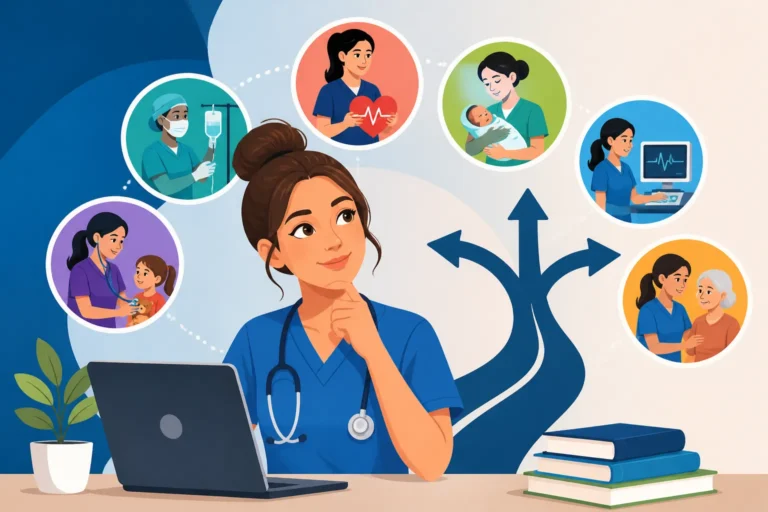
Navigating Your Path to a Fast-Paced Specialty
So, you're convinced a fast-paced specialty is for you? That's fantastic! Now let's talk about how to get there. It's not just about wanting the thrill; it's about strategic planning, continuous learning, and gaining the right experience.
Education and Foundational Knowledge
First and foremost, a solid nursing education is crucial. While an Associate Degree in Nursing (ADN) gets your foot in the door, most hospitals and especially competitive specialties prefer or require a Bachelor of Science in Nursing (BSN). A BSN provides a broader foundation in critical thinking, leadership, and evidence-based practice, which are invaluable in fast-paced roles. Many nurses start with their ADN and then pursue an Online RN to BSN Programs: Complete Guide while working. The core curriculum for any nursing degree will prepare you for the NCLEX, and it's essential to use robust study materials like those offered by UWorld, which can simulate exam conditions and provide detailed rationales to solidify your knowledge.
Once you have your BSN, specific postgraduate certifications, such as Critical Care Registered Nurse (CCRN) for ICU or Certified Emergency Nurse (CEN) for ER, are highly recommended and often required for advanced positions. These certifications demonstrate a specialized knowledge base and a commitment to excellence in your chosen field.
Gaining Relevant Clinical Experience
Most fast-paced specialties aren't typically entry-level roles right out of nursing school. You'll usually need some foundational experience, often in a general medical-surgical unit, to build your assessment skills, time management, and patient care routines. Many new graduates will seek out residencies or internship programs that offer rotations through various specialties, including those that are fast-paced.
Consider starting in areas like telemetry or step-down units, which often bridge the gap between general care and critical care. This allows you to gradually expose yourself to higher acuity patients and more complex monitoring. For those aiming for the ER or ICU, gaining a year or two of med-surg experience can make your application much more competitive and prepare you for the intensity. Don't be afraid to take on extra shifts or float to different units to broaden your exposure.
Continuous Professional Development
The world of fast-paced nursing is constantly evolving, with new technologies, treatment protocols, and evidence-based practices emerging regularly. Lifelong learning is not just encouraged; it's essential. This includes attending conferences, workshops, and continuing education courses. Staying current with your Basic Life Support (BLS) and Advanced Cardiovascular Life Support (ACLS) certifications is a given, but also consider Pediatric Advanced Life Support (PALS) if you're leaning towards specialties that involve children, like the ER or L&D. Regularly reviewing clinical scenarios and test questions, perhaps even utilizing a platform like UWorld for ongoing practice, can help keep your knowledge sharp and your critical thinking skills primed for action.
Comparing Fast-Paced Specialties
Let's put some of these high-octane nursing specialties side-by-side to give you a clearer picture of what each entails.
| Specialty | Typical Environment | Primary Focus | Key Skills Required | Patient Acuity Level | Average Day-to-Day Pace |
|---|---|---|---|---|---|
| Emergency Room (ER) | Hospital Emergency Department | Initial assessment, stabilization, diverse cases | Rapid assessment, prioritization, trauma care, communication | High, varied | Unpredictable, bursts of intense activity, constant flow |
| Intensive Care Unit (ICU) | Hospital Critical Care Unit | Continuous monitoring, complex interventions | Deep physiological knowledge, critical thinking, advanced tech | Extremely High | Sustained intensity, meticulous care, subtle changes |
| Labor & Delivery (L&D) | Hospital Birthing Center | Maternal and fetal monitoring, childbirth support | Assessment of labor progress, fetal monitoring, emergency response | High, acute | Rapidly changing, emotional, crisis management |
| Operating Room (OR) | Hospital Operating Suite | Surgical assistance, sterile field management | Precision, anticipation, teamwork, sterile technique | Moderate (sedated) | Highly choreographed, focused, rapid movements |
| Flight Nurse | Air/Ground Medical Transport | Critical care in austere/remote settings | Autonomy, trauma & critical care, resourcefulness, adaptability | Extremely High | Intense, independent, dynamic, environmental challenges |
Is a Fast-Paced Nursing Specialty Right for You?
Choosing a nursing specialty is a deeply personal decision. While the allure of excitement and constant challenge is strong, it's crucial to consider if your personality, values, and long-term career goals align with the demands of these roles.
Self-Assessment: Are You Wired for Speed?
Ask yourself some honest questions: Do you thrive under pressure or wilt? Are you energized by unexpected challenges or drained by them? Do you prefer routine or constant variety? Can you make critical decisions quickly, even with incomplete information? Do you handle emotionally taxing situations well? Acknowledge that the emotional toll can be significant. If you find yourself gravitating towards scenarios that require immediate action, quick problem-solving, and a high degree of autonomy, then a fast-paced specialty might be your perfect fit. Remember, these roles are not just about clinical skills; they demand a particular mindset.
The Trade-offs: Burnout and Work-Life Balance
It's vital to address the elephant in the room: burnout. The sustained intensity of fast-paced nursing can be incredibly rewarding, but it can also be exhausting. Long shifts, exposure to trauma, and the constant pressure to perform can lead to physical and emotional fatigue. It’s imperative to develop robust self-care strategies and to be mindful of your mental health. Some nurses find that the camaraderie and high-stakes nature provide all the balance they need, while others struggle to separate work from personal life. Consider how you manage stress and what kind of support system you have in place. Thinking about your How to Balance Work and RN to BSN can also offer insights into managing demanding schedules.
While these roles are challenging, they are also some of the most impactful and fulfilling in nursing. If you're a nurse who craves action, enjoys critical thinking on the fly, and wants to make a significant difference when every moment counts, then a fast-paced specialty could be your calling.
Disclaimer
Please note that the information provided in this guide is intended for general informational purposes only and does not constitute professional advice. Nursing specialties, educational requirements, and career paths can vary significantly by location, institution, and individual circumstances. Always consult with academic advisors, nursing professionals, and official program websites for the most accurate and up-to-date information relevant to your specific situation.