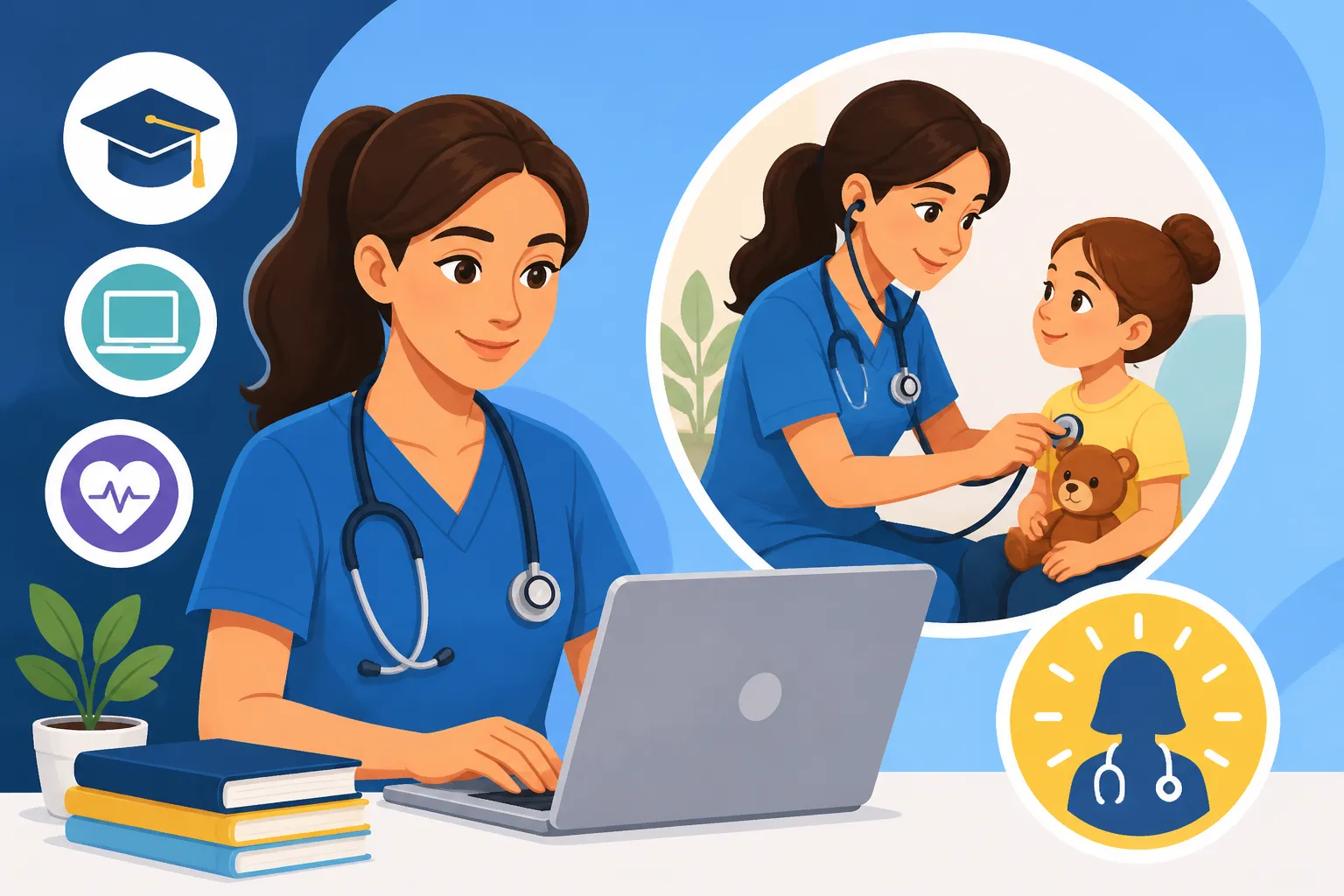
How to Become a Pediatric Nurse Practitioner
So, you've dedicated yourself to nursing, you love working with kids, and you feel that pull toward a deeper, more autonomous role in their care. You're a registered nurse, probably with a BSN, and you've spent time on a pediatric floor, in the NICU, or maybe even the emergency department, and you know in your gut that you want to do more. You want to be the one diagnosing, prescribing, and truly guiding families through their children's health journeys. But navigating the path to becoming a Pediatric Nurse Practitioner (PNP) can feel a bit like trying to find your way through a funhouse mirror maze – lots of twists, turns, and sometimes unclear reflections of where you need to go next. This guide is here to untangle that path for you, offering a clear roadmap to achieving your dream of becoming a PNP.
What Exactly Does a Pediatric Nurse Practitioner Do?
Becoming a Pediatric Nurse Practitioner means stepping into a role that is both profoundly rewarding and incredibly demanding. You're not just a nurse; you're an advanced practice registered nurse (APRN) specializing in the unique health needs of children, from the tiniest newborns to young adults. It's a role that requires a huge heart, a sharp mind, and an unwavering commitment to the well-being of your little patients and their families.
The Core Responsibilities and Daily Life
As a Pediatric Nurse Practitioner, your daily tasks are incredibly varied, touching upon every aspect of child health. On any given day, you might be conducting comprehensive well-child exams, ensuring that infants and toddlers are meeting their developmental milestones, and administering necessary immunizations to protect them from preventable diseases. You'll be on the front lines, providing anticipatory guidance to new parents, addressing their concerns about feeding, sleep, and safety, and helping them navigate the bewildering early years of parenthood.
Beyond wellness, you'll also be an expert in managing acute and chronic conditions that affect children. This could mean diagnosing and treating common childhood illnesses like ear infections, strep throat, or asthma exacerbations in a busy pediatric clinic in Omaha, Nebraska. Or, if you specialize in acute care, you might be managing complex cases of congenital heart disease or severe respiratory distress in a pediatric intensive care unit (PICU) at Boston Children's Hospital. You'll order and interpret diagnostic tests, develop treatment plans, prescribe medications, and refer to specialists when a child's needs extend beyond your scope. It’s about comprehensive, holistic care that considers the child within their family and community context.
Why This Role is So Fulfilling and Challenging
There's truly nothing quite like working with children, and as a PNP, you get to be a consistent, trusted presence in their lives. The fulfillment comes from the incredible privilege of watching them grow and thrive, helping them overcome illness, and empowering their parents with the knowledge and confidence to support their health. You become an advocate for children, sometimes giving a voice to those who cannot yet speak for themselves, ensuring they receive the best possible care. For many PNPs, the deep connections formed with families over years of care are the most cherished aspect of the job.
However, it's not without its significant challenges. Communicating effectively with both children and their often anxious parents requires a delicate balance of empathy, clarity, and patience. You need to be able to explain complex medical information in understandable terms, calm fears, and build trust. Managing complex or critical pediatric cases, especially when outcomes are uncertain, can be emotionally taxing, requiring immense resilience and self-care strategies. Furthermore, navigating the emotional dynamics of family stress and cultural differences demands a high level of interpersonal skill. It's a high-stakes environment where every decision can have a profound impact, making it a role that continuously demands your best.
Educational Pathway to Becoming a PNP
Becoming a Pediatric Nurse Practitioner isn't a quick sprint; it's a marathon that involves dedicated education and hands-on clinical experience. It's a journey that builds upon your foundational nursing knowledge, taking you deeper into advanced practice and specialized pediatric care.
Laying the Foundation: BSN and RN Experience
Before you can even think about becoming a PNP, you need a solid foundation in registered nursing. This almost universally means earning a Bachelor of Science in Nursing (BSN). While an Associate's Degree in Nursing (ADN) will get you your RN license, the BSN is the academic stepping stone required for nearly all Master of Science in Nursing (MSN) or Doctor of Nursing Practice (DNP) programs that lead to NP licensure. If you're currently an ADN-prepared nurse, don't fret! There are numerous pathways to bridge that gap, with many institutions offering fantastic Online RN to BSN Programs: Complete Guide that allow you to continue working while you advance your education.
Crucially, prospective PNP programs also look for significant bedside nursing experience, especially in pediatrics. This isn't just a formality; it's vital for your success. Spending a few years as an RN in a pediatric setting – think a general pediatric ward, a Neonatal Intensive Care Unit (NICU), a Pediatric Intensive Care Unit (PICU), or even a busy pediatric emergency department – will give you invaluable clinical judgment, assessment skills, and exposure to a wide range of pediatric conditions. It teaches you how to interact with children of different ages, how to comfort anxious parents, and how to manage the unique challenges of this population. This experience is what truly prepares you to hit the ground running in an advanced practice program.
The Master of Science in Nursing MSN or Doctor of Nursing Practice DNP with a PNP Specialty
Once you have your BSN and relevant nursing experience, the next big step is pursuing an advanced degree. For aspiring Pediatric Nurse Practitioners, this typically means enrolling in either a Master of Science in Nursing (MSN) or a Doctor of Nursing Practice (DNP) program with a specialization in pediatrics. Both degrees will qualify you to become a certified PNP, but they differ in their scope and depth. For a more detailed comparison, you might want to explore MSN vs DNP: Which to Choose.
An MSN program typically takes about two to three years of full-time study and focuses on preparing you for advanced clinical practice. The curriculum will delve deep into advanced health assessment, advanced pharmacology (with a heavy emphasis on pediatric dosages and pharmacokinetics), and advanced pathophysiology, all tailored to the pediatric population. You'll take specialized courses covering topics like pediatric primary care, acute pediatric conditions, child development, family-centered care, and public health for children. Many excellent Online MSN Programs: Complete Guide are available, offering the flexibility that working nurses often need.
A DNP program, on the other hand, is a terminal degree in nursing practice, usually taking three to four years or more. While it includes the same advanced clinical coursework as an MSN, it places a stronger emphasis on leadership, evidence-based practice, quality improvement, and systems-level change. A DNP might be a good fit if you envision yourself in leadership roles, policy development, or working to implement new healthcare delivery models, in addition to direct patient care. Both pathways will equip you with the knowledge and skills necessary to provide comprehensive, evidence-based care to children.
Clinical Hours and Preceptorships: The Hands-On Experience
Perhaps the most critical component of any NP program, and certainly for a PNP, is the substantial clinical practicum requirement. This is where the rubber meets the road, transforming theoretical knowledge into practical application under the watchful eye of experienced preceptors. You'll typically need to complete anywhere from 500 to over 1,000 supervised clinical hours, depending on your program and state requirements. These hours are usually spread across various pediatric settings, such as outpatient clinics, private practices, urgent care centers, and sometimes even specialty clinics, giving you a broad exposure to different aspects of pediatric care.
Finding appropriate preceptors can often be one of the most challenging aspects of graduate school. A preceptor is a licensed and experienced Nurse Practitioner, Physician Assistant, or Physician who guides you, offers direct feedback, and evaluates your performance in a real-world clinical setting. You’ll be working side-by-side with them, learning how to conduct patient histories and physicals, formulate differential diagnoses, order and interpret tests, develop treatment plans, and manage patient flow. This mentorship is invaluable. Many students find themselves searching extensively, and it's wise to start networking early. If you're struggling, some programs offer assistance, and resources like How to Find NP Preceptors can offer great advice and strategies. These clinical experiences are where you truly hone your skills and gain the confidence to practice independently.
Navigating the Certification and Licensure Process
Once you've poured your heart and soul into your graduate studies and completed those extensive clinical hours, there are still a couple of crucial hurdles to clear before you can officially hang up your Pediatric Nurse Practitioner shingle: national certification and state licensure. These are separate but equally vital steps.
Understanding PNP Certification Exams
After graduating from an accredited MSN or DNP program specializing in pediatrics, your next major milestone is passing a national certification exam. For Pediatric Nurse Practitioners, there are two primary certifications, both offered by the Pediatric Nursing Certification Board (PNCB):
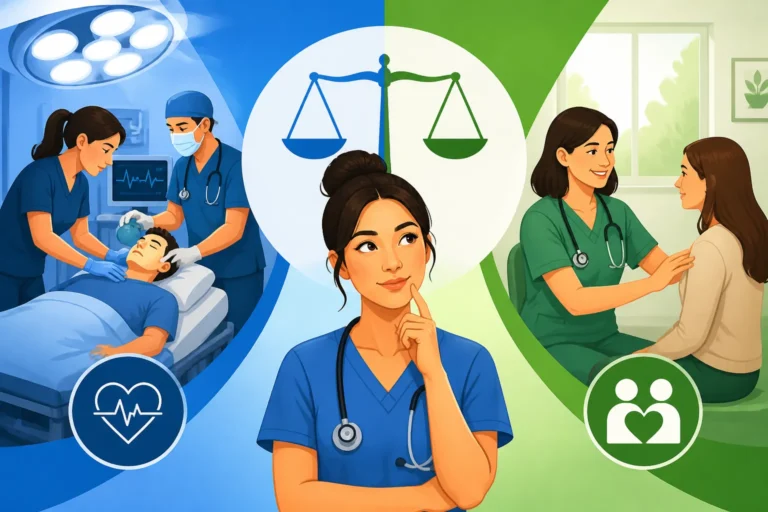
- Certified Pediatric Nurse Practitioner – Primary Care (CPNP-PC): This certification prepares you to provide comprehensive wellness care, diagnose and manage common acute illnesses, and manage stable chronic conditions for children from birth through young adulthood. Most PNPs pursue this certification as it aligns with roles in outpatient clinics, schools, and private practices.
- Certified Pediatric Nurse Practitioner – Acute Care (CPNP-AC): This certification focuses on managing critically ill, hospitalized pediatric patients with complex, unstable, or chronic conditions. These PNPs often work in emergency departments, intensive care units (PICU, NICU), or specialty hospital units.
The certification exams are rigorous and test your advanced knowledge in areas such as health promotion and maintenance, disease management (acute and chronic), and professional practice issues specific to pediatrics. You'll be tested on everything from growth and development milestones to advanced pharmacology and diagnostic reasoning. Preparing for these exams requires dedicated study, and many students find practice questions and review courses indispensable. Brands like Uworld offer fantastic question banks and detailed explanations that can be instrumental in preparing for these high-stakes exams. They mimic the actual exam format, helping you build both knowledge and test-taking confidence. For a broader understanding of certification exams, check out NP Certification Exams Explained.
State Licensure for Nurse Practitioners
Passing your national certification exam is a huge accomplishment, but it’s only half the battle. To legally practice as a Pediatric Nurse Practitioner, you must also obtain licensure from the board of nursing in the state where you intend to work. Each state has its own specific requirements, which can vary significantly. Generally, you’ll need to submit proof of your graduate education, national certification, and often a background check.
The scope of practice for nurse practitioners also varies considerably from state to state. Some states grant Nurse Practitioners "full practice authority," meaning you can assess, diagnose, treat, and prescribe without physician oversight. Other states have "reduced" or "restricted" practice environments, which may require physician collaboration agreements or supervision to varying degrees. Understanding these differences is crucial when planning your career, especially if you're considering relocating. You can learn more about this by researching NP Full Practice Authority States. Always check with the specific state board of nursing where you plan to practice to ensure you meet all their requirements and understand your practice authority. Once licensed, you'll also be responsible for maintaining both your national certification and state licensure through ongoing continuing education credits and periodic renewal processes.
Career Outlook and Growth for Pediatric Nurse Practitioners
If you’re wondering about the job market after all that hard work, I have good news! The demand for Nurse Practitioners across all specialties is incredibly strong, and Pediatric Nurse Practitioners are no exception. The healthcare landscape is shifting, and advanced practice nurses are increasingly recognized as essential providers.
Demand and Job Market for PNPs
The job outlook for Nurse Practitioners is projected to grow much faster than the average for all occupations. The Bureau of Labor Statistics anticipates a significant increase in NP positions in the coming years, driven by several factors: an aging population (though PNPs focus on the younger end, the general demand for advanced care providers benefits all NPs), an emphasis on preventative care, and shortages of primary care physicians, particularly in rural and underserved areas. Pediatric Nurse Practitioners play a crucial role in filling these gaps, providing accessible, high-quality care to children.
PNPs find employment in a wide array of settings. Many work in private pediatric practices, community health clinics, and urgent care centers, providing primary care services. Others choose acute care roles in hospitals, working in neonatal intensive care units (NICU), pediatric intensive care units (PICU), pediatric emergency departments, or specialized inpatient units. You might also find PNPs in school-based health centers, children's specialty clinics (like cardiology or endocrinology), or even in home health settings. This diversity of practice environments means you have options to tailor your career to your specific interests and desired work-life balance. For a broader perspective on the overall nursing job market, you can check out Nursing Job Outlook and Demand.
PNP Salary and Earning Potential
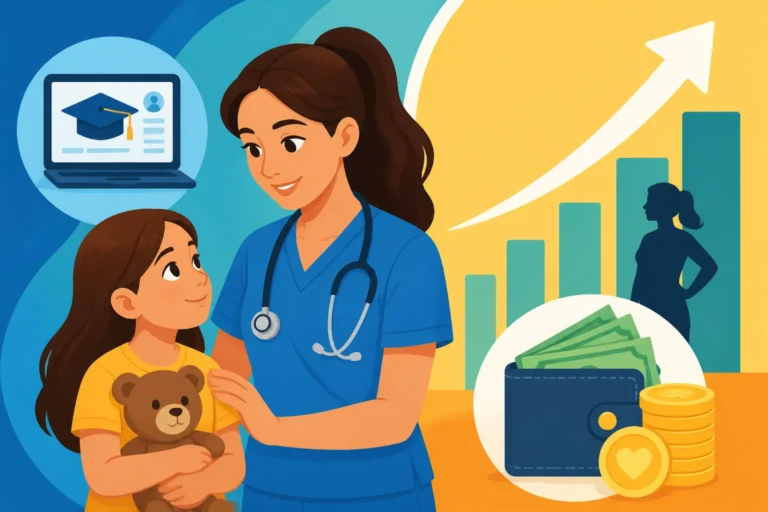
Let's be realistic – while passion for patient care is a primary driver, salary is an important consideration for anyone investing in advanced education. Pediatric Nurse Practitioner salaries are highly competitive and generally reflect the advanced education and responsibility of the role. According to recent data, the median annual salary for Nurse Practitioners in the United States typically falls between $110,000 and $130,000. However, for PNPs specifically, this can vary based on several factors:
- Experience: New graduates will naturally start at a lower end of the salary scale, while experienced PNPs with many years under their belt, especially those in leadership roles, will command higher salaries.
- Location: Geographic location plays a huge role. States with a higher cost of living or greater demand for healthcare professionals often offer higher salaries. For instance, a PNP in California or New York might earn significantly more than one in a less expensive region, though the purchasing power may be similar.
- Setting: Hospital-based acute care PNPs might earn slightly more than those in outpatient primary care settings, often due to the higher acuity and demanding nature of their roles.
- Sub-specialization/Additional Certifications: Holding additional certifications (e.g., in lactation, diabetes education, or a specific acute care area if you're a CPNP-PC who also works with complex chronic kids) can also boost your earning potential.
While exact numbers fluctuate, becoming a PNP generally offers a strong return on your educational investment, providing a stable and financially rewarding career. You can delve deeper into general NP earning potential by looking at our Nurse Practitioner Salary Guide.
Essential Skills and Traits for a Successful PNP
Becoming a Pediatric Nurse Practitioner requires more than just academic knowledge and clinical hours; it demands a specific set of skills and personal attributes that enable you to connect with, treat, and advocate for children and their families effectively.
Clinical Competence and Critical Thinking
At the heart of being a successful PNP is unparalleled clinical competence. This means possessing an advanced understanding of pediatric anatomy, physiology, pathophysiology, and pharmacology. You must be adept at performing thorough pediatric health assessments, recognizing subtle cues in non-verbal infants, and accurately interpreting diagnostic tests unique to the pediatric population. Children are not simply small adults; their bodies respond differently to illness and medication, and their developmental stage profoundly impacts their presentation and needs.
Critical thinking is your superpower as a PNP. You'll constantly be sifting through complex information, differentiating between a benign childhood rash and something more serious, or recognizing early signs of a worsening condition. It’s about synthesizing information from various sources – parents’ reports, physical exams, lab results, and your own clinical observations – to formulate accurate diagnoses and evidence-based treatment plans. This requires a sharp analytical mind, the ability to prioritize effectively, and a commitment to staying current with the latest research and best practices in pediatric care. Many of the challenging questions you'll encounter on your certification exam, especially those from reputable sources like Uworld, are designed to test precisely this kind of critical thinking and clinical judgment.
Communication, Empathy, and Advocacy
While clinical skills are foundational, your ability to communicate and empathize is equally, if not more, crucial when working with children. You need to be a master communicator, capable of speaking to a scared toddler at their eye level, reassuring an anxious teenager, and explaining complex medical diagnoses to worried parents in a way that is clear, compassionate, and culturally sensitive. This often involves active listening, asking open-ended questions, and ensuring that families feel heard and understood.
Empathy is paramount. Children and their families are often at their most vulnerable when facing illness, and your ability to connect with their fears, anxieties, and hopes is what builds trust and fosters effective care. You become their advocate, ensuring they receive appropriate care, navigating healthcare systems, and sometimes even standing up for their needs when others might not. This blend of clinical expertise, heartfelt communication, and fierce advocacy makes the PNP role uniquely impactful. Understanding How to Choose an NP Specialty really comes down to finding the population you can best serve with these combined skills.
Tips for Aspiring PNPs
Embarking on the journey to become a Pediatric Nurse Practitioner is a significant undertaking, but you don't have to go it alone. There are strategies and resources to help you not only survive but thrive during your graduate studies and beyond.
Networking and Mentorship
One of the best pieces of advice for any aspiring advanced practice nurse is to start networking early and seek out mentors. Connect with current Pediatric Nurse Practitioners in your area or through professional organizations like the National Association of Pediatric Nurse Practitioners (NAPNAP). Attend conferences, join online forums, and don't be afraid to reach out to PNPs you admire in your workplace for informational interviews. These connections can provide invaluable insights into the daily realities of the role, offer guidance on programs, and sometimes even lead to those coveted preceptor opportunities.
A mentor, in particular, can be a game-changer. A seasoned PNP can offer personalized advice, share their experiences, help you navigate challenges during your clinical rotations, and provide encouragement when the academic rigor feels overwhelming. They can be a sounding board for tough cases and a source of wisdom as you transition into your new role. Building these relationships not only enriches your educational journey but also lays the groundwork for a supportive professional network throughout your career.
Balancing Life and Education
Let's be real: pursuing an MSN or DNP while working as an RN, potentially raising a family, or managing other life commitments is incredibly challenging. It demands discipline, excellent time management, and a strong support system. Many programs, especially Online Nurse Practitioner Programs, are designed with working nurses in mind, offering flexible scheduling, part-time options, and asynchronous coursework. However, even with flexibility, the workload is intense.
Here are a few tips to help you balance it all:
- Be Realistic with Your Schedule: Don't try to take on too many courses or work too many shifts if you can avoid it. It’s better to take a bit longer and maintain your sanity and academic performance than to burn out quickly.
- Create a Dedicated Study Space: Having a quiet, organized area for your studies can significantly improve your focus and efficiency.
- Time Blocking: Schedule specific blocks of time for studying, assignments, and clinical work, and stick to them as much as possible.
- Lean on Your Support System: Communicate your needs to your family and friends. Let them know when you'll be unavailable and ask for help when you need it, whether it's with household chores or childcare.
- Prioritize Self-Care: This sounds counterintuitive when you're swamped, but neglecting your own well-being will only lead to burnout. Schedule in time for exercise, hobbies, or simply relaxing, even if it's just for 30 minutes a day. You can find more targeted advice for managing your commitments in resources like Balancing Work and an MSN Program. Remember, this journey is a marathon, not a sprint, and taking care of yourself is crucial for reaching the finish line.
| Feature | CPNP-PC (Primary Care) | CPNP-AC (Acute Care) |
|---|---|---|
| Focus | Wellness, health promotion, common acute & chronic care | Critically ill, hospitalized patients, complex/unstable conditions |
| Patient Population | Infants, children, adolescents (birth to young adult) | Infants, children, adolescents (birth to young adult) |
| Typical Settings | Outpatient clinics, private practices, school health, community health | Hospitals (PICU, NICU, ER, specialty units), urgent care |
| Core Responsibilities | Well-child visits, immunizations, developmental screening, managing common illnesses (asthma, ear infections), health education, preventative care. | Advanced monitoring, invasive procedures, complex medication management, rapid assessment, stabilization of critically ill patients, care coordination. |
| Certification Body | Pediatric Nursing Certification Board (PNCB) | Pediatric Nursing Certification Board (PNCB) |
| Education | MSN or DNP with CPNP-PC specialty track | MSN or DNP with CPNP-AC specialty track |
| Common Skills | Health education, behavioral counseling, minor procedure, developmental assessment | Ventilator management, advanced cardiac life support, trauma care, advanced diagnostics |
Disclaimer
Please remember that the information provided in this guide is intended for general informational purposes only and does not constitute professional advice. Nursing education requirements, licensure, and scope of practice can vary significantly by state and institution. Always consult with academic advisors, your state board of nursing, and professional organizations for the most accurate and up-to-date information regarding your specific situation and career goals.