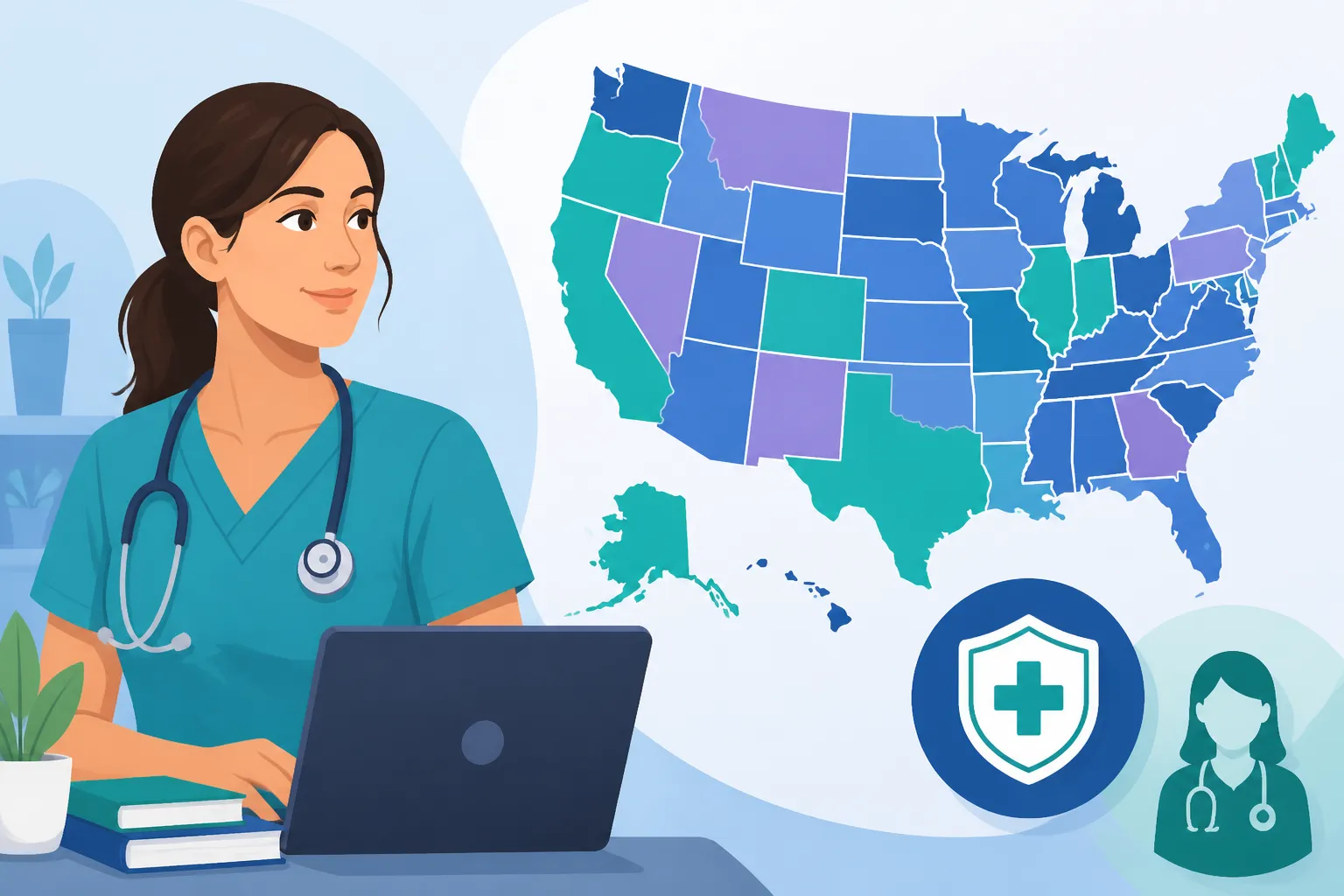
NP Scope of Practice by State
It's incredibly frustrating when you're a skilled Nurse Practitioner, eager to provide top-notch care, but find yourself constantly navigating a labyrinth of state-specific regulations that dictate what you can and cannot do. This guide aims to demystify the complex world of Nurse Practitioner (NP) scope of practice, explaining why it varies so much across the United States, breaking down the different levels of practice authority, and empowering you with the knowledge to understand the specific rules in your state or a state you're considering practicing in.
Understanding Nurse Practitioner Scope of Practice Fundamentals
The concept of "scope of practice" can feel like a moving target for many Nurse Practitioners, especially when you consider practicing across state lines or even just understanding your full potential within your current state. It's not just an academic term; it directly impacts your day-to-day responsibilities, your autonomy, and ultimately, the care you can provide to your patients. Getting a clear grasp of these fundamentals is the first step toward navigating this intricate landscape successfully.
What Exactly is Scope of Practice?
At its core, a Nurse Practitioner's scope of practice defines the services and procedures that an NP is educated and legally authorized to perform. This isn't just about what you learned in your master's or doctoral program; it’s about the legal framework established by each state's legislature and then interpreted and enforced by its Board of Nursing. For NPs, this typically includes the authority to diagnose, treat, manage acute and chronic illnesses, order and interpret diagnostic tests, and prescribe medications.
However, the specific nuances of these actions are where the variations truly begin. For instance, while most NPs can prescribe, some states might limit the types of medications (like Schedule II narcotics) or require a co-signature from a collaborating physician for a certain period. This distinction between the broad "can do" and the specific "allowed to do" based on state law is paramount. It’s also crucial to distinguish an NP's scope from the general Registered Nurse (RN) scope of practice, as advanced practice roles inherently carry more responsibility and a broader range of clinical functions.
Historically, the evolution of NP scope of practice has been driven by a combination of factors: the growing demand for healthcare providers, especially in underserved areas; the rigorous education and clinical training NPs receive; and the ongoing efforts of nursing organizations to advocate for full utilization of NP skills. Initially, many states adopted a more cautious approach, requiring physician oversight, but as the efficacy and safety of NP-led care became evident through research, many states began to liberalize their laws. It’s a dynamic area, constantly subject to legislative review and lobbying efforts from various healthcare stakeholders.
Why State-Level Variations Exist
If you've ever felt bewildered by how different states regulate NPs, you're not alone. The patchwork of laws across the United States is a direct result of individual states retaining the power to regulate healthcare professions. This isn't a federal issue; it's a state-by-state decision, deeply rooted in legislative history, political climates, and the influence of various professional organizations. Each state, through its unique legislative process, determines the exact parameters of NP practice, often leading to significant differences in what an NP can do just by crossing a state border.
One of the primary drivers of these variations is the ongoing debate between nursing organizations, which advocate for full practice authority based on education and competency, and physician organizations, which often argue for physician supervision for patient safety or other reasons. These powerful lobbying efforts play out in state capitols every legislative session, shaping the laws that ultimately govern your practice. The American Association of Nurse Practitioners (AANP) and state-specific NP associations are continuously working to advance NP practice, but they face entrenched opposition in many regions.
Moreover, the specific healthcare needs and demographics of a state can also influence its laws. States with vast rural areas and significant healthcare provider shortages, for example, might be more inclined to grant NPs full practice authority to improve access to care. Conversely, states with a high density of physicians and strong established medical communities might maintain more restrictive laws. This regional variation means that where you choose to practice can profoundly impact your career trajectory and the types of roles available to you. Understanding these underlying reasons can help contextualize why navigating NP scope of practice often feels like a complex, state-specific puzzle.
Deciphering the Three Levels of Practice Authority
When you dive into the specifics of NP scope of practice by state, you'll quickly encounter three primary categories that help classify how much autonomy a Nurse Practitioner has: Full Practice Authority, Reduced Practice Authority, and Restricted Practice Authority. These classifications, developed by the National Council of State Boards of Nursing (NCSBN), provide a standardized way to talk about the varying degrees of independence and collaboration required. It's not just about titles; these distinctions define the very essence of your daily work and your ability to serve patients effectively.
Full Practice Authority: The Gold Standard
Imagine a scenario where your education and clinical expertise are fully recognized and utilized without arbitrary barriers. That's the reality for Nurse Practitioners in states with full practice authority. In these states, NPs are authorized to evaluate patients, diagnose, order and interpret diagnostic tests, initiate and manage treatments (including prescribing medications and controlled substances), and even refer patients, all independently without the need for physician oversight or collaborative agreements. It's essentially practicing at the top of your license and educational preparation.
The benefits of full practice authority are substantial, not just for the NPs themselves but, more importantly, for patient access to care. In states like Arizona, Oregon, and Washington, NPs can establish their own practices, provide primary care in underserved areas, and directly address healthcare shortages. This autonomy allows NPs to be agile and responsive to community needs, often being the sole healthcare provider in rural settings. The evidence consistently shows that states with full practice authority have better health outcomes, particularly in primary care, without compromising patient safety.
For NPs, this level of authority offers unparalleled professional satisfaction and flexibility. It means less administrative burden associated with seeking physician signatures or navigating complex collaborative agreements. Instead, the focus remains squarely on patient care. Whether you're considering an MSN vs DNP: Which to Choose or simply looking at Online MSN Programs: Complete Guide to advance your career, understanding that full practice authority allows you to maximize your educational investment is a crucial part of the puzzle. It underscores why the American Association of Nurse Practitioners (AANP) vigorously advocates for full practice authority in all states. You can learn more about specific states in our guide on NP Full Practice Authority States.
Reduced Practice Authority: A Step Back
Stepping into a state with reduced practice authority can feel like wearing a straitjacket after experiencing full autonomy. In these states, while NPs generally have broad diagnostic and treatment capabilities, at least one element of NP practice is restricted, requiring a collaborative agreement with a physician. The most common restriction involves prescriptive authority, where an NP might need a physician to co-sign charts, review a certain percentage of cases, or even dictate the specific formulary of medications an NP can prescribe.
Think about a Family Nurse Practitioner (FNP) in California. While they can diagnose and manage common conditions, their prescriptive authority often requires a written protocol or standardized procedure signed by a physician. This isn't just a formality; it can dictate the pace of patient care and add administrative layers that can be frustrating and time-consuming. Such agreements might also specify the types of patients an NP can see or the settings in which they can practice, adding another layer of complexity.
These restrictions, while often framed as "patient safety" measures, can paradoxically limit access to care, especially in areas where physician collaboration is difficult to secure. For example, a new NP might struggle to find a physician willing to enter into a collaborative agreement, hindering their ability to practice effectively. This situation can impact career growth and even discourage NPs from practicing in areas that desperately need their skills. The journey to How to Become a Nurse Practitioner involves extensive training, and encountering these barriers after rigorous preparation can be quite disheartening.
Restricted Practice Authority: The Tightest Constraints
When an NP works under restricted practice authority, the limitations on their practice are even more pronounced, often requiring direct physician supervision or team management for all aspects of care. This is the most restrictive model, where the NP's autonomy is significantly curtailed. It's not just about prescriptive authority; it can extend to diagnostic processes, treatment plans, and the overall management of patient conditions, making it feel like you're constantly looking over your shoulder.
Consider an NP in New York, where for decades, NPs have faced some of the tightest regulations. While recent legislative changes have aimed to ease some burdens, historically, NPs needed to have a written practice agreement with a collaborating physician throughout their entire careers. This isn't a temporary measure for new graduates; it's an enduring professional requirement. These agreements often detail the specific conditions under which an NP can practice, often mimicking a physician's scope rather than recognizing the unique competencies of an NP.
The impact of restricted practice authority can be profound for both NPs and the communities they serve. It can lead to a less efficient healthcare system, as simple patient care decisions may require physician approval, creating delays. For NPs, it can lead to burnout, a sense of being undervalued, and a reduced ability to fully utilize their extensive education and training. Many highly qualified NPs choose to relocate to states with less restrictive laws, further exacerbating healthcare provider shortages in these restrictive states. Understanding the stark differences in these models is crucial, especially if you're exploring Nurse Practitioner Specializations Explained and considering where to build your career.
| State | Practice Authority Level | Prescriptive Authority | Independent Practice | Key Restrictions/Notes |
|---|---|---|---|---|
| Arizona | Full Practice | Independent | Yes | NPs can diagnose, treat, prescribe without physician oversight. |
| California | Reduced Practice | Collaborative Agreement | No | Requires a standardized procedure or protocol signed by a physician for prescribing. |
| Florida | Reduced Practice | Collaborative Agreement | No | Physician supervision required for prescriptive authority; recently eased for some specialties. |
| New York | Restricted Practice | Collaborative Agreement | No | Historically required a written practice agreement with a physician for career duration. |
| Oregon | Full Practice | Independent | Yes | NPs are licensed and regulated by the state Board of Nursing, practice independently. |
| Texas | Reduced Practice | Delegated Authority | No | Prescriptive authority is delegated by a physician under a protocol agreement. |
| Washington | Full Practice | Independent | Yes | NPs have full authority to practice, prescribe, and operate independently. |
Note: State laws are subject to change. Always verify with the most current state board regulations.
Navigating State Regulations and Finding Your State's Specifics
The constantly evolving nature of NP scope of practice means that staying informed is not just good practice, it's absolutely essential for your career and your patients' well-being. It can feel overwhelming to keep up, but thankfully, there are clear, authoritative sources to consult. Don't rely on hearsay or outdated forums; go straight to the primary resources to ensure you have the most accurate and current information.
Key Resources for Up-to-Date Information
Your absolute best friend in understanding your state's NP scope of practice is your State Board of Nursing (BON) website. This is the ultimate authority. The BON is responsible for licensing, regulating, and enforcing the Nurse Practice Act in your state, which includes all the specific rules and regulations pertaining to Advanced Practice Registered Nurses (APRNs), including NPs. You'll typically find dedicated sections detailing prescriptive authority, collaborative agreement requirements, continuing education, and any recent legislative changes. It's not always the easiest website to navigate, but it's where the definitive answers reside. Make it a habit to check it regularly, especially if you hear about new legislation.
Next up, professional nursing organizations are invaluable. Organizations like the American Association of Nurse Practitioners (AANP) often provide excellent summaries of state practice environments, tracking legislative progress, and offering advocacy resources. Your state's specific NP association (e.g., California Association for Nurse Practitioners, Florida Nurse Practitioner Network) is another crucial resource. These groups are on the front lines of legislative efforts, understand the nuances of local politics, and often offer workshops or webinars to explain current regulations. They can also provide a sense of community and support as you navigate these sometimes frustrating rules.
Finally, don't underestimate the power of direct contact. If you've scoured the BON website and still have questions about a specific scenario or a particular wording in the regulations, pick up the phone and call the Board of Nursing directly. While it might take a bit of persistence to get through, speaking with a representative can provide clarity that no amount of website reading can. Remember, they are there to help ensure safe and compliant practice, and getting a direct answer from them can save you a lot of headache and potential legal issues down the line. Many NPs utilize review platforms like Uworld to stay sharp on clinical knowledge, which in turn boosts confidence when navigating complex state regulations, even if the regulations themselves are not covered.
Steps to Research Your State's NP Laws
Embarking on the research journey for your specific state's NP laws might seem daunting, but breaking it down into manageable steps makes it much clearer. First, and most fundamentally, identify your state's Board of Nursing. A quick web search for "[Your State] Board of Nursing" will get you there. Once on their site, look for sections pertaining to "Advanced Practice Registered Nurses (APRNs)," "Nurse Practitioners," or the "Nurse Practice Act." These are the sections that will contain the core information you need.
Once you've found the relevant sections, focus on key areas that define your practice. These typically include prescriptive authority (which defines what you can prescribe and if any physician oversight is needed), independent practice parameters (whether you can open your own clinic or practice without a collaborative agreement), and any requirements for physician supervision or collaboration. Pay close attention to definitions, as terms like "supervision" or "collaboration" can vary significantly in their legal meaning from state to state. For instance, some states might use "delegated authority," which differs from independent prescriptive rights. This is also where you might find details about NP Certification Exams Explained and how they relate to maintaining your advanced practice license.
Finally, understand the processes for initial licensure and renewal, and how changes in the law might affect you. Many states have a provision for "new graduates" or "newly licensed NPs" that might require a period of supervision before granting full autonomy, even in full practice states. Keep an eye on any legislative updates or proposed changes that could impact your scope. Websites like Uworld, while primarily for exam prep, also help reinforce the foundational clinical knowledge that underpins competent practice, which is essential regardless of your state's specific regulatory framework. Understanding your full capacity as an NP, even under restrictive rules, is crucial. Tools like Uworld help ensure you have the foundational clinical expertise to advocate for your role.
The Real-World Impact on NPs and Patient Care
The varying state regulations surrounding NP scope of practice aren't just bureaucratic hurdles; they have tangible, significant consequences for individual Nurse Practitioners and the broader healthcare system. From shaping career choices to influencing patient access to care, these laws ripple through every aspect of the profession, creating both opportunities and considerable challenges.
Career Pathways and Job Opportunities
When you're looking at How Long to Become a Nurse Practitioner or even thinking about what comes after that, the regulatory environment of a state can be a huge factor in your career decisions. In states with full practice authority, NPs often have a wider array of job opportunities, including opening their own practices, taking on leadership roles with greater autonomy, or specializing in areas that might be restricted elsewhere. This freedom allows NPs to fully leverage their skills and education, often leading to higher job satisfaction and better opportunities for professional growth. If you’re considering your next steps, checking out Best Online Nurse Practitioner Programs might be useful in finding a program that aligns with your long-term career goals in a specific state.
Conversely, in states with reduced or restricted practice authority, job opportunities can be more limited or structured differently. An NP might find themselves confined to roles that require constant physician oversight, even for routine tasks. This can be particularly frustrating for experienced NPs who possess advanced clinical judgment and skills but are legally prevented from exercising them fully. It can also influence where an NP chooses to live and work. For instance, an NP seeking maximum autonomy might avoid a state with highly restrictive laws, potentially exacerbating healthcare shortages in those areas. This often has a direct impact on earning potential, as discussed in our Nurse Practitioner Salary Guide where states with full practice authority often show higher average salaries due to increased demand and responsibility.
The decision to pursue further education, like a Doctor of Nursing Practice (DNP), can also be influenced by these state-level differences. While a DNP enhances clinical leadership and expertise, its practical application in a restricted state might be hampered by legal limitations, diminishing its immediate return on investment in terms of practice autonomy. Therefore, when you're looking at MSN Program Prerequisites or contemplating advanced degrees, it’s vital to consider the state where you intend to practice and how its laws will shape your professional future. Resources like Uworld are invaluable for ensuring you are clinically prepared for any environment, regardless of the legal framework.
Patient Access and Healthcare Disparities
Perhaps the most critical impact of varying NP scope of practice laws is on patient access to healthcare and the exacerbation or amelioration of healthcare disparities. In states where NPs operate with full practice authority, communities, especially those in rural or underserved urban areas, often benefit from increased access to primary care, mental health services, and specialized care. NPs are often willing to practice in these high-need areas where physicians are scarce, filling critical gaps in the healthcare system. This can lead to earlier disease detection, better management of chronic conditions, and improved overall community health outcomes.
However, in states with reduced or restricted practice authority, the requirements for physician collaboration or supervision can create significant barriers to care. If an NP cannot find a collaborating physician, or if the collaborative agreement is overly burdensome, it limits the number of NPs who can practice and, consequently, the number of patients they can serve. This is particularly problematic in states already struggling with physician shortages, as it underutilizes a highly trained and capable workforce. This system often forces patients to travel further for care or endure longer wait times, directly contributing to disparities in health outcomes for vulnerable populations.
Advocacy efforts by organizations like the AANP and state nursing associations are continuously pushing for legislative changes to grant NPs full practice authority in all states. The argument is often framed around patient safety (with extensive evidence supporting NP competency), but more compellingly, around patient access. Expanding NP scope of practice is a proven, cost-effective way to address the growing demand for healthcare services across the nation. For those considering becoming a Nurse Practitioner, preparing for the demanding curriculum and eventual certification exams with robust resources like Uworld is a wise investment, but understanding the political landscape they will enter is equally important. Choosing an appropriate How to Choose an NP Specialty might also be impacted by which specialties have more flexibility in different states.
Disclaimer
The information provided in this article is intended for general informational purposes only and does not constitute legal, medical, or professional advice. Nurse Practitioner scope of practice laws are complex, vary significantly by state, and are subject to change. Always consult with your state's Board of Nursing, relevant professional organizations, and legal counsel for the most accurate and up-to-date information regarding your specific practice area and jurisdiction. Reliance on any information provided in this article is solely at your own risk.