How ABSN Grads Advance to NP
After the intense, demanding, but ultimately rewarding journey of an Accelerated BSN (ABSN) program, many new nurses find themselves asking, "What's next?" The drive to impact patient care on a deeper level often leads them to consider advanced practice roles, with the Nurse Practitioner (NP) path being a highly sought-after option. This guide will walk you through the distinct steps and considerations for ABSN graduates looking to transition into an NP role, offering practical insights and detailed explanations to help you navigate this exciting career progression.
From Bedside to Advanced Practice: The ABSN Foundation for Your NP Journey
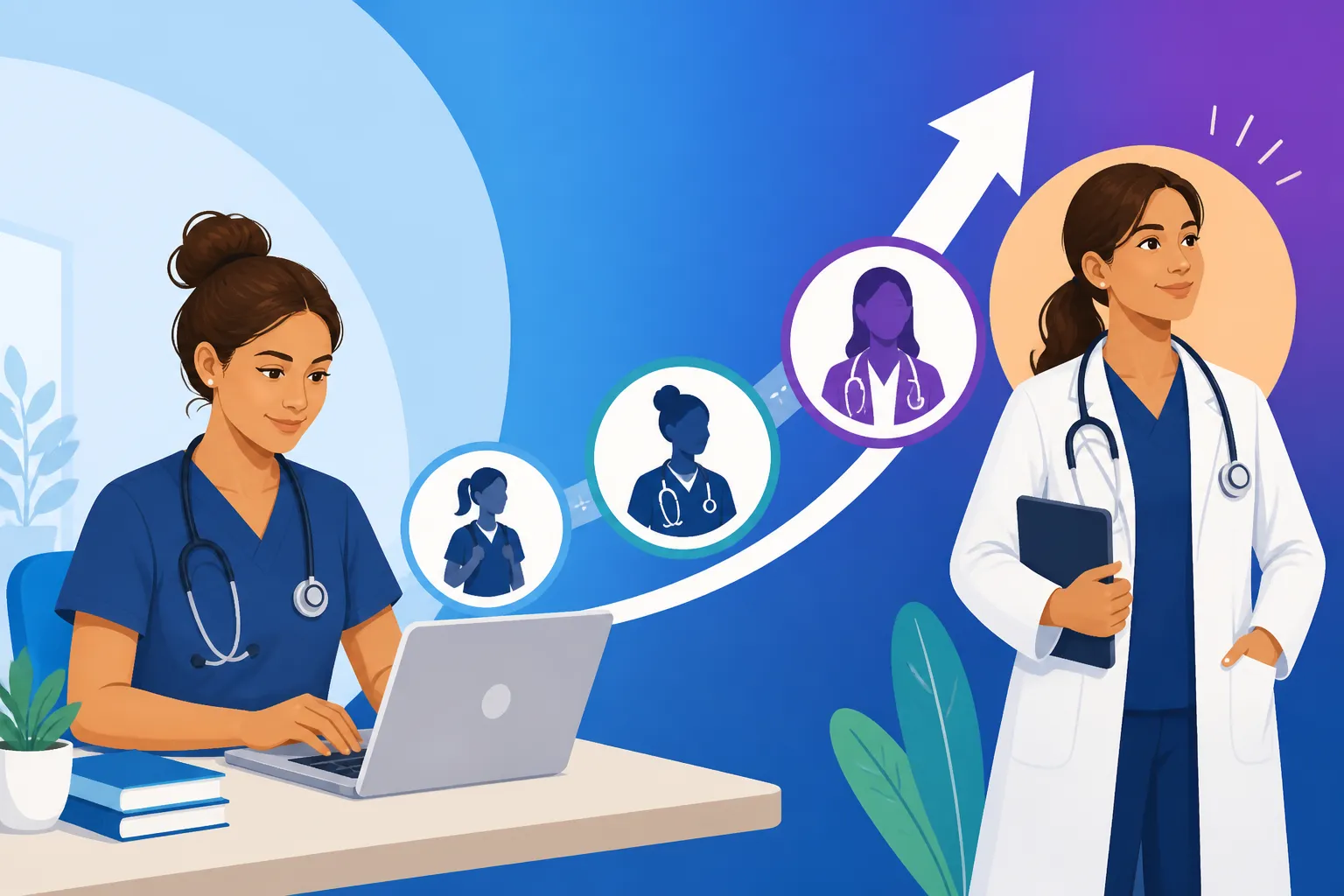
It’s completely normal to feel a mix of excitement and trepidation when thinking about furthering your education right after finishing an ABSN. You just powered through a rigorous program, soaking up an incredible amount of information and clinical experience in a compressed timeframe. But here’s the good news: that very experience has uniquely prepared you for the next step. Your ABSN isn't just a degree; it's a powerful launchpad for advanced practice.
How Your Accelerated BSN Prepares You
Think back to those long nights studying pharmacology or pathophysiology during your ABSN. Remember the critical thinking scenarios in your clinical rotations? All of that foundational knowledge, compressed into an accelerated format, has honed your ability to learn quickly, synthesize complex information, and apply it in real-world settings. Unlike traditional BSN programs, which might allow for more leisure time, your ABSN ingrained a high level of discipline and time management. These are indispensable skills when you step into a graduate-level NP program, which is equally, if not more, demanding. You've already proven you can handle a heavy academic load and fast-paced learning. This resilience and academic preparedness are significant advantages.
Essential Skills and Knowledge You Already Possess
Your ABSN equipped you with a comprehensive understanding of core nursing principles, patient assessment, evidence-based practice, and collaborative care. You've learned how to communicate effectively with patients, families, and interdisciplinary teams. You’ve likely had exposures to various specialties during your clinical rotations, from medical-surgical floors to pediatrics and critical care, giving you a broad overview of healthcare delivery. These experiences, coupled with your inherent nursing judgment developed during your initial practice as an RN, form a robust foundation. You understand patient flow, hospital systems, and the daily challenges faced by healthcare providers – perspectives that are invaluable for an advanced practice nurse who will be leading care and making complex decisions. For a deeper dive into what you learned, check out our article on What You Learn in an RN to BSN Program, which shares many foundational elements with ABSN programs.
Addressing the Experience Factor
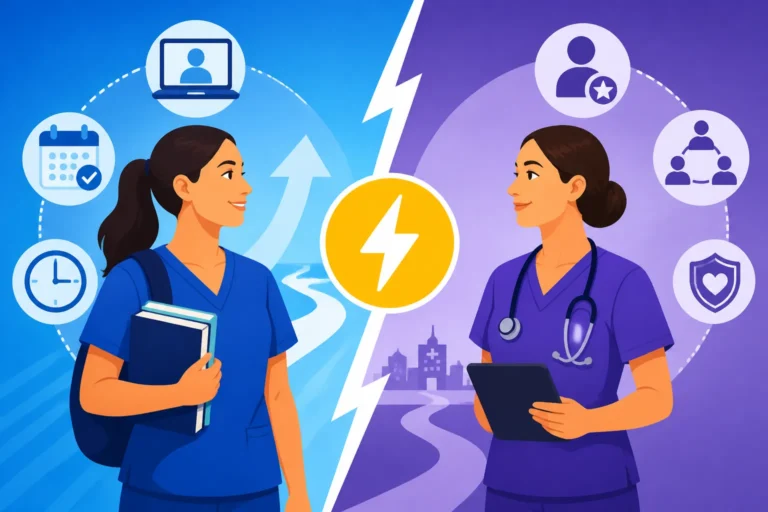
One common question ABSN graduates ask is about clinical experience. While some NP programs prefer or even require a certain amount of RN experience, don't let this deter you. Many ABSN graduates immediately transition into NP programs, often choosing direct-entry MSN programs or RN to MSN bridge programs. However, gaining a year or two of experience as a registered nurse, especially in a specialty that interests you for advanced practice, can be incredibly beneficial. For instance, if you envision yourself as a Family Nurse Practitioner, working in an urgent care clinic or a busy hospital floor will expose you to a wide variety of patient conditions and help solidify your assessment skills. This hands-on experience not only makes you a more competitive applicant but also provides invaluable real-world context for your graduate studies, helping you connect theoretical knowledge to practical scenarios. It’s also important to consider if Is an Accelerated BSN Worth It for your long-term career goals, especially if advanced practice is on your horizon.
Exploring Your NP Path: Specializations and Degree Options
The journey to becoming a Nurse Practitioner isn't a one-size-fits-all path. One of the most exciting, yet sometimes overwhelming, aspects is choosing your specialization and the appropriate degree program. Your choices here will significantly shape your future practice.
Deciphering Nurse Practitioner Specializations
Nurse Practitioners are highly specialized advanced practice registered nurses (APRNs) who focus on specific patient populations or care areas. As an ABSN grad, you'll have a broad spectrum of options, each with its unique patient demographics, scope of practice, and educational requirements. Understanding these differences is crucial for aligning your passion with a viable career path. To truly understand the full breadth of options, exploring Nurse Practitioner Specializations Explained can be immensely helpful.
Here's a look at some of the most common NP specializations:
- Family Nurse Practitioner (FNP): Perhaps the broadest specialization, FNPs provide comprehensive primary care to individuals across the lifespan, from infants to the elderly. They work in clinics, private practices, and community health centers, focusing on health promotion, disease prevention, and managing acute and chronic conditions.
- Adult-Gerontology Primary Care Nurse Practitioner (AGPCNP): These NPs specialize in primary care for adolescents, adults, and older adults. Their focus is on health maintenance, disease prevention, and managing common acute and chronic illnesses within this age group.
- Adult-Gerontology Acute Care Nurse Practitioner (AGACNP): In contrast to primary care, AGACNPs provide advanced care to acutely ill patients, often in hospital settings like ICUs, emergency rooms, or specialty units. They manage complex, critical conditions and work closely with physicians and other specialists.
- Pediatric Nurse Practitioner (PNP) – Primary Care or Acute Care: PNPs focus exclusively on the healthcare needs of children, from birth through adolescence. Primary care PNPs handle well-child visits, immunizations, and common childhood illnesses, while acute care PNPs manage critically ill children in hospital settings.
- Psychiatric Mental Health Nurse Practitioner (PMHNP): PMHNPs provide mental healthcare services to individuals, families, and groups across the lifespan. They can diagnose mental health conditions, provide therapy, and prescribe medication, often working in outpatient clinics, hospitals, or private practices.
- Women's Health Nurse Practitioner (WHNP): These NPs specialize in the health needs of women across the lifespan, focusing on reproductive health, prenatal and postpartum care, and general wellness.
Choosing a specialization often comes down to your passion, the patient population you enjoy working with most, and the type of clinical environment you thrive in. Consider your experiences during your ABSN clinicals—did you love the fast pace of the ER, or did you find more fulfillment in long-term patient relationships in a primary care setting?
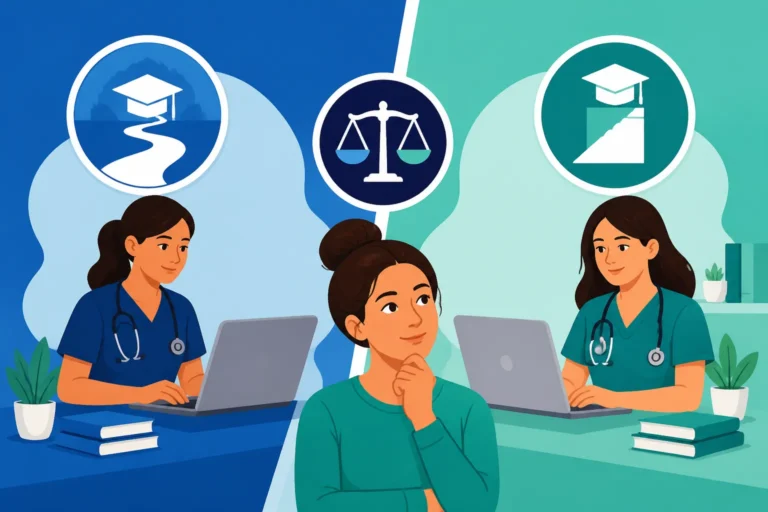
MSN versus DNP: Which Advanced Degree is Right for You
Once you've zeroed in on a specialization, the next big decision is the type of graduate degree. Historically, the Master of Science in Nursing (MSN) was the terminal degree for NP practice. However, there's a growing trend towards the Doctor of Nursing Practice (DNP) as the preferred, and in some areas, the de facto standard for entry-level NP practice. The American Association of Colleges of Nursing (AACN) has advocated for the DNP as the entry-level for all advanced practice registered nurses (APRNs) by 2015, although this has not yet become a universal requirement across all states or specializations. For a comprehensive comparison, see MSN vs DNP: Which to Choose.
- Master of Science in Nursing (MSN): An MSN program typically takes 2-3 years of full-time study for an ABSN graduate. It focuses heavily on advanced clinical practice, preparing you directly for NP roles. The curriculum includes advanced pathophysiology, advanced pharmacology, advanced health assessment, and specialized clinical rotations specific to your chosen population focus. Upon graduation, you're eligible to sit for your national certification exam.
- Doctor of Nursing Practice (DNP): A DNP is a practice-focused doctorate that builds upon the clinical expertise of an MSN. These programs typically add an additional 1-2 years beyond an MSN (or 3-4 years direct from BSN). DNP programs emphasize leadership, health policy, evidence-based practice, quality improvement, and systems thinking. While it includes advanced clinical coursework, a significant component is dedicated to a DNP project, often a practice change initiative designed to improve patient outcomes or healthcare delivery.
The choice between an MSN and DNP depends on your long-term career aspirations. An MSN will get you into practice as an NP sooner. A DNP, however, might open doors to higher-level leadership roles, academic positions, or advanced policy work, and is increasingly seen as the preferred degree in a competitive job market. Many programs offer the option to complete an MSN and then bridge to a DNP later.
Finding the Right Program Fit for ABSN Grads
After the intensity of your ABSN, finding a graduate program that suits your lifestyle and learning style is crucial. Many ABSN graduates are working nurses, some with families, and online programs have become incredibly popular for their flexibility.
When researching programs, look for:
- Accreditation: Ensure the program is accredited by either the Accreditation Commission for Education in Nursing (ACEN) or the Commission on Collegiate Nursing Education (CCNE). This is non-negotiable for licensure and certification eligibility. You can learn more about Why RN to BSN Accreditation Matters, which also applies to graduate nursing programs.
- Program Structure: Do you prefer a traditional in-person experience, or do you need the flexibility of an online or hybrid program? Fully online programs often require you to arrange your own clinical preceptors, which can be a challenge. Consider programs with strong clinical placement support. You can explore a list of Best Online Nurse Practitioner Programs to get started.
- Faculty-to-Student Ratio: A smaller ratio often means more personalized attention and support, which can be invaluable in a rigorous graduate program.
- NCLEX Pass Rates (for BSN graduates) and Certification Pass Rates (for NP graduates): While you've passed the NCLEX, looking at the program's NP certification pass rates for previous graduates can indicate the quality of their curriculum and preparation.
- Clinical Placement Support: This is a huge one. Many online programs require students to find their own preceptors, which can be incredibly stressful and time-consuming. Prioritize programs that actively assist with clinical placements. You can gain more insight by reading our guide on How to Find NP Preceptors.
- Admission Requirements: Each program will have specific MSN Admission Requirements, including GPA, letters of recommendation, essays, and potentially an interview. Your ABSN GPA will be a significant factor here.
Navigating the NP Program: Admissions, Academics, and Clinicals
Once you've decided on your specialization and degree, the next phase involves successfully applying to and completing your chosen NP program. This stage, much like your ABSN, will require dedication, strategic planning, and a deep commitment to learning.
Crafting a Competitive Application
Transitioning from an ABSN directly to an NP program, or after a few years of RN experience, requires a thoughtfully prepared application. Your strong academic record from your ABSN is your primary asset. However, several other components will help you stand out:
- Transcripts: Official transcripts from all post-secondary institutions, especially your ABSN, will be required. Most programs look for a minimum GPA, often 3.0 or higher.
- Personal Statement/Essay: This is your chance to shine. Articulate why you want to become an NP, why you chose your specific specialization, how your ABSN and any RN experience have prepared you, and your future career goals. Be sincere and specific.
- Letters of Recommendation: Aim for letters from faculty members from your ABSN program who know your academic strengths, and ideally, from a nursing supervisor or manager if you have gained professional RN experience.
- Resume/CV: Highlight your ABSN education, any relevant clinical rotations, volunteer work, and your RN work experience. Emphasize skills like critical thinking, leadership, patient advocacy, and teamwork.
- GRE Scores: While many NP programs, especially those for working nurses, are becoming more flexible, some still require the Graduate Record Examinations (GRE). Check individual program requirements carefully.
- RN License: An active, unencumbered Registered Nurse (RN) license is a universal prerequisite.
Remember, the admissions committee wants to see not just your academic potential, but also your maturity, professionalism, and understanding of the NP role.
Mastering the Rigors of Graduate-Level Nursing Education
Just like your ABSN, an NP program is intense. The curriculum delves much deeper into advanced concepts of health and disease, diagnostic reasoning, and evidence-based interventions. You'll take courses like:
- Advanced Pathophysiology: Explores the mechanisms of disease at a cellular and systemic level.
- Advanced Pharmacology: Focuses on drug classes, mechanisms of action, pharmacokinetics, and pharmacodynamics relevant to advanced practice prescribing.
- Advanced Health Assessment: Develops advanced physical examination and diagnostic reasoning skills.
- Diagnostic Reasoning and Clinical Decision-Making: Teaches you how to integrate assessment data, diagnostic test results, and evidence-based guidelines to formulate diagnoses and treatment plans.
- Role of the Nurse Practitioner: Covers legal, ethical, and professional issues in advanced practice.
- Research and Evidence-Based Practice: Equips you to critically appraise research and integrate findings into clinical practice.
The learning is often asynchronous in online programs, requiring significant self-discipline. Study strategies that worked for your ABSN will likely apply here: active recall, spaced repetition, and forming study groups. Resources like Uworld, known for its comprehensive question banks and explanations for the NCLEX, also offer excellent preparation materials for NP certification exams, which can be invaluable during your studies and for review. Balancing How to Balance Work and RN to BSN principles, or in this case, work and your NP program, will be crucial. Understanding How Many Hours a Week for RN to BSN and similarly for NP programs will help you manage expectations.
Securing and Excelling in Clinical Placements
Clinical rotations are the heart of any NP program and can be one of the most challenging aspects, especially for online students. These placements allow you to apply theoretical knowledge under the supervision of experienced preceptors, gradually building your autonomy and clinical judgment. MSN Clinical Hours Requirements vary by program and specialization, but typically range from 500 to over 1,000 hours.
Here's what you need to know:
- Preceptor Search: Some programs provide preceptor matching services, while others require students to secure their own. Start early if you're responsible for finding your own! Network with colleagues, reach out to local clinics and hospitals, and leverage your existing professional connections. A good preceptor is invaluable—they're not just supervising you, they're mentoring you.
- Clinical Settings: Your placements will align with your specialization. For example, an FNP student might rotate through family practices, pediatrics clinics, and women's health centers. An AGACNP student would spend time in intensive care units, emergency departments, and specialty hospital units.
- Learning Objectives: Each clinical rotation will have specific learning objectives. Be proactive, ask questions, perform thorough assessments, present cases confidently, and seek feedback regularly. This is your opportunity to hone your diagnostic and management skills in a supervised environment.
- Professionalism: Always maintain the highest level of professionalism. Show up prepared, be respectful of your preceptor's time and expertise, and integrate yourself as a valuable member of the healthcare team.
Exceling in your clinicals is not just about logging hours; it's about actively learning, building relationships, and demonstrating your readiness to function as an independent advanced practice provider.
Beyond Graduation: Certification, Practice, and Long-Term Growth
Completing your NP program is a monumental achievement, but it's not the final step. To practice as a Nurse Practitioner, you must navigate national certification, state licensure, and commit to continuous professional development.
The Critical Step of NP Certification and Licensure
Once you've successfully completed all your coursework and clinical hours, you'll be eligible to sit for your national certification exam in your specialty area. These exams are rigorous and are administered by various certifying bodies, the most common being the American Nurses Credentialing Center (ANCC) and the American Academy of Nurse Practitioners Certification Board (AANP-CB).
- ANCC Certification: Offers certification in many specialties (e.g., FNP, AGPCNP, AGACNP, PMHNP). The ANCC exams often have a higher emphasis on theory, research, and professional role components, in addition to clinical knowledge.
- AANP-CB Certification: Primarily offers certification for FNP and AGPCNP. These exams are generally considered to be very clinically focused, assessing your ability to apply knowledge in patient care scenarios.
Preparation for these exams is crucial. Many graduates utilize review courses, study guides, and question banks. Again, platforms like Uworld offer robust NP question banks and practice exams that mirror the actual certification tests, helping you solidify your knowledge and build confidence. Passing this exam is your gateway to applying for state licensure.
After national certification, you must apply for licensure as an Advanced Practice Registered Nurse (APRN) in the state where you intend to practice. Licensure requirements vary by state, so it’s essential to check with your state's Board of Nursing. This typically involves submitting proof of your graduate degree, national certification, and sometimes a background check. Understanding factors like NP Prescriptive Authority by State and NP Full Practice Authority States will be vital as you plan your career.
Building a Thriving Career as an Advanced Practice Nurse
As an ABSN grad who has completed an NP program, you're entering a highly in-demand profession. Nurse Practitioners play a vital role in healthcare delivery, particularly in addressing primary care shortages and improving access to specialized care. The career benefits of earning a BSN, and subsequently an MSN or DNP, are substantial.
- Increased Autonomy: NPs often have a significant degree of autonomy, diagnosing conditions, ordering and interpreting tests, and prescribing medications. The extent of this autonomy can vary by state due to different practice laws.
- Diverse Practice Settings: NPs work in a wide array of settings, including hospitals, outpatient clinics, private practices, urgent care centers, community health clinics, schools, and even in telehealth.
- Higher Earning Potential: NP salaries are significantly higher than those of registered nurses, reflecting the advanced education and responsibilities. Our article on MSN Salary Increase Explained provides a comprehensive overview of the financial benefits.
- Job Satisfaction: Many NPs report high job satisfaction, valuing the opportunity to build long-term relationships with patients and make a direct impact on their health outcomes.
The job outlook for Nurse Practitioners is exceptionally strong, with projections for continued growth well into the next decade. Your journey from an accelerated BSN to an NP positions you perfectly to meet this demand and shape the future of healthcare.
Continuing Education and Future Opportunities
The learning doesn't stop once you become an NP. Continuing education (CE) is required to maintain your national certification and state licensure. This ensures that you stay current with the latest evidence-based practices, medical advancements, and healthcare guidelines.
Beyond mandatory CE, the NP role offers numerous avenues for continued professional growth:
- Post-Master's Certificates: If you initially certified in one specialization (e.g., FNP) but later decide you want to expand your practice (e.g., add PMHNP), you can pursue a post-master's certificate. These shorter programs allow you to gain the necessary didactic and clinical hours for additional certification without completing another full degree.
- DNP Advancement: If you started with an MSN, you might consider pursuing a DNP later in your career to further enhance your leadership skills, engage in health policy, or contribute to evidence-based practice initiatives on a larger scale. This often involves an MSN to DNP Bridge Explained program.
- Leadership and Mentorship: Many experienced NPs take on leadership roles, becoming clinical preceptors for students, mentoring new graduates, or moving into administrative positions within healthcare systems.
- Specialty Certifications: Within your chosen NP specialization, there may be additional certifications available (e.g., in diabetes management, wound care) that can further refine your expertise and enhance your career prospects.
Your ABSN was just the beginning. The path to becoming an NP is a testament to your dedication and passion for nursing. With careful planning, hard work, and a commitment to lifelong learning, you can achieve this advanced practice role and make a profound difference in the lives of your patients.
Disclaimer
Please remember that the information provided in this guide is for general informational purposes only and does not constitute professional advice. Nursing education requirements, licensure, and scope of practice can vary significantly by state and are subject to change. Always consult with academic advisors, your state's Board of Nursing, and official program websites for the most accurate and up-to-date information regarding your specific situation and career goals.