Pediatric Nurse: Role, Salary, and How to Start
If you've ever felt a deep pull to care for children, to be a comforting presence during their most vulnerable moments, or to celebrate their incredible resilience, then the thought of becoming a pediatric nurse has likely crossed your mind. It’s a specialty that combines the art of nursing with the unique challenges and immense rewards of working with young patients and their families. This guide will walk you through everything you need to know about the pediatric nurse role, potential earnings, and the practical steps to embark on this incredibly fulfilling career path.
What Does a Pediatric Nurse Actually Do?
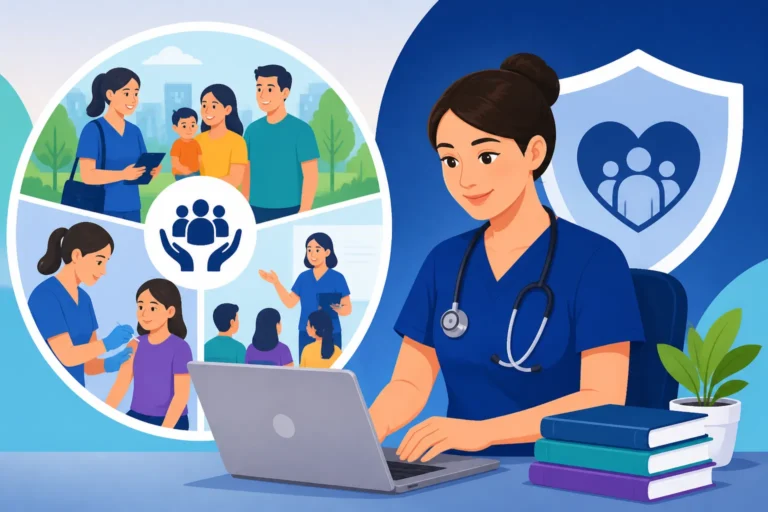
Being a pediatric nurse isn't just about giving medicine; it's about being a detective, a comforter, an educator, and often, a superhero to children and their worried parents. The scope of practice is vast and incredibly diverse, encompassing everything from routine well-child check-ups to managing complex, life-threatening conditions in a critical care setting.
A Day in the Life of a Peds Nurse
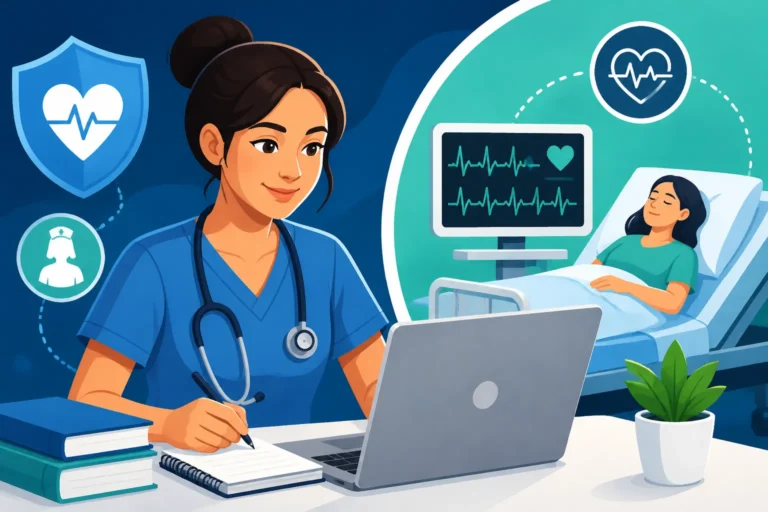
Imagine starting your shift in a bustling children's hospital. Your first patient might be a giggling toddler recovering from a tonsillectomy, needing gentle monitoring and pain management. Next, you could be educating the parents of a school-aged child newly diagnosed with diabetes on how to administer insulin and manage their diet, making sure they feel empowered and not overwhelmed. Later, you might be calming a teenager anxious about an upcoming procedure, using age-appropriate language and a reassuring demeanor. Every interaction is unique, requiring a blend of clinical expertise and profound empathy. You’re assessing vital signs, administering medications, managing IVs, and documenting meticulously. But just as importantly, you're playing peek-a-boo, reading stories, and explaining complex medical concepts in simple, child-friendly terms.
In a general pediatric unit, your day is a whirlwind of patient care, family communication, and collaboration with a multidisciplinary team including doctors, child life specialists, social workers, and therapists. You're not just treating the child; you're supporting the entire family unit, helping them navigate often frightening medical journeys. This requires a level of patience and creativity that is truly special, transforming a sterile hospital room into a place of comfort and healing. Whether you're in a busy urban center like Children's Hospital of Philadelphia or a smaller community hospital, the core dedication to young patients remains the same.
Specialties Within Pediatric Nursing
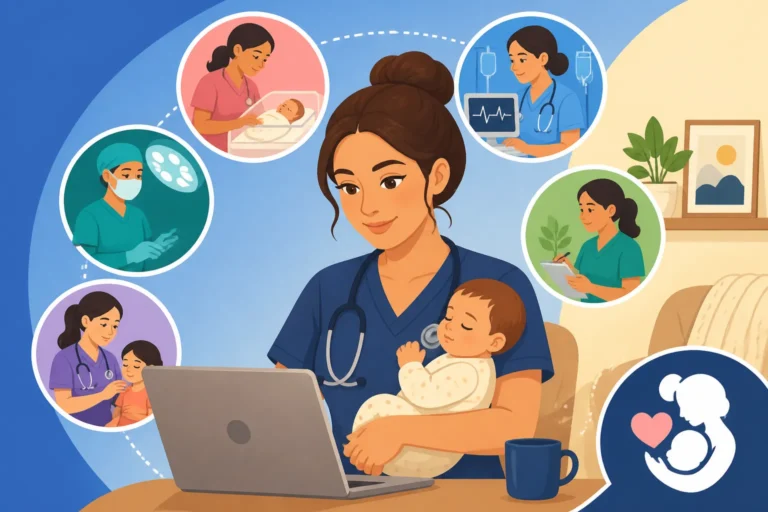
The beauty of pediatric nursing is that it’s not a one-size-fits-all career. Once you're in, you’ll discover a whole world of sub-specialties, each with its own unique focus and demands. For instance, a Neonatal Intensive Care Unit (NICU) nurse cares for critically ill or premature newborns, often performing delicate procedures and providing intense emotional support to new parents. This is a highly specialized area that requires advanced training and a very calm, meticulous approach.
Then there are Pediatric Intensive Care Unit (PICU) nurses, who manage children with severe illnesses or injuries, often on ventilators or receiving complex life support. These roles are incredibly demanding, requiring quick thinking, advanced assessment skills, and immense emotional resilience. You could also find yourself in a Pediatric Emergency Department (Peds ED), where you'd be the first point of contact for acutely ill or injured children, triaging and stabilizing them under high-pressure circumstances. Outside of the hospital, pediatric nurses work in outpatient clinics, school health, home health, and even in travel nursing roles focusing on pediatrics. Each of these settings offers a different rhythm and set of challenges, allowing nurses to find their perfect niche within this broad and vital field.
How to Become a Pediatric Nurse The Journey
Embarking on a career as a pediatric nurse requires dedication to education and continuous learning. It's a path that builds upon foundational nursing knowledge, then layers on specialized skills for caring for the most precious and vulnerable patients. The journey might seem daunting, but with clear steps, it's absolutely achievable.
Educational Pathways to Pediatric Nursing
The first crucial step is to become a Registered Nurse (RN). This typically involves earning either an Associate Degree in Nursing (ADN) or a Bachelor of Science in Nursing (BSN). While both degrees prepare you to take the NCLEX-RN licensure exam and become an RN, a BSN is increasingly preferred, and often required, by many hospitals, especially Magnet-designated facilities, which often prefer nurses with higher education. You can explore the differences between an ADN vs BSN: Key Differences to understand which path might be best for you initially.
If you start with an ADN, don't worry! Many nurses pursue an Online RN to BSN Programs: Complete Guide while working, allowing them to advance their education and career prospects. These programs are often designed with working nurses in mind, offering flexibility and online coursework. Once you have your BSN, you'll find more doors open, particularly in specialized areas like pediatrics. Some aspiring pediatric nurses even go on to pursue a Master of Science in Nursing (MSN) or a Doctor of Nursing Practice (DNP) to become a Pediatric Nurse Practitioner, which is a significant leap in autonomy and scope of practice. Understanding Online MSN Programs: Complete Guide can give you a peek into these advanced roles.
Gaining Essential Experience and Certifications
After becoming an RN, the real-world learning truly begins. While some nursing schools offer dedicated pediatric clinical rotations, gaining direct experience is paramount. Many new graduates aim for entry-level positions on general pediatric floors, in well-baby nurseries, or in pediatric clinics. This initial experience is invaluable for developing your assessment skills, medication administration techniques, and, most importantly, your communication skills with children and their families. Don't be discouraged if your first job isn't in your dream pediatric unit right away; any experience working with children or families will strengthen your resume.
Once you have a year or two of experience under your belt, you can pursue specialized certifications. The Certified Pediatric Nurse (CPN) credential, offered by the Pediatric Nursing Certification Board (PNCB), is highly respected and demonstrates your expertise in the field. To prepare for certification exams like the CPN or even the NCLEX, many nurses find review materials and question banks invaluable. Resources like Uworld are popular choices for rigorous preparation, offering comprehensive question banks and detailed rationales that can significantly boost your confidence and knowledge. Earning your CPN certification not only enhances your professional credibility but can also open doors to more specialized roles and potentially even a higher salary. Check out Nursing Certifications by Specialty for more details on specific certifications available.
Pediatric Nurse Salary and Career Outlook
Understanding the financial aspects and future demand for pediatric nurses is crucial when considering this career path. It’s a role that often offers competitive pay and strong job security, reflecting the specialized skills and dedication required.
Understanding Salary Factors
The salary for a pediatric nurse can vary significantly based on several factors, including geographic location, years of experience, specific certifications, and the type of healthcare facility. For instance, a pediatric nurse in a high-cost-of-living area like California or New York will likely earn more than one in a rural area of the Midwest. According to recent data, the average salary for a Registered Nurse in the United States typically falls in the range of $80,000 to $90,000 per year, but this can fluctuate widely. For pediatric nurses, with specialized skills, salaries can often lean towards the higher end of the RN spectrum, especially with experience and certifications.
New graduate RNs entering a pediatric unit might start closer to $65,000-$70,000, while experienced nurses with 5-10 years of pediatric experience and a CPN certification could earn well over $90,000 or even six figures in some regions and specialized roles. Facilities in major metropolitan areas, especially large academic children's hospitals such as Boston Children's Hospital or Texas Children's Hospital, tend to offer more competitive compensation packages. For a broader overview, you can delve into Nursing Degrees and Salaries Explained to see how different levels of education impact earnings. Remember that continuing education, like pursuing an MSN to become a Nurse Practitioner, can also significantly boost your earning potential, as detailed in our guide on MSN Salary Explained.
Job Growth and Demand
The job outlook for Registered Nurses, including pediatric nurses, is projected to be strong for the foreseeable future. The U.S. Bureau of Labor Statistics anticipates significant growth in nursing positions over the next decade, driven by an aging population, increased emphasis on preventive care, and a general demand for healthcare services. Pediatric nursing specifically benefits from a consistent need for specialized care for children, from infancy through adolescence. While overall birth rates might fluctuate, the need for expert care for children with chronic conditions, acute illnesses, and injuries remains constant.
This steady demand means that qualified pediatric nurses generally enjoy good job security and a variety of employment opportunities. Hospitals, outpatient clinics, schools, and home health agencies are always seeking skilled pediatric nurses. As the healthcare landscape evolves, there's also a growing need for nurses with advanced degrees in pediatrics, such as Pediatric Nurse Practitioners, further highlighting the career growth potential. Investing in your education and specializing in pediatrics is a solid choice for a stable and rewarding career. For those considering if the commitment is worth it, our article, Is an RN to BSN Worth It, provides an excellent perspective on career value.
Is Pediatric Nursing the Right Path for You?
Deciding if pediatric nursing is the right fit involves more than just looking at job descriptions and salaries. It's about introspection, understanding your own strengths, and acknowledging the unique emotional and psychological aspects of this deeply personal field.
The Rewards and Challenges of Working with Children
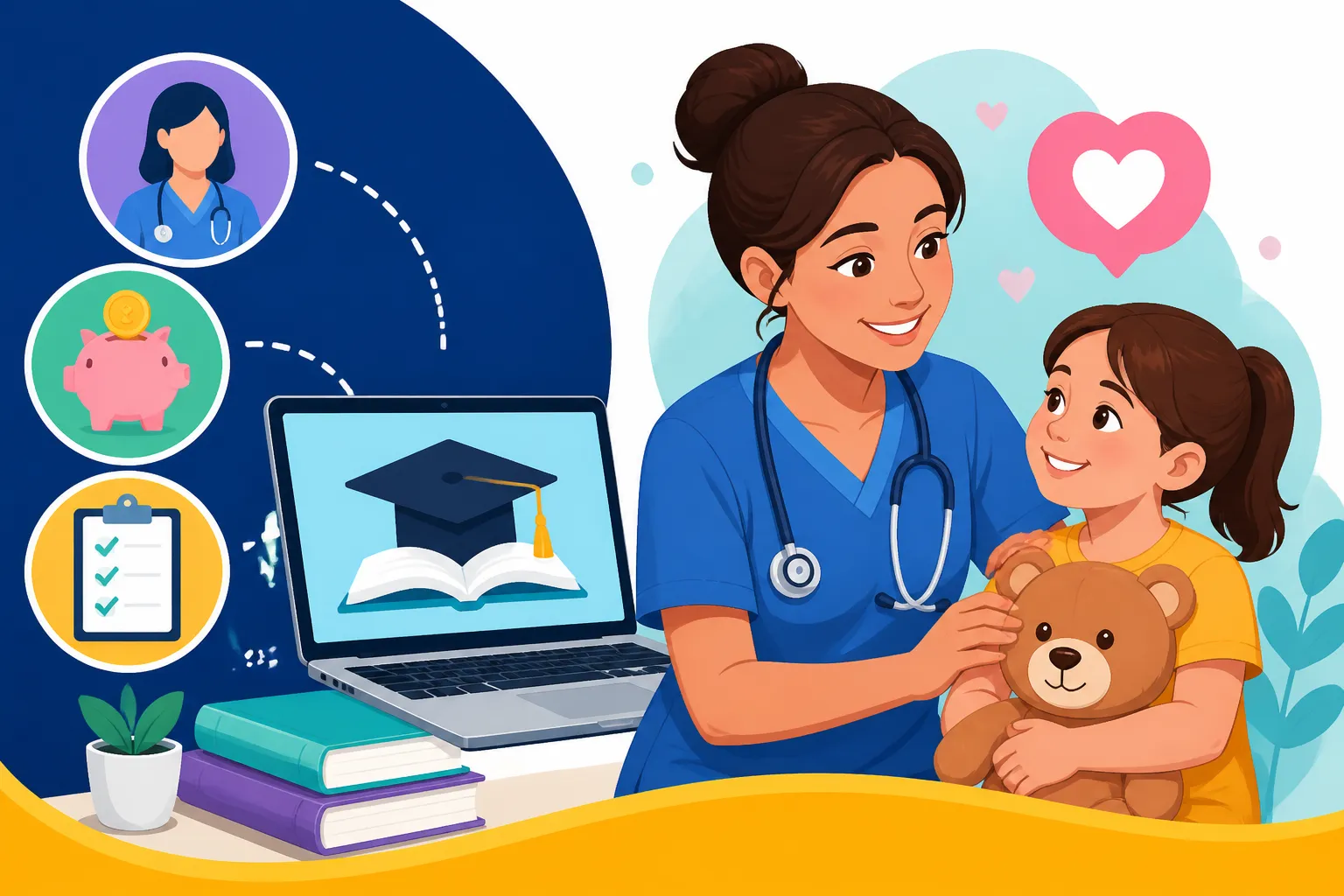
The rewards of pediatric nursing are immeasurable. There’s an unparalleled joy in witnessing a child heal, seeing their smile return after an illness, or knowing you’ve made a frightening experience a little less scary. You become an advocate for a population that often can't advocate for themselves, giving a voice to the voiceless. The resilience of children is truly inspiring, and being a part of their recovery journey can be profoundly uplifting. You get to engage your playful side, using toys, games, and imaginative stories to connect with patients, making their care a positive experience. This is a field where small victories feel like monumental triumphs.
However, it's not without its significant challenges. Pediatric nursing requires incredible patience and a unique approach to communication, not just with the child but also with anxious, worried, or grieving parents. You are often dealing with children who are too young to articulate their pain or symptoms, making assessment a complex art. Then there's the emotional toll: caring for critically ill children, witnessing their suffering, or, heartbreakingly, losing a young patient, can be emotionally devastating. You will encounter situations that test your emotional resilience to its limits. It’s crucial to develop strong coping mechanisms and a robust support system, both personally and professionally, to navigate these difficult moments. Understanding How Difficult Is an Online RN to BSN touches on the academic rigor of nursing, which prepares you for the clinical demands, but the emotional demands of pediatrics are a different layer entirely.
Essential Qualities for Success
To truly thrive as a pediatric nurse, certain qualities are absolutely essential. First and foremost is profound compassion and empathy, not just for the children, but for their families who are often going through immense stress. A deep well of patience is also critical; children don't always cooperate, and explanations need to be repeated and tailored. Strong communication skills are paramount, enabling you to speak effectively with children of all ages, from infants to adolescents, as well as their parents, grandparents, and other caregivers. This means being able to translate complex medical information into understandable language.
Resilience is another non-negotiable trait. You will face challenging cases, difficult prognoses, and emotional strain. The ability to bounce back, maintain a positive outlook, and practice self-care is vital for longevity in this profession. Attention to detail is also incredibly important, as pediatric doses and vital signs vary significantly by age and weight, leaving little room for error. Finally, a playful and creative spirit can make all the difference, helping you connect with children and make their hospital or clinic visits a little brighter. If these qualities resonate with you, and you're prepared for both the immense joys and profound sorrows that can come with the territory, pediatric nursing could be your calling.
Key Aspects of Pediatric Nursing
| Aspect | Description | Typical Settings | Required Education | Average Salary Range (Experienced) |
|---|---|---|---|---|
| Primary Role | Providing age-appropriate, compassionate care to infants, children, and adolescents; advocating for their health and well-being; educating families. | Children's hospitals, general pediatric units, NICU, PICU, Peds ED, outpatient clinics, schools, home health. | ADN (RN) or BSN (RN) | $75,000 – $100,000+ per year |
| Key Skills | Child-friendly communication, assessment of non-verbal cues, medication dosage calculation, IV access, emotional support, family education, critical thinking, patience, resilience. | |||
| Certifications | Certified Pediatric Nurse (CPN) is highly recommended for demonstrating expertise after initial experience. | |||
| Career Outlook | Strong, with consistent demand for specialized pediatric care; opportunities for advancement to Nurse Practitioner roles (e.g., Pediatric Nurse Practitioner). | MSN or DNP for advanced practice | ||
| Emotional Impact | Immense rewards in seeing children heal and grow; significant challenges include dealing with serious illness, chronic conditions, and potential patient loss; vital need for self-care and support. |
Disclaimer
The information provided in this guide is intended for general informational purposes only and does not constitute professional medical, financial, or educational advice. Always consult with qualified professionals for personalized guidance regarding your health, financial decisions, or educational and career planning. Salary figures are estimates and can vary widely based on location, experience, and employer.