How to Become a Women’s Health NP
Deciding to become a Women's Health Nurse Practitioner (WHNP) is a fantastic step, but navigating the educational maze, clinical requirements, and certification process can feel incredibly overwhelming, leaving many aspiring nurses feeling lost or unsure of where to even begin. You're not alone if you're wondering how to balance your current life with the demands of advanced education or how to ensure you're choosing the right path. This comprehensive guide is here to demystify the journey, offering a clear, empathetic roadmap to help you achieve your dream of becoming a WHNP.
Understanding the Women's Health Nurse Practitioner Role
Stepping into the world of advanced practice nursing, especially within a specialized field like women's health, means taking on a role that is both deeply rewarding and critically important. A Women's Health Nurse Practitioner is more than just a healthcare provider; they are often a trusted confidante, educator, and advocate for patients across their lifespan. It's a role that demands not only clinical excellence but also a profound understanding of the unique physiological and psychosocial needs of women.
What is a WHNP and What Do They Do?
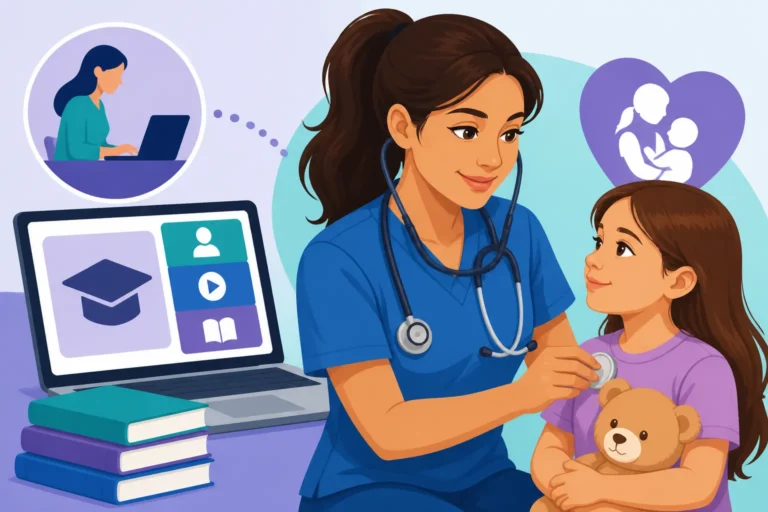
A Women's Health Nurse Practitioner (WHNP) is an advanced practice registered nurse (APRN) who specializes in providing comprehensive primary and specialized healthcare to women from adolescence through the lifespan, including during and after menopause. This isn't just about reproductive health; it's about a holistic approach to women's well-being. Think of a WHNP as a cornerstone for women's health, addressing everything from preventative care to complex health issues.
Their scope of practice is incredibly broad and diverse. On any given day, a WHNP might be performing routine gynecological exams, screening for sexually transmitted infections, providing contraception counseling, managing common gynecological conditions, offering prenatal and postpartum care, or educating patients on healthy lifestyle choices. They play a crucial role in early detection and prevention of diseases like breast cancer and cervical cancer, performing mammogram referrals and Pap tests. Beyond the physical, WHNPs often delve into mental health screenings, discussing issues like postpartum depression or anxiety, and they are adept at guiding patients through significant life transitions such as puberty, pregnancy, and menopause. They also interpret diagnostic tests, prescribe medications, and develop individualized treatment plans, all while emphasizing patient education and empowerment. It's a role that requires a keen eye for detail, a compassionate heart, and an evidence-based approach to care.
Why Choose a Career as a WHNP?
Many nurses are drawn to the WHNP specialty for deeply personal and professional reasons. For starters, the ability to make a profound, tangible impact on women's lives is a huge motivator. Imagine guiding a young woman through her first gynecological exam, helping a couple navigate fertility challenges, or supporting a new mother through the complexities of breastfeeding and postpartum recovery. These are moments that truly matter, and as a WHNP, you'll be at the forefront of providing that crucial care and support. There's immense satisfaction in empowering women to take charge of their health, offering education that dispels myths, and building lasting relationships based on trust and respect.
Beyond the personal fulfillment, the demand for Women's Health Nurse Practitioners is robust and continues to grow. With an aging population, an increasing emphasis on preventative care, and the ongoing need for accessible healthcare, skilled WHNPs are highly sought after in various settings. This translates into excellent job security and a strong career outlook. Furthermore, the WHNP role often offers a good balance between autonomy and collaborative practice, allowing you to work independently while still being an integral part of a broader healthcare team. For many, it's about combining their passion for nursing with a specialized focus that allows them to truly thrive and advocate for a population they care deeply about.
The Difference Between WHNP and FNP
It's common for aspiring nurse practitioners to wonder about the distinction between a Women's Health Nurse Practitioner (WHNP) and a Family Nurse Practitioner (FNP). While both are advanced practice nurses, their scope of practice and patient populations differ significantly. A Family Nurse Practitioner is trained to provide comprehensive primary care to individuals across the entire lifespan – from infants to the elderly – and to families, encompassing men, women, and children. They often manage chronic conditions, provide acute care for common illnesses, and focus on health promotion and disease prevention for a very broad demographic.
A Women's Health Nurse Practitioner, on the other hand, has a much more specialized focus. Their training is exclusively centered on the unique health needs of women, typically from adolescence through geriatrics. While they do provide primary care within their scope, it's always through the lens of women's health. This means a WHNP’s curriculum delves much deeper into areas like reproductive endocrinology, advanced gynecological procedures, high-risk obstetrics (though they don't deliver babies, they manage prenatal and postpartum care), and conditions prevalent in women like osteoporosis or specific autoimmune diseases. While an FNP might see a woman for a Pap test, a WHNP has a more profound and specialized understanding of all the nuances of women's reproductive and gynecological health, offering a level of expertise that can be invaluable for complex cases or specific patient needs. Choosing between the two often comes down to how broad or specialized you want your practice to be. If your heart truly lies in championing women's specific health journeys, the WHNP path is likely for you.
Educational Pathway to Becoming a WHNP
The journey to becoming a Women's Health Nurse Practitioner is a structured, multi-step process that builds upon your foundational nursing knowledge. It's not a race, but a progression that ensures you gain the necessary clinical competence and theoretical understanding to excel in this specialized field. It begins with becoming a registered nurse and then advancing your education to the graduate level.
Earning Your Registered Nurse (RN) License
Before you can even think about becoming an advanced practice nurse, you absolutely need to be a licensed Registered Nurse (RN). This is the bedrock of your nursing career, providing you with the fundamental knowledge and clinical skills necessary to care for patients. Most aspiring nurses achieve their RN license by completing either an Associate Degree in Nursing (ADN) or a Bachelor of Science in Nursing (BSN).
While an ADN program typically takes about two years and provides the fastest route to becoming an RN, a BSN program usually spans four years and offers a more comprehensive education, including courses in leadership, research, and community health. Many healthcare facilities, especially those striving for Magnet status, increasingly prefer or even require nurses to hold a BSN. If you start with an ADN, don't worry! There are numerous pathways like Online RN to BSN Programs: Complete Guide that allow you to seamlessly transition and earn your BSN while often continuing to work. Regardless of which path you choose, the crucial next step after completing your accredited nursing program is to pass the National Council Licensure Examination (NCLEX-RN). This challenging exam is what grants you the ability to apply for your state nursing license and officially begin your practice as an RN. Having some experience as an RN, ideally in areas like labor and delivery, postpartum, or gynecology, before applying to WHNP programs, can also significantly strengthen your application and provide invaluable real-world context for your graduate studies.
Pursuing a Master of Science in Nursing (MSN) or Doctor of Nursing Practice (DNP) with a WHNP Specialization
Once you've secured your RN license and gained some practical experience, the next significant step is to pursue a graduate degree with a specialization in Women's Health Nurse Practice. This typically means enrolling in either a Master of Science in Nursing (MSN) program or a Doctor of Nursing Practice (DNP) program. Both degrees will prepare you for WHNP certification, but they differ in depth, focus, and career trajectory.
MSN programs with a WHNP specialization are generally the most common route. These programs are designed to build upon your existing RN knowledge, delving deep into advanced pathophysiology, pharmacology, health assessment, and, crucially, the specialized theoretical and clinical knowledge required for women's health across the lifespan. The curriculum will cover everything from reproductive health and contraception to menopause management, gynecological oncology, and prenatal/postpartum care. Most MSN programs take about 2-3 years to complete full-time. For a comprehensive overview, check out this guide on Online MSN Programs: Complete Guide.
The DNP, on the other hand, is a practice-focused doctorate that prepares nurses for the highest level of clinical nursing practice, leadership roles, and health policy advocacy. While a DNP with a WHNP specialization will include all the clinical competencies of an MSN-prepared WHNP, it places a greater emphasis on evidence-based practice, quality improvement, systems leadership, and translating research into practice. DNP programs usually take 3-4 years full-time, especially if you're entering with a BSN. While not yet a universal requirement, the trend in advanced practice nursing is moving towards the DNP as the entry-level degree. Choosing between an MSN and DNP largely depends on your long-term career goals and how deeply you wish to engage with healthcare systems and policy change.
Exploring Direct-Entry and RN to MSN Options
For those looking to transition into advanced practice nursing from different educational backgrounds, or even from a non-nursing field, there are specialized pathways available to become a WHNP. These programs are designed to bridge gaps in prior education, making the journey accessible to a wider range of dedicated individuals.
If you already hold a bachelor's degree in a non-nursing field but feel a strong pull towards nursing and women's health, a Direct-Entry MSN program might be your ideal route. These intensive programs are specifically crafted for individuals who are not yet RNs. They integrate foundational nursing coursework, preparing you for RN licensure, followed by the advanced practice curriculum to become a WHNP. This means you earn your RN and then your MSN (or DNP) in one continuous program. While demanding and fast-paced, often taking 3-4 years, direct-entry programs offer an efficient way to make a significant career change without repeating foundational degrees.
For Registered Nurses who hold an Associate Degree in Nursing (ADN) and want to leapfrog directly to advanced practice without first completing a separate BSN program, RN to MSN bridge programs are an excellent choice. These programs streamline the process by incorporating undergraduate-level coursework into the graduate curriculum. They acknowledge your existing RN license and clinical experience, allowing you to earn your BSN competencies while simultaneously working towards your MSN with a WHNP specialization. This path is particularly appealing for working nurses who want to advance their careers efficiently. Keep in mind that RN to MSN Programs Explained in depth, detailing how these programs can be a game-changer for ADN-prepared nurses eager to become nurse practitioners. Both direct-entry and RN to MSN programs offer flexibility, with many options available online or in a hybrid format, making advanced education more attainable for busy professionals.
Navigating WHNP Program Requirements and Curriculum
Embarking on a Women's Health Nurse Practitioner program is a significant undertaking, and understanding what's expected of you, both academically and clinically, is paramount. These programs are designed to be rigorous, ensuring that you graduate as a competent, confident, and compassionate provider for women.
Admission Prerequisites and Application Process
Getting into a quality WHNP program requires careful planning and meeting specific criteria. Most programs will require you to hold an active, unencumbered Registered Nurse (RN) license. If you're going the traditional MSN or DNP route, a Bachelor of Science in Nursing (BSN) from an accredited institution is almost always a prerequisite, usually with a minimum GPA, often around 3.0 or higher. However, some programs are more flexible, and you might find RN to BSN Programs with No GPA Requirement if you're looking to bolster your academic standing before applying to an NP program. You'll likely also need official transcripts from all prior academic institutions, a professional resume or CV highlighting your nursing experience, and letters of recommendation from supervisors or professors who can speak to your clinical skills and academic potential.
Many programs also ask for a personal statement or essay. This is your chance to shine and articulate your passion for women's health, your career goals, and why you believe you're a strong candidate for their specific program. Some universities may also require Graduate Record Examination (GRE) scores, though this requirement is becoming less common, especially for experienced nurses. Keep in mind that MSN Admission Requirements can vary quite a bit from school to school, so it's essential to thoroughly research each program you're interested in. The application process itself often involves an online application, submission of all supporting documents, and sometimes an interview. Presenting a well-rounded application that demonstrates your commitment, academic readiness, and clinical experience will undoubtedly increase your chances of acceptance.
Key WHNP Coursework
The curriculum for a Women's Health Nurse Practitioner program is meticulously designed to equip you with the advanced theoretical knowledge and practical skills necessary to provide specialized care. While specific course titles might vary slightly between institutions, the core content remains consistent, focusing intensely on the unique physiological, psychological, and sociocultural aspects of women's health.
At the foundation, you'll delve into advanced core courses that are standard for all NP specializations. This includes Advanced Health Assessment, where you'll refine your physical examination skills to a highly advanced level, learning to detect subtle cues and interpret complex findings relevant to women's bodies. Advanced Pathophysiology will deepen your understanding of disease processes, explaining the 'why' behind symptoms and conditions affecting women specifically. And of course, Advanced Pharmacology is critical; you'll learn about the mechanisms of action, pharmacokinetics, and pharmacodynamics of medications frequently prescribed in women's health, ensuring safe and effective treatment plans.
Beyond these core courses, the specialization truly kicks in. You'll take dedicated women's health courses covering topics like:
- Reproductive Health: Extensive study of contraception, fertility challenges, sexually transmitted infections, and adolescent gynecological care.
- Obstetrics and Gynecological Care: While WHNPs don't deliver babies, they are experts in managing normal and high-risk pregnancies throughout the prenatal and postpartum periods, as well as providing comprehensive gynecological care, including Pap tests, colposcopy, and managing various reproductive disorders.
- Menopause and Geriatric Women's Health: Understanding the physiological changes and health concerns specific to older women, including hormone replacement therapy, bone health, and cardiovascular disease prevention.
- Oncology: Screening, prevention, and co-management of gynecological cancers (breast, ovarian, cervical, uterine).
- Mental Health in Women: Addressing issues like postpartum depression, anxiety disorders, and the psychological impact of chronic conditions on women.
- Health Promotion and Disease Prevention: Focusing on screenings, vaccinations, and lifestyle counseling tailored to women's unique health risks.
This rigorous coursework ensures you develop the critical thinking and diagnostic reasoning skills essential for independent practice as a WHNP.
Clinical Hours and Preceptorships
One of the most vital, and often most challenging, components of any Nurse Practitioner program, including the WHNP specialization, is the extensive requirement for supervised clinical hours and preceptorships. This is where the theoretical knowledge from your classroom studies truly comes alive and solidifies into practical, hands-on expertise. It's not just about clocking hours; it's about gaining real-world experience under the guidance of seasoned professionals.
WHNP programs typically require a minimum of 500-1000 direct patient care clinical hours, though specific numbers can vary by program and state regulatory boards. These hours must be completed in settings that align with the WHNP scope of practice, meaning you’ll primarily be working in women's health clinics, obstetrics and gynecology offices, family planning centers, reproductive endocrinology practices, and sometimes community health centers that serve women. The goal is to gain experience across the lifespan of women, from adolescent gynecology to prenatal care, postpartum follow-up, and menopausal management. If you're curious about the specifics, you can dive deeper into MSN Clinical Hours Requirements.
Finding suitable preceptors can often be the most stressful part of the clinical journey. A preceptor is a licensed, experienced WHNP, Nurse Midwife, Physician, or Physician Assistant who supervises you during your clinical rotations, guides your learning, provides feedback, and evaluates your performance. Many programs offer support in finding placements, but some require students to secure their own. This often involves extensive networking, reaching out to local clinics, and demonstrating initiative. Your time in preceptorships is invaluable. You'll learn to conduct comprehensive health assessments, formulate differential diagnoses, develop evidence-based treatment plans, prescribe medications, perform in-office procedures (like IUD insertions or biopsies), and, critically, communicate effectively with diverse patient populations. It's a period of intense learning, professional growth, and direct patient interaction that is absolutely essential for your development as a competent WHNP.
Certification and Licensure for WHNPs
After successfully completing your demanding WHNP program, you're on the home stretch! The final hurdles involve passing a rigorous national certification exam and then obtaining your state license. These steps formally recognize your advanced education and clinical competency, allowing you to practice as a Women's Health Nurse Practitioner.
The WHNP Certification Exam
The pinnacle of your academic journey as a WHNP student is the national certification exam. For Women's Health Nurse Practitioners, this exam is administered by the National Certification Corporation (NCC). Passing this exam is not just a formality; it's a testament to your comprehensive knowledge and clinical readiness to safely and effectively care for women.
The NCC WHNP exam is a computer-based test that typically consists of around 175 multiple-choice questions, covering a broad spectrum of topics within the WHNP scope of practice. These areas include:
- Primary Care for Women: Health promotion, disease prevention, physical assessment.
- Gynecologic Primary Care: Contraception, STIs, common gynecologic problems, menopause.
- Antepartum, Intrapartum, and Postpartum Care: Management of normal and high-risk pregnancies (excluding delivery), postpartum care.
- Professional Issues: Ethical considerations, legal aspects of practice, advocacy.
The exam is notoriously challenging, requiring extensive preparation. Many students find that utilizing comprehensive study resources is key. Platforms like Uworld are highly regarded among nursing students and NP candidates for their robust question banks, detailed rationales, and realistic practice tests, which can be invaluable for understanding the exam format and identifying areas where you need more study. Other popular resources include review courses, textbooks specifically for WHNP certification, and flashcards. Creating a study plan, consistently reviewing material, and taking practice exams under timed conditions are crucial strategies for success. For a broader understanding of certification processes, you might find this article on NP Certification Exams Explained helpful, even though it covers all NP specialties.
State Licensure and Practice Authority
Once you've conquered the NCC WHNP certification exam, you're not quite ready to practice independently. The next critical step is to obtain your state-specific Advanced Practice Registered Nurse (APRN) license. Each state's Board of Nursing has its own unique requirements for APRN licensure, so it's absolutely essential to consult the Board of Nursing in the state where you intend to practice.
Typically, states will require proof of your active RN license, official transcripts from your accredited graduate program (MSN or DNP), and verification of your NCC WHNP certification. You'll also need to complete an application and pay any associated fees. One of the most significant aspects of state licensure is understanding the concept of practice authority. This refers to the degree of independence an NP has in their practice. In the United States, NP practice authority falls into three main categories:
- Full Practice Authority: NPs can assess, diagnose, treat, and manage patients, including prescribing medications, without the supervision or collaboration of a physician. States like Oregon, Washington, and Maryland are examples of those granting full practice authority.
- Reduced Practice Authority: NPs have limitations on their ability to practice in at least one element of NP practice. This often means a regulatory requirement for a career-long collaborative agreement with another health provider, typically a physician, to provide patient care.
- Restricted Practice Authority: NPs are required to be supervised or to practice with a physician's oversight for certain aspects of patient care, such as prescriptive authority. States like California and Texas historically have had more restricted practice environments.
The level of practice authority significantly impacts your ability to establish your own practice, manage patient panels, and truly function as an independent provider. Understanding these regulations is vital, as they directly influence your career opportunities and daily practice as a WHNP.
Maintaining Certification and Continuing Education
Becoming a Women's Health Nurse Practitioner and obtaining your license isn't a "one and done" deal; it's a commitment to lifelong learning and ongoing professional development. Both your national certification through the NCC and your state APRN license require periodic renewal, and a key component of these renewals is demonstrating continued competency through continuing education (CE) hours.
For NCC certification, WHNPs typically need to renew every three years. This renewal process involves accumulating a specific number of continuing education hours, often in various categories related to women's health. For example, the NCC might require a certain number of hours in pharmacology, fetal assessment, or professional practice. They also often require a certain number of hours that specifically relate to your area of certification. Keeping meticulous records of your CE activities is crucial. Many professional organizations, such as the National Association of Nurse Practitioners in Women's Health (NPWH), offer excellent CE opportunities, including webinars, conferences, and online modules, specifically tailored to the WHNP scope of practice.
Similarly, your state APRN license will have its own renewal cycle, which might be yearly or every two years, and will also mandate a certain number of CE hours. Sometimes, these state requirements can overlap with your NCC certification requirements, which helps streamline the process. Beyond formal CE, maintaining competency means staying abreast of the latest evidence-based practices, guidelines, and research in women's health. This could involve reading professional journals, attending workshops, or participating in grand rounds at your facility. The healthcare landscape is constantly evolving, and as a WHNP, it's your professional responsibility to ensure your knowledge and skills remain current, guaranteeing the highest quality of care for your patients.
Career Outlook and Salary Expectations for WHNPs
The decision to pursue a specialized advanced nursing degree like a WHNP is a significant investment of time, effort, and money. Naturally, you want to understand the potential return on that investment in terms of career opportunities and earning potential. The good news is that the outlook for Women's Health Nurse Practitioners is overwhelmingly positive.
Job Market Demand and Growth
The demand for Women's Health Nurse Practitioners is exceptionally strong and projected to continue growing rapidly over the next decade. The Bureau of Labor Statistics (BLS) projects a much faster than average growth rate for all Nurse Practitioners, and WHNPs are certainly part of this upward trend. Several factors contribute to this robust job market:
- Aging Population: As the baby boomer generation ages, there's an increasing need for healthcare services, including specialized care for women entering and moving through menopause, managing chronic conditions prevalent in older women, and preventative screenings.
- Emphasis on Preventative Care: There's a national push towards preventative healthcare and wellness, which is a cornerstone of WHNP practice. Women are increasingly seeking out providers who can offer holistic guidance on maintaining health, preventing disease, and managing chronic conditions proactively.
- Provider Shortages: Many areas, particularly rural and underserved communities, face shortages of primary care providers. WHNPs can help fill this gap by providing essential women's health services, often increasing access to care where it's desperately needed.
- Increased Autonomy: As more states grant full practice authority to Nurse Practitioners, WHNPs can establish and expand their practices, further increasing their availability and impact on patient care.
- Continuity of Care: The emphasis on consistent, patient-centered care means that WHNPs, who often build long-term relationships with their patients, are highly valued in healthcare systems.
This high demand translates into ample job opportunities across various settings and geographic locations. If you're looking for a career that offers both deep personal satisfaction and strong professional stability, becoming a WHNP is an excellent choice. You can read more about the specific projections in our Women's Health NP Salary and Job Outlook article.
Average WHNP Salary and Factors Influencing Pay
When it comes to salary, Women's Health Nurse Practitioners are well-compensated for their advanced education and specialized skills. While exact figures can fluctuate based on numerous variables, the average salary for Nurse Practitioners, including WHNPs, consistently ranks among the highest in the nursing profession. According to recent data, the median annual salary for Nurse Practitioners is over $120,000, with top earners exceeding $160,000. WHNPs typically fall within this range, often on the higher end due to their specialization.
However, several critical factors influence a WHNP's earning potential:
- Geographic Location: Salaries vary significantly by state and even by metropolitan area. States with a higher cost of living, greater demand for NPs, and full practice authority often offer higher compensation. For instance, WHNPs practicing in states like California, New York, or Massachusetts generally command higher salaries than those in other regions.
- Experience Level: Like any profession, more years of experience as a WHNP translate into higher pay. Entry-level WHNPs will start at a competitive salary, but as they gain expertise and tenure, their earning potential grows considerably.
- Practice Setting: The environment in which a WHNP works can also impact salary. Those in private specialty clinics, large hospital systems, or those with more autonomous roles (e.g., in a private practice) might earn more than those in community health clinics or academic settings, though this is not always the case.
- Additional Certifications/Skills: While WHNP certification is specific, any additional certifications or specialized skills (e.g., colposcopy certification, specific procedure training) can make a WHNP more marketable and potentially increase their earning power.
- Full vs. Part-Time Employment: Obviously, working full-time will result in a higher overall annual salary compared to part-time work, but many WHNPs appreciate the flexibility that part-time roles can offer.
Understanding these factors can help you make informed decisions about your career path and negotiate for appropriate compensation. You can explore a broader perspective on Nurse Practitioner Salary Guide to see how WHNP salaries compare with other NP specialties.
Where WHNPs Practice
One of the great advantages of becoming a Women's Health Nurse Practitioner is the diversity of practice settings available to you. Your specialized skills are highly valuable in a wide array of healthcare environments, allowing you to choose a setting that best aligns with your interests and desired work-life balance.
Common places where you'll find WHNPs making a significant impact include:
- Obstetrics and Gynecology (OB/GYN) Practices: This is arguably the most traditional and common setting. In these offices, WHNPs provide comprehensive care, including routine annual exams, Pap tests, contraception management, STI screening and treatment, prenatal visits, and postpartum follow-up. They work closely with OB/GYN physicians, acting as primary providers for many women.
- Women's Health Clinics: Similar to OB/GYN practices, these clinics focus exclusively on women's health needs, often offering a broader range of services beyond reproductive care, such as bone density screenings, cardiovascular risk assessments, and menopause management.
- Family Planning Centers: Organizations like Planned Parenthood rely heavily on WHNPs to provide accessible reproductive healthcare, including contraception counseling, STI testing and treatment, and wellness exams.
- Community Health Centers: These centers serve diverse populations, often in underserved areas, and WHNPs are crucial for providing essential women's health services to ensure equitable access to care.
- Hospital Systems: While WHNPs don't typically work on labor and delivery units for active deliveries (that's the domain of Certified Nurse Midwives), they may work in outpatient hospital clinics, specialty units focusing on women's surgical recovery, or even in emergency departments for specific women's health concerns.
- Reproductive Endocrinology and Infertility Clinics: WHNPs can assist in the assessment and management of patients undergoing fertility treatments, offering support and education through what can be a very challenging journey.
- Colposcopy and Urogynecology Clinics: With additional training, WHNPs can specialize further in procedures like colposcopy for abnormal Pap tests or assist in the management of urinary incontinence and pelvic floor disorders.
- Telehealth: The rise of telehealth has opened new avenues for WHNPs to provide virtual consultations, counseling, and follow-up care, especially for routine concerns or medication management, increasing accessibility for many women.
This variety means you can often tailor your career to specific interests, whether it's working with adolescents, focusing on fertility, or providing holistic care for older women.
Tips for Success in Your WHNP Journey
Embarking on the path to becoming a Women's Health Nurse Practitioner is a marathon, not a sprint. It's demanding, but incredibly rewarding. To help you not just survive but truly thrive through your advanced education and into your professional role, here are some practical tips that can make a real difference.
Balancing Work, Life, and School
This is perhaps one of the biggest challenges for anyone pursuing an advanced nursing degree, especially for working nurses, those with families, or individuals with significant personal commitments. The key to success isn't about avoiding stress entirely, but about developing robust strategies to manage it effectively and maintain your well-being.
First and foremost, prioritization and time management are non-negotiable. Invest in a good planner or use digital tools to map out your assignments, clinical rotations, work shifts, and personal commitments. Treat your study time as sacred, blocking it out and protecting it from interruptions. Be realistic about what you can take on. Many students find it impossible to work full-time while enrolled in an intensive, full-time WHNP program. Consider reducing your work hours, even if it means a temporary financial adjustment. This might be a good time to explore a discussion about Part-Time vs Full-Time RN to BSN which offers some insights into balancing similar educational paths, though it pertains to BSN, the principles of time management remain the same.
Self-care is not a luxury; it’s an essential component of preventing burnout. Make sure you're getting adequate sleep, eating nutritious meals, and incorporating physical activity into your routine. Even short breaks for meditation, a walk outside, or listening to music can rejuvenate your mind. Don't underestimate the power of a strong support system. Lean on your family, friends, and fellow students. Share your struggles, celebrate your small victories, and study together when possible. Remember, you're not alone in this journey. Finally, be flexible and kind to yourself. There will be days when you feel overwhelmed. Acknowledge those feelings, adjust your schedule if needed, and remember your "why" – the incredible impact you'll have as a WHNP.
Networking and Professional Development
The world of nursing, particularly advanced practice, is highly collaborative, and building strong professional relationships is invaluable for both your academic success and your future career. Networking and continuous professional development go hand-in-hand in shaping a successful WHNP.
Start by connecting with your peers and professors within your WHNP program. Your classmates will be an incredible source of support, shared experiences, and study partners. Your professors are not just educators; they are often practicing NPs, researchers, and leaders in the field, and their insights and mentorship can be pivotal. Don't hesitate to reach out to them for guidance, advice, and even potential clinical placement opportunities.
Beyond your immediate academic circle, actively seek out professional organizations. The National Association of Nurse Practitioners in Women's Health (NPWH) is the premier organization for WHNPs and offers a wealth of resources, including continuing education, advocacy, and networking events. Joining such organizations provides opportunities to attend conferences, participate in workshops, and connect with established WHNPs who can offer mentorship, job leads, and a deeper understanding of current issues in women's health. These connections can be particularly helpful when you're looking for How to Choose an NP Specialty or exploring various career paths.
Remember, networking isn't just about getting a job; it's about building a community of support, staying informed about the latest clinical practices, and contributing to the advancement of your profession. Engaging in these activities not only broadens your horizons but also demonstrates your commitment to excellence in women's healthcare.
Utilizing Study Resources
Successfully navigating the rigorous academic demands of a WHNP program requires smart study habits and effective utilization of available resources. It's not just about spending hours with your nose in a textbook; it's about efficient and targeted learning.
First, your program's assigned textbooks and course materials are your primary source of information. Read them thoroughly, take detailed notes, and don't be afraid to reread complex sections. Professors often highlight key concepts that will be critical for exams and clinical practice. However, don't limit yourself to just what's assigned. Seek out supplementary resources that cater to different learning styles. Many students benefit from review books specifically designed for WHNP certification, which often condense vast amounts of information into digestible formats and highlight high-yield topics.
Online learning platforms and question banks are incredibly valuable, especially as you approach your certification exam. Tools like Uworld, for example, are highly regarded for their extensive question banks, detailed rationales for both correct and incorrect answers, and customizable practice tests. Using these platforms regularly throughout your program and especially during dedicated study periods for your NCC exam can significantly improve your retention and test-taking skills. The detailed explanations in Uworld can act as mini-lessons, clarifying complex concepts you might have struggled with. Additionally, peer study groups can be immensely helpful. Discussing concepts with classmates, teaching each other, and quizzing one another can solidify your understanding and expose you to different perspectives. Don't forget the academic support services offered by your university, such as tutoring or writing centers, if you find yourself struggling with specific courses or assignments. Leveraging a combination of these resources will set you up for success, ensuring you not only pass your exams but also build a deep, lasting knowledge base to serve your future patients.
WHNP vs. FNP: A Quick Comparison
For those still weighing their options between specializing in Women's Health or pursuing a broader Family Nurse Practitioner role, here's a brief comparison to highlight the core differences.
| Feature | Women's Health Nurse Practitioner (WHNP) | Family Nurse Practitioner (FNP) |
|---|---|---|
| Patient Population | Primarily women across the lifespan (adolescence through geriatrics). | Individuals across the entire lifespan (infants, children, men, women, elderly) and families. |
| Scope of Practice | Specialized in comprehensive gynecological, reproductive, and primary healthcare for women. In-depth focus on women-specific health issues. | Broad primary care services for all ages and genders. Focus on general health, chronic disease management, and preventative care. |
| Curriculum Focus | Deep dive into obstetrics (prenatal/postpartum), gynecology, reproductive endocrinology, menopause, women's specific cancers. | Broader curriculum covering pediatrics, geriatrics, men's health, women's general health, common acute/chronic conditions for all. |
| Clinical Settings | OB/GYN offices, women's health clinics, family planning centers, reproductive endocrinology clinics. | Primary care clinics, family medicine practices, urgent care centers, community health centers. |
| Certification Body | National Certification Corporation (NCC) for WHNP. | American Nurses Credentialing Center (ANCC) or American Academy of Nurse Practitioners Certification Board (AANPCB) for FNP. |
| Key Advantage | Deep expertise in women's unique health needs; often seen as a specialist for complex women's health issues. | Versatility to treat diverse patient populations; ideal for general primary care and continuity of care for entire families. |
Disclaimer
The information provided in this guide is intended for general informational purposes only and does not constitute professional medical, legal, or educational advice. While we strive to provide accurate and up-to-date information, nursing regulations, program requirements, and job market conditions can change rapidly. Always consult with official academic advisors, state boards of nursing, and professional organizations for the most current and specific guidance relevant to your individual situation.