Remote and Work-from-Home Nursing Specialties
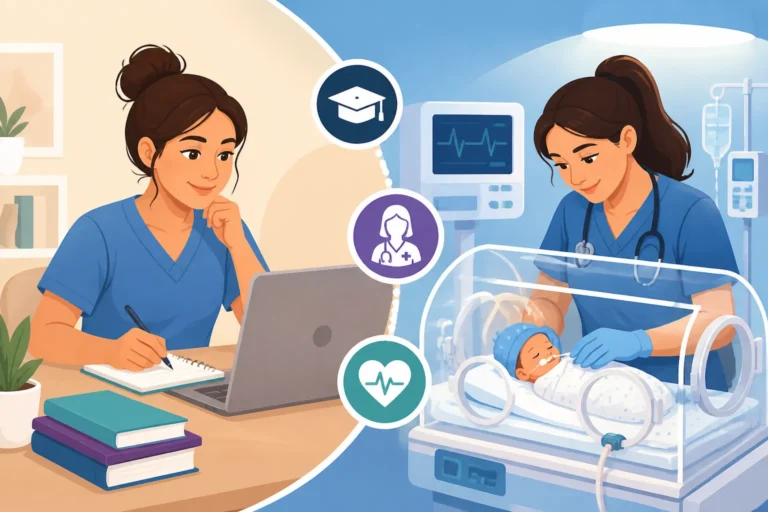
Let's be real, the idea of rolling out of bed, grabbing a coffee, and heading straight to your "office" just a few steps away – instead of enduring a long commute and the relentless physical demands of the hospital floor – sounds like a dream for many nurses. The truth is, bedside nursing can be incredibly rewarding but also undeniably draining, leading many to search for ways to leverage their invaluable skills in a more flexible environment. This comprehensive guide will explore the exciting world of remote and work-from-home nursing specialties, breaking down the roles, the skills you'll need, and how to successfully transition into this growing field.
The Growing Appeal of Remote Nursing Roles
Nursing, for so long, has been synonymous with bustling hospital wards, patient rooms, and the constant hum of medical equipment. But the landscape is shifting, and with it, the opportunities for nurses to work in entirely new ways. The traditional image of a nurse is evolving, opening up doors to remote positions that offer a much-needed change of pace and an improved work-life balance for many.
Why Nurses Seek Work-From-Home Roles
If you're a nurse, you already know the grind. The long shifts, the emotional toll, the physical demands of lifting, standing, and running from one crisis to the next. It's no wonder that after years, or even just a few, many nurses start looking for alternatives. Burnout is a very real and pervasive issue in healthcare, and it drives countless dedicated professionals to consider different career paths. Perhaps you're a new parent struggling with childcare, or you have aging family members who need your attention. Maybe you simply want to reclaim your evenings and weekends, or you're dealing with your own health challenges that make bedside work increasingly difficult. These are all incredibly valid reasons to explore remote nursing. It's about finding a sustainable way to continue doing what you love – caring for people – without sacrificing your own well-being.
The Evolution of Telehealth and Virtual Care
The past few years have dramatically accelerated the adoption of telehealth and virtual care models. What once seemed like a niche concept is now a mainstream component of healthcare delivery. Technology has made it possible for nurses to provide assessment, education, and support from a distance, connecting with patients through video calls, phone consultations, and secure messaging. This isn't just a temporary trend; it's a fundamental shift in how healthcare is accessed and delivered, creating a steady demand for nurses who can navigate these digital platforms. From routine follow-ups to chronic disease management, and even mental health support, virtual nursing care is proving to be effective and incredibly convenient for both patients and providers.
Top Remote and Work-From-Home Nursing Specialties
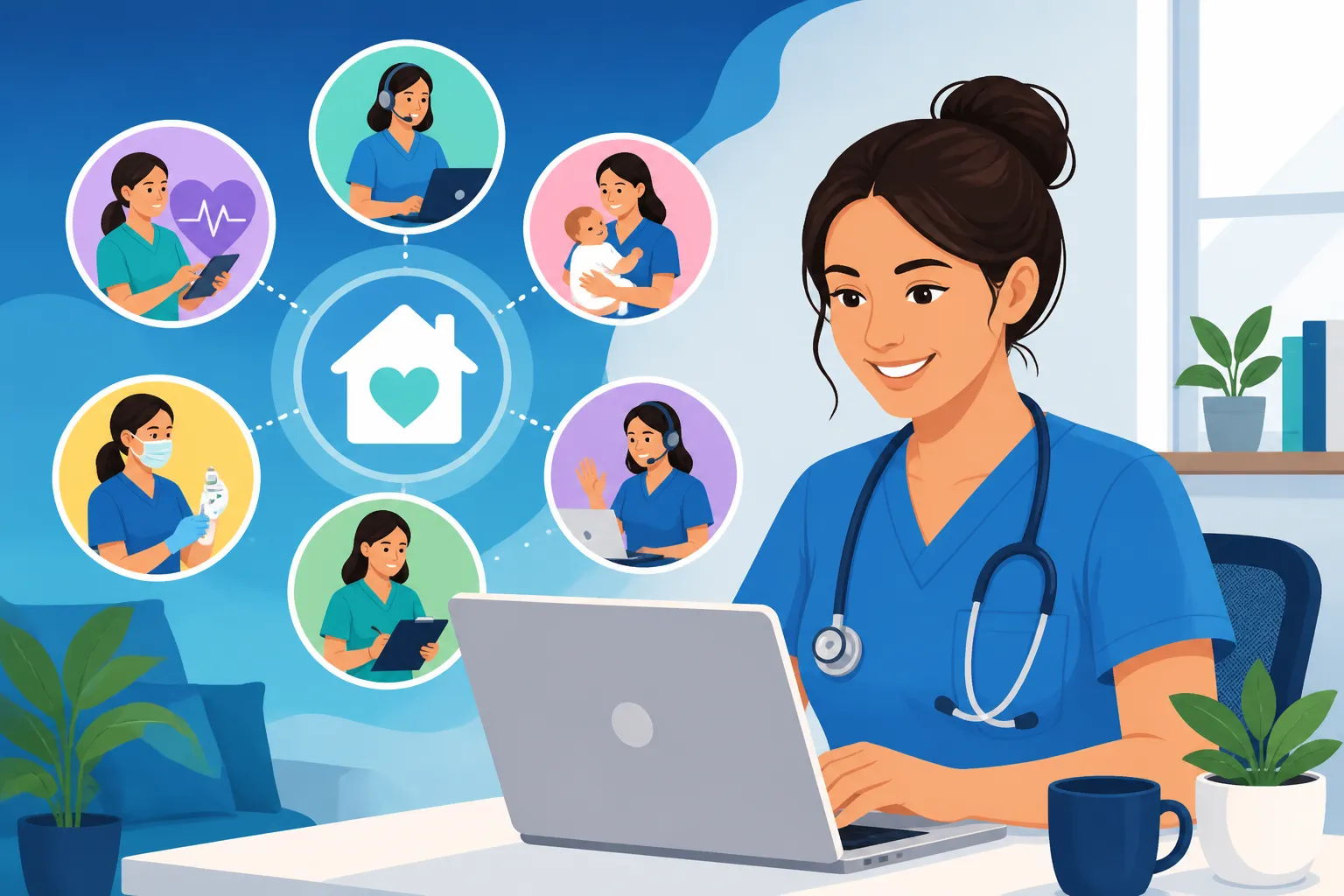
The beauty of remote nursing is the sheer variety of roles available. It's not just one type of job; it's a spectrum of opportunities that cater to different skill sets, interests, and educational backgrounds. Let's dive into some of the most popular and impactful work-from-home nursing specialties.
Telehealth Nurse
A telehealth nurse is often the frontline for virtual patient interactions. You might be conducting virtual triage, providing health education, managing chronic conditions, or offering post-discharge follow-up via phone or video. This role requires exceptional communication skills, critical thinking, and the ability to assess patient needs without the benefit of physical touch. You’ll spend your days talking to patients, answering their questions, and guiding them through their care plans. Imagine helping a new mom troubleshoot breastfeeding issues over video, or educating a diabetic patient on managing their blood sugar from the comfort of your home office. Many healthcare systems, like Kaiser Permanente and Teladoc, heavily utilize telehealth nurses to extend their reach and improve patient access. If you're looking for a role that directly impacts patient care but allows for flexibility, the telehealth nurse path could be a great fit.
Nurse Case Manager
Nurse case managers are the unsung heroes of care coordination. Their primary goal is to ensure patients receive appropriate, timely, and cost-effective care. While some case management roles involve facility visits, a significant portion, especially those working for insurance companies, rehabilitation centers, or large health systems, can be done remotely. You'll be coordinating care transitions, advocating for patients, reviewing medical records, and collaborating with a multidisciplinary team to develop comprehensive care plans. This often means making phone calls, sending emails, and utilizing digital platforms to manage a caseload of patients. For instance, a nurse case manager might work with a patient recovering from a stroke, arranging physical therapy, home health services, and connecting them with community resources, all from their home office. This specialty requires a strong understanding of the healthcare system, excellent organizational skills, and a knack for problem-solving. Learning How to Choose a Nursing Specialty can help you determine if this path aligns with your long-term goals.
Nursing Informaticist
If you have a fascination with technology and data, and how it can revolutionize healthcare, then becoming a nurse informaticist might be your calling. This specialty merges nursing science with information technology, focusing on optimizing information systems to improve patient outcomes and efficiency. Nurse informaticists often work from home, developing and implementing electronic health records (EHR) systems, analyzing healthcare data, training staff on new technologies, and ensuring the seamless flow of information within healthcare organizations. Their work is crucial in shaping the digital future of healthcare. For example, a nurse informaticist might design a new module for an EHR system to better track patient allergies or analyze data trends to identify areas for improved patient safety. This is one of the Highest-Paying Nursing Careers that frequently offers remote work options, especially as organizations continue to invest heavily in digital infrastructure. If you're interested in pursuing this path, diving into an MSN Nursing Informatics Track could be your next step.
Online Nurse Educator
For nurses with a passion for teaching and mentoring, becoming an online nurse educator offers a rewarding work-from-home career. With the explosion of online nursing programs, from ADN to Online RN to BSN Programs: Complete Guide and even Online MSN Programs: Complete Guide, there's a constant need for experienced nurses to teach and guide the next generation of healthcare professionals. These roles involve developing curriculum, delivering lectures (often asynchronously through recorded videos or live virtual sessions), grading assignments, and providing feedback to students. Many universities and online learning platforms hire nurse educators to facilitate their programs. Imagine creating engaging online modules about critical care nursing or leading a virtual discussion on ethical dilemmas in patient care. It's an opportunity to shape the future of nursing from your home office, often with flexible hours.
Legal Nurse Consultant
Legal nurse consultants bridge the gap between healthcare and the legal system. They apply their extensive nursing knowledge to review medical records, identify deviations from the standard of care, educate attorneys on medical terminology and procedures, and serve as expert witnesses in medical-legal cases. This role is highly analytical and detail-oriented. Many legal nurse consultants work independently or for consulting firms, often from their home offices, managing multiple cases for various law firms. They might analyze a patient's chart to determine if negligence occurred during surgery or help a legal team understand the long-term prognosis for a client with a specific injury. It's a fascinating specialty that uses your clinical acumen in a completely different context, and it's certainly one of the Nursing Specialties That Don't Require a Degree Change that can offer significant remote flexibility.
Utilization Review Nurse
Utilization review (UR) nurses play a critical role in ensuring that patients receive necessary and appropriate care, while also managing healthcare costs. Working primarily for insurance companies, hospitals, or third-party review organizations, UR nurses review patient medical records to determine if services are medically necessary and if they meet established guidelines for admission, continued stay, or discharge. These roles are often entirely remote, allowing nurses to perform their reviews and communicate with providers and insurance companies from home. A UR nurse might review a patient's chart to decide if their hospital stay is still justified based on their current condition and treatment plan, or if they're ready for discharge to a lower level of care. This requires a strong understanding of clinical practice, payer guidelines, and excellent documentation skills.
Essential Skills and Qualifications for Remote Nursing
Transitioning to a remote nursing role isn't just about escaping the bedside; it's about embracing a new set of professional demands and developing specific skills to thrive in a virtual environment.
Technical Proficiency and Communication Skills
When your office is virtual, your ability to navigate technology becomes paramount. You'll need to be comfortable with various software platforms, video conferencing tools, secure messaging systems, and electronic health records. This isn't just about being able to turn on a computer; it's about being adept at troubleshooting minor technical issues, understanding data security protocols, and maximizing the efficiency of digital tools. Beyond tech, your communication skills need to be sharp as a tack. In a remote setting, you don't have the luxury of physical cues or immediate in-person feedback. You'll rely heavily on clear, concise written communication and empathetic, active listening during virtual interactions. Being able to convey complex medical information simply and compassionately over the phone or video is a crucial skill. Many nurses find it helpful to practice these skills, perhaps using resources like Uworld to hone their critical thinking and communication, which are vital for any nursing role, remote or otherwise.
Education and Certifications
While an ADN might get your foot in the door for some remote roles, a Bachelor of Science in Nursing (BSN) is increasingly preferred, and often required, for most work-from-home nursing specialties. A BSN demonstrates a broader educational foundation in leadership, research, and community health, which are highly relevant in roles like case management or informatics. For advanced roles like nurse informaticist or online nurse educator, a Master of Science in Nursing (MSN) or even a Doctor of Nursing Practice (DNP) may be necessary. Consider options like an Online MSN Programs: Complete Guide to further your education. Additionally, many remote specialties benefit from specific certifications. For instance, a case manager might pursue certification from the American Nurses Credentialing Center (ANCC) as a Nurse Case Manager (RN-BC), while a utilization review nurse might seek Certified Professional in Healthcare Quality (CPHQ) certification. These credentials not only bolster your resume but also confirm your expertise in a specialized area.
Experience Matters
While the idea of jumping straight into a remote role after graduation is appealing, most work-from-home nursing positions require a foundation of clinical experience. Employers want to see that you've honed your assessment skills, critical thinking, and clinical judgment in a hands-on environment. Typically, 2-5 years of bedside experience in a relevant specialty (e.g., medical-surgical, critical care, or community health) is preferred. This experience provides the context and depth of knowledge needed to make sound decisions without direct physical interaction with a patient. For instance, a telehealth nurse needs to recognize subtle verbal cues that might indicate a patient's condition is worsening, a skill often developed through years of direct patient care.
Finding and Excelling in Remote Nursing Roles
So, you've assessed your skills, considered your educational path, and you're ready to make the leap. Now, how do you actually find these elusive remote nursing jobs and, once you land one, how do you make it a resounding success?
Where to Look for Remote Nursing Jobs
The search for work-from-home nursing positions often begins online. General job boards like Indeed, LinkedIn, and ZipRecruiter are excellent starting points, but you'll want to use specific keywords like "remote nurse," "work from home RN," "telehealth nurse," "virtual nurse," "case manager remote," or "nursing informatics remote." Beyond these, several healthcare-specific job boards and professional organizations cater to nursing roles. Websites for major insurance companies (e.g., Anthem, UnitedHealthcare), telehealth providers (e.g., Teladoc, Amwell), and large hospital systems often have dedicated sections for remote positions. Don't forget to network! Connect with other nurses on LinkedIn or through professional organizations; they can be invaluable sources of information and potential leads for Nursing Job Outlook and Demand. Some companies are fully remote, while others offer hybrid models, so be sure to clarify the exact work arrangement during your search.
Preparing Your Resume and Interviewing
Tailoring your resume for a remote nursing role is crucial. Highlight your communication skills, technical proficiency (list specific software or EHR systems you're proficient in), problem-solving abilities, and any experience with independent work or project management. Quantify your achievements whenever possible. Instead of just saying "managed a caseload," say "managed a caseload of 50+ patients, reducing readmission rates by 10% through comprehensive discharge planning." During the interview process, which will likely be virtual, demonstrate your comfort with technology and articulate why you are a good fit for a remote environment. Be prepared to discuss how you manage your time, stay organized, and ensure patient safety in a non-traditional setting. It’s also a good idea to refresh your knowledge on relevant topics using study tools like Uworld to ensure you're sharp on clinical concepts, even if you're interviewing for a non-bedside role.
Setting Up Your Home Office for Success
A successful remote nursing career hinges on creating a dedicated, productive home office environment. This isn't just about having a desk and a chair; it's about establishing boundaries and optimizing your workspace. Ensure you have a reliable, high-speed internet connection and a quiet space free from distractions. Invest in a comfortable ergonomic chair, a good quality headset, and appropriate lighting for video calls. Consider a second monitor to enhance your efficiency. Set clear working hours and communicate them to your family. It's also vital to practice self-care and take regular breaks, just as you would in a traditional office. Remember, while you're at home, you're still a professional providing critical healthcare services, and your environment should reflect that commitment. Successfully managing your workspace is a key component of How to Balance Work and RN to BSN programs, or any demanding remote nursing role.
Here's a quick look at some popular remote nursing specialties:
| Specialty | Typical Duties | Required Education | Potential Certifications | Key Skills |
|---|---|---|---|---|
| Telehealth Nurse | Virtual triage, patient education, medication counseling, chronic disease management via phone/video. | BSN (preferred) | Ambulatory Care Nursing (AMB-BC), Telehealth | Communication, Assessment, Tech Savvy, Critical Thinking |
| Nurse Case Manager | Care coordination, discharge planning, patient advocacy, resource utilization review. | BSN (required) | Nurse Case Manager (RN-BC) | Organization, Problem-solving, Advocacy, Communication |
| Nursing Informaticist | EHR implementation, data analysis, system optimization, staff training on new technologies. | BSN, MSN (preferred) | Nursing Informatics (RN-BC) | Tech Proficiency, Analytical, Project Management, Teaching |
| Online Nurse Educator | Curriculum development, online course delivery, student assessment, mentorship for online programs. | MSN (required) | Nurse Educator (CNE) | Pedagogy, Communication, Digital Literacy, Mentorship |
| Legal Nurse Consultant | Medical record review, litigation support, expert witness, educating attorneys on medical aspects of cases. | RN, BSN (preferred) | Legal Nurse Consultant (LNC) | Analytical, Detail-oriented, Communication, Research |
| Utilization Review Nurse | Reviewing medical necessity for admissions, continued stays, and discharges according to payer guidelines. | BSN (preferred) | Certified Professional in Utilization Review (CPUR) | Clinical Judgment, Knowledge of Guidelines, Documentation, Communication |
Choosing a remote nursing specialty can dramatically improve your professional and personal life, offering the flexibility and work-life balance many nurses crave. Whether you're interested in direct patient interaction through telehealth or shaping the future of healthcare technology as an informaticist, there's a remote role waiting for your valuable skills. Do your research, prepare diligently, and embrace the exciting possibilities that a remote nursing career can offer!
Disclaimer
The information provided in this article is for general informational purposes only and does not constitute professional medical, legal, or educational advice. While we strive to provide accurate and up-to-date content, nursing practice and program requirements are subject to change. Always consult with a qualified professional or academic advisor for personalized guidance regarding your specific situation and career aspirations.